


Cara Cara Pink Navel Tree: Sweet Seedless Venezuelan Miracle
You're walking through a Venezuelan hacienda in 1976, and you spot something extraordinary on a Washington navel orange tree. The fruit looks normal from the outside, but when you cut it open, the flesh glows with the deep pink color of a ruby grapefruit. That moment of discovery gave birth to one of the most beloved citrus varieties in America today.
The Cara Cara navel orange isn't just another citrus tree. It's a natural miracle that happened once on a single tree and changed the way we think about oranges forever. This sweet, seedless beauty delivers everything you love about navel oranges, plus a stunning pink interior that makes every slice feel like a special occasion.
After growing over 250,000 citrus trees at our South Texas nursery, we can tell you that Cara Cara trees are among the most rewarding varieties for home growers. They're productive, beautiful, and surprisingly easy to care for when you know what they really need.

Cara Cara Navel Orange Tree
Key Takeaways
- Cara Cara oranges were discovered in 1976 as a natural mutation on a single Washington navel tree in Venezuela
- The stunning pink flesh contains lycopene, the same antioxidant that makes tomatoes and grapefruit red
- These trees are completely seedless and produce sweet, low-acid fruit perfect for fresh eating
- Cara Cara trees thrive in containers with proper mineral-based soil and can fruit year-round in warm climates
- The variety ripens from November to January, providing fresh citrus during winter months
- Home growers love Cara Cara trees for their reliable production and stunning ornamental value
- Success depends on the Three Plant Pillars: mineral-based soil, live microbes, and complete organic fertilizer
What Makes the Cara Cara Orange So Special?
The Cara Cara navel orange stands out in the citrus world for one simple reason: it's the only orange variety with naturally pink flesh that tastes like the perfect orange should taste. While blood oranges get their color from anthocyanins and often have a tart, berry-like flavor, Cara Cara oranges get their pink hue from lycopene and maintain the classic sweet, mild orange flavor we all love.
This unique combination makes Cara Cara oranges incredibly versatile. You get the visual wow factor of pink fruit with the familiar, crowd-pleasing taste of a premium navel orange. No wonder they've become the go-to choice for everything from breakfast fruit to gourmet desserts.
Where Did the Cara Cara Orange Come From?
The story begins at Hacienda Cara Cara in Venezuela, where a remarkable discovery changed citrus history forever. In 1976, workers noticed something unusual about one particular Washington navel orange tree. The fruit looked completely normal from the outside, but when they cut it open, the flesh was a beautiful deep pink color.
This wasn't the result of plant breeding or genetic engineering. Nature had created a spontaneous mutation, what scientists call a "bud sport," on a single branch of that Washington navel tree. The pink-fleshed fruit tasted just as sweet and delicious as regular navels, but with slightly lower acidity and that stunning visual appeal.
According to research from the UCR Citrus Variety Collection, the mutation occurred naturally and was stable enough to propagate through grafting. What makes this even more remarkable is that bud sports like this are incredibly rare. Most citrus mutations either don't survive or revert back to the parent variety.
The original tree produced fruit with flesh "similar to the darkest of the red grapefruit varieties," with the rich pink color coming from lycopene, the same carotenoid that gives tomatoes and watermelons their red color. This was nature's way of creating something completely new while keeping all the best qualities of the original Washington navel.
How Did Cara Cara Oranges Reach American Gardens?
The journey from a single Venezuelan tree to American backyards took over a decade of careful cultivation and testing. In the late 1980s, budwood from the original Cara Cara tree made its way to Florida through the state's Budwood Registration Program in Winterhaven.
Florida citrus researchers immediately recognized the potential of this pink-fleshed marvel. The variety showed excellent adaptation to Florida's humid subtropical climate and produced consistent crops of high-quality fruit. By 1988, budwood samples reached California through the University of California's citrus research programs.
California proved to be the perfect home for Cara Cara oranges. The state's Mediterranean climate, with its warm, dry summers and mild winters, allowed the variety to develop its full flavor potential while maintaining the stunning pink flesh color. Commercial plantings began in the 1990s, and by the 2000s, Cara Cara oranges had become a premium variety in grocery stores across America.
Today, California produces the majority of America's Cara Cara oranges, with the fruit becoming so popular that it commands premium prices and has earned its own dedicated marketing campaigns. From a single mutant branch in Venezuela to a multimillion-dollar American crop, the Cara Cara story shows how one remarkable genetic accident can transform an entire industry.
Why Do Cara Cara Oranges Hold Such Cultural Significance?
In the world of citrus, few varieties have captured the public imagination quite like the Cara Cara orange. Its stunning pink flesh makes it the star of social media posts, gourmet recipes, and upscale restaurant menus. You'll find Cara Cara oranges featured in everything from Valentine's Day fruit arrangements to high-end cocktail garnishes.
The variety has become synonymous with premium quality and natural beauty. Unlike artificially colored foods, the Cara Cara's pink flesh represents nature's artistry at its finest. This has made it a favorite among health-conscious consumers who appreciate both the visual appeal and the nutritional benefits of lycopene.
Food bloggers and chefs have embraced Cara Cara oranges for their photogenic qualities and versatile flavor profile. The fruit's low acidity makes it perfect for both sweet and savory applications, while its pink color adds visual interest to salads, desserts, and beverages.
Home gardeners have adopted Cara Cara trees as conversation starters and sources of pride. There's something magical about serving guests fresh oranges with pink flesh from your own backyard tree. It never fails to surprise and delight people who expect regular orange-colored fruit.
What Are the Botanical Characteristics of Cara Cara Trees?
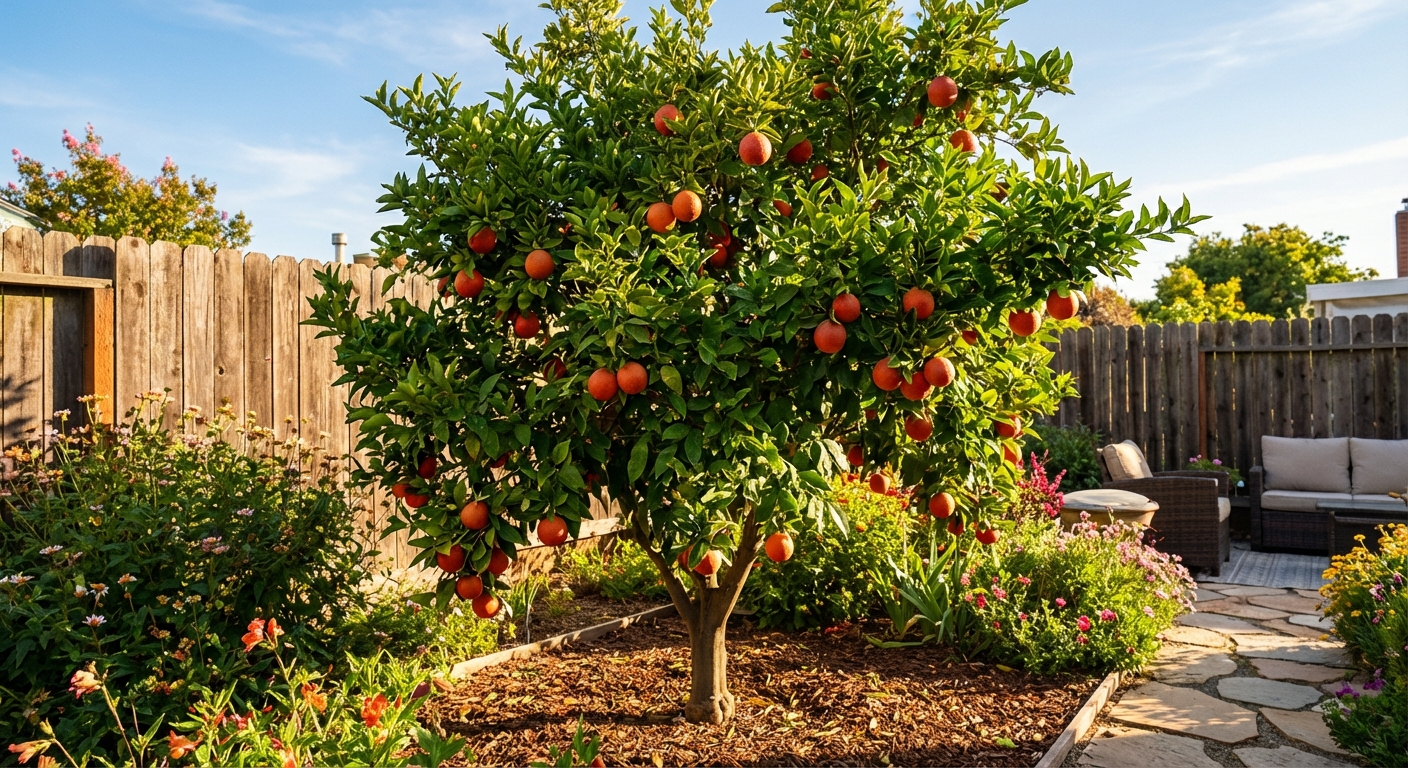
Cara Cara navel orange trees share most characteristics with their Washington navel parent, but with a few distinctive features that set them apart. These evergreen trees typically reach 12-15 feet in height when grown in the ground, though container cultivation keeps them at a more manageable 6-8 feet.
The trees have the classic citrus appearance with glossy, dark green oval leaves and occasional small thorns on younger growth. Like all navel oranges, Cara Cara trees are self-fertile, meaning you don't need multiple trees for fruit production. The small, white, intensely fragrant flowers appear in clusters throughout the year in warm climates, with peak blooming in spring.
One fascinating characteristic noted by researchers is that Cara Cara trees occasionally produce variegated branches with striped leaves. When these branches are allowed to grow and fruit, they may produce oranges with striped rinds, creating an even more unusual and decorative fruit.
The root system develops best in well-draining, mineral-based soil that provides constant aeration. Unlike many fruit trees, citrus roots need oxygen more than moisture, making proper soil composition critical for healthy growth. The trees are surprisingly drought-tolerant once established, but they respond beautifully to consistent care and nutrition.
| Characteristic | Cara Cara Details | Comparison to Washington Navel |
|---|---|---|
| Tree Height (container) | 6-8 feet | Identical |
| Tree Height (ground) | 12-15 feet | Identical |
| Leaf Color | Dark green, occasionally variegated | Variegated branches unique to Cara Cara |
| Thorns | Few small thorns on young growth | Identical |
| Flowers | Small, white, very fragrant | Identical |
| Self-Fertility | Yes, no pollinator needed | Identical |
| Root System | Shallow, needs excellent drainage | Identical |
What Does a Cara Cara Orange Taste Like?
The first bite of a Cara Cara orange is an experience you won't forget. The fruit delivers all the sweet, juicy flavor of a premium navel orange, but with a subtle complexity that sets it apart. The flesh is noticeably sweeter and less acidic than regular navels, making it incredibly appealing to both children and adults.
Unlike blood oranges, which can have hints of berry or wine-like flavors, Cara Cara oranges taste exactly like what you expect from the perfect orange. The flavor is clean, bright, and refreshing, with none of the tartness that can sometimes make other citrus varieties challenging for sensitive palates.
The texture is exceptional. Cara Cara oranges are incredibly juicy, with tender flesh that practically melts in your mouth. The fruit is completely seedless, making it perfect for fresh eating, juicing, or using in recipes where seeds would be unwelcome.
Research data shows that Cara Cara oranges typically have a TSS (Total Soluble Solids) rating of 10.5-12.3, indicating high sugar content, with acid levels around 0.7-1.0. This gives them a sugar-to-acid ratio of 12-15:1, compared to 8-10:1 for many other orange varieties. This exceptional balance explains why Cara Cara oranges taste so incredibly sweet and satisfying.
The lycopene that creates the pink color also adds nutritional value without affecting taste. You get the same antioxidant benefits found in tomatoes and watermelons, packaged in the familiar, beloved flavor of a premium orange.
Popular Culinary Uses for Cara Cara Oranges
Chefs and home cooks have discovered countless ways to showcase Cara Cara oranges' unique beauty and flavor. The pink flesh makes them perfect for fruit salads, where they add both color contrast and exceptional sweetness. They're also excellent for juicing, producing a beautiful coral-colored juice that's naturally sweet enough to drink without added sugar.
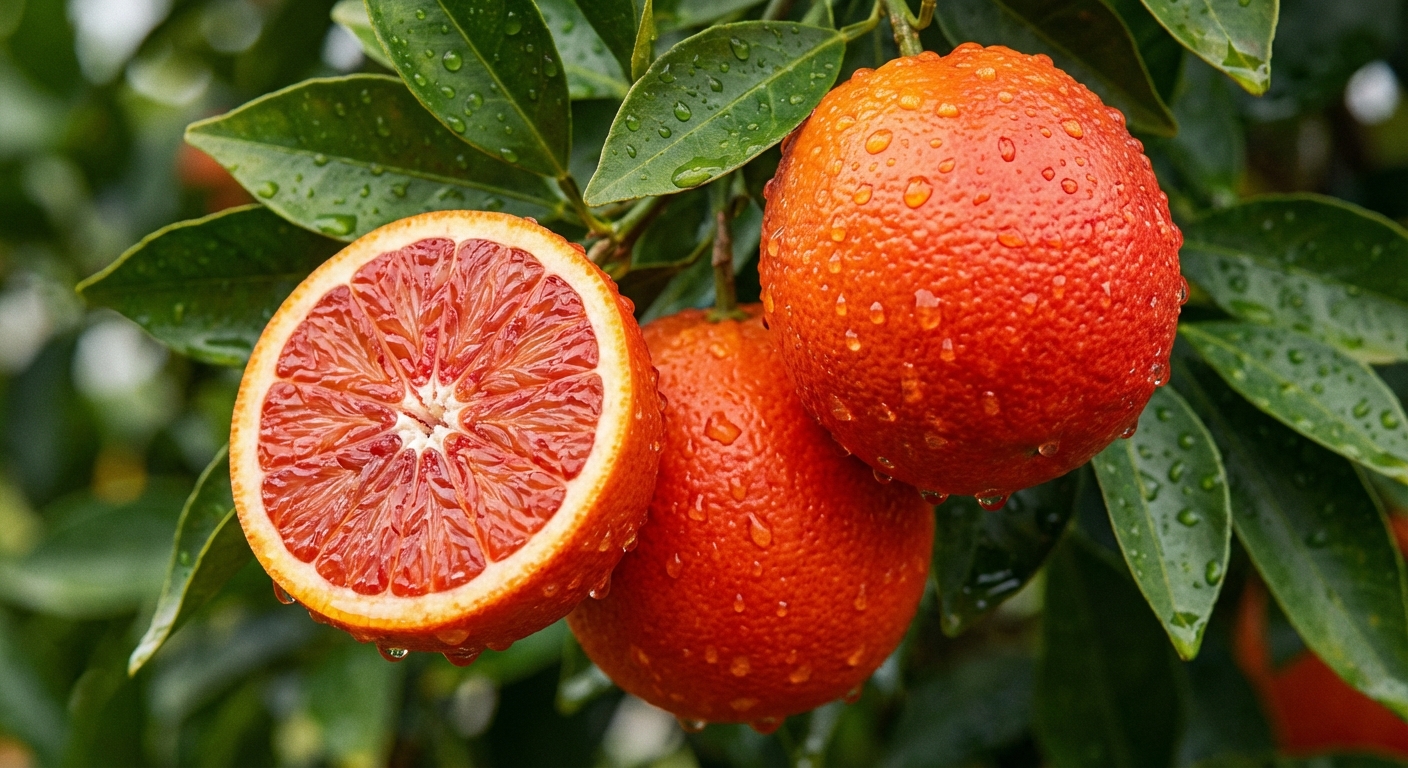
In savory applications, Cara Cara oranges work beautifully in salads with bitter greens, where their sweetness provides perfect balance. They pair exceptionally well with avocado, fennel, and red onion. The segments hold their shape well when cooked, making them excellent for sauces, glazes, and marinades.
Dessert applications are endless. The pink segments look stunning in tarts, parfaits, and fruit arrangements. The zest provides intense orange flavor for baked goods, while the juice works beautifully in sorbets, cocktails, and homemade ice cream.
How Do You Successfully Grow Cara Cara Orange Trees?
Growing Cara Cara orange trees successfully comes down to understanding what these plants really need to thrive. After decades of growing citrus at our South Texas nursery, we've learned that success isn't about following generic advice. It's about providing the specific conditions that allow citrus roots to stay healthy and productive.
The most important factor is soil composition. Cara Cara trees, like all citrus, need soil that drains immediately while retaining nutrients. This seems contradictory, but it's exactly what US Citrus Nursery's Three Plant Pillars system delivers.
Climate Requirements and Container Growing
Cara Cara orange trees thrive in USDA zones 9-11, where temperatures rarely drop below 25°F. However, container growing extends their range significantly. With proper winter protection, you can successfully grow Cara Cara trees in zones 7-8 by moving them indoors during freezing weather.
The trees need full sun for optimal fruit production and flavor development. In extremely hot climates (above 100°F regularly), some afternoon shade can prevent heat stress. Container growing actually offers advantages in very hot regions, as you can move trees to optimize their sun exposure throughout the day.
Cara Cara trees are surprisingly adaptable to different humidity levels, but they prefer moderate humidity with good air circulation. This prevents fungal issues while maintaining the leaf health necessary for photosynthesis and fruit production.
| Growing Factor | Optimal Conditions | Container Adaptations |
|---|---|---|
| Temperature Range | 35-85°F optimal, 25°F minimum | Move indoors below 32°F |
| Sunlight | 8+ hours direct sun daily | South-facing location, rotate weekly |
| Humidity | 40-60% with air circulation | Use humidity tray indoors |
| Soil Drainage | Immediate drainage, never soggy | Use mineral-based soil only |
| Container Size | N/A | Start 20-gallon, up-pot as needed |
| Harvest Season | November-January peak | Extended season in containers |
The Three Plant Pillars for Cara Cara Success
At US Citrus Nursery, we've developed a proprietary system called the Three Plant Pillars that eliminates the guesswork from citrus growing. This isn't common gardening wisdom. This is the specific system we use to grow over 250,000 healthy citrus trees at our nursery, and it works just as well for home growers.
Pillar 1: Mineral-Based Soil
Carbon-based potting mixes are the enemy of citrus roots. As pine bark and peat decompose, they consume the oxygen your tree's roots desperately need to survive. Dr. Mani's Magic Super Soil uses permanent, mineral-based ingredients that never decompose. This provides constant aeration while maintaining perfect drainage and optimal pH.
Pillar 2: Live Microbials
Your Cara Cara tree's roots depend on a complex ecosystem of beneficial bacteria and fungi to unlock nutrients and fight off harmful pathogens. Dr. Mani's Magic Plant Super Boost delivers over 2,000 species of live bacteria and 400-500 species of beneficial fungi, all harvested from natural compost and stabilized with our proprietary process.
Pillar 3: Complete Organic Fertilizer
Synthetic fertilizers are salt-based and kill the beneficial microbes your tree needs. Dr. Mani's Magic Crab, Kelp & Amino Acids (7-4-4) provides all 12 essential nutrients in organic, slow-release forms that work with your soil biology instead of against it.
When all three pillars are in place, your Cara Cara tree becomes nearly bulletproof. Root rot becomes almost impossible. Nutrient deficiencies disappear. Pest problems decrease dramatically. Your tree focuses its energy on what it does best: producing abundant, delicious fruit.
Watering and Feeding Schedule
Proper watering depends entirely on your soil type. In mineral-based Super Soil, overwatering is nearly impossible because excess water drains immediately. In carbon-based potting mix, overwatering is almost inevitable because the material holds water like a sponge.
Use the "drench method" for all watering. Water thoroughly until water runs from the drainage holes, then wait until the top 2 inches of soil feel dry to the touch before watering again. In Super Soil, this typically means:
- Below 60°F or indoors: Once per week
- 60-90°F, humid conditions: Twice weekly
- 60-90°F, dry conditions: Three times weekly
- Above 90°F, humid: Every other day
- Above 90°F, dry: Daily
Feed your Cara Cara tree monthly with 1 oz of Crab, Kelp & Amino Acids per inch of trunk diameter. Skip feeding when temperatures drop below 40°F, as the tree goes dormant and cannot process nutrients effectively.
Apply Plant Super Boost monthly at 2 oz per gallon of water. These live microbes need regular replenishment in containers, as they work continuously to protect and nourish your tree's roots.
Why Do Home Growers Fall in Love with Cara Cara Trees?
Ask anyone who grows Cara Cara oranges at home, and they'll tell you the same thing: these trees deliver joy in ways you never expected. Yes, the fruit is exceptional. But the real magic happens in the moments between planting and harvesting.
There's the morning you notice the first flower buds forming, filling your garden with the most incredible fragrance. There's the excitement of watching tiny green fruits slowly grow and mature over months. And there's the pride you feel when you serve guests fresh oranges with stunning pink flesh from your own tree.
Cara Cara trees are remarkably productive for their size. A mature tree in a large container can produce 50-100 oranges per year, providing fresh fruit for months. Unlike store-bought oranges that were picked weeks or months ago, homegrown Cara Caras can be harvested at perfect ripeness and eaten immediately.
The trees are also surprisingly low-maintenance when grown with the Three Plant Pillars system. No constant repotting. No weekly fertilizer schedules. No complicated pest management programs. Just healthy, productive trees that reward your minimal effort with maximum results.
Container growing adds even more advantages. You can position your tree for optimal sun exposure. You can bring it indoors during extreme weather. You can harvest fruit at the perfect height without ladders or tools.
The Economics of Growing Your Own
Premium Cara Cara oranges often cost $3-5 per pound in grocery stores. A single mature tree can produce 20-30 pounds of fruit annually, representing $60-150 worth of premium oranges each year. Over the 20+ year lifespan of a well-cared-for citrus tree, that's $1,200-3,000 worth of fruit.
But the real value goes beyond dollars. You get fruit picked at perfect ripeness, with no wax coatings, pesticide residues, or extended shipping and storage. You get the satisfaction of growing something beautiful and useful. You get a conversation starter that never gets old.
What Are Some Fascinating Facts About Cara Cara Oranges?
The Cara Cara orange holds several distinctions that make it unique in the citrus world. It's the only orange variety with naturally pink flesh that maintains the classic orange flavor profile. Blood oranges have red flesh too, but their flavor is distinctly different, often described as having berry or wine notes.
Scientists classify the Cara Cara as a "chimera," meaning different parts of the tree can express different genetic traits. This is why some branches occasionally produce variegated leaves and striped fruit. The pink flesh trait is stable when propagated through grafting, but new growth from seed would revert to regular orange-fleshed fruit.
The lycopene content in Cara Cara oranges rivals that of tomatoes and pink grapefruit. This powerful antioxidant has been linked to heart health, prostate health, and protection against certain types of cancer. You're getting significant nutritional benefits along with exceptional taste.
Interestingly, the pink color intensity can vary based on growing conditions. Cooler night temperatures during fruit development tend to enhance the pink coloration, which is why California-grown Cara Caras often have more intense color than those grown in consistently warm climates.
The variety has become so popular that it's spawned its own marketing campaigns and premium pricing strategies. Some grocery chains now feature "Cara Cara season" promotions, treating these oranges more like seasonal specialties than everyday citrus.
Professional citrus evaluators consistently rate Cara Cara oranges among the highest-quality navel varieties for fresh eating. Their exceptional sugar-to-acid ratio and complete lack of seeds make them ideal for children, who often reject other citrus varieties as too tart or too seedy.
Why This Tree Deserves a Place in Your Backyard
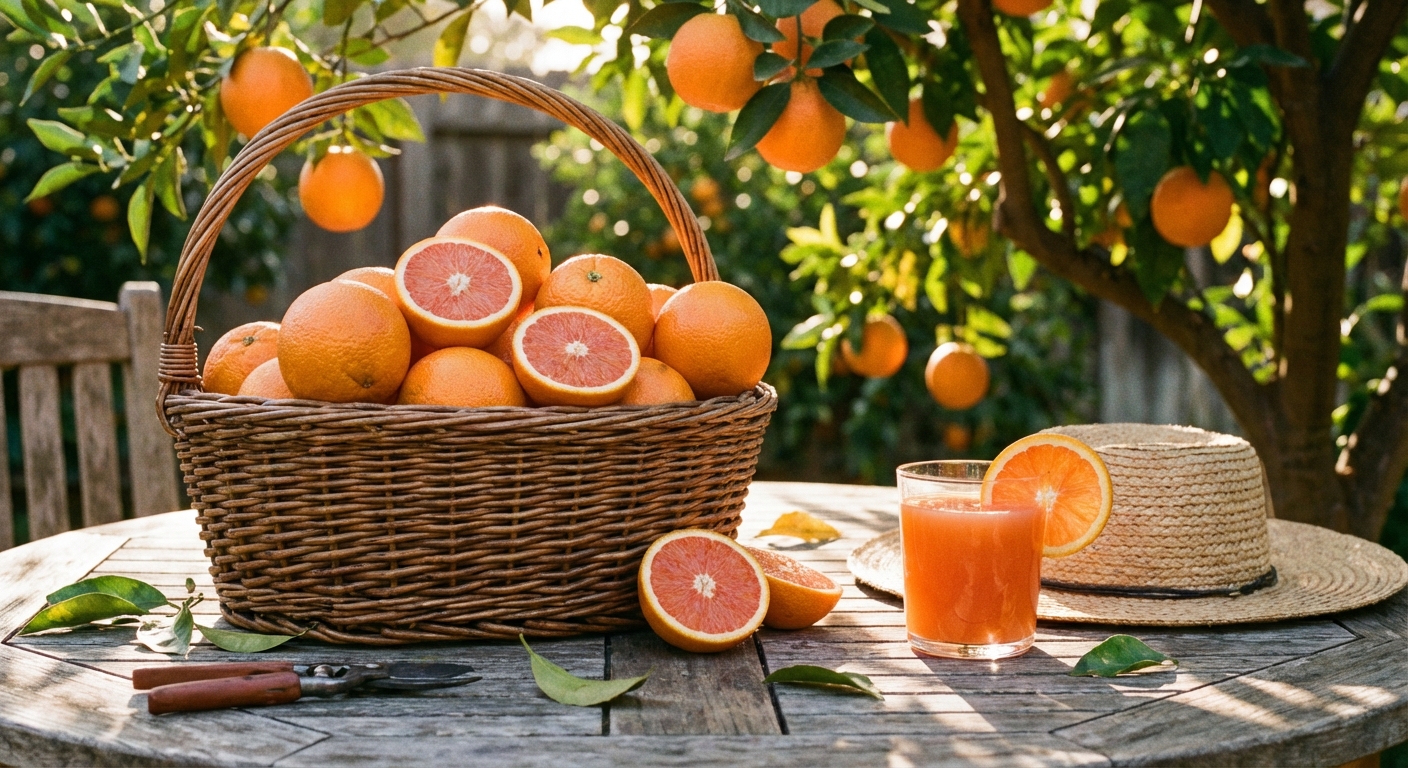
If you've been thinking about adding a citrus tree to your home garden, the Cara Cara navel orange represents everything you want in a fruit tree. It's productive, beautiful, relatively easy to care for, and produces fruit that never fails to impress.
This isn't just about having fresh oranges. This is about growing something special, something that creates moments of wonder every time you slice open that first pink-fleshed fruit. It's about the pride of serving guests something they can't buy in stores. It's about connecting with nature's incredible ability to surprise us.
The Cara Cara story reminds us that sometimes the best discoveries happen by accident. One mutant branch on a Venezuelan tree became a beloved variety enjoyed by millions. Your own Cara Cara tree continues that legacy, bringing a little piece of horticultural history into your own backyard.
With US Citrus Nursery's Three Plant Pillars system, you have everything you need to grow Cara Cara trees successfully. No more guessing about soil mixes or fertilizer schedules. No more watching trees struggle in inappropriate potting mix. Just healthy, productive trees that reward your care with years of exceptional fruit.
Ready to experience the magic of homegrown Cara Cara oranges? Our Cara Cara Navel Orange Tree comes with everything you need to get started, including detailed care instructions based on our decades of citrus growing experience.
Want to explore other varieties that pair beautifully with Cara Cara? Browse our complete citrus tree collection to discover the perfect combination for your home orchard. From Meyer lemons to Ruby Red grapefruit, we have the varieties and expertise to help you create your own citrus paradise.
Frequently Asked Questions
1. What is a Cara Cara navel orange?
A Cara Cara navel orange is a naturally occurring pink-fleshed mutation of the Washington navel orange. It was discovered in 1976 at Hacienda Cara Cara in Venezuela. The fruit is seedless, sweet, low in acidity, and gets its distinctive pink color from lycopene.
2. Why are Cara Cara oranges pink inside?
Cara Cara oranges have pink flesh because they contain lycopene, a natural carotenoid pigment also found in tomatoes, watermelon, and pink grapefruit. Unlike blood oranges, whose red color comes primarily from anthocyanins, Cara Cara oranges retain the familiar sweet flavor of a navel orange.
3. Are Cara Cara oranges sweeter than regular navel oranges?
Yes. Cara Cara oranges are generally sweet, juicy, and less acidic than many standard navel oranges. Their high sugar-to-acid balance gives them a smooth, mild flavor that makes them especially popular for fresh eating, juicing, desserts, and salads.
4. Are Cara Cara navel oranges seedless?
Yes. Cara Cara navel oranges are naturally seedless, making them convenient for eating fresh, juicing, cooking, and preparing desserts. Their seedless characteristic is one reason they are particularly popular with families and home gardeners.
5. When are Cara Cara oranges in season?
Cara Cara oranges typically reach their peak harvest season from November through January. In warm climates, trees may have an extended fruiting period, allowing gardeners to enjoy fresh fruit beyond the traditional peak season.
6. Can you grow a Cara Cara orange tree in a container?
Yes. Cara Cara orange trees are well suited to container growing. A container-grown tree can typically be maintained at around 6–8 feet, making it suitable for patios, decks, and small gardens. A large container, excellent drainage, full sunlight, and consistent nutrition are important for healthy growth.
7. How cold can a Cara Cara orange tree tolerate?
Cara Cara orange trees are generally best suited to USDA Zones 9–11 and can tolerate brief temperatures around 25°F, although freezing conditions can damage the tree and fruit. Gardeners in colder areas can grow Cara Cara oranges in containers and move the tree indoors or into a protected location during freezing weather.
8. How much sunlight does a Cara Cara orange tree need?
A Cara Cara orange tree performs best with at least 8 hours of direct sunlight per day. Full sun supports vigorous growth, flowering, fruit production, and good fruit flavor. In extremely hot climates, some afternoon protection can help reduce heat stress.
9. How do you care for a Cara Cara navel orange tree?
Cara Cara orange trees need well-draining soil, consistent watering, adequate sunlight, and balanced citrus nutrition. Water deeply when the top 2 inches of soil become dry, allowing excess water to drain completely. Container trees also benefit from regular feeding during active growth and should be protected from extreme cold.
10. How long does it take a Cara Cara orange tree to produce fruit?
A healthy Cara Cara orange tree can begin producing fruit relatively early when grown under suitable conditions, although the exact timing depends on the tree's age, rootstock, growing environment, and care. Mature trees can produce substantial crops, with container-grown trees potentially producing dozens of oranges annually under favorable conditions.
About the Author
Ron Skaria, MD
Ron Skaria is the son of Dr. Mani. He trained as a medical doctor at Baylor College of Medicine, did his residency at UT Health Science Center - San Antonio and fellowship training at Texas Tech University. He now works full time on the family farm at US Citrus and US Citrus Nursery in Hargill, Texas, building Dr. Mani's Magic alongside his dad. He wrote the Brown Thumb Field Guide to put his father's 48 years of plant science into plain words any gardener can use. His belief is simple. You never had a brown thumb. You just never had the right help.


