


Cleopatra Mandarin Tree, the Ancient Indian Citrus with Global Influence
Most people have never heard of the Cleopatra mandarin, yet this ancient Indian citrus variety has quietly shaped the modern citrus industry more than almost any other tree. While you won't find its fruit in grocery stores, the Cleopatra mandarin serves as the hidden foundation beneath millions of citrus trees worldwide.
This remarkable tree carries names that tell stories of distant lands: "chota" and "billi kichili" in its native India, "Cleopatra mandarin" in America. But here's what makes this citrus truly special: it bears fruit year-round, thrives in challenging conditions, and creates the strongest root systems in the citrus world.
After growing over 250,000 citrus trees at our South Texas nursery, we've learned that understanding rootstock varieties like the Cleopatra mandarin is crucial for anyone serious about citrus success. This tree represents thousands of years of natural selection, creating a variety so hardy and reliable that modern citrus growers depend on it for their most valuable trees.

Organic Fertilizer | Crab, Kelp & Amino Acids (7‑4‑4) | Long-Lasting, Burn-Free Boost | Slow-Release Power for Steady Plant Growth
Key Takeaways
- Cleopatra mandarin originated in India and arrived in Florida before 1888 via Jamaica
- Known locally as "chota" or "billi kichili" in India, renamed "Cleopatra mandarin" in America
- Bears small, orange-red fruit year-round with soft, juicy flesh and acidic flavor
- Primarily valued as superior rootstock for grafting other citrus varieties
- Features thornless, symmetrical growth with small dark-green leaves
- Extremely hardy and disease-resistant, making it ideal for challenging growing conditions
- Seeds are polyembryonic with distinctive green cotyledons
What Makes the Cleopatra Mandarin Special?
The Cleopatra mandarin (Citrus reshni) stands apart from other mandarins in ways that have made it invaluable to citrus growers worldwide. This isn't your typical eating mandarin. Instead, it's what we call a "workhorse variety" that does the heavy lifting in citrus production.
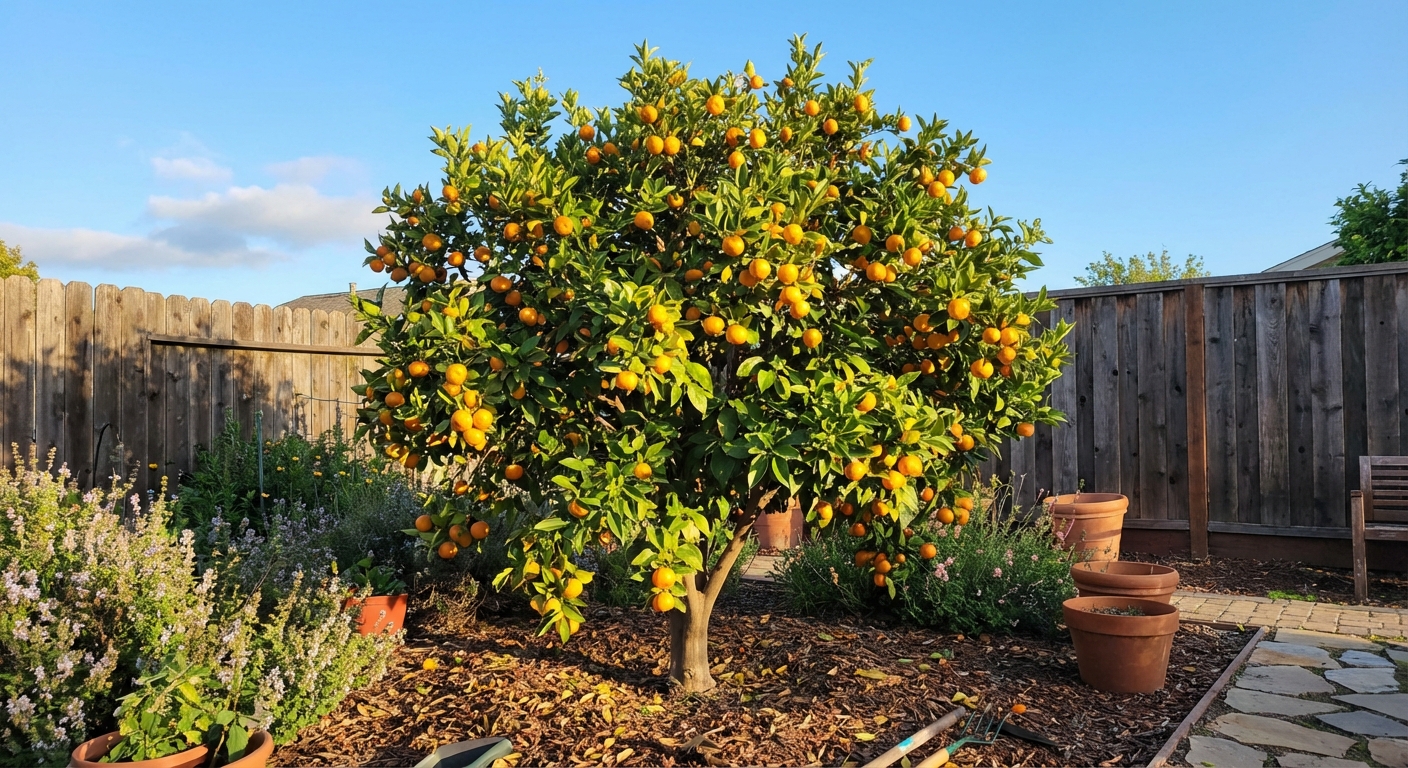
The tree itself is stunning. Picture a perfectly symmetrical, round-topped citrus tree with no thorns and deep green leaves that stay beautiful year-round. The fruit appears continuously, creating an ornamental display that few citrus varieties can match. But the real magic happens below ground, where Cleopatra mandarin roots create some of the strongest, most disease-resistant root systems in the citrus world.
According to the UCR Citrus Variety Collection, this variety has become "increasingly important as a rootstock in the United States and elsewhere," and for good reason. When other citrus varieties struggle with soil problems, diseases, or challenging growing conditions, trees grafted onto Cleopatra mandarin rootstock often thrive.
Ancient Origins: From Indian Gardens to Global Influence
The story of the Cleopatra mandarin begins in the ancient gardens of India, where it was known by names that translate to "small" (chota) and "small orange" (billi kichili). These names hint at the fruit's modest size, but they don't capture the tree's outsized importance in citrus history.
For centuries, Indian gardeners recognized something special about this variety. While other citrus trees might struggle with monsoon rains or dry periods, the chota mandarin adapted and thrived. Its year-round fruiting habit meant fresh citrus was always available, and its hardy nature made it a reliable choice for diverse growing conditions across the Indian subcontinent.
The tree's botanical classification as Citrus reshni honors this heritage. The species name connects directly to its Indian origins, preserving thousands of years of agricultural wisdom in botanical nomenclature. Ancient Indian texts likely referenced this variety, though the full historical record remains scattered across regional languages and oral traditions.
What we do know is that natural selection worked on this variety for millennia. Trees that couldn't handle India's diverse climate conditions didn't survive to pass on their genetics. The Cleopatra mandarin we grow today represents the survivors, carrying genetic resilience built through countless generations of natural testing.
How Did the Cleopatra Mandarin Reach the Americas?
The journey from Indian gardens to American citrus groves tells a story of global trade, colonial connections, and botanical curiosity. Historical records show that the Cleopatra mandarin arrived in Florida sometime before 1888, but not directly from India.
Instead, this variety took an indirect route through Jamaica. The British colonial system created botanical gardens and agricultural stations throughout their empire, often moving promising plant varieties between colonies. Jamaica's tropical climate and established citrus industry made it a natural stopping point for Indian citrus varieties heading to North America.
Florida citrus growers in the late 1800s were actively seeking new varieties that could handle the state's unique challenges: hurricanes, sandy soils, occasional freezes, and various citrus diseases. When the Cleopatra mandarin arrived, its hardy nature and continuous fruiting immediately caught attention.
The name change from "chota" to "Cleopatra mandarin" reflects American marketing sensibilities of the era. "Cleopatra" suggested something exotic and valuable, while "mandarin" placed it in the familiar category of easy-peeling citrus fruits. This renaming helped the variety gain acceptance among American growers who might have been hesitant about an unfamiliar Indian variety.
By the early 1900s, Cleopatra mandarin had established itself in Florida citrus groves. But its true value wasn't as a fresh eating fruit. Instead, growers discovered that its exceptional root system made it perfect for supporting other citrus varieties through grafting.
Cultural Significance and Traditional Uses
In its native India, the Cleopatra mandarin holds cultural significance that goes beyond simple fruit production. The continuous fruiting habit made it a symbol of abundance and reliability in traditional Indian culture. Households with a chota tree could count on fresh citrus throughout the year, making it especially valuable during monsoon seasons when other fruits might be scarce.
Traditional Indian medicine (Ayurveda) recognized citrus varieties like the chota for their digestive properties and vitamin content. The acidic nature of Cleopatra mandarin fruit made it useful for preserving other foods and creating traditional pickles and chutneys that could last through seasonal food shortages.
Religious and ceremonial uses also developed around year-round fruiting citrus trees. The ability to offer fresh fruit during any season made trees like the Cleopatra mandarin valuable for temple offerings and festival celebrations. The small, bright orange-red fruits created beautiful displays during harvest festivals and religious ceremonies.
In American citrus culture, the Cleopatra mandarin gained different significance. Rather than being valued for its fruit, it became the invisible foundation that supported the citrus industry's most valuable varieties. Modern Florida orange groves, California lemon orchards, and Texas grapefruit farms often depend on Cleopatra mandarin rootstock for their success.
This shift from fruit tree to rootstock represents a fascinating cultural transformation. In India, the tree was valued for what it produced above ground. In America, its greatest value lay in what it provided below ground: strong, disease-resistant roots that could support more commercially valuable fruit varieties.
What Does the Cleopatra Mandarin Tree Look Like?
The Cleopatra mandarin creates one of the most visually appealing citrus trees you'll ever see. Picture a perfectly symmetrical, round-topped tree that looks like it was shaped by a master gardener, yet grows naturally without any pruning.
The most striking feature is the complete absence of thorns. While most citrus varieties bristle with sharp thorns that can make harvesting painful, the Cleopatra mandarin presents smooth, thornless branches that are safe to handle and easy to work around. This makes it an ideal choice for home gardens where children might play nearby.
The leaves deserve special attention. They're smaller than typical citrus leaves, dark green in color, and maintain their rich color throughout the year. This creates a dense, compact canopy that provides excellent ornamental value even when the tree isn't heavily fruited.
| Characteristic | Cleopatra Mandarin | Typical Mandarin |
|---|---|---|
| Tree Shape | Round-topped, symmetrical | Irregular, spreading |
| Thorns | Completely thornless | Moderate to heavy thorns |
| Leaf Size | Small, compact | Medium to large |
| Leaf Color | Dark green year-round | Variable, seasonal changes |
| Mature Height | 12-15 feet | 15-25 feet |
| Growth Rate | Moderate, controlled | Fast, sometimes unruly |
The tree's size makes it perfect for container growing or smaller spaces. At maturity, it typically reaches 12 to 15 feet in height, with a spread that matches its height. This compact size, combined with its ornamental qualities, makes it an excellent choice for landscape use.
Root development sets the Cleopatra mandarin apart from other citrus varieties. The root system grows deep and spreads wide, creating exceptional stability and drought resistance. These roots also show remarkable resistance to common citrus root diseases, which is why the variety has become so valuable as rootstock for grafting.
The Fruit: Small Size, Big Impact
Cleopatra mandarin fruit won't win any size contests, but what it lacks in dimensions, it makes up for in consistency and unique characteristics. The fruit is small and oblate (flattened), with a distinctive depression at the top that gives it an unmistakable appearance.
The skin color ranges from orange to orange-red, with a thin rind that has a slightly rough texture. This isn't the smooth, glossy skin you'd find on commercial mandarins. Instead, it has character and texture that hints at the fruit's wild origins and natural development.
Peeling reveals soft, juicy flesh with a notably acidic flavor. This isn't a sweet eating mandarin like the varieties you find in grocery stores. The flavor is tart and somewhat sharp, making it more suitable for cooking applications than fresh eating. The acidity makes it excellent for preserves, marinades, and traditional Indian pickles.
Seeds tell an interesting botanical story. Cleopatra mandarin seeds are small but polyembryonic, meaning each seed can produce multiple plants. Most citrus seeds have white cotyledons (seed leaves), but Cleopatra mandarin seeds have distinctive green cotyledons that make them easily identifiable.
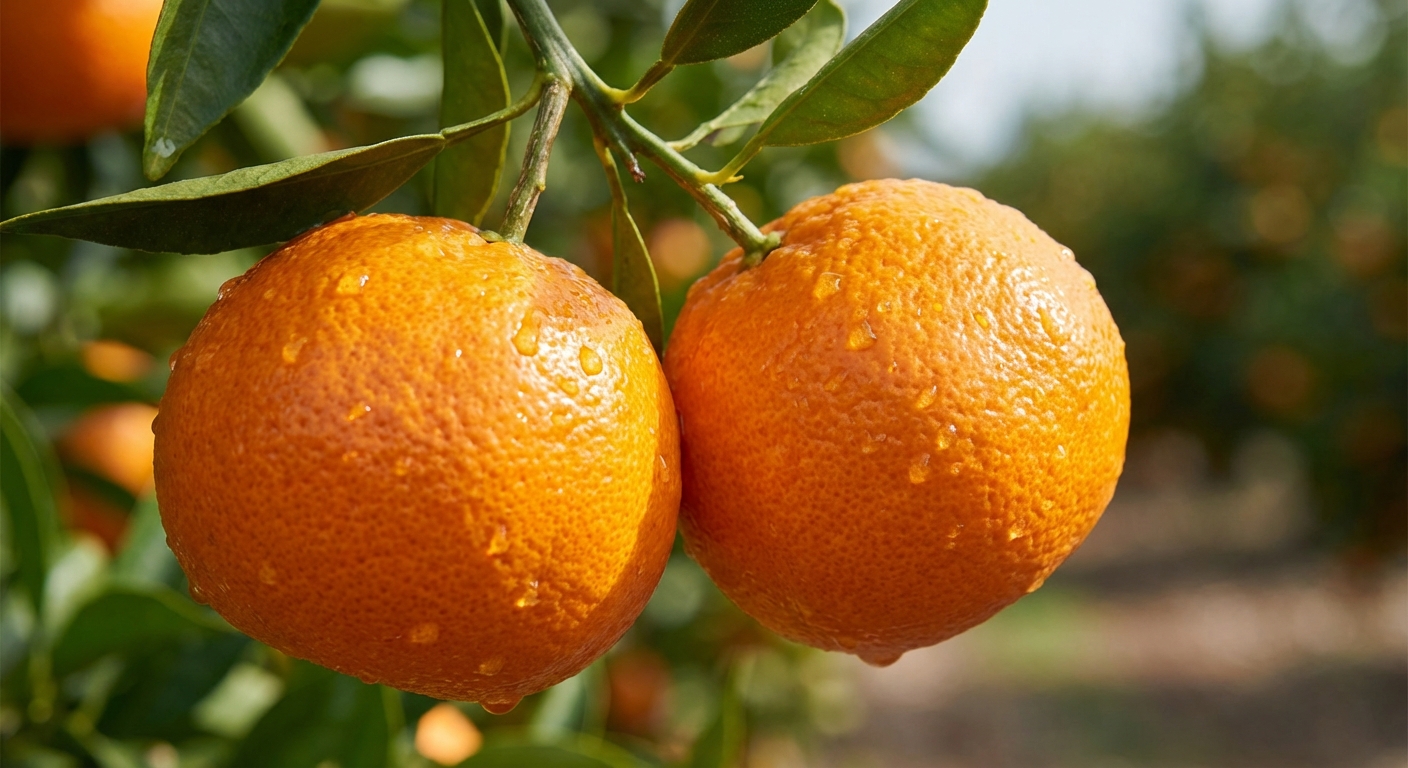
The year-round fruiting habit makes this variety unique among citrus trees. While most citrus varieties have specific harvest seasons, the Cleopatra mandarin produces fruit continuously. You might find flowers, small green fruit, and ripe fruit all on the same tree at the same time.
This continuous production creates exceptional ornamental value. The tree becomes a living decoration with bright orange-red fruits dotting the dark green foliage throughout the year. For home gardeners who want citrus trees that look beautiful in all seasons, few varieties can match the Cleopatra mandarin's consistent display.
How Do You Grow Cleopatra Mandarin Trees Successfully?
Growing Cleopatra mandarin trees successfully starts with understanding what made this variety thrive in India for thousands of years. This tree evolved to handle challenging conditions, but it still needs proper care to reach its full potential in your garden.
Climate requirements are more flexible than many citrus varieties. Cleopatra mandarins handle temperature fluctuations better than most citrus, tolerating both heat and mild cold better than tender varieties. They're hardy in USDA zones 9-11, but can be grown in containers and moved indoors in colder climates.
The key to success lies in implementing US Citrus Nursery's Three Plant Pillars system. This proprietary framework ensures your Cleopatra mandarin gets everything it needs for long-term health and productivity.
Pillar 1: Mineral-Based Soil for Permanent Root Health
Cleopatra mandarins need soil that never suffocates their roots. That potting mix from the garden center? It's pine bark sawdust that will decompose and consume the oxygen your roots desperately need. Within six months, it's creating the anaerobic conditions that lead to root rot.
Dr. Mani's Magic Super Soil provides the mineral-based foundation that Cleopatra mandarins need. This permanent soil blend contains sand or sandy loam, perlite or rice hulls, and coco coir or peat moss, plus biochar, fertilizer, sulfur for pH control, volcanic ash, and beneficial microbes. It never decomposes, so it provides permanent aeration and drainage.
Pillar 2: Live Microbials for Natural Disease Resistance
The exceptional disease resistance that makes Cleopatra mandarin valuable as rootstock comes from its relationship with beneficial soil microbes. These bacteria and fungi protect roots, unlock nutrients, and create the robust root health that this variety is famous for.
Plant Super Boost delivers over 2,000 bacteria species and 400-500 fungi species harvested from natural compost. Apply 2 ounces per gallon of water monthly to maintain the living soil biology that keeps your Cleopatra mandarin healthy and productive.
Pillar 3: Complete Organic Nutrition Without Salt Damage
Those blue synthetic fertilizers kill the beneficial microbes your tree needs and burn roots with salt buildup. Cleopatra mandarins need complete nutrition that works with soil biology, not against it.
Crab, Kelp & Amino Acids (7-4-4) provides all 12 essential nutrients in slow-release, organic form. Apply 1 ounce per inch of trunk diameter monthly (skip applications when temperatures drop below 40°F). This ensures steady nutrition without the salt damage that synthetic fertilizers cause.
| Growing Factor | Requirement | Notes |
|---|---|---|
| Sunlight | 6-8 hours direct sun | Tolerates partial shade better than most citrus |
| Soil pH | 6.0-6.5 | Super Soil pre-adjusted to optimal pH |
| Watering | Deep, infrequent | Water when top 2 inches feel dry |
| Temperature | Above 32°F | More cold-tolerant than most mandarins |
| Container Size | 20+ gallons for mature tree | Start smaller and up-pot as tree grows |
| Humidity | 40-60% | Adapts to various humidity levels |
Watering schedule depends on your climate conditions, not generic advice about "every 7-10 days." Use this proven schedule from our care guide:
- Below 60°F or indoors: Once per week
- 60-90°F, humid conditions: Twice weekly
- 60-90°F, dry conditions: Three times weekly
- Above 90°F, humid conditions: Every other day
- Above 90°F, dry conditions: Daily
Always use the drench method: water until it runs from the drainage holes. This ensures deep root hydration without the shallow watering that creates weak root systems.
Why Do Home Growers Choose Cleopatra Mandarin Trees?
Home gardeners discover Cleopatra mandarin trees for different reasons than commercial growers, but they stay loyal for the same core benefits: reliability, beauty, and unique characteristics you won't find in grocery store varieties.
The ornamental value tops the list for most home growers. This tree looks perfect in landscapes year-round. The symmetrical growth habit means you never need to worry about awkward pruning or irregular shape. The thornless branches make maintenance safe and easy, even in gardens where children play.
Year-round fruiting creates garden interest through all seasons. While other fruit trees have brief harvest periods followed by months of just leaves, the Cleopatra mandarin provides continuous color and activity. You'll find yourself checking the tree regularly to see new fruits developing and ripening.
The historical connection appeals to gardeners who appreciate growing something with deep cultural roots. When you plant a Cleopatra mandarin, you're continuing a tradition that stretches back thousands of years through Indian gardens and American citrus groves. Few fruit trees carry such rich heritage.
Container growing success makes this variety perfect for patios, balconies, and small spaces. The controlled size and excellent container performance mean you can enjoy fresh citrus even in apartments or homes without large yards. Move containers indoors during winter in cold climates, and you'll have year-round citrus production.
Cooking enthusiasts value the unique flavor profile that commercial varieties can't provide. The acidic fruit works beautifully in Indian pickles, marinades, and preserves. You can't buy this flavor in stores, making your homegrown Cleopatra mandarins truly special.
Low maintenance requirements appeal to busy gardeners. Once established with proper soil and care, Cleopatra mandarins are remarkably self-sufficient. The disease resistance and hardy nature mean fewer problems and more successful growing experiences.
Fascinating Facts and Historical Oddities
The Cleopatra mandarin carries secrets and surprises that even experienced citrus growers don't know. These fascinating details reveal why this variety has captured attention across cultures and centuries.
The name "Cleopatra" has nothing to do with the famous Egyptian queen. American citrus marketers in the late 1800s chose exotic-sounding names to make new varieties more appealing. "Cleopatra" suggested something rare and valuable, helping the variety gain acceptance in American markets.
Polyembryonic seeds create a botanical mystery that fascinates plant scientists. Most citrus seeds produce one plant, but Cleopatra mandarin seeds often produce multiple plants from a single seed. Some of these plants are genetic clones of the parent tree, while others are sexual offspring with mixed genetics. This trait makes the variety valuable for both rootstock production and breeding programs.
The green cotyledons (seed leaves) are unique among citrus varieties. Most citrus seeds have white or cream-colored cotyledons, but Cleopatra mandarin seeds produce green ones. This distinctive trait makes it easy to identify true Cleopatra mandarin seedlings in nursery production.
Rootstock dominance has made this variety invisible to most consumers, yet it supports millions of commercial citrus trees. The oranges, lemons, and grapefruits in grocery stores often grew on Cleopatra mandarin roots, but few people realize this hidden connection. The variety's greatest success story happens completely underground.
Climate adaptability exceeds most citrus varieties, partly due to its ancient origins in India's diverse climate zones. While many citrus varieties evolved in specific microclimates, the Cleopatra mandarin survived across multiple climate zones, creating genetic diversity that translates to growing flexibility.
Scientific research continues to reveal new aspects of this ancient variety. Modern genetic analysis is uncovering the relationships between Cleopatra mandarin and other citrus varieties, helping scientists understand citrus evolution and develop new varieties with similar hardiness.
The continuous fruiting habit defies typical citrus biology. Most citrus varieties have distinct flowering and fruiting seasons controlled by temperature and daylight changes. Cleopatra mandarins seem to ignore these signals, producing flowers and fruit whenever conditions allow. This trait makes them valuable for research into citrus flowering biology.
Why the Cleopatra Mandarin Tree Deserves a Place in Your Garden
After decades of growing citrus and helping thousands of home gardeners succeed, we've learned that the best citrus varieties combine practical benefits with personal satisfaction. The Cleopatra mandarin delivers both in ways that few other citrus trees can match.
This isn't just another mandarin tree. It's a piece of living history that connects your garden to thousands of years of human cultivation. When you watch your Cleopatra mandarin produce its first fruits, you're experiencing the same satisfaction that Indian gardeners felt centuries ago.
The reliability factor sets this variety apart in home gardens. While other citrus trees might struggle with diseases, temperature fluctuations, or soil problems, the Cleopatra mandarin keeps producing. This resilience means success even for beginning gardeners who are still learning citrus care.
Year-round beauty transforms your outdoor space into something special. The continuous fruiting creates a garden focal point that changes throughout the seasons while maintaining consistent appeal. Visitors always notice the bright orange-red fruits against the dark green foliage.
Container versatility means you can grow this variety anywhere. Small apartments, suburban patios, or large estates all provide suitable spaces for Cleopatra mandarin trees. The compact size and container tolerance make fresh citrus possible regardless of your living situation.
The unique flavor opens culinary possibilities that store-bought citrus can't provide. Home cooks discover new recipes and traditional techniques that take advantage of the distinctive acidic profile. Your kitchen gains ingredients that simply aren't available commercially.
When you establish the Three Plant Pillars foundation with mineral-based Super Soil, live microbes from Plant Super Boost, and complete nutrition from Crab, Kelp & Amino Acids, your Cleopatra mandarin becomes nearly bulletproof. This combination creates the root health and disease resistance that made this variety famous as rootstock.
Ready to experience the ancient heritage and modern reliability of the Cleopatra mandarin? Our trees arrive healthy and ready to establish in your garden, whether you're growing in containers or planting in the ground. Each tree represents generations of careful selection and proven performance, backed by our commitment to your citrus success.
Browse our complete citrus collection to find the Cleopatra mandarin and other exceptional varieties that will transform your garden into a year-round citrus paradise.


