


Dobashi Beni Satsuma Tree, the Deep-Orange Japanese Satsuma with Rich, Sweet Flavor
You bite into a satsuma mandarin and instead of the typical pale orange flesh, you're greeted by a burst of deep, vibrant orange color that's almost red. The flavor hits you next. Rich, sweet, and incredibly satisfying. This is the Dobashi Beni Satsuma, a rare Japanese variety that transforms everything you think you know about satsumas.
Most people have never heard of Dobashi Beni. That's because this variety represents one of citrus growing's best-kept secrets. While commercial growers focus on high-yield varieties, home gardeners who discover Dobashi Beni get something special: a satsuma that delivers visual impact and superior flavor in one beautiful package.
At US Citrus Nursery, we've grown over 250,000 citrus trees, and we can tell you that Dobashi Beni stands out from every other satsuma variety. The deep orange-red color isn't just pretty to look at. It signals something important happening inside the fruit. Higher levels of beneficial compounds. Richer flavor. Better nutrition.

Organic Fertilizer | Crab, Kelp & Amino Acids (7‑4‑4) | Long-Lasting, Burn-Free Boost | Slow-Release Power for Steady Plant Growth
Key Takeaways
- Dobashi Beni produces deep orange-red satsumas with exceptionally rich, sweet flavor
- Originated as a natural limb sport of Owari Satsuma in Japan around 1940
- Ripens late November to early December, perfect for holiday eating
- Medium-vigor tree that's easier to manage than many citrus varieties
- Rare variety that's not commercially grown but perfect for home gardens
- Cold-hardy like other satsumas, surviving temperatures down to 15-20°F
- Easy to peel, seedless fruit that's ideal for fresh eating and cooking
What Makes Dobashi Beni Satsuma Special?
You've probably eaten plenty of satsumas. Those easy-peeling, sweet little mandarins that show up in grocery stores during winter. But Dobashi Beni takes everything great about satsumas and makes it better.
The name "Dobashi Beni" tells the story. "Dobashi" comes from the Japanese grower who first noticed this special tree. "Beni" means red or crimson in Japanese. Together, they describe a satsuma that caught someone's attention because of its unusual deep color.
This isn't just about looks. The deep orange-red color comes from higher concentrations of carotenoids and anthocyanins. These are the same compounds that make blood oranges red and give carrots their orange color. They're powerful antioxidants that benefit your health and create that rich, complex flavor.
Most satsumas have pale orange flesh that's sweet but mild. Dobashi Beni delivers sweetness with depth. The flavor is richer, more complex, with subtle notes that linger after you swallow. It's the difference between drinking orange juice from concentrate and freshly squeezed juice from tree-ripened fruit.
Where Did Dobashi Beni Satsuma Come From?
The story of Dobashi Beni begins in 1940 in the Shizuoka Prefecture of Japan. A citrus grower named K. Dobashi was walking through his orchard of Owari Satsuma trees when he noticed something unusual. One branch on one tree was producing fruit that looked completely different from the rest.
Instead of the typical pale orange satsumas, this branch was growing fruit with deep orange-red color. The flesh inside was darker too, almost red-orange. This is what citrus scientists call a "limb sport" or "bud sport." It's a natural genetic mutation that happens when a single branch spontaneously develops different characteristics from the parent tree.
Dobashi recognized he had something special. He carefully propagated budwood from this unique branch, creating the variety we now know as Dobashi Beni. The UCR Citrus Variety Collection received budwood from Japan in 1979, allowing this rare variety to be preserved and studied in California.
Here's what makes this story interesting: Dobashi Beni never became popular in Japan. Despite its superior color and flavor, commercial growers stuck with standard Owari Satsuma. Why? Because commercial citrus is about efficiency and yield, not necessarily about the best-tasting fruit.
This is where home gardeners have a huge advantage. You don't need to pick fruit weeks early for shipping. You don't need uniform appearance for grocery store displays. You can grow varieties chosen for flavor, not convenience. Dobashi Beni represents exactly this opportunity.
How Satsumas Conquered the World
To understand why Dobashi Beni is special, you need to know the bigger story of satsumas. These weren't always the winter staple we know today. Like all citrus, satsumas originated in Southeast Asia, probably in what's now southern China.
The Japanese perfected satsuma cultivation over centuries. They selected for cold hardiness, early ripening, easy peeling, and sweet flavor. The name "satsuma" comes from the former Satsuma Province (now Kagoshima Prefecture) in southern Japan, where these mandarins were extensively grown.
Japanese immigrants brought satsumas to America in the late 1800s. The first plantings were in Florida and Louisiana, but the variety really found its home in the Gulf Coast states. Satsumas could survive freezes that killed sweet oranges, opening up citrus growing to cooler regions.
Today, Louisiana grows more satsumas than any other state, with over 800 commercial growers. But here's the thing: almost all commercial satsuma production focuses on just a few varieties chosen for shipping quality, not flavor. Owari Satsuma dominates because it's reliable and uniform.
Varieties like Dobashi Beni get overlooked because they don't fit commercial needs. The deep color might be seen as "off" by consumers expecting pale orange fruit. The richer flavor doesn't matter if the fruit gets picked weeks before it's ripe for shipping across the country.
Dobashi Beni's Journey to America
Dobashi Beni's path to American gardens shows how rare varieties survive. Unlike commercial varieties that spread through large-scale plantings, unusual varieties like Dobashi Beni depend on dedicated collectors and researchers.
The University of California's Citrus Variety Collection at Riverside serves as a living library of citrus varieties from around the world. In 1979, they received Dobashi Beni budwood from Japan through the Citrus Clonal Protection Program. This careful process ensures that rare varieties don't carry diseases that could harm American citrus.
The trees were planted on two different rootstocks: Carrizo citrange and C-35 citrange. Both rootstocks help the satsuma trees handle California's climate and soil conditions. The trees thrived, producing fruit that ripened from October through December in Riverside's Mediterranean climate.
What's fascinating is that Dobashi Beni had to overcome a major challenge to survive in America. The original trees carried citrus tristeza virus, a serious disease that can kill citrus trees. University researchers used thermotherapy (controlled heat treatment) to eliminate the virus while preserving the variety. This shows the lengths scientists go to save rare citrus varieties.
Today, Dobashi Beni exists primarily in research collections and the gardens of serious citrus enthusiasts. It's not found in commercial orchards or most nurseries. This makes it both rare and special for home gardeners who want something truly unique.
Why Dobashi Beni Matters in Citrus Culture
Dobashi Beni represents something important in Japanese citrus culture: the pursuit of perfection through subtle variation. While Western commercial agriculture focuses on standardization, traditional Japanese fruit growing celebrates small differences that enhance quality.
In Japan, there's a concept called "shokunin" that describes master craftsmen who dedicate their lives to perfecting their craft. Japanese fruit growers embody this philosophy, spending generations refining varieties for optimal flavor, texture, and appearance. Dobashi Beni emerged from this tradition.
The variety also connects to Japanese seasonal appreciation. Satsumas ripen during late autumn and early winter, making them perfect for the Japanese celebration of seasonal foods. The deep orange-red color of Dobashi Beni mirrors the colors of Japanese autumn leaves, creating a visual and cultural harmony.
Japanese families traditionally eat satsumas while sitting around kotatsu (heated tables) during cold winter months. The easy-peeling segments make them perfect for sharing. Dobashi Beni's superior flavor would have made these family moments even more special, which makes it puzzling why the variety didn't gain wider acceptance.
For American home gardeners, Dobashi Beni offers a connection to this rich cultural tradition. Growing this variety means preserving a piece of Japanese citrus heritage while enjoying fruit that represents centuries of careful selection and improvement.
What Does a Dobashi Beni Satsuma Tree Look Like?
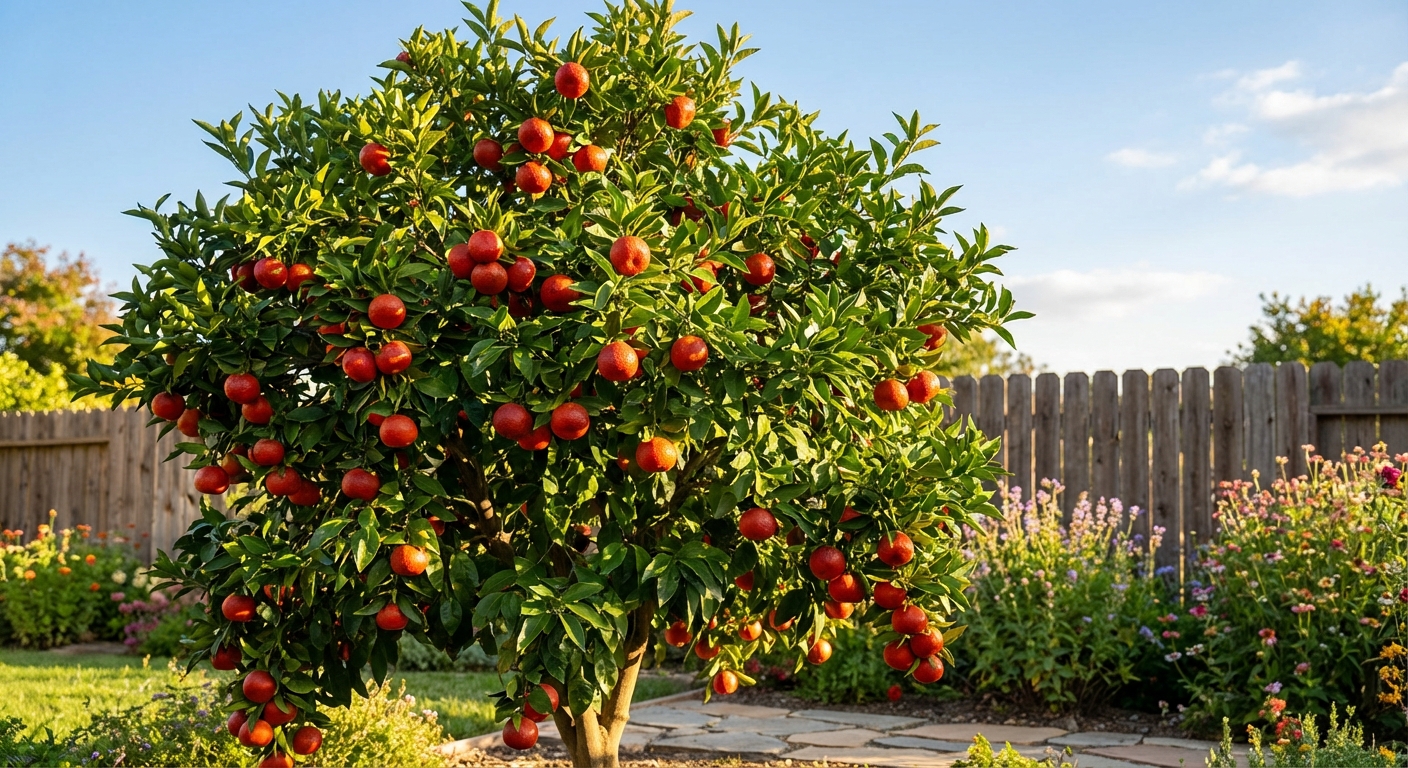
Dobashi Beni trees have what citrus experts call "medium vigor." This means they grow at a moderate pace, reaching 8-12 feet tall at maturity when planted in the ground. In containers, they stay much smaller, typically 4-6 feet tall, making them perfect for patios and small spaces.
The tree structure is typical of satsumas: slightly spreading with a rounded canopy. The branches are relatively thornless, which makes harvesting easier and safer around children. The bark is smooth and grayish-brown when young, developing more texture as the tree matures.
The leaves are what botanists call "elliptic" in shape, meaning they're oval with pointed ends. They're dark green, glossy, and about 3-4 inches long. In spring, the tree produces small white flowers with five petals and a sweet, citrusy fragrance that attracts bees and other beneficial insects.
| Characteristic | Dobashi Beni Details |
|---|---|
| Mature Height (Ground) | 8-12 feet |
| Mature Height (Container) | 4-6 feet |
| Growth Rate | Medium vigor |
| Canopy Shape | Rounded, slightly spreading |
| Thorns | Few to none |
| Leaf Size | 3-4 inches long |
| Flower Color | White |
| Bloom Time | Spring |
The medium vigor characteristic is actually an advantage for home growers. Fast-growing trees often produce less flavorful fruit because they put energy into growth rather than fruit development. Slower-growing trees typically produce higher-quality fruit with more concentrated flavors.
Dobashi Beni trees are also relatively compact, which makes them ideal for container growing. You can easily manage the size through light pruning, keeping the tree at whatever height works best for your space. The rounded canopy shape means the tree looks attractive even when not fruiting.
One thing to note: young Dobashi Beni trees may take 2-3 years to show their characteristic deep fruit color. The first fruits might look more like regular satsumas. This is normal. As the tree matures and establishes itself, the fruit color intensifies and the flavor develops fully.
The Fruit: What Makes Dobashi Beni Satsumas Extraordinary
Here's where Dobashi Beni really shines. The fruit looks different from any other satsuma you've seen. Instead of the typical pale orange color, Dobashi Beni satsumas develop a deep orange-red exterior that almost looks like a blood orange from the outside.
The size is typical for satsumas: medium, about 2-3 inches in diameter. The shape is slightly flattened, which is characteristic of the satsuma family. The peel is thin and easy to remove, just like other satsumas, but the color is dramatically different.
Cut open a Dobashi Beni satsuma and you'll see flesh that ranges from deep orange to orange-red. The segments are plump and juicy, with very few seeds (usually seedless). The texture is tender and melting, not fibrous or tough like some citrus varieties.
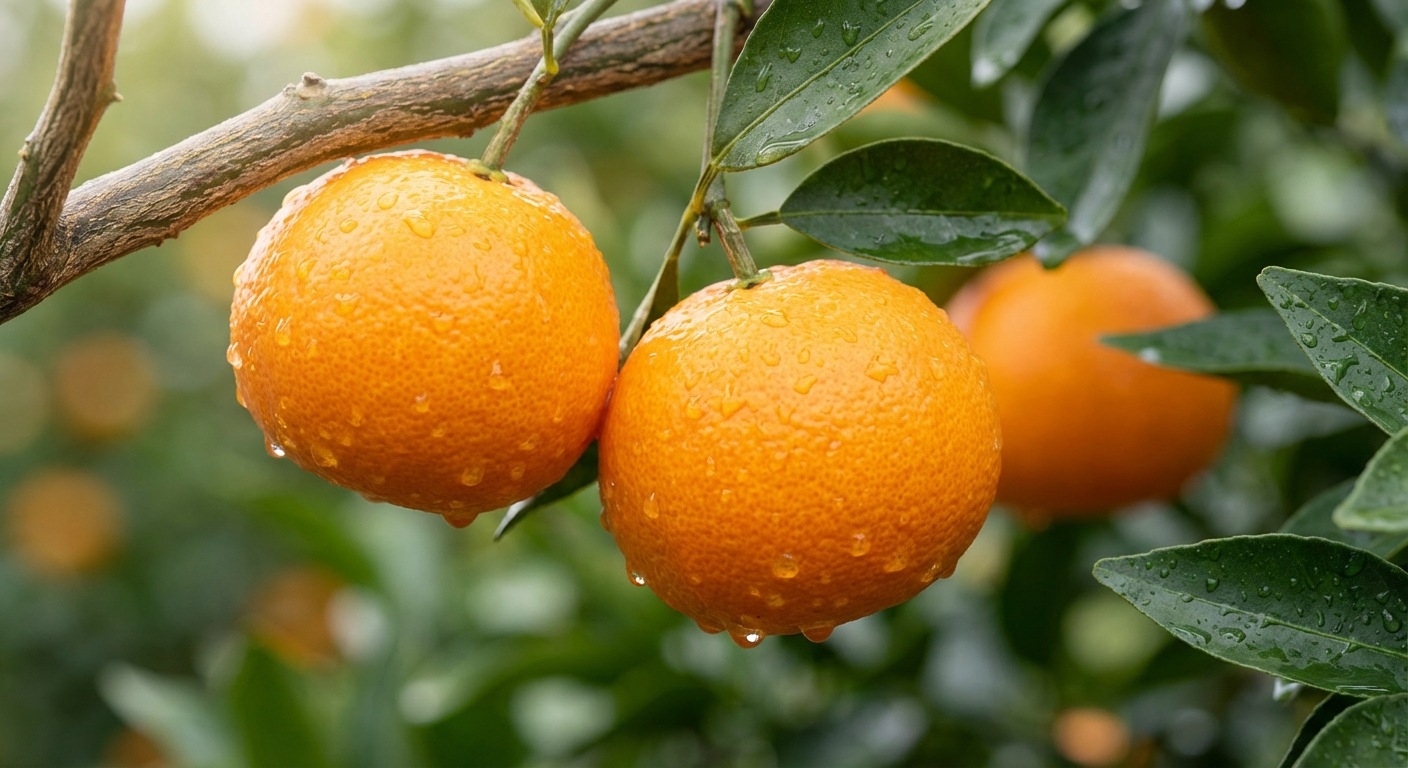
But the real difference is in the taste. Most satsumas are sweet but mild. Dobashi Beni is sweet with complexity. There's a richness to the flavor that comes from the higher levels of natural compounds responsible for the deep color. The sweetness is balanced with just enough acidity to keep it from being cloying.
The flavor profile includes hints of berry-like notes, probably from the same anthocyanins that create the red color. It's not overpowering, but it adds depth that makes each bite more interesting than regular satsumas. The aftertaste lingers pleasantly, with subtle citrus notes that develop on your palate.
Dobashi Beni satsumas ripen from late November through December, making them perfect for holiday eating. The deep color makes them beautiful in fruit bowls and holiday displays. Kids love them because they're easy to peel and naturally sweet, but adults appreciate the more complex flavor.
How to Use Dobashi Beni Satsumas in Cooking
The deep color and rich flavor of Dobashi Beni satsumas make them exceptional for culinary use. While they're delicious eaten fresh, they also excel in recipes where you want citrus flavor with visual impact.
The segments hold their shape well when cooked, making them perfect for fruit salads, desserts, and savory dishes. The deep color doesn't fade much during cooking, so your finished dishes maintain that beautiful orange-red hue.
For baking, Dobashi Beni segments work wonderfully in upside-down cakes, tarts, and muffins. The color creates visual interest, while the flavor adds complexity without overwhelming other ingredients. The natural sweetness means you can often reduce added sugar in recipes.
The juice is spectacular in cocktails and fresh drinks. The deep color creates beautiful beverages, and the rich flavor stands up well to other ingredients. Mix Dobashi Beni juice with sparkling water for a refreshing drink, or use it in holiday punches where the color adds festive appeal.
For savory cooking, the segments pair beautifully with poultry, pork, and seafood. The sweet-tart flavor balances rich meats, while the color adds visual appeal to the plate. Try them in stir-fries, glazes, or as a garnish for grilled dishes.
The zest is intensely flavorful and aromatic. Use it in baking, marinades, or anywhere you want bright citrus flavor. The essential oils in Dobashi Beni peel seem more concentrated than in regular satsumas, so use it sparingly until you know how strong it is.
One unique use is in preserves and marmalades. The deep color creates beautiful jams that look as good as they taste. The natural pectin in citrus peels means these preserves set well, and the complex flavor creates spreads that are far superior to commercial versions.
Growing Dobashi Beni Satsuma: Climate, Care & Container Tips
Growing Dobashi Beni successfully starts with understanding what this tree needs to thrive. Like all satsumas, Dobashi Beni is more cold-hardy than most citrus varieties, surviving temperatures down to 15-20°F when mature. This makes it possible to grow in USDA zones 8b-11.
If you live in zones 8b-9, you can grow Dobashi Beni outdoors year-round with some winter protection during extreme cold snaps. In zones 10-11, the tree will thrive outdoors without protection. In colder zones, container growing allows you to move the tree indoors during winter.
The key to success with any citrus tree, including Dobashi Beni, is understanding what Dr. Mani's Magic calls the Three Plant Pillars. After growing over 250,000 citrus trees at US Citrus Nursery, we've learned that three things determine whether your tree thrives or struggles.
Pillar 1: Mineral-Based Soil
Your tree's roots need oxygen more than they need water. That potting mix from the big box store? It's just pine bark sawdust that decomposes and suffocates roots. Dr. Mani's Magic Super Soil uses mineral-based ingredients that never decompose, providing permanent aeration for permanent plant health.
Pillar 2: Live Microbials
In nature, plants don't grow alone. They partner with beneficial bacteria and fungi that protect roots and unlock nutrients. Dr. Mani's Magic Plant Super Boost provides full-spectrum live microbes, not the dead powder you get from other products. Apply 2 oz per gallon monthly.
Pillar 3: Organic Fertilizer & Biostimulants
Synthetic fertilizers are salt-based and kill the beneficial microbes your tree needs. Dr. Mani's Magic Crab, Kelp & Amino Acids (7-4-4) provides all 12 essential nutrients in slow-release, organic form. Apply 1 oz per inch of trunk diameter monthly when temperatures are above 40°F.
When all three pillars are in place, your Dobashi Beni tree becomes nearly bulletproof. Miss any one, and you'll see yellowing leaves, poor fruit production, and susceptibility to pests and diseases.
| Growing Condition | Dobashi Beni Requirements |
|---|---|
| USDA Zones | 8b-11 (container: any zone) |
| Cold Tolerance | 15-20°F when mature |
| Sunlight | 6-8 hours direct sun daily |
| Soil pH | 6.0 (Super Soil is pre-adjusted) |
| Water Frequency | When top 2 inches feel dry |
| Container Size | Start 20-25 gallon, up-pot as needed |
| Harvest Time | Late November - December |
| Years to Fruit | 2-4 years from planting |
For container growing, start with a 20-25 gallon pot with drainage holes. Use only mineral-based soil like Super Soil. Never use potting mix, which will suffocate your tree's roots as it decomposes. As the tree grows, up-pot to larger containers, keeping the root ball intact.
Watering is critical but simple. Water when the top 2 inches of soil feel dry to the touch. In mineral-based soil, overwatering is nearly impossible because the soil drains immediately. Always water until you see water running from the drainage holes.
Dobashi Beni trees need 6-8 hours of direct sunlight daily for best fruit production and color development. The deep orange-red color develops best in full sun conditions. Trees grown in partial shade may produce paler fruit that doesn't show the variety's characteristic coloration.
Why Home Growers Love Dobashi Beni Satsuma Trees
Home gardeners who grow Dobashi Beni discover something special: a citrus variety that delivers both visual impact and superior flavor. This isn't just another satsuma. It's a conversation starter, a source of pride, and a connection to Japanese citrus heritage.
The rarity factor appeals to gardeners who want something unique. When friends and neighbors see the deep orange-red fruit, they always ask questions. "What kind of citrus is that?" "Where did you get it?" "Can I taste one?" Dobashi Beni gives you something special to share.
Parents love Dobashi Beni because kids are naturally drawn to the unusual color. Children who might ignore regular oranges get excited about the "red oranges" on the tree. The easy-peeling segments and sweet flavor make them perfect for lunch boxes and after-school snacks.
Serious cooks appreciate the culinary possibilities. The deep color and complex flavor open up recipe options that aren't possible with regular satsumas. Food bloggers and cooking enthusiasts use Dobashi Beni fruit in photos because the color is so photogenic.
The manageable size makes Dobashi Beni perfect for smaller spaces. The medium vigor means you're not constantly pruning to control size. The relatively thornless branches make harvesting safe and easy. The tree looks attractive year-round, not just during fruiting season.
For gardeners interested in citrus collecting, Dobashi Beni represents a true find. It's not available in big box stores or most commercial nurseries. Growing this variety connects you to a community of serious citrus enthusiasts who appreciate rare and unusual varieties.
The cold hardiness expands growing possibilities for gardeners in borderline climates. If you're in zone 8b or 9a, Dobashi Beni might be one of the few citrus varieties you can grow outdoors year-round. This opens up fresh citrus growing for people who thought they lived too far north.
Historical Oddities & Rare Facts About Dobashi Beni
Here are some fascinating facts about Dobashi Beni that most people never learn:
The Color Mystery: Scientists still don't fully understand why Dobashi Beni developed its deep color. The mutation that created this variety affected the production of specific pigment compounds, but the exact genetic mechanism remains unclear. This makes each Dobashi Beni tree a living laboratory for citrus genetics.
The Popularity Paradox: Despite having superior flavor and visual appeal, Dobashi Beni never became popular in Japan. Commercial growers preferred uniformity over quality, a pattern repeated worldwide in agriculture. This shows how commercial needs often work against the best-tasting varieties.
The Thermotherapy Rescue: When Dobashi Beni first arrived in California, it carried citrus tristeza virus. University researchers saved the variety using thermotherapy, exposing the budwood to carefully controlled heat that killed the virus without damaging the plant tissue. This high-tech rescue operation preserved a piece of citrus history.
The Rootstock Experiment: The UCR collection grows Dobashi Beni on two different rootstocks to study how rootstocks affect fruit quality. After decades of observation, both rootstocks produce excellent fruit, but subtle differences in tree vigor and cold tolerance have been noted.
The Documentation Gap: Despite being noted in 1940, Dobashi Beni wasn't properly documented and preserved until the 1970s. This 30-year gap shows how easily rare varieties can be lost if not actively preserved by dedicated individuals.
The American Advantage: Ironically, Dobashi Beni may be better preserved in American collections than in its native Japan. The systematic approach to variety preservation in the U.S. ensures that rare varieties like this don't disappear due to changing agricultural practices.
The Seasonal Perfection: Dobashi Beni ripens at the perfect time for American holidays. The deep orange-red color and late November to December harvest make these fruits ideal for Thanksgiving and Christmas displays, yet this timing is purely coincidental.
The Flavor Chemistry: The compounds that create Dobashi Beni's deep color (carotenoids and anthocyanins) are the same ones that provide antioxidant benefits. This means the better-looking fruit is also more nutritious, a perfect example of how nature often links beauty with function.
Why Dobashi Beni Satsuma Deserves a Place in Your Garden
Growing fruit trees is about more than just food production. It's about creating beauty, preserving heritage, and connecting with something larger than yourself. Dobashi Beni Satsuma offers all of this in one remarkable tree.
This variety represents a piece of living history. When you grow Dobashi Beni, you're preserving a genetic treasure that commercial agriculture has overlooked. You're maintaining biodiversity and keeping rare varieties alive for future generations.
The practical benefits are impressive too. You get cold-hardy citrus that can survive in climates where most citrus fails. You get manageable tree size that works in containers or small spaces. You get beautiful, unusual fruit that tastes better than anything you can buy in stores.
But perhaps most importantly, you get the satisfaction of growing something truly special. In a world of mass-produced, standardized fruit, Dobashi Beni offers authenticity and uniqueness. Every fruit you harvest connects you to that Japanese grower who first noticed something special in his orchard over 80 years ago.
The deep orange-red fruit creates moments of wonder. Children's eyes light up when they see the unusual color. Guests are impressed by the beautiful, flavorful fruit you can offer them. You become part of a small community of gardeners who appreciate rare and exceptional varieties.
For serious gardeners, Dobashi Beni represents an opportunity to grow something that most people will never taste. It's a variety that rewards patience and care with fruit that's truly extraordinary. When you bite into a perfectly ripe Dobashi Beni satsuma, you taste the result of decades of preservation efforts and centuries of Japanese cultivation expertise.
The tree itself becomes a conversation piece and a source of pride. Friends and neighbors will ask about the unusual fruit. Food enthusiasts will want to know where they can get their own tree. You become an ambassador for rare fruit varieties and the importance of preserving agricultural heritage.
Ready to grow this exceptional Japanese satsuma variety? Explore our citrus tree collection to discover Dobashi Beni and other rare varieties that will transform your garden into something truly special. With Dr. Mani's Magic Three Plant Pillars system, you can give your Dobashi Beni tree everything it needs to produce those gorgeous, flavorful fruits that will amaze everyone who tastes them.
Frequently Asked Questions
1. What is a Dobashi Beni Satsuma?
Dobashi Beni is a rare Japanese Satsuma mandarin variety that originated as a natural limb sport of Owari Satsuma around 1940. It is known for its unusually deep orange-red flesh, rich sweet flavor, easy-to-peel skin, and naturally seedless fruit. The variety was preserved in California through the UCR Citrus Variety Collection.
2. Why is Dobashi Beni Satsuma different from regular Satsumas?
Dobashi Beni stands out because its fruit develops a deep orange to orange-red color rather than the typical pale orange flesh of many Satsumas. It is also known for a richer, more complex flavor while retaining the easy-peeling, seedless characteristics associated with Satsumas.
3. Is Dobashi Beni Satsuma seedless?
Yes. Dobashi Beni produces naturally seedless or nearly seedless fruit, making it excellent for fresh eating. Its tender segments, easy-to-remove peel, and sweet flavor also make it particularly suitable for children and snacks.
4. When does Dobashi Beni Satsuma fruit ripen?
Dobashi Beni Satsumas typically ripen from late November through December. This late-fall to early-winter harvest makes the variety particularly attractive for Thanksgiving, Christmas, and other holiday-season meals and displays.
5. How cold hardy is a Dobashi Beni Satsuma tree?
A mature Dobashi Beni Satsuma can tolerate temperatures of approximately 15–20°F, making it one of the more cold-hardy citrus options for home gardens. It is generally suited to USDA Zones 8b–11, although young trees and trees exposed to prolonged freezing temperatures may need additional winter protection.
6. Can you grow Dobashi Beni Satsuma in a container?
Yes. Dobashi Beni is well suited to container growing because of its moderate vigor and manageable size. A mature tree can reach approximately 8–12 feet in the ground but can remain around 4–6 feet in a container with appropriate pruning and care. Use a container with excellent drainage and provide 6–8 hours of direct sunlight daily.
7. How big does a Dobashi Beni Satsuma tree get?
A Dobashi Beni Satsuma tree typically reaches 8–12 feet tall when grown in the ground. Container-grown trees generally remain smaller, around 4–6 feet tall. Its rounded, slightly spreading canopy and relatively thornless branches make it practical for home gardens and patios.
8. What type of soil does Dobashi Beni Satsuma need?
Dobashi Beni Satsuma trees need well-draining soil with good root aeration. The growing approach described by US Citrus Nursery emphasizes mineral-based soil, live beneficial microbes, and complete organic nutrition as the Three Plant Pillars. For container-grown trees, the supplied content recommends a mineral-based medium such as Dr. Mani's Magic Super Soil.
9. How much sunlight does a Dobashi Beni Satsuma tree need?
Dobashi Beni performs best with 6–8 hours of direct sunlight each day. Full sun supports healthy growth, fruit development, and the characteristic deep orange-red coloration. Trees grown with insufficient sunlight may produce fruit with less intense coloration.
10. What does Dobashi Beni Satsuma fruit taste like?
Dobashi Beni Satsumas have a rich, sweet, and complex flavor with enough acidity to balance the sweetness. Compared with standard Satsumas, the variety is described as having deeper flavor and subtle berry-like notes associated with its distinctive pigmentation. The fruit is tender, juicy, easy to peel, and excellent for fresh eating, desserts, beverages, preserves, and savory dishes.
About the Author
Ron Skaria, MD
Ron Skaria is the son of Dr. Mani. He trained as a medical doctor at Baylor College of Medicine, did his residency at UT Health Science Center - San Antonio and fellowship training at Texas Tech University. He now works full time on the family farm at US Citrus and US Citrus Nursery in Hargill, Texas, building Dr. Mani's Magic alongside his dad. He wrote the Brown Thumb Field Guide to put his father's 48 years of plant science into plain words any gardener can use. His belief is simple. You never had a brown thumb. You just never had the right help.


