


Duncan Grapefruit Tree, Florida's Original Juicy Heirloom Grapefruit
It's 1830, and a single grapefruit seed falls into Florida soil near Safety Harbor. That seed would grow into the mother tree of America's grapefruit industry. Nearly 200 years later, the Duncan Grapefruit remains the gold standard for flavor that modern seedless varieties still chase but never quite catch.
The Duncan isn't just another grapefruit tree. It's the original. The patriarch. The tree that taught America what real grapefruit should taste like. While grocery stores fill their shelves with pretty, seedless varieties that taste like watered-down disappointment, the Duncan delivers the rich, complex flavor that made grapefruit famous in the first place.
But here's what most people don't know: growing this legendary tree successfully comes down to understanding what killed so many citrus dreams before yours. It's not your fault if you've struggled with citrus trees. You've been following advice designed to sell more products, not grow healthy plants.

Organic Fertilizer | Crab, Kelp & Amino Acids (7‑4‑4) | Long-Lasting, Burn-Free Boost | Slow-Release Power for Steady Plant Growth
Key Takeaways
- Duncan Grapefruit is America's oldest grapefruit variety, planted around 1830 in Florida
- Superior flavor profile with rich, intense taste that's less bitter than modern seedless varieties
- Highly productive tree that's more cold-resistant than most grapefruit varieties
- Seedy fruit holds exceptionally well on the tree for extended harvest periods
- Thrives in containers when grown with mineral-based soil, live microbes, and organic fertilizer
- Perfect for juice, canning, and fresh eating despite having seeds
- Large, vigorous tree that can produce fruit for decades with proper care
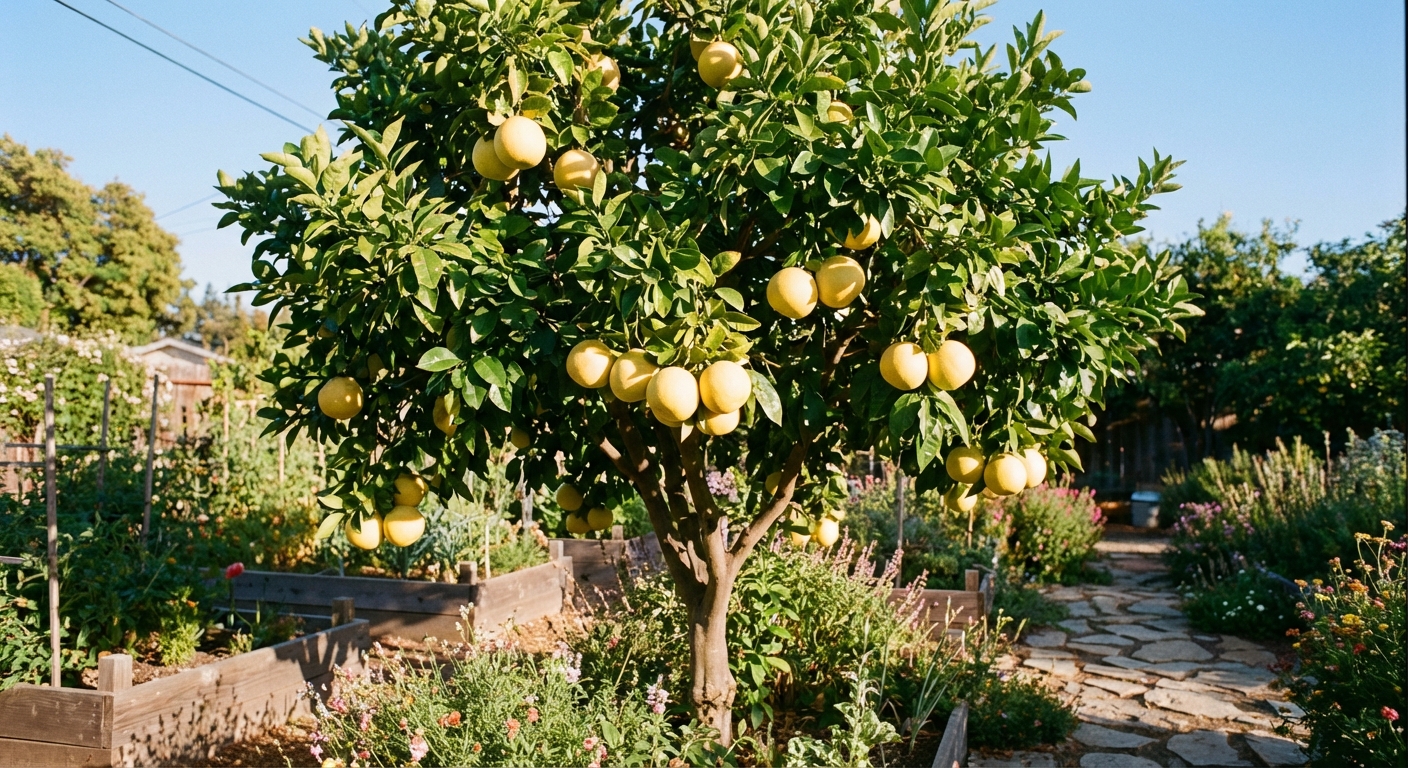
What Makes Duncan Grapefruit Special?
You've tasted modern grapefruit. Bland. Watery. Bitter without the complexity. Now imagine biting into a grapefruit that delivers waves of flavor. Sweet. Tart. Rich. Intense. That's Duncan.
The flesh is pale yellow with a buff tint, almost champagne-colored. Each segment bursts with juice. The seeds? They're there, but serious grapefruit lovers know that seeded fruit always tastes better. The seeds are nature's way of concentrating flavor and nutrition.
Modern plant breeders chased seedlessness and pretty appearance. They lost the soul of the fruit in the process. Duncan kept its soul.
Where Did Duncan Grapefruit Come From?
The story begins in the West Indies, where grapefruit first evolved. Count Odette Philippe brought grapefruit seeds to Florida from the Caribbean islands, planting them near what would become Safety Harbor on the Pinellas Peninsula.
Around 1830, one particular seedling took root. This tree grew large and vigorous, producing fruit with extraordinary flavor. For over 60 years, it remained unnamed, just "that amazing grapefruit tree near Safety Harbor."
In 1892, A. L. Duncan of nearby Dunedin recognized the tree's exceptional qualities. He began propagating it, and the variety took his name. According to the UCR Citrus Variety Collection, Duncan became the foundation of Florida's entire grapefruit industry.
Here's the amazing part: nearly every grapefruit variety grown in Florida traces back to that original planting. The seeds were polyembryonic, meaning each seed could produce multiple identical plants. Many "different" early grapefruit varieties were actually Duncan in disguise, marketed under different names.
How Duncan Grapefruit Conquered America
When grapefruit first arrived in America, people didn't know what to do with it. It was too tart for most palates accustomed to sweet oranges. But Duncan changed that perception.
The variety's superior flavor made grapefruit popular across the United States. By the early 1900s, Florida's grapefruit industry exploded, with Duncan leading the charge. The fruit shipped well, stored beautifully, and delivered consistent quality.
Railroad expansion in the late 1800s and early 1900s brought fresh Florida grapefruit to northern cities. Duncan's reputation for excellence established grapefruit as a breakfast staple across America. Hotels served it. Restaurants featured it. Families embraced it.
Then came the seedless revolution. Plant breeders developed varieties like Ruby Red and Marsh that looked prettier and were easier to eat. Duncan's market share declined, but its flavor superiority never did.
Why Duncan Grapefruit Matters in Food Culture
Real grapefruit lovers know the truth: Duncan tastes the way grapefruit is supposed to taste. It's the variety that established grapefruit's reputation for complex, satisfying flavor.
In Florida, Duncan holds legendary status. Old-timers remember when all grapefruit tasted this good. Food historians study Duncan as the variety that made grapefruit commercially viable in America.
The canning industry still prizes Duncan. When you buy premium grapefruit juice or canned grapefruit segments, there's a good chance Duncan fruit is in the mix. Its superior flavor and processing qualities make it invaluable for food manufacturers who care about taste.
Traditional Southern recipes calling for grapefruit were developed using Duncan. That tangy grapefruit salad your grandmother made? It was designed around Duncan's flavor profile. Modern seedless varieties taste flat in comparison.
What Does a Duncan Grapefruit Tree Look Like?
Duncan trees are impressive specimens. They grow large and spreading, with a vigorous growth habit that signals health and productivity. The canopy develops into a rounded, somewhat flattened shape that provides excellent fruit production surface area.
The leaves are typical citrus: dark green, glossy, and oval-shaped with a slight point. New growth emerges bright green before maturing to deeper tones. The tree produces small, white, fragrant flowers that attract beneficial insects and fill the air with citrus perfume.
What sets Duncan apart from other grapefruit varieties is its cold tolerance. While most grapefruit trees suffer damage at temperatures below 28°F, Duncan shows greater resilience. This makes it suitable for growing in areas where other grapefruit varieties fail.
| Characteristic | Duncan Grapefruit | Typical Grapefruit |
|---|---|---|
| Tree Size | Large, spreading | Medium to large |
| Cold Tolerance | Superior (most cold-resistant) | Moderate |
| Growth Rate | Vigorous | Moderate |
| Productivity | Very high | Moderate to high |
| Fruit Hold | Excellent (holds well on tree) | Good |
The tree's bark is smooth and grayish-brown. Mature trees develop a substantial trunk that can support heavy fruit loads without breaking. The root system, when grown in proper mineral-based soil, develops extensively to support the tree's vigorous growth.
Duncan Grapefruit: Taste, Texture, and Kitchen Magic
Close your eyes and imagine the perfect grapefruit. Sweet enough to enjoy fresh. Tart enough to wake up your taste buds. Complex enough to keep you coming back for more. That's Duncan.
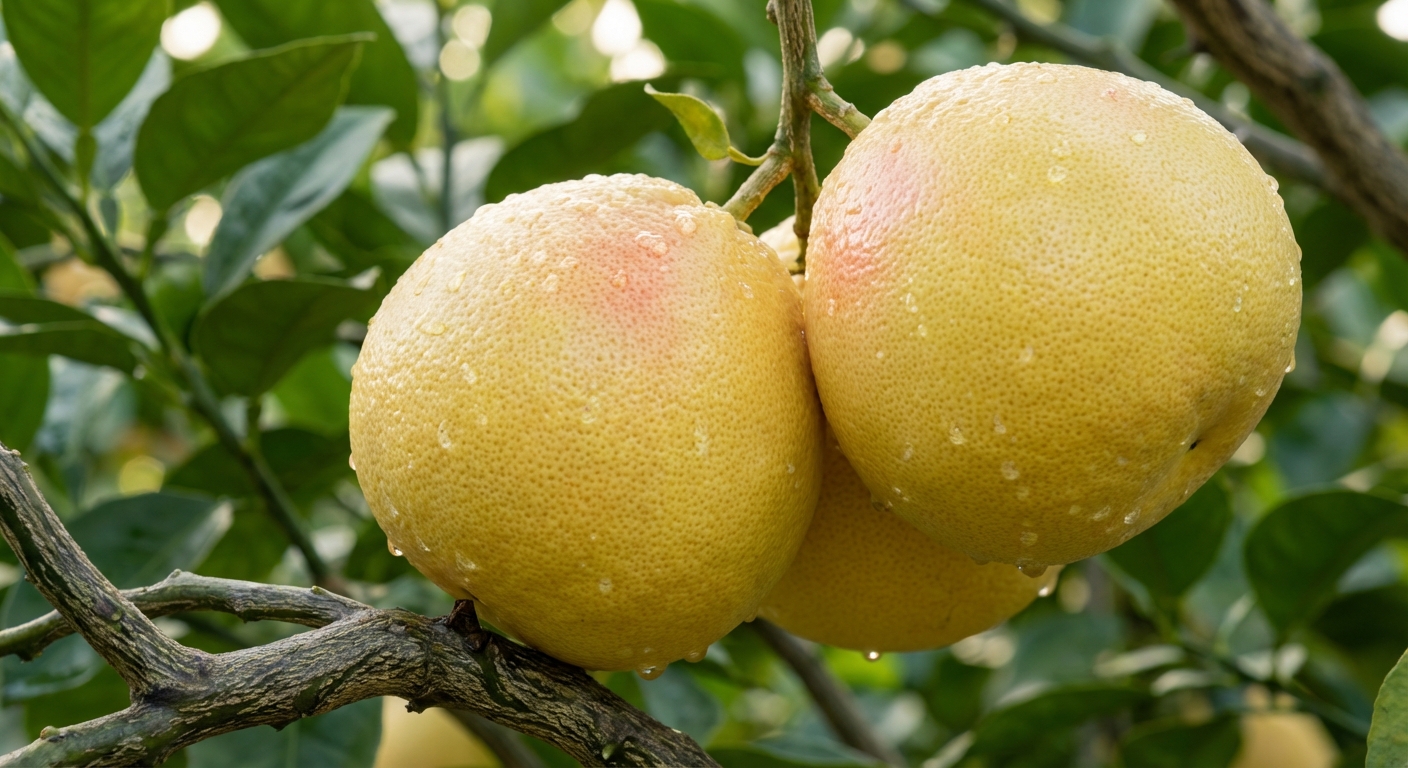
The flesh is pale yellow with buff tones, almost like champagne. Each segment is packed with juice that flows when you bite into it. The texture is tender but substantial. Not mushy like overripe fruit, not tough like underripe fruit. Perfect.
The flavor is what made Duncan legendary. It's rich and fruity with intense grapefruit character. Less bitter than modern varieties, but not sweet like candy. It tastes like real fruit, with complexity that develops as you eat it.
Yes, it has seeds. About 30-50 per fruit. But here's what seed-haters don't understand: seeded fruit always tastes better. The seeds concentrate the tree's energy into flavor development. Seedless varieties trade taste for convenience.
In the kitchen, Duncan shines:
- Fresh eating: Supreme segments with seeds removed make elegant breakfast or salad additions
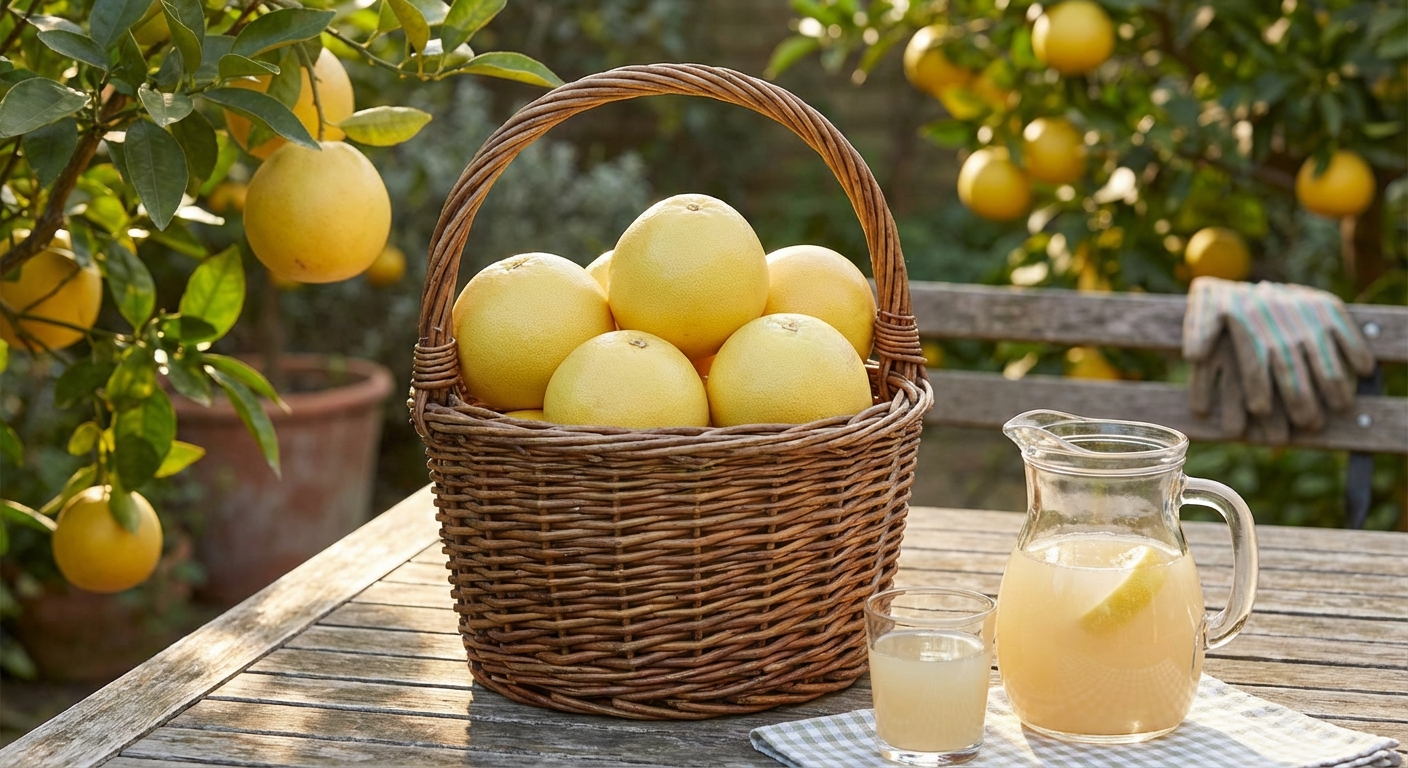
- Juicing: Superior flavor makes the best grapefruit juice you've ever tasted
- Canning: Holds its texture and flavor better than seedless varieties
- Marmalade: The thick rind and intense flavor create exceptional preserves
- Cocktails: Fresh Duncan juice elevates any grapefruit cocktail
- Cooking: The acidity balances rich dishes and tenderizes meats
How to Grow Duncan Grapefruit Successfully
Here's where most people get it wrong. They think growing citrus is complicated. It's not. The problem is following advice from people who profit from your failures.
Big Box stores want you to buy their potting mix, synthetic fertilizers, and replacement plants every year. That's their business model. Your success threatens their profits.
At US Citrus Nursery, we've grown over 250,000 citrus trees using what we call the Three Plant Pillars. This isn't common gardening wisdom. This is our proprietary system that makes citrus growing nearly foolproof.
The Three Plant Pillars for Duncan Grapefruit
Pillar 1: Mineral-Based Soil
Forget potting mix. That pine bark sawdust suffocates roots as it decomposes. Duncan needs permanent, mineral-based soil that never breaks down. Dr. Mani's Magic Super Soil contains sand, perlite, and coco coir plus biochar, fertilizer, sulfur for pH control, volcanic ash, and live microbes. It's steam-sterilized and ready to use.
This soil drains immediately but holds moisture where roots can access it. Your Duncan's roots get the oxygen they desperately need while staying properly hydrated. Root rot becomes nearly impossible.
Pillar 2: Live Microbials
Your Duncan's roots need an army of beneficial bacteria and fungi. These microbes protect against disease, unlock nutrients, and create the living soil ecosystem that keeps trees healthy.
Dr. Mani's Magic Plant Super Boost contains over 2,000 bacteria species and 400-500 fungi species harvested from natural compost. Apply 2 oz per gallon monthly. Your tree gets the full-spectrum microbial support it needs to thrive.
Pillar 3: Complete Organic Fertilizer
Duncan trees are heavy feeders that need all 12 essential nutrients. Synthetic fertilizers burn roots and kill beneficial microbes. Dr. Mani's Magic Crab, Kelp & Amino Acids (7-4-4) provides complete nutrition without salt damage.
Apply 1 oz per inch of trunk diameter monthly (skip when temperatures drop below 40°F). Your Duncan gets steady nutrition that works with soil biology, not against it.
Duncan Grapefruit Growing Conditions
| Growing Factor | Duncan Requirements | Notes |
|---|---|---|
| Temperature Range | 60-90°F optimal | More cold-tolerant than most grapefruit |
| Minimum Winter Temp | 25-28°F | Protect below 28°F |
| Sunlight | 8+ hours direct sun | More sun = better fruit quality |
| Container Size | 20+ gallon minimum | Larger containers = larger harvests |
| Watering | When top 2 inches dry | Frequency varies by temperature and humidity |
| Humidity | 40-60% ideal | Good air circulation prevents disease |
Watering Your Duncan Grapefruit Tree
Forget the "water every 5-10 days" nonsense. Your Duncan's water needs change with temperature, humidity, wind, and season. Use the drench method: water until it runs from drainage holes. Then wait until the top 2 inches of soil feel dry.
In mineral-based soil, overwatering is nearly impossible. The soil drains immediately, so roots get water and oxygen. In potting mix, overwatering is easy because it holds water like a sponge, suffocating roots.
Follow this schedule based on conditions:
- Below 60°F or indoors: Once per week
- 60-90°F, humid: Twice weekly
- 60-90°F, dry: Three times weekly
- Above 90°F, humid: Every other day
- Above 90°F, dry: Daily
Container Growing Tips
Duncan grows beautifully in containers. Start with at least a 20-gallon container with drainage holes. Bigger is better for fruit production and tree stability.
Use only mineral-based soil. Never potting mix. Position your tree where it gets maximum sunlight. Rotate the container quarterly so all sides receive equal light exposure.
As your tree grows, up-pot to larger containers. Keep the root ball intact and add fresh Super Soil around it. Never wash off the soil or disturb the roots.
Why Home Growers Fall in Love with Duncan Grapefruit
Ask anyone who grows Duncan why they love it, and you'll hear the same things over and over:
"The taste is incredible." Once you experience real grapefruit flavor, store-bought fruit tastes like disappointment. Duncan delivers the complex, satisfying taste that made grapefruit famous.
"It produces like crazy." Mature Duncan trees can produce 100-400 pounds of fruit annually. That's a lot of fresh juice, marmalade, and gifts for neighbors.
"The fruit keeps forever." Duncan grapefruit holds beautifully on the tree for months. Harvest as you need it, and it stays fresh and juicy. No rush to use it all at once.
"It's tougher than other grapefruit." Duncan's superior cold tolerance means it survives temperature drops that damage or kill other grapefruit varieties. You get more growing zones where Duncan succeeds.
"People are amazed by the flavor." Share Duncan grapefruit with friends and family. Watch their faces when they taste real grapefruit for the first time. It's a revelation.
There's something deeply satisfying about growing heirloom varieties. You're not just growing fruit. You're preserving history. Continuing a legacy. Connecting with the flavors that built America's citrus industry.
Fascinating Duncan Grapefruit Facts You Never Knew
The original Duncan parent tree lived for over 100 years. It finally succumbed to hurricane damage in the 1940s, but not before producing countless offspring that carried on its genetics.
Many early Florida grapefruit varieties were actually Duncan sold under different names. Growers would find a particularly productive Duncan tree, give it a new name, and market it as a "new variety." The Bowen variety, used extensively in citrus breeding research, was later proven to be identical to Duncan.
During World War II, Duncan grapefruit was considered essential for military nutrition. The vitamin C content and long storage life made it valuable for feeding troops in tropical climates.
Duncan's seeds are polyembryonic, meaning each seed can produce multiple plants. Some seeds produce one plant, others produce 2-4 identical seedlings. This natural cloning ability helped spread Duncan genetics throughout Florida's early citrus industry.
The variety once represented about 7% of all grapefruit planted in Florida between 1956 and 1966. As seedless varieties gained popularity, Duncan plantings declined, but its superior processing qualities kept it valuable for juice and canning industries.
Food scientists have never been able to replicate Duncan's flavor profile in seedless varieties. The complex interaction between seeds, flesh, and tree genetics creates a taste that can't be artificially reproduced.
Why Duncan Grapefruit Deserves a Place in Your Garden
You have a choice. You can keep buying mediocre grapefruit from the grocery store, wondering why it doesn't taste like you remember. Or you can grow the variety that set the standard for grapefruit excellence nearly 200 years ago.
Duncan isn't just another citrus tree. It's living history. A direct connection to the founding of America's citrus industry. When you bite into Duncan grapefruit from your own tree, you're tasting the same flavors that made grapefruit famous.
The seeds don't matter when the flavor is this good. The extra effort to remove them is worth it for the superior taste. Your family will thank you. Your friends will be amazed. You'll wonder why you waited so long to experience real grapefruit.
This tree produces for decades when grown properly. It's not an annual expense like vegetables. It's a long-term investment in fresh, flavorful fruit that gets better every year.
Duncan represents everything that's right about heirloom varieties. Exceptional flavor. Proven performance. Historical significance. Natural resilience. You can't buy these qualities in modern, mass-produced varieties.
Ready to experience the grapefruit that started it all? Browse our citrus collection and discover why serious fruit growers choose heritage varieties that deliver on flavor, not just appearance.
Your Duncan Grapefruit tree is waiting. The same genetics that amazed Count Philippe in the 1830s. The same flavor that built Florida's citrus empire. The same satisfaction that comes from growing something truly exceptional.
Don't settle for ordinary when you can grow legendary.
Frequently Asked Questions
1. What is a Duncan grapefruit?
Duncan grapefruit is a historic Florida grapefruit variety known for its rich, complex flavor, pale yellow flesh, high juice content, and excellent processing qualities. The variety originated from a grapefruit seedling planted near Safety Harbor, Florida, around 1830 and became one of the foundational varieties of Florida's grapefruit industry.
2. Where did Duncan grapefruit originate?
Duncan grapefruit originated near Safety Harbor on Florida's Pinellas Peninsula around 1830. Count Odette Philippe brought grapefruit seeds from the West Indies to Florida, and one of the resulting seedlings became the parent tree of the Duncan variety. A. L. Duncan of nearby Dunedin later propagated the tree, giving the variety its name.
3. Why is Duncan grapefruit considered better tasting than seedless grapefruit?
Duncan grapefruit is prized for its rich, intense, sweet-tart flavor and complex grapefruit character. Although it contains many seeds, its flavor and juice quality are considered major advantages. Modern seedless varieties were developed largely for convenience, while Duncan remains valued for fresh eating, juice, canning, and processing.
4. Does Duncan grapefruit have seeds?
Yes. Duncan grapefruit is a seedy grapefruit variety, typically containing numerous seeds per fruit. Its seeds are one of the main differences between Duncan and modern seedless varieties such as Marsh and Ruby Red. Despite the seeds, Duncan is highly regarded for its exceptional flavor and juice quality.
5. How cold hardy is a Duncan grapefruit tree?
Duncan grapefruit is considered more cold-tolerant than many other grapefruit varieties. The tree can generally tolerate temperatures around 25–28°F better than less hardy grapefruit varieties, although protection is recommended when temperatures approach or fall below 28°F.
6. How big does a Duncan grapefruit tree get?
A Duncan grapefruit tree is a large, vigorous, spreading citrus tree when grown outdoors under favorable conditions. Mature trees can develop a broad canopy and substantial trunk capable of supporting heavy fruit crops. In containers, its size can be controlled with appropriate container sizing and pruning.
7. When does Duncan grapefruit ripen?
Duncan grapefruit has a relatively long harvest window and holds well on the tree after reaching maturity. This allows growers to harvest fruit over an extended period rather than picking the entire crop at once. The exact ripening and harvest timing depends on local climate and growing conditions.
8. Can you grow a Duncan grapefruit tree in a container?
Yes, Duncan grapefruit can be successfully grown in containers. Start with a container of at least 20 gallons and provide excellent drainage, abundant sunlight, and appropriate nutrition. As the tree grows, move it into a larger container to provide additional root space and support greater fruit production.
9. How do you care for a Duncan grapefruit tree?
Duncan grapefruit trees need full sun, well-draining soil, consistent moisture, and regular nutrition. The growing system described in the article emphasizes three fundamentals: mineral-based soil, live microbial support, and complete organic fertilizer. Water thoroughly when the top 2 inches of soil become dry, allowing excess water to drain from the container.
10. What can you use Duncan grapefruit for?
Duncan grapefruit is exceptionally versatile and can be used for fresh eating, juicing, canning, marmalade, cocktails, salads, and cooking. Its intense grapefruit flavor and high juice content make it particularly valuable for fresh grapefruit juice and processed products. The fruit also holds its texture and flavor well when canned.
About the Author
Ron Skaria, MD
Ron Skaria is the son of Dr. Mani. He trained as a medical doctor at Baylor College of Medicine, did his residency at UT Health Science Center - San Antonio and fellowship training at Texas Tech University. He now works full time on the family farm at US Citrus and US Citrus Nursery in Hargill, Texas, building Dr. Mani's Magic alongside his dad. He wrote the Brown Thumb Field Guide to put his father's 48 years of plant science into plain words any gardener can use. His belief is simple. You never had a brown thumb. You just never had the right help.


