


Etrog Citron Tree: Sacred Biblical Citrus with Ancient History
You're holding a fruit that has been treasured for over 3,000 years. A fruit so sacred that perfect specimens can sell for hundreds of dollars. A fruit mentioned in the Bible and central to Jewish religious ceremonies for millennia.
This is the Etrog Citron, and it's unlike any citrus tree you've ever encountered.
Most people have never heard of the Etrog, yet it's one of the oldest cultivated citrus fruits on Earth. While your neighbors are growing ordinary lemons and oranges, you could be cultivating a piece of living history that connects you to ancient traditions, biblical times, and centuries of careful preservation.

Etrog Citron Tree
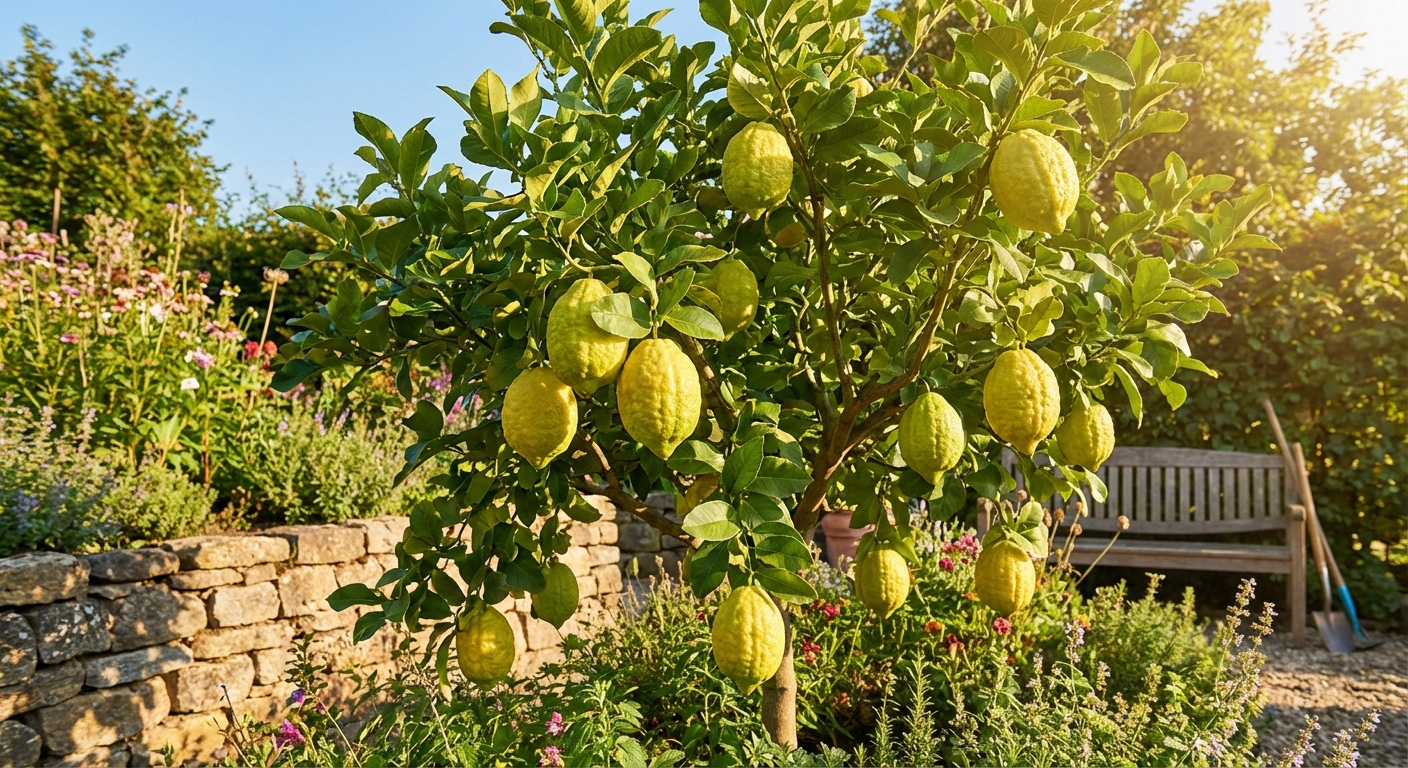
The Etrog Citron tree produces massive, bumpy fruits that smell like violets and carry more cultural weight than any other citrus. These aren't just fruits. They're artifacts. Sacred objects. Living connections to our past.
Key Takeaways
- The Etrog Citron is mentioned in the Bible and used in Jewish Sukkot celebrations for over 2,000 years
- Perfect ritual fruits can sell for $100+ each, making this one of the most valuable citrus varieties
- Trees must be grown from their own roots (never grafted) to maintain religious authenticity
- Fruits are larger than lemons with thick, bumpy rinds and a distinctive violet fragrance from beta-ionone
- Multiple cultivars exist, including Diamante, Assads, and various Israeli selections
- Harvest season for ritual use runs from late July through October's Sukkot holiday
- The rind is prized for preserves, flavoring, and culinary applications beyond religious use
What Makes the Etrog Citron So Special?
The Etrog isn't just another citrus tree. It's a living bridge between the ancient world and your backyard.
When you bite into a store-bought lemon, you're tasting mass production. When you hold an Etrog, you're touching thousands of years of careful cultivation, religious devotion, and cultural preservation. These trees have survived empires, migrations, and countless generations of careful tending.
The fruit itself defies everything you think you know about citrus. It's massive compared to lemons, often 6-8 inches long. The rind is incredibly thick and bumpy, almost prehistoric looking. And the smell? Pure magic. That violet fragrance comes from beta-ionone, a compound that makes each Etrog smell like a garden in bloom.
Where Did the Etrog Citron Come From?
The Etrog's story begins in the ancient world, probably in India or Southeast Asia, where wild citrons first grew in mountain valleys and river basins. But the Etrog as we know it today was shaped by human hands in the Mediterranean.
By 3,000 years ago, the Etrog had reached the Middle East. The ancient Hebrews encountered this remarkable fruit and recognized something special. They called it "pri etz hadar" (fruit of the goodly tree) and made it central to their harvest celebrations.
The UCR Citrus Variety Collection traces modern Etrog cultivation through Israel, where dedicated growers have maintained pure bloodlines for generations. These aren't just fruit trees. They're genetic time capsules, preserved with religious precision.
Unlike other citrus that spread through trade and conquest, the Etrog spread through faith. Jewish communities carried Etrog trees and seeds wherever they went, from Babylon to Spain to Eastern Europe. Each community developed its own preferred varieties, but all maintained the sacred requirement: these trees could never be grafted.
How Did Etrog Trees Reach America?
The Etrog's journey to America tells the story of immigration, religious freedom, and botanical determination.
In the late 1800s and early 1900s, Jewish immigrants brought Etrog seeds and cuttings to America. They faced a huge challenge: how do you grow a Mediterranean tree in New York winters or California heat? Many attempts failed. Trees died. Sacred bloodlines were lost.
But some growers persisted. They learned that Etrogs needed protection from frost, careful watering, and most importantly, the right soil. In California's coastal regions, dedicated growers finally succeeded in establishing American Etrog orchards.
Today, California produces some of the world's finest ritual Etrogs. From Santa Barbara to San Diego, small family groves maintain thousand-year-old traditions using modern growing techniques.
What Role Does the Etrog Play in Religious and Cultural Traditions?
The Etrog holds a unique place in Jewish religious life that no other fruit can claim.
Every fall, during the Sukkot harvest festival, observant Jews around the world perform a ritual that hasn't changed in over 2,000 years. They hold four species together: an Etrog (the fruit), a palm branch, myrtle branches, and willow branches. This ceremony, called "taking the four species," connects them to biblical commandments and seasonal cycles.
But here's what makes the Etrog special: it must be perfect. Absolutely perfect. No blemishes, no scars, no irregularities. The shape must be just right, often described as resembling a candle flame. The pittam (the small protrusion where the flower was) should ideally remain intact.
This demand for perfection creates one of agriculture's most challenging markets. Etrog growers know that maybe 5% of their crop will meet ritual standards. Those perfect fruits can sell for $100, $200, even $500 each. The rest become culinary Etrogs, still valuable but not sacred.
Different Jewish communities prefer different Etrog varieties. Ashkenazi Jews often prefer the Diamante variety from Italy. Sephardic Jews might choose Moroccan Assads varieties. Israeli communities have developed their own selections: Braverman, Halperin, Kibilevitch. Each variety carries its own history and characteristics.
What Does an Etrog Citron Tree Look Like?
Etrog trees look different from other citrus trees in ways that immediately catch your attention.
These are small, shrubby trees with an open, almost wild growth pattern. They don't grow in neat, organized shapes like commercial citrus. Instead, they sprawl and branch irregularly, creating interesting architectural forms.
The leaves tell their own story. They're oblong and pointed, but with a rumpled, textured surface that feels different from smooth lemon leaves. The margins are serrated, giving them a slightly jagged edge. New growth often emerges with purple tints, especially on the stems and flower buds.
When Etrog trees bloom, the flowers are larger than typical citrus blossoms and often flushed with purple. The fragrance is intense and complex, mixing citrus oils with floral notes.
The trees are notably sensitive to cold. While a Meyer lemon might survive a light frost, Etrog trees need protection at the first hint of cold weather. This sensitivity is part of what makes them challenging but rewarding to grow.
| Characteristic | Etrog Citron | Standard Lemon |
|---|---|---|
| Tree Size | Small, shrubby (8-12 feet) | Medium (12-20 feet) |
| Growth Habit | Open, irregular | Dense, rounded |
| Leaf Texture | Rumpled, serrated | Smooth, entire |
| Cold Tolerance | Very sensitive (28°F+) | Moderately sensitive (25°F+) |
| New Growth Color | Purple-tinted | Green |
What Do Etrog Fruits Taste Like and How Are They Used?
Etrog fruits challenge everything you expect from citrus. They're not meant to be eaten like oranges or juiced like lemons. They're something entirely different.
The fruit is massive, often 6-8 inches long and weighing over a pound. The shape varies by variety but often resembles a large, bumpy lemon that's been stretched into an oval or flame-like form. The rind is incredibly thick, sometimes taking up 80% of the fruit's volume.
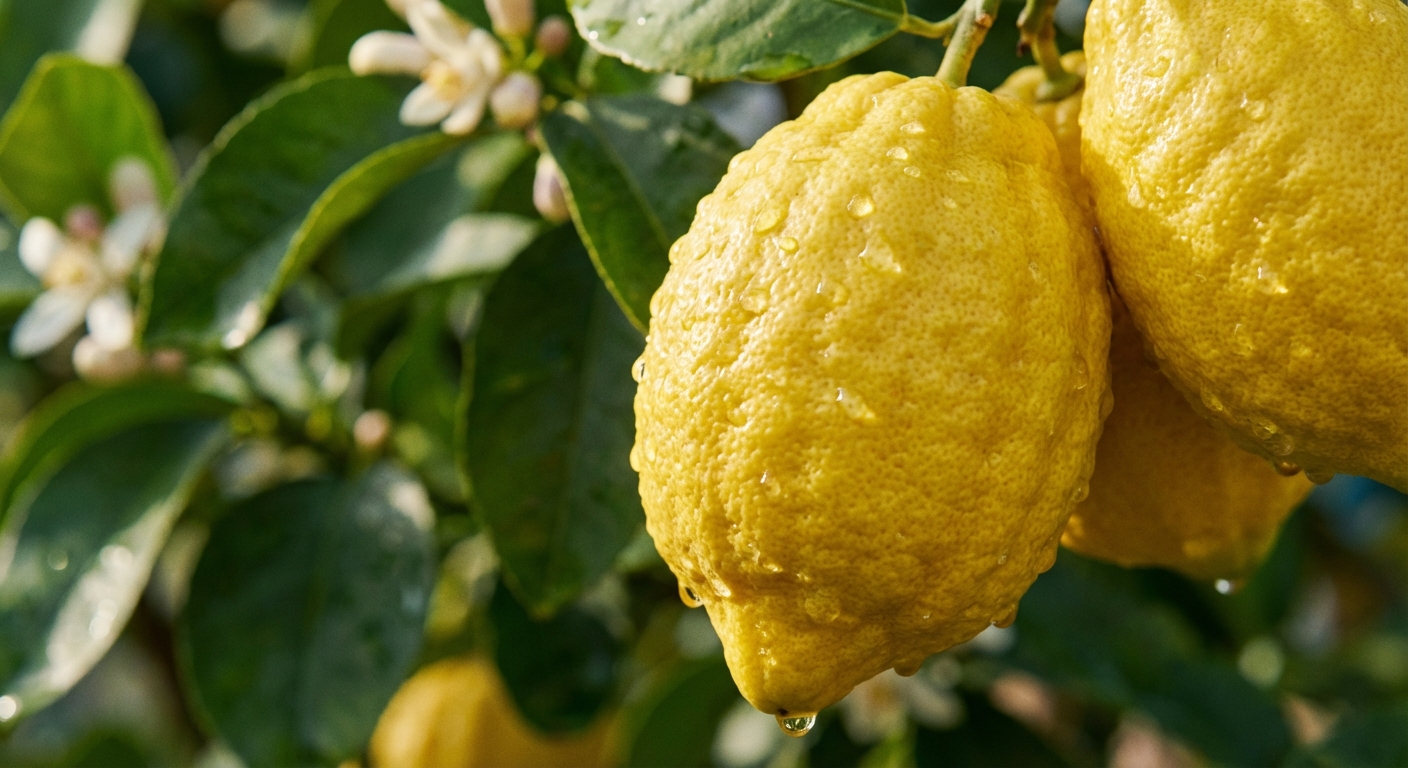
That thick rind is where the magic happens. It's intensely fragrant with a complex aroma that combines citrus oils with violet-like notes from beta-ionone. When you scratch the surface, the smell fills the entire room.
The pulp itself is pale yellow and very acidic, but there's not much of it. Unlike juicy lemons or oranges, Etrogs are mostly rind with just a small amount of seedy, tart flesh in the center.
But the rind is the treasure. Etrog rind makes extraordinary preserves, candied peels, and flavoring agents. Mediterranean and Middle Eastern cuisines have developed dozens of traditional Etrog recipes:
- Etrog preserves and marmalades with complex, floral notes
- Candied Etrog peel as a dessert or garnish
- Etrog liqueurs and flavored spirits
- Grated Etrog rind as a flavoring for cakes and pastries
- Etrog-infused honey for special occasions
The culinary uses go far beyond sweets. In Moroccan cuisine, Etrog rind flavors tagines and meat dishes. Italian cooks use Diamante Etrog rind in both sweet and savory applications.
How Do You Grow Etrog Citron Trees Successfully?
Growing Etrogs successfully requires understanding their unique needs and respecting their ancient requirements.
First, the sacred rule: for ritual use, Etrogs must grow on their own roots. No grafting allowed. This means starting from seeds or cuttings from authenticated trees. It also means accepting that your tree might be less vigorous than grafted citrus, but infinitely more authentic.
Etrogs need protection from cold more than any other citrus. In most of the United States, this means container growing with winter protection. They thrive in coastal California, South Florida, and similar mild climates, but everywhere else requires careful management.
The soil requirements align perfectly with US Citrus Nursery's Three Plant Pillars system:
Pillar 1: Mineral-Based Soil - Etrogs need perfect drainage and permanent soil structure. Dr. Mani's Magic Super Soil provides the mineral-based foundation that never decomposes, giving your Etrog roots the oxygen they need for decades of healthy growth.
Pillar 2: Live Microbials - The complex root system of ungrafted Etrogs depends on beneficial bacteria and fungi. Plant Super Boost delivers full-spectrum microbes that protect roots and unlock nutrients naturally.
Pillar 3: Organic Fertilizer - Etrogs are heavy feeders that need complete nutrition without salt damage. Crab, Kelp & Amino Acids (7-4-4) provides all 12 essential nutrients in slow-release form that works with your soil biology.
| Growing Condition | Etrog Requirement | USCN Solution |
|---|---|---|
| Soil Type | Fast-draining, permanent | Super Soil mineral blend |
| Root Health | Must avoid grafting, need protection | Plant Super Boost microbes |
| Nutrition | Complete, gentle, long-term | CKAA organic fertilizer |
| pH Level | 6.0-6.5 optimal | Super Soil pre-adjusted |
| Drainage | Critical, never waterlogged | Perlite and sand base |
Watering follows the standard citrus schedule, but with extra attention to soil moisture. Check the top 2 inches daily during hot weather. Water thoroughly when dry, allowing complete drainage.
Container size matters more for Etrogs than other citrus. These trees develop extensive root systems and need room to spread. Start with at least a 20-gallon container and plan to up-pot every 2-3 years.
Why Do Home Growers Choose Etrog Citron Trees?
Home growers who discover Etrogs never go back to ordinary citrus. There's something magical about growing a tree with this much history and significance.
The practical benefits are impressive. One perfect ritual Etrog can sell for more than most people spend on groceries in a week. Even imperfect fruits make extraordinary preserves and culinary ingredients you can't buy anywhere.
But the emotional rewards run deeper. You're preserving genetic heritage that goes back thousands of years. You're maintaining traditions that have survived empires and migrations. Every fruit your tree produces connects you to an unbroken chain of careful growers.
The fragrance alone justifies growing Etrogs. That violet-citrus scent from beta-ionone is unlike anything else in the plant kingdom. During harvest season, your entire yard smells like an exotic garden.
For families with Jewish heritage, growing your own Etrog creates profound connections to tradition. Children who grow up with an Etrog tree understand their cultural history in ways that no textbook can teach.
Even non-Jewish growers find Etrogs fascinating. These trees are conversation starters, botanical curiosities, and living history lessons all in one package.
What Are Some Fascinating Facts About Etrog Trees?
The Etrog world is full of surprises that most people never discover.
Perfect ritual Etrogs are so valuable that some growers employ armed guards during harvest season. Israeli Etrog farms use sophisticated security systems to protect their crops from theft.
The word "Etrog" has multiple meanings in Hebrew. It can refer to any citron, but when religious Jews say "Etrog," they mean specifically the varieties suitable for Sukkot ritual use. This distinction has created centuries of botanical and religious debates.
Some Etrog varieties produce fruits that weigh over 5 pounds. These giants are too large for ritual use but make spectacular preserves and conversation pieces.
The famous rabbi known as the Chazon Ish (1878-1953) was so particular about Etrog authenticity that he would examine trees personally and declare "That is an Etrog" only for specimens that met his exacting standards. His endorsements are still remembered and referenced today.
Etrog trees can live for decades, even centuries. Some groves in Israel trace their trees back 200+ years, maintaining unbroken genetic lines from ancient times.
The beta-ionone compound that gives Etrogs their violet fragrance is also found in expensive perfumes. Some cosmetic companies actually extract this compound from Etrog rinds for high-end fragrances.
During World War II, Jewish communities went to extraordinary lengths to obtain Etrogs for Sukkot celebrations. Some were smuggled across war zones, hidden from authorities, and protected like family heirlooms.
Why Does the Etrog Citron Tree Deserve a Place in Your Garden?
The Etrog Citron tree offers something no other fruit tree can: a direct connection to biblical times and living history.
When you plant an Etrog, you're not just adding another fruit tree to your collection. You're becoming a custodian of genetic heritage that has been carefully preserved for thousands of years. You're joining a community of growers who understand that some things are more valuable than convenience or ease.
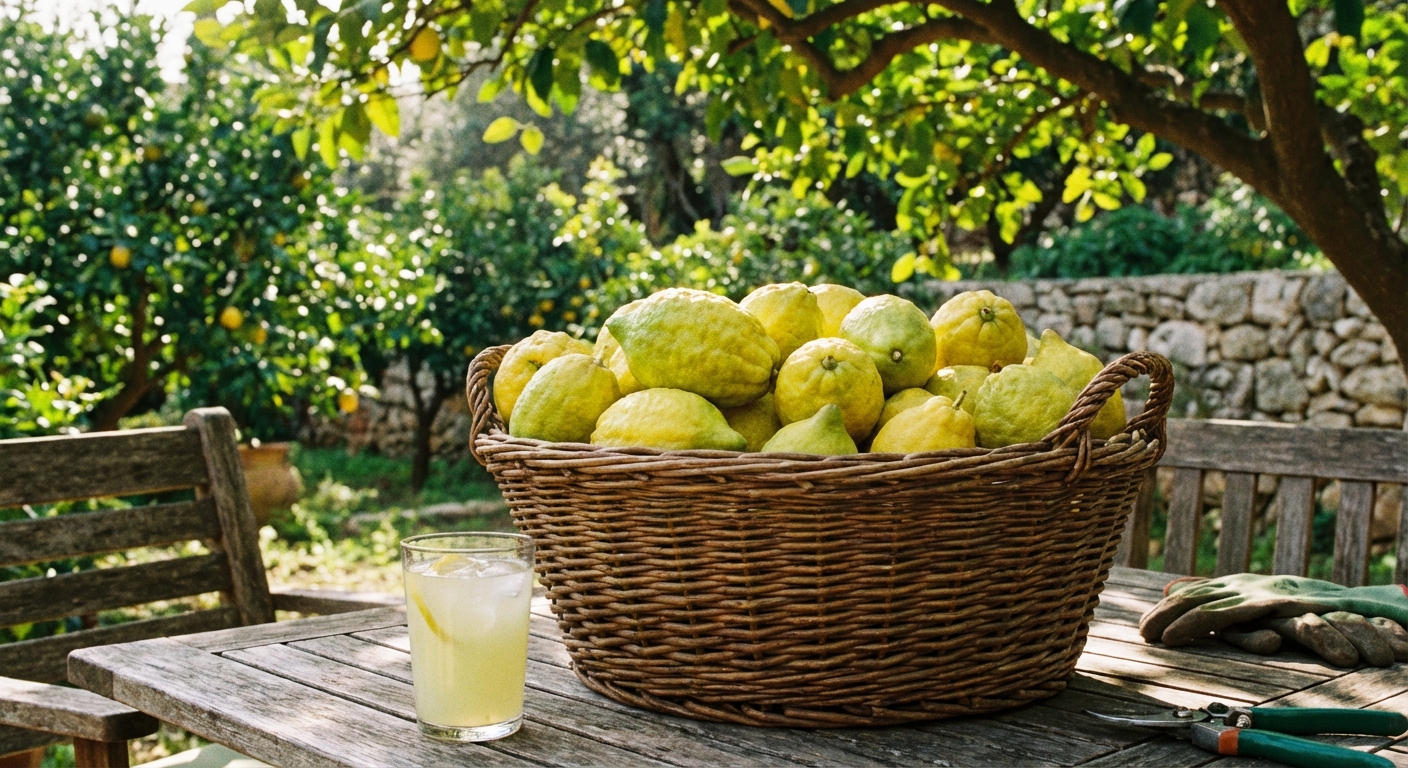
The practical benefits are substantial. Even if you never sell a single fruit for ritual use, the culinary possibilities alone justify the space. Etrog preserves, candied peels, and flavored spirits are gourmet products that money can't buy in stores.
The fragrance transforms your entire garden during growing season. That distinctive violet-citrus scent creates an atmosphere that visitors never forget.
For children, an Etrog tree provides hands-on education about history, religion, botany, and cultural preservation. These lessons stick with them for life.
The Etrog challenges you as a grower. These trees demand attention to detail, respect for their requirements, and patience with their unique growth patterns. But they reward careful tending with fruits that have literally been treasured for millennia.
Growing your own Etrogs also means never worrying about authenticity. You know the heritage, you control the growing conditions, and you can maintain the sacred requirement of own-root cultivation.
Ready to grow your own piece of biblical history? The Etrog Citron Tree from US Citrus Nursery comes from authenticated stock, grown in Dr. Mani's Magic Super Soil to ensure healthy root development from day one.
With US Citrus Nursery's Three Plant Pillars support system, your Etrog will have everything it needs to produce those legendary, fragrant fruits that connect your garden to thousands of years of sacred tradition. Explore our complete citrus collection and discover why serious growers choose trees that come with both exceptional genetics and the soil science to support them for decades to come.
Frequently Asked Questions
1. What is an Etrog Citron?
The Etrog Citron is an ancient citrus variety traditionally used during the Jewish festival of Sukkot. Known for its large, thick, bumpy rind and distinctive violet-like fragrance, the Etrog has been cultivated and preserved for thousands of years and holds significant religious and cultural importance.
2. What is an Etrog Citron used for?
Etrog Citron is primarily used as one of the Four Species during the Jewish holiday of Sukkot. Outside religious ceremonies, the thick aromatic rind is used to make preserves, marmalade, candied peel, desserts, flavorings, and other culinary products.
3. Why is the Etrog Citron important during Sukkot?
The Etrog is one of the Four Species used during Sukkot, together with a palm branch, myrtle branches, and willow branches. During the holiday, these species are held together as part of a traditional ritual rooted in biblical commandments and preserved through generations of Jewish tradition.
4. Why are some Etrog Citron fruits so expensive?
Ritual-quality Etrogs must meet extremely strict standards for appearance, shape, and physical condition. Fruits with blemishes, scars, or damaged features may not qualify for ritual use. Because only a small percentage of a crop may meet these standards, exceptionally high-quality Etrogs can command prices of $100 or more.
5. What does an Etrog Citron fruit look like?
An Etrog Citron is typically much larger than a kumquat and can reach approximately 6–8 inches in length. The fruit has a very thick, bumpy rind and may have an elongated or flame-like shape. Its aromatic rind can produce a distinctive violet-like fragrance.
6. What does Etrog Citron taste like?
Etrog Citron has relatively little juicy pulp compared with its thick rind. The flesh is pale yellow, acidic, and seedy, while the rind is the primary culinary attraction. The fragrant peel can be used in preserves, candied citrus peel, desserts, and savory dishes.
7. Can you eat an Etrog Citron?
Yes, Etrog Citron can be used as a culinary fruit, although it is not typically eaten like a juicy orange or lemon. Its thick, highly aromatic rind is especially valuable for making preserves, candied peel, marmalades, flavorings, and other specialty foods.
8. Do Etrog Citron trees need to be grown from their own roots?
For Etrogs intended for religious ritual use, own-root cultivation is an important traditional requirement. The supplied content states that ritual Etrogs should not be grafted and should instead be grown from authenticated seeds or cuttings to preserve the desired heritage and authenticity.
9. How cold hardy is an Etrog Citron tree?
Etrog Citron trees are highly sensitive to cold and generally require protection when temperatures approach freezing. The supplied growing guide describes approximately 28°F and below as a significant cold-risk point, making container growing with winter protection useful in colder regions.
10. How do you grow an Etrog Citron tree at home?
Grow an Etrog Citron in well-draining soil, provide plenty of sunlight, protect it from frost, and maintain consistent but controlled watering. For ritual-quality fruit, use an authenticated own-root tree rather than a grafted plant. Container growing is particularly useful in climates where winter temperatures are too cold for the tree to remain outdoors year-round.
About the Author
Ron Skaria, MD
Ron Skaria is the son of Dr. Mani. He trained as a medical doctor at Baylor College of Medicine, did his residency at UT Health Science Center - San Antonio and fellowship training at Texas Tech University. He now works full time on the family farm at US Citrus and US Citrus Nursery in Hargill, Texas, building Dr. Mani's Magic alongside his dad. He wrote the Brown Thumb Field Guide to put his father's 48 years of plant science into plain words any gardener can use. His belief is simple. You never had a brown thumb. You just never had the right help.


