


Moro Blood Orange Tree: Deep Sicilian Red Orange with Wild Berry Flavor
Cutting into an orange and discovering flesh so dark red it looks almost purple. That's the magic of the Moro Blood Orange Tree. This isn't your ordinary backyard orange tree. It's a piece of living Sicilian history that produces the most intensely colored citrus fruit you'll ever taste.
The Moro blood orange stands apart from every other citrus variety because of its dramatic anthocyanin pigments. These are the same compounds that give purple grapes and red wine their deep colors. But in the Moro, they create something extraordinary: flesh so richly pigmented it can become almost violet-red by peak season.
What makes this tree even more special? It's the earliest ripening blood orange variety. While other citrus trees are still developing their fruit, your Moro is ready to harvest by January. That means fresh, homegrown blood oranges for your winter breakfast table when store-bought citrus costs the most.

Organic Fertilizer | Crab, Kelp & Amino Acids (7‑4‑4) | Long-Lasting, Burn-Free Boost | Slow-Release Power for Steady Plant Growth
Key Takeaways
- Moro blood oranges develop the deepest red flesh of any citrus variety due to anthocyanin pigments
- This is the earliest ripening blood orange, typically ready in January at peak flavor
- Fruit grows in clusters of three or more, making it highly productive for home growers
- The variety originated in Sicily and thrives in warm inland climates
- Trees are compact and spreading, perfect for container growing
- Flesh color develops even in coastal areas where rind pigmentation may not appear
- Best flavor develops in warm climates with proper soil, microbes, and organic nutrition
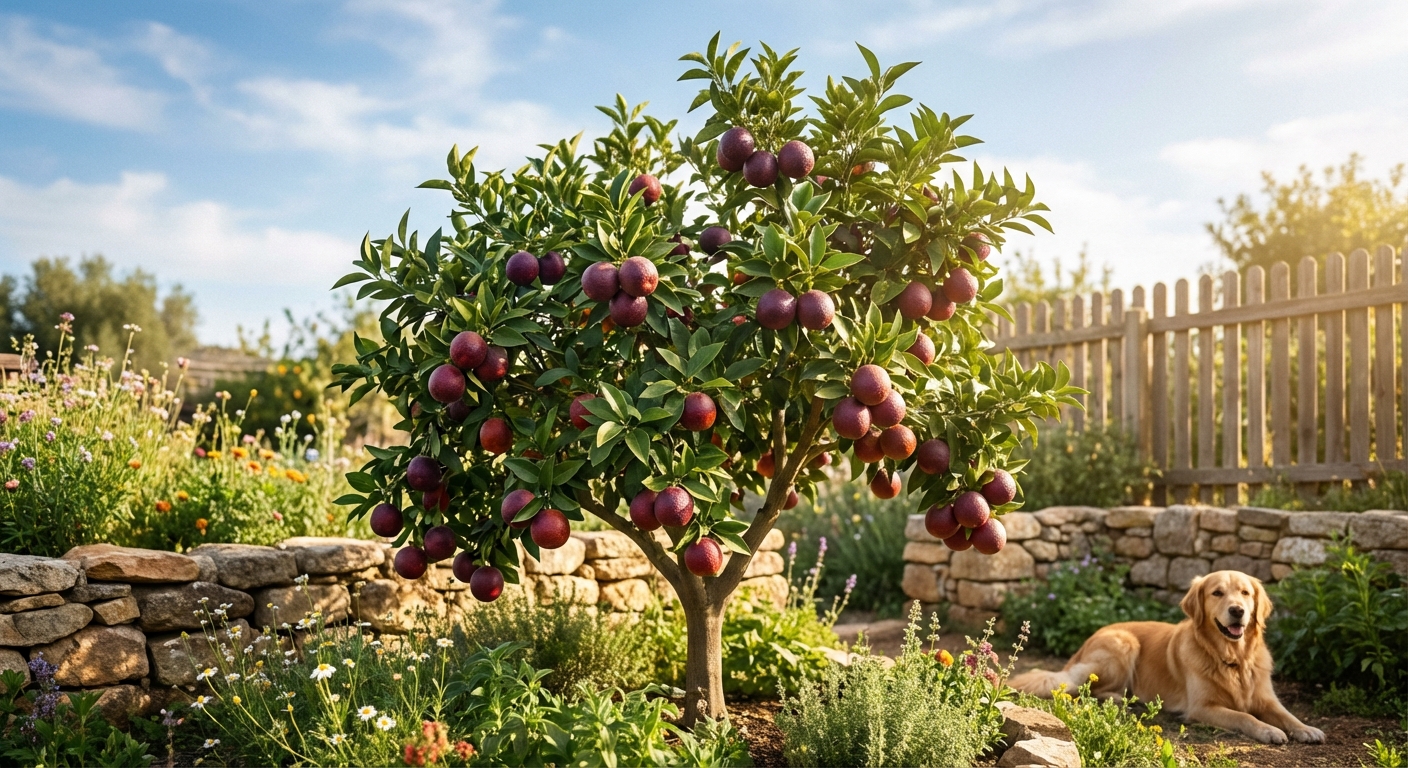
What Makes the Moro Blood Orange So Special?
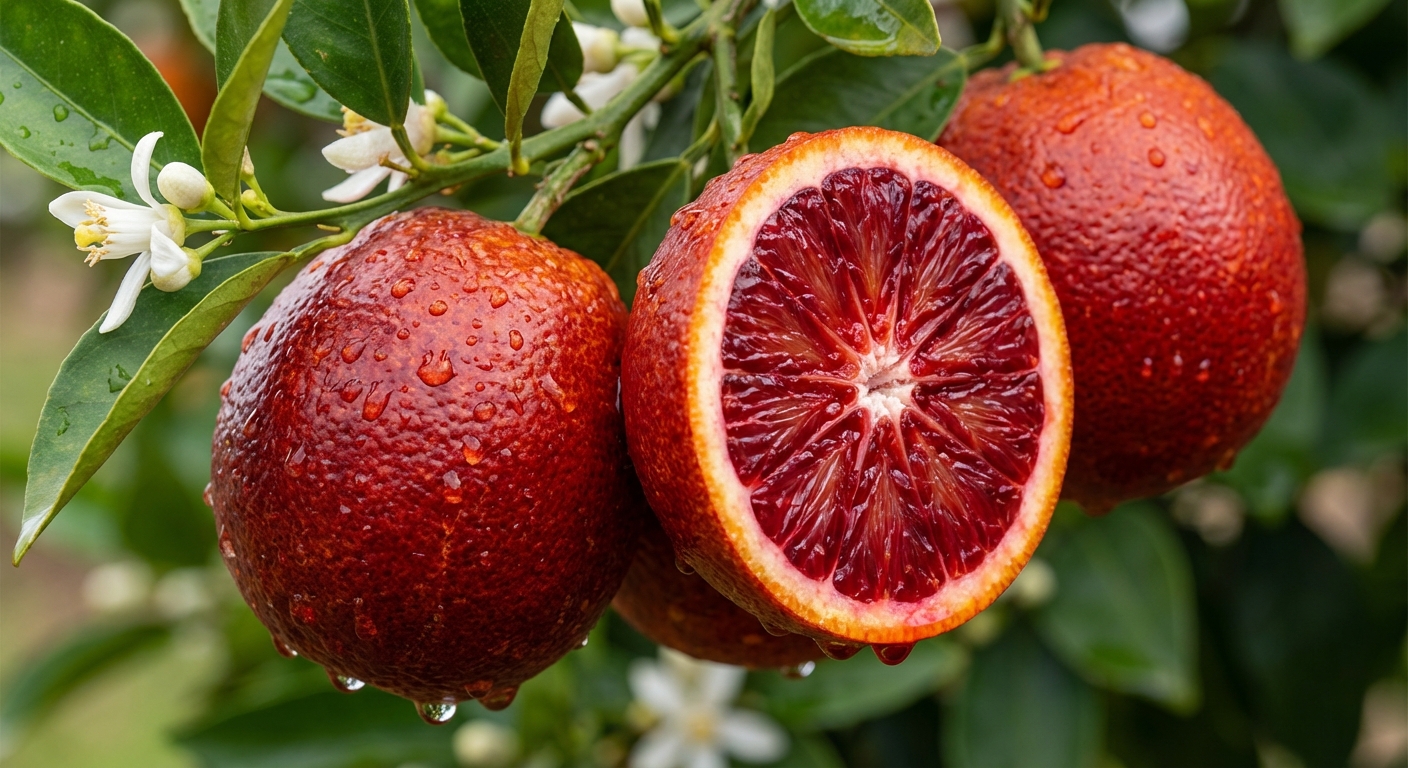
The Moro blood orange isn't just another citrus variety. It's nature's most dramatic fruit transformation. While the outside may look like a regular orange with just a hint of pink blush, cutting it open reveals an interior that ranges from deep red to almost purple.
This incredible coloration comes from anthocyanins, the same pigments found in red wine grapes, blueberries, and purple cabbage. But the Moro takes this pigmentation further than any other citrus. According to research from the UCR Citrus Variety Collection, the Moro is "the most highly-colored of the blood oranges" and belongs to the "deep blood group" of citrus varieties.
What's fascinating is how the color develops. The pigmentation starts early and builds throughout the season. By late winter, the flesh can become so dark it's almost violet. This makes every Moro orange you harvest a visual surprise.
Ancient Origins: How Sicily Created This Citrus Masterpiece
The story of the Moro blood orange begins in the volcanic soils of Sicily. This variety developed naturally in the Mediterranean climate where hot, dry summers and mild winters created the perfect conditions for anthocyanin development.
Blood oranges as a group originated from natural mutations of sweet oranges. The Moro specifically is believed to have developed from the Sanguinello Moscato variety in Sicily. These mutations occurred when temperature fluctuations triggered the production of anthocyanin pigments in the fruit flesh.
Sicily's unique geography played a crucial role. The island sits between Europe and Africa, creating temperature swings that encouraged pigment development. The volcanic soil from Mount Etna provided minerals that supported healthy tree growth. Most importantly, the warm inland valleys gave the perfect climate for maximum color and flavor development.
For centuries, Sicilian farmers recognized that certain orange trees produced fruit with red flesh. They carefully selected and propagated these special varieties, eventually developing the distinct Moro we know today.
Journey to the Americas: From Sicily to Your Backyard
The Moro blood orange's journey to America began in the early 1900s when citrus researchers recognized its commercial potential. Unlike many citrus varieties that arrived with Spanish colonizers, blood oranges came much later through organized agricultural programs.
The United States Department of Agriculture brought Moro blood orange budwood to California in the 1930s as part of their citrus improvement program. Researchers at the University of California, Riverside began testing how well these Sicilian varieties would perform in California's Mediterranean climate.
What they discovered changed American citrus growing forever. The Moro not only adapted well to California conditions, but it actually developed better internal coloration than many varieties grown in coastal Mediterranean regions. California's warm inland valleys mimicked the conditions that made Sicily perfect for blood orange production.
By the 1960s, the Moro had become "the most common of the pigmented oranges marketed in the United States." Commercial groves in California's Central Valley began producing these distinctive fruits for specialty markets, introducing American consumers to the unique flavor and appearance of blood oranges.
Cultural Significance: More Than Just Another Orange
In Sicily, blood oranges aren't just fruit. They're part of the island's cultural identity. The Moro, along with other blood orange varieties, represents centuries of agricultural tradition and local pride.
Sicilian families have passed down blood orange trees through generations. These trees often grow in family courtyards, providing fresh fruit for winter months when other crops are dormant. The deep red juice became a symbol of vitality and health during the cold season.
Blood oranges also play a role in traditional Mediterranean cuisine. The unique flavor profile, with hints of berry and wine-like complexity, makes them prized for both eating fresh and culinary applications. Sicilian granita made with blood orange juice becomes an almost purple delicacy.
In America, blood oranges have become symbols of sophisticated taste and culinary adventure. Home cooks prize them for their dramatic appearance in salads, desserts, and cocktails. The Moro's early ripening season makes it especially valuable for winter entertaining when colorful fresh fruit is scarce.
Botanical Characteristics: Understanding Your Moro Tree
The Moro blood orange tree has distinct characteristics that make it ideal for home growing. Understanding these traits helps you provide the best care and get maximum production from your tree.
| Characteristic | Description |
|---|---|
| Tree Size | Moderate vigor, medium size (8-12 feet mature height) |
| Growth Habit | Round, spreading canopy with somewhat drooping branches |
| Leaves | Dark green, oval-shaped with prominent midrib |
| Thorns | Few to moderate thorns on young growth |
| Flowers | White, fragrant, typical citrus blossoms |
| Fruit Bearing | Clusters of 3 or more fruits, very productive |
The tree's moderate size makes it perfect for container growing. Unlike some citrus varieties that become large and unwieldy, the Moro stays manageable while still producing abundant fruit. The spreading growth habit means branches naturally space themselves for good light penetration and air circulation.
One unique characteristic is how the fruit grows in clusters. While many citrus varieties produce single fruits or pairs, Moro oranges often develop in groups of three to five. This clustering behavior significantly increases your harvest from a single tree.
The foliage is typically dark green and healthy-looking when the tree receives proper nutrition. Leaves are medium-sized with a glossy finish that reflects the tree's overall health. During flowering season, the tree becomes covered in intensely fragrant white blossoms that attract beneficial pollinators.
The Fruit: A Sensory Experience Like No Other
Moro blood oranges deliver a sensory experience that regular oranges simply cannot match. The fruit develops characteristics that make it unique among all citrus varieties.
Size-wise, Moro oranges are medium to medium-large, typically 2.5 to 3 inches in diameter. The shape is generally round to slightly oblong, with a somewhat flattened bottom and top. The base often shows slight furrowing, giving each fruit a distinctive appearance.
The rind starts orange but develops pink to burgundy blushing as the season progresses. However, external coloration varies significantly based on climate. In coastal areas, you might see little external red coloring, while inland locations produce dramatic burgundy streaking across the peel.
Inside is where the magic happens. The flesh ranges from deep red to almost violet, with coloration that intensifies throughout the harvest season. Early in the season, you might find medium red coloring. By peak ripeness, the flesh becomes so dark it's almost purple.
The flavor combines classic orange sweetness with complex berry notes. Many people describe tasting hints of raspberry, cranberry, or even wine-like complexity. This unique flavor profile makes Moro blood oranges prized for both fresh eating and culinary applications.
Texture-wise, the fruit is juicy with relatively few seeds. The flesh segments separate easily, making them perfect for eating fresh or adding to salads and desserts.
Growing Your Moro Blood Orange Tree: Climate and Care Requirements
Growing a successful Moro blood orange tree starts with understanding its climate preferences and care requirements. This variety has specific needs that, when met, result in abundant harvests of deeply colored, flavorful fruit.
The Moro performs best in warm, inland climates where temperature swings encourage anthocyanin development. Coastal areas often produce fruit with excellent flavor but less dramatic coloration. The ideal growing conditions include hot summers, mild winters, and good air circulation.
| Growing Requirement | Optimal Conditions | Acceptable Range |
|---|---|---|
| Temperature Range | 60-85°F growing season | 40-95°F with protection |
| Chill Hours | 0-100 hours below 45°F | Up to 200 hours |
| Sunlight | 8+ hours direct sun | 6 hours minimum |
| Humidity | 40-60% relative humidity | 30-70% acceptable |
| Wind Protection | Sheltered from strong winds | Some wind tolerance when established |
For maximum color development, your Moro needs those warm days and cool nights that trigger anthocyanin production. This is why the variety performs so well in California's Central Valley and similar inland Mediterranean climates.
Container growing works exceptionally well for Moro blood orange trees. The moderate size and spreading habit make them ideal candidates for large pots or planters. Container growing also allows you to move the tree to optimal locations for sun exposure and protection from extreme weather.
When growing in containers, success depends on US Citrus Nursery's Three Plant Pillars system. This isn't just good advice. It's the foundation that separates thriving trees from struggling ones.
The first pillar is mineral-based soil that never decomposes. Dr. Mani's Magic Super Soil provides the permanent structure your Moro's roots need. Unlike potting mix that suffocates roots as it breaks down, mineral-based soil maintains oxygen flow for years.
The second pillar involves live microbials that create a thriving root zone ecosystem. Plant Super Boost delivers full-spectrum bacteria and fungi that protect roots, unlock nutrients, and build resilience against stress.
The third pillar is complete organic nutrition through Crab, Kelp & Amino Acids (7-4-4). This provides all 12 essential nutrients your Moro needs without the salt damage that synthetic fertilizers cause.
When all three pillars are in place, your Moro blood orange tree develops the strong root system needed to support heavy fruit production and develop maximum color intensity.
Why Home Growers Fall in Love with Moro Blood Orange Trees
Home growers who plant Moro blood orange trees often say it becomes their favorite citrus variety. There are several reasons why this tree creates such passionate advocates.
First is the harvest timing. The Moro ripens in January and February, right when store-bought citrus costs the most and quality is often poorest. Having tree-fresh blood oranges during winter months feels like a luxury that money can't buy.
The productivity amazes people. Because fruit grows in clusters, even a young tree can produce impressive harvests. A mature Moro in ideal conditions can yield 50-100 pounds of fruit annually. That's enough blood oranges for fresh eating, juicing, cooking, and sharing with neighbors.
Visual impact creates another strong attraction. When guests see you cutting into what looks like a regular orange only to reveal deep red flesh, the reaction is always memorable. It's like performing magic in your own kitchen.
The flavor complexity keeps people coming back. Once you taste the berry-like notes and wine complexity of a fresh Moro, regular oranges seem one-dimensional. The unique flavor profile opens up culinary possibilities that don't exist with standard citrus.
Container-friendly size makes the Moro accessible to people who thought they couldn't grow citrus. Urban gardeners with patios, balconies, or small yards find they can successfully grow this tree in large containers.
Finally, the conversation starter aspect can't be understated. A Moro blood orange tree becomes a focal point in any garden. The clustering fruit, spreading canopy, and unique harvest create endless opportunities to share your gardening success with others.
Historical Oddities and Rare Facts About Blood Oranges
The world of blood oranges contains fascinating stories and surprising facts that most people never learn. These details make the Moro even more interesting as both a botanical specimen and cultural artifact.
The anthocyanin pigments that create the red coloration are actually the plant's natural sunscreen. In high-stress environments, citrus trees produce these compounds to protect fruit from UV damage and temperature extremes. This means the deepest colored Moro oranges often come from trees experiencing just the right amount of beneficial stress.
Blood orange juice was once used as a natural dye. Before synthetic colors, Mediterranean cultures used concentrated blood orange juice to color fabrics, particularly in shades of pink and light red. The natural anthocyanins created colorfast dyes that lasted for years.
Medieval European nobility prized blood oranges as exotic luxuries. The red flesh was seen as almost supernatural, and these fruits commanded prices equivalent to precious gems. Only the wealthy could afford to import them from Sicily and southern Spain.
The Moro's clustering habit is actually a genetic trait that breeders have tried unsuccessfully to transfer to other citrus varieties. This natural tendency to produce multiple fruits per flower cluster makes it one of the most productive citrus varieties per tree size.
Blood oranges contain higher levels of vitamin C than regular oranges, partly due to the same anthocyanin compounds that create the red coloration. These antioxidants provide additional health benefits beyond standard citrus nutrition.
The variety almost disappeared during World War II when many Sicilian groves were damaged or abandoned. Post-war recovery efforts specifically focused on preserving blood orange varieties as part of Sicily's agricultural heritage.
Modern molecular research has revealed that blood oranges like the Moro contain unique flavonoids not found in other citrus. These compounds contribute to both the distinctive flavor and potential health benefits that set blood oranges apart from regular citrus.
Culinary Adventures: What to Do with Your Moro Harvest
A mature Moro blood orange tree produces more fruit than most families can eat fresh. This abundance opens up exciting culinary possibilities that take advantage of the unique flavor and dramatic color.
Fresh eating remains the most popular use. The complex flavor profile with berry notes and wine-like undertones makes each Moro orange a gourmet experience. Many people describe it as eating liquid sunshine with a sophisticated twist.
Juicing creates one of the most visually striking beverages you can serve. Fresh Moro juice ranges from deep red to almost purple, creating cocktails and breakfast drinks that look as amazing as they taste. The natural anthocyanins provide antioxidant benefits beyond regular orange juice.
Salad applications showcase both flavor and visual appeal. Moro segments add bursts of color and complex flavor to winter salads when other fresh options are limited. The segments hold their shape well and don't overwhelm delicate greens.
Dessert possibilities are endless. Blood orange curd, sorbets, and gelatos take on stunning colors naturally. The unique flavor profile complements chocolate, vanilla, and cream-based desserts in ways that regular oranges cannot match.
Preserve making extends your harvest throughout the year. Blood orange marmalade develops colors ranging from deep amber to burgundy, depending on cooking time and technique. The natural pectin in citrus peels creates perfect gel consistency.
Cocktail applications have made blood oranges trendy in craft bars. The dramatic color and complex flavor profile create signature drinks that regular citrus cannot duplicate. From blood orange martinis to sophisticated spritzers, the possibilities are extensive.
Container Growing Success: Making the Most of Limited Space
The Moro blood orange tree's moderate size and spreading habit make it exceptionally well-suited for container growing. This opens up citrus growing possibilities for people with limited yard space or challenging climate conditions.
Container size matters significantly for long-term success. Your Moro needs room for root development to support heavy fruit production. Start with at least a 20-gallon container, planning to up-pot to 40-50 gallons as the tree matures.
Drainage becomes critical in container growing. Unlike trees planted in the ground, containers can become waterlogged quickly. This is where the Three Plant Pillars system proves essential for container success.
Dr. Mani's Magic Super Soil provides the mineral-based structure that drains immediately while retaining just enough moisture for root health. The permanent nature means you never need to replace the soil, just up-pot to larger containers as your tree grows.
Live microbials from Plant Super Boost become even more important in containers. The restricted root zone means your tree depends on beneficial bacteria and fungi to maximize nutrient uptake from the available soil volume.
Organic fertilization through Crab, Kelp & Amino Acids provides complete nutrition without salt buildup that can quickly damage container-grown trees. The slow-release formula feeds consistently without creating the boom-bust cycles that stress citrus trees.
Mobility advantages allow you to optimize growing conditions throughout the seasons. Move your container to capture maximum sunlight, protect from extreme weather, or showcase the tree during harvest season.
Year-round production becomes possible in marginal climates when you can move containers into protected areas during cold snaps or extreme heat. This extends the growing range significantly beyond traditional citrus zones.
Why the Moro Blood Orange Tree Deserves a Place in Your Garden
After growing over 250,000 citrus trees at our South Texas nursery, we've learned which varieties consistently deliver satisfaction to home growers. The Moro blood orange tree ranks among the most rewarding citrus varieties you can plant.
The combination of early harvest timing, dramatic fruit appearance, complex flavor, and reliable production creates a citrus experience that regular orange varieties simply cannot match. When you bite into a fresh Moro from your own tree in January, you'll understand why this variety has maintained its popularity for over a century.
Container-friendly size means almost anyone can grow this tree successfully. Whether you have a large backyard, small patio, or even a sunny balcony, the Moro adapts to your space while still producing meaningful harvests.
The conversation-starter aspect adds social value beyond just fruit production. Your Moro blood orange tree becomes a focal point that creates opportunities to share your gardening success and unique harvest with friends and neighbors.
Most importantly, growing your own Moro connects you to centuries of Mediterranean agricultural tradition while providing fresh, gourmet fruit when store-bought options are most expensive and lowest quality.
Success with citrus growing comes down to providing the right foundation from the start. The Three Plant Pillars system gives your Moro blood orange tree everything it needs to develop strong roots, resist stress, and produce abundant harvests of deeply colored, flavorful fruit.
Ready to experience the magic of growing your own blood oranges? Browse our citrus collection to find the perfect Moro blood orange tree for your space. With the right care and our proven growing system, you'll be harvesting dramatic, delicious blood oranges from your own backyard sooner than you think.


