


Murcott Honey Mandarin Tree, the Sweet Tangerine with Moroccan
Imagine biting into a mandarin so sweet and juicy that it rivals candy. That's the W. Murcott Afourer mandarin, often called simply "Afourer" or "Murcott Honey." This isn't your average grocery store mandarin. This is a citrus tree with a mysterious past, a journey across continents, and fruit so exceptional that commercial growers trademarked specific strains.
The story begins in Morocco. A chance seedling from an unknown cross. A letter written in 1984 that would change American citrus forever. And a tree that produces some of the sweetest, most flavorful mandarins you'll ever taste.
But here's what makes this tree special for home growers: it's nearly seedless when grown alone, easy to peel, and holds its fruit on the tree for months without losing quality. Plus, it thrives in containers with the right care.

Organic Fertilizer | Crab, Kelp & Amino Acids (7‑4‑4) | Long-Lasting, Burn-Free Boost | Slow-Release Power for Steady Plant Growth
Key Takeaways
- W. Murcott Afourer is a tangor (mandarin-orange hybrid) that originated as a chance seedling in Morocco
- The fruit is nearly seedless when not cross-pollinated, with easy-to-peel skin and incredibly sweet flesh
- Ripens January through March and holds exceptionally well on the tree
- Different from the original Murcott Honey variety, despite similar names and characteristics
- Moderate-sized tree perfect for container growing with proper soil, microbes, and nutrition
- Susceptible to alternate bearing but produces consistently with good care
- Commercial varieties include the trademarked "Delite" strain for its exceptional seedless quality
What Makes the W. Murcott Afourer So Special?
The W. Murcott Afourer mandarin represents everything citrus lovers dream about. Sweet, juicy flesh that bursts with flavor. Skin that peels away effortlessly. Virtually no seeds to interrupt your eating experience. And fruit that stays perfect on the tree for months, giving you fresh mandarins throughout winter and early spring.
This isn't just another mandarin variety. It's a genetic lottery winner. A chance hybrid that combined the best traits of mandarin and orange into something extraordinary. The result? Fruit so good that commercial growers fight over the rights to grow specific strains.
The name confusion tells the story of its success. "W. Murcott," "Afourer," "Murcott Honey," and "Delite" all refer to related but distinct varieties. Each represents a chapter in this mandarin's journey from Moroccan discovery to American commercial success.
Where Did This Mandarin Come From?
The W. Murcott Afourer's story begins with a mystery in Morocco. According to research from the UCR Citrus Variety Collection, this variety originated as a chance seedling from a Murcott tree, likely pollinated by an unknown variety.
Dr. El-Bachir Nadori, a Moroccan citrus researcher, discovered this exceptional seedling and recognized its potential. In 1984, he wrote a letter to George White at the USDA describing the "AFOURER, W. Murcott" as having "less seeds, better fruit coloration than Murcott Honey and easily peelable."
That letter changed everything. By 1985, budwood arrived in California. By 1993, the variety was released through the Citrus Clonal Protection Program for commercial propagation. What started as one exceptional tree in Morocco became a cornerstone of modern mandarin production.
The term "tangor" comes from early 20th-century citrus classification by Webber and Swingle. They coined the term to describe hybrids between mandarins and oranges. The W. Murcott Afourer fits this category perfectly, combining mandarin ease of peeling with orange sweetness and size.
How Did It Reach American Gardens?
The journey from Morocco to your backyard involved decades of careful propagation and testing. The USDA's citrus importation program brought budwood to the University of California's Riverside campus in 1985. There, researchers grafted the material onto test rootstocks and observed its performance under California conditions.
The results exceeded expectations. The fruit showed excellent quality, good tree vigor, and adaptability to various growing conditions. Most importantly, it maintained the exceptional eating quality that first caught Dr. Nadori's attention in Morocco.
California citrus nurseries gained access to propagation material in January 1993. From there, the variety spread to commercial groves and eventually to home gardeners seeking something special for their citrus tree collections.
The variety's success spawned trademark protection. Tom Mulholland trademarked his seedless strain as "Delite," recognizing the commercial value of guaranteed seedless fruit. This shows how exceptional this variety truly is when growers invest in legal protection for specific strains.
Why Does This Mandarin Matter to Families?
The W. Murcott Afourer isn't just about commercial success. It's about family moments. Picture this: January morning, frost on the grass, but your mandarin tree is loaded with bright orange fruit. You pick a few for breakfast, and the kids fight over who gets the sweetest one.
This variety ripens during winter months when fresh, local fruit is scarce. While grocery stores stock imported citrus of questionable quality, your tree provides fruit so fresh and flavorful it makes store-bought mandarins taste like cardboard.
The nearly seedless characteristic makes these mandarins perfect for children's lunches. No spitting out seeds, no mess, just pure eating pleasure. Parents love the vitamin C boost during cold and flu season. Kids love the candy-like sweetness.
In many Mediterranean cultures, citrus trees symbolize abundance and hospitality. Having a W. Murcott Afourer in your yard continues this tradition, providing fresh fruit to share with neighbors and guests throughout the winter months.
What Does the Tree Look Like?
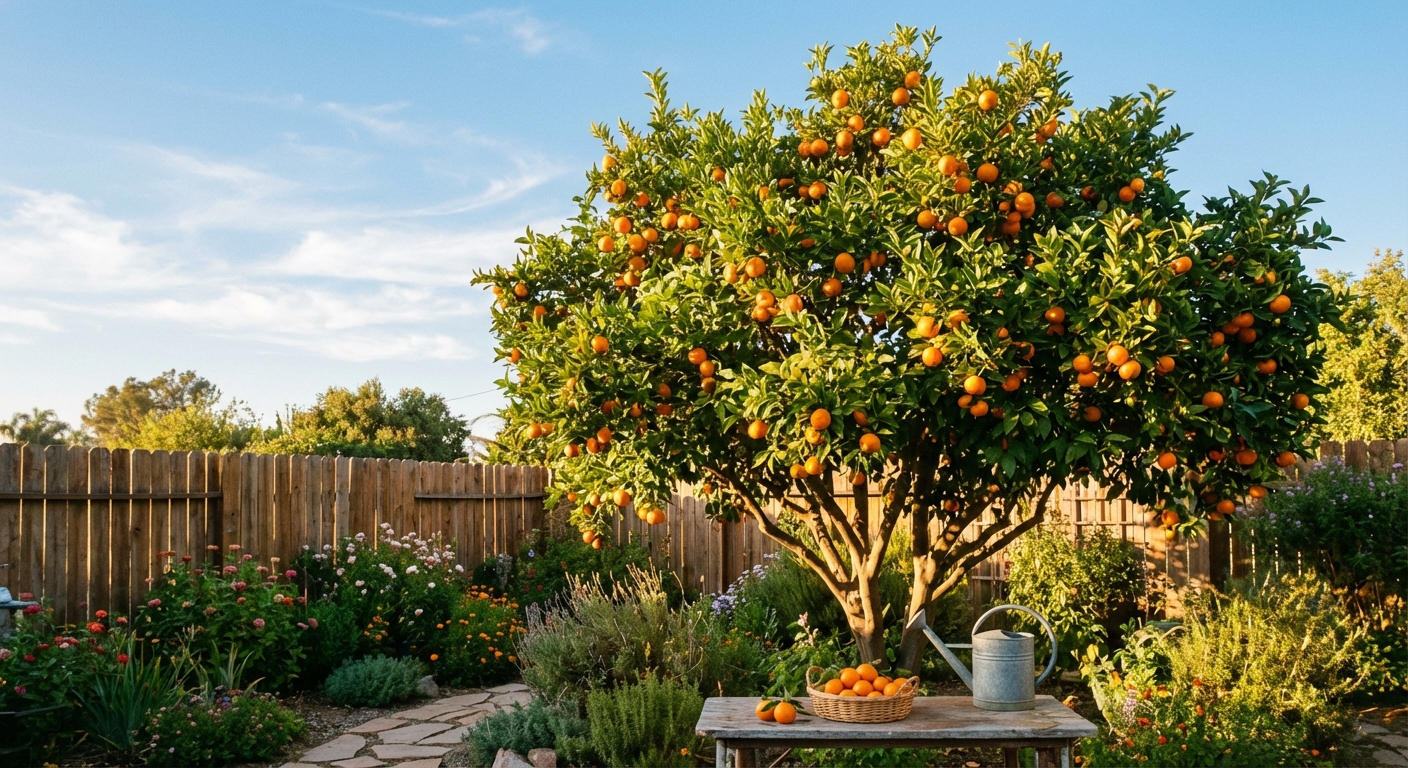
The W. Murcott Afourer grows as a moderate-sized tree, making it perfect for home gardens and container growing. Unlike some citrus varieties that become massive, this tree stays manageable while still producing abundant fruit.
The tree exhibits typical citrus characteristics: glossy, dark green leaves with a distinctive citrus fragrance when crushed. Young shoots may show slight thorns, though mature branches are relatively smooth. The overall growth habit is rounded and well-balanced, creating an attractive landscape specimen even when not fruiting.
Spring brings fragrant white blossoms that cover the tree in a cloud of sweet-smelling flowers. These blooms are self-fertile, meaning your tree will produce fruit without needing another variety for pollination. In fact, this works in your favor since cross-pollination increases seed count.
The foliage provides year-round interest with its evergreen nature. In cold climates, the tree adapts well to container culture, allowing you to move it indoors during freezing weather while maintaining its ornamental value.
| Tree Characteristic | Description |
|---|---|
| Mature Size | 8-12 feet tall, 6-10 feet wide (container); 15-20 feet (in ground) |
| Growth Rate | Moderate |
| Canopy Shape | Rounded, well-balanced |
| Thorns | Few to none on mature wood |
| Leaves | Dark green, glossy, aromatic when crushed |
| Flowers | White, fragrant, self-fertile |
What Makes the Fruit So Exceptional?
Take your first bite of a perfectly ripe W. Murcott Afourer, and you'll understand why this variety commands premium prices in commercial markets. The flesh is intensely sweet with just enough acidity to create perfect balance. The juice practically bursts from each segment, coating your palate with concentrated mandarin flavor.
The texture is what citrus experts call "melting." The flesh breaks down easily, releasing maximum juice with minimal chewing. This makes eating these mandarins an almost sensual experience, very different from the dry, pulpy texture of many commercial varieties.
The skin peels away effortlessly, often coming off in just a few large pieces. No struggling with tight, adherent peel. No citrus oil spraying in your eyes. Just clean, easy removal that reveals perfect, plump segments underneath.
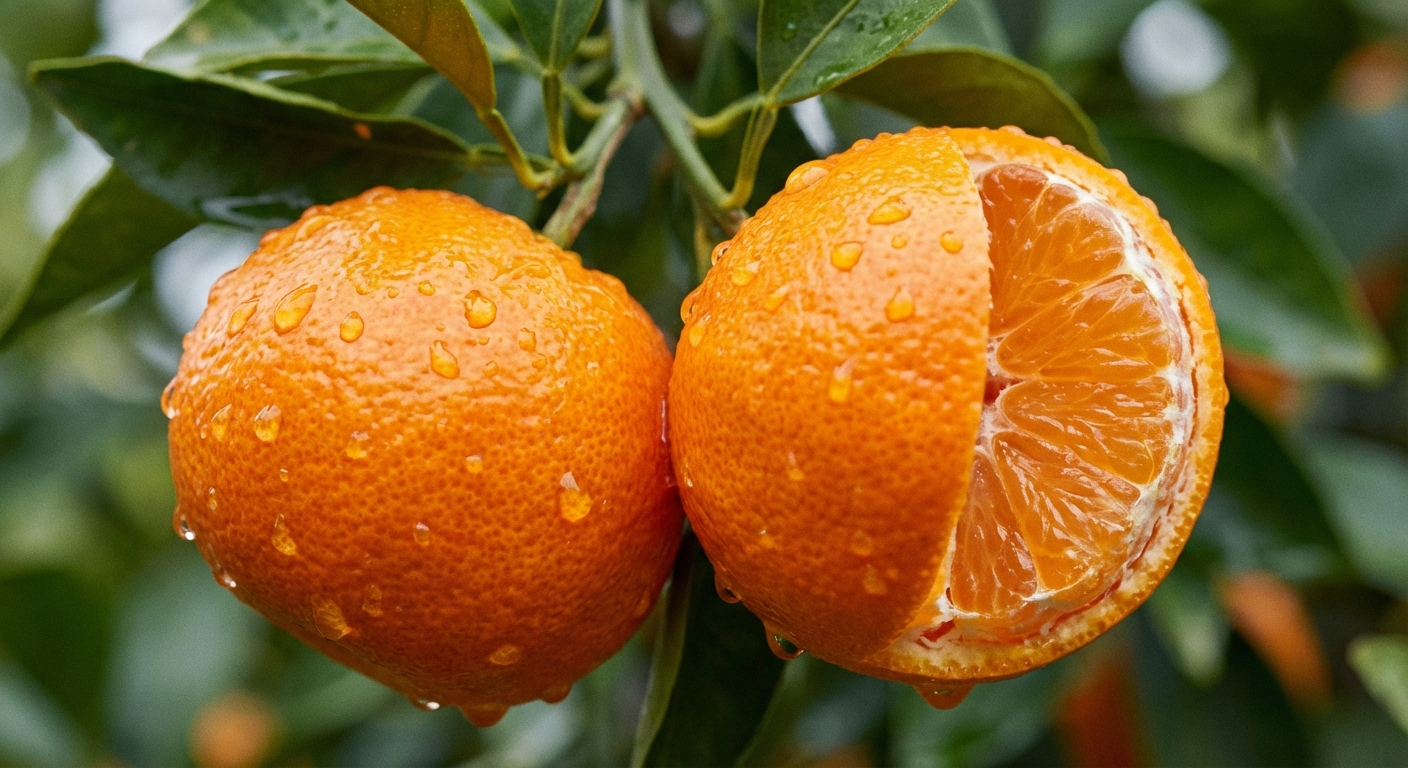
Color ranges from deep orange to almost red-orange, indicating high levels of carotenoids and flavonoids. These compounds provide not just visual appeal but significant nutritional value, including antioxidants that support immune system function.
Size varies from medium to large, typically 2.5 to 3.5 inches in diameter. The fruit often shows a slightly flattened shape, which is characteristic of this variety and helps distinguish it from other mandarins.
| Fruit Quality | Rating | Notes |
|---|---|---|
| Sweetness | Excellent | High sugar content, low acidity |
| Juiciness | Excellent | Very high juice content |
| Ease of Peeling | Excellent | Skin removes easily in large pieces |
| Seediness | Nearly Seedless | 0-3 seeds when not cross-pollinated |
| Storage Life | Good | Holds well on tree for months |
| Size | Medium-Large | 2.5-3.5 inches diameter |
How Do You Grow This Tree Successfully?
Growing a thriving W. Murcott Afourer comes down to understanding what citrus roots really need. After growing over 250,000 citrus trees at our South Texas nursery, we've learned that success depends on what we call the Three Plant Pillars.
Most home growers fail because they've been told to use potting mix. But potting mix is just pine bark sawdust that decomposes and suffocates roots. Your mandarin tree needs mineral-based soil that never breaks down, providing permanent oxygen flow to the root system.
The W. Murcott Afourer is moderately cold-hardy, tolerating brief periods down to about 28°F when mature. In USDA zones 9-11, you can grow it outdoors year-round. In colder zones, container culture allows you to protect the tree during winter.
This variety prefers full sun but tolerates partial shade, though fruit quality and production decrease with insufficient light. Plan for at least 6-8 hours of direct sunlight daily for optimal performance.
Like most mandarins, the W. Murcott Afourer can exhibit alternate bearing, producing heavy crops one year followed by light crops the next. Proper nutrition and consistent care minimize this tendency.
What Soil Does This Tree Need?
Forget everything you've been told about citrus soil. The secret isn't "well-draining potting mix." The secret is mineral-based soil that provides permanent structure and constant aeration.
Dr. Mani's Magic Super Soil contains one-third sand or sandy loam, one-third perlite or rice hulls, and one-third coco coir or peat moss, plus biochar, sulfur for pH control, volcanic ash, and live microbes. This combination never decomposes, never needs replacing, and provides the oxygen flow your tree's roots desperately need.
The soil is pre-adjusted to pH 6.0, the optimal level for citrus nutrient uptake. Unlike potting mix that becomes hydrophobic and creates dry pockets, mineral-based soil maintains consistent moisture levels while preventing waterlogged conditions.
How Do You Water and Feed This Tree?
Watering frequency depends on temperature, humidity, and soil type. With mineral-based soil, overwatering becomes nearly impossible because excess water drains immediately. Check soil moisture by inserting your finger 2 inches deep. When dry at this level, water thoroughly until water runs from drainage holes.
Feed monthly with Dr. Mani's Magic Crab, Kelp & Amino Acids (7-4-4), using 1 ounce per inch of trunk diameter. This organic fertilizer provides all 12 essential nutrients without the synthetic salts that kill beneficial microbes and burn roots.
Apply Plant Super Boost monthly at 2 ounces per gallon of water to maintain the living soil ecosystem your tree needs. These full-spectrum microbes include nitrogen-fixing bacteria, phosphorus-solubilizing fungi, and mycorrhizae that extend your tree's root system.
| Temperature Range | Watering Frequency | Additional Notes |
|---|---|---|
| Below 60°F or Indoors | Once per week | Skip fertilizer below 40°F |
| 60-90°F, Humid | Twice weekly | Monitor for adequate drainage |
| 60-90°F, Dry | Three times weekly | May need daily in extreme heat |
| Above 90°F, Humid | Every other day | Provide afternoon shade if possible |
| Above 90°F, Dry | Daily | Check soil moisture twice daily |
Why Do Home Growers Love This Tree?
Ask any home grower why they chose the W. Murcott Afourer, and you'll hear the same themes: exceptional fruit quality, manageable size, and reliable production. This isn't a tree that disappoints.
The fruit's long hang time means you're not rushed to harvest everything at once. Pick a few mandarins for breakfast in January, a few more for lunch in February, and still have fresh fruit hanging in March. This extended harvest period makes the tree incredibly practical for families.
Container growers appreciate the moderate size and attractive appearance. The tree looks good year-round, whether covered in fragrant blossoms, developing fruit, or mature oranges. It serves double duty as both ornamental plant and fruit producer.
Parents love the nearly seedless fruit for children's snacks and lunches. No choking hazards, no mess, just pure nutrition and flavor. The high vitamin C content supports immune system health during winter months when fresh, local fruit is scarce.
Gardeners in cold climates find this variety particularly rewarding because it produces premium fruit during winter months when most other fruit trees are dormant. Having fresh citrus in December and January feels almost magical in northern climates.
What Are Some Interesting Facts About This Variety?
The naming confusion surrounding this variety tells a fascinating story of citrus marketing and trademark protection. "Murcott Honey" was originally just "Murcott" until Florida growers changed the name to "Honey" for marketing purposes. This created confusion with a California variety also called "Honey," leading to the "Murcott Honey" designation.
Meanwhile, the W. Murcott Afourer developed its own naming variations. "Afourer" honors its Moroccan origins. "W. Murcott" distinguishes it from the original Murcott. "Delite" represents a trademarked strain selected for exceptional seedless characteristics.
The variety's classification as a "tangor" reflects early 20th-century attempts to categorize citrus hybrids. Scientists Walter Tennyson Swingle and Herbert John Webber developed this terminology, combining "tangerine" and "orange" to describe mandarin-orange hybrids.
Modern genetic analysis has simplified citrus taxonomy to three fundamental species: citron, mandarin, and pummelo. All other citrus varieties, including oranges and grapefruits, are hybrids of these three ancestral types. This makes the W. Murcott Afourer a hybrid of hybrids, showcasing the incredible diversity possible within the citrus family.
Commercial growers prize this variety's ability to hold fruit on the tree for months without quality loss. This characteristic, called "good hang time," allows for extended harvest periods and reduces post-harvest handling costs.
The variety's susceptibility to alternate bearing reflects a common trait among high-quality citrus varieties. Trees that produce exceptional fruit often exhaust themselves in heavy crop years, leading to lighter production the following season. Proper nutrition and pruning help minimize this tendency.
Why Does This Tree Deserve a Place in Your Garden?
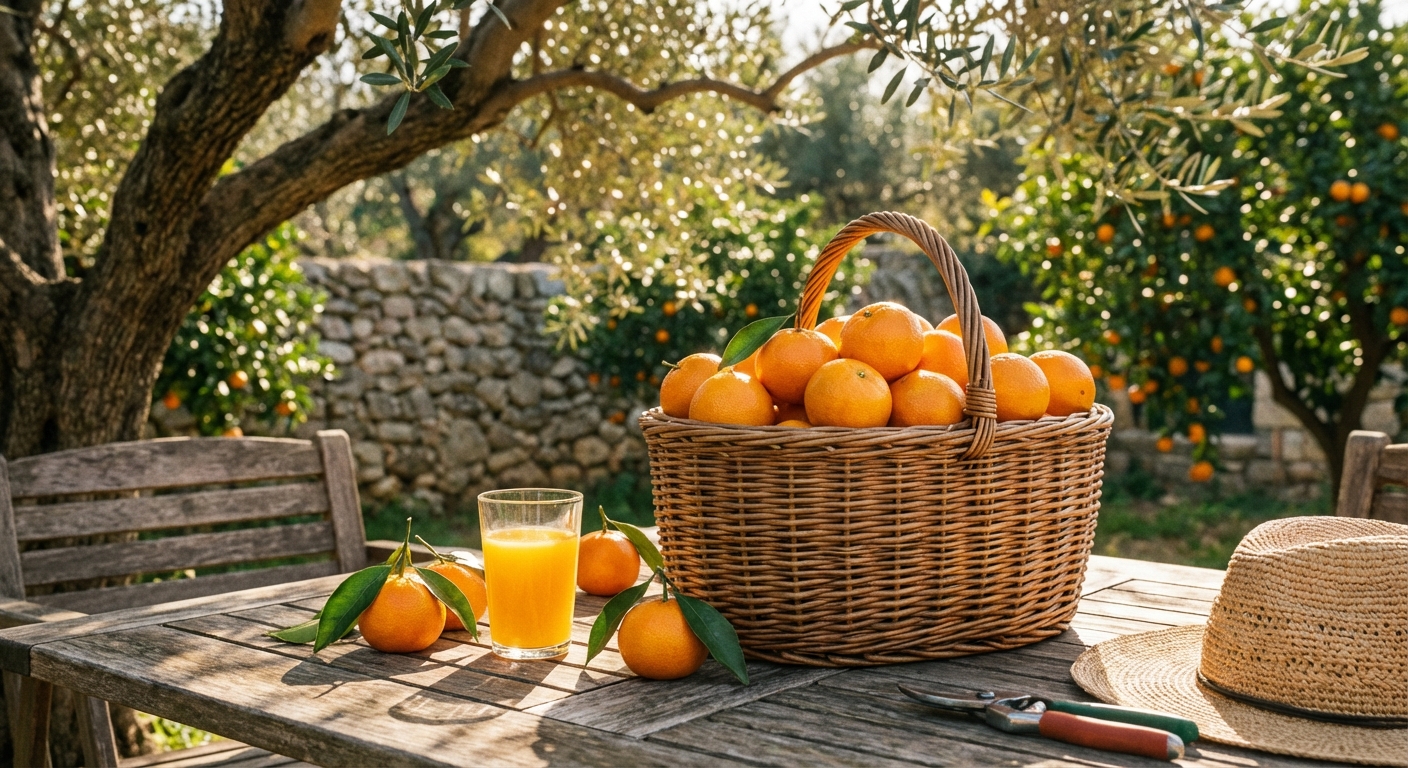
Every garden needs a tree that provides both beauty and bounty. The W. Murcott Afourer delivers both in abundance. This isn't just another fruit tree. It's a connection to Mediterranean traditions, Moroccan innovation, and American agricultural excellence.
Think about February mornings when most of your garden sleeps under winter's grip. Your mandarin tree stands loaded with bright orange fruit, a beacon of life and productivity when everything else seems dormant. You step outside, pick a few perfect mandarins, and start your day with fruit so fresh and flavorful it makes grocery store citrus seem like a pale imitation.
This variety offers something special: fruit that improves your life. The nearly seedless segments make healthy snacking effortless. The incredible sweetness satisfies dessert cravings without processed sugar. The long harvest period provides months of fresh fruit from a single tree.
For families, this tree represents an investment in health, sustainability, and food security. While grocery prices climb and fruit quality declines, your mandarin tree produces premium fruit for decades. The initial investment pays dividends in both money saved and quality gained.
Container growers find this variety particularly rewarding. The manageable size fits most patios and decks. The ornamental value provides year-round beauty. The exceptional fruit quality makes every harvest a celebration.
Ready to experience the sweetest mandarins you've ever tasted? The W. Murcott Afourer mandarin tree combines Moroccan genetics, American innovation, and proven container performance into one exceptional variety. With the right soil foundation, complete nutrition, and live microbes working together, your tree will produce premium fruit for generations to come.


