


Page Mandarin Tree, the California Tangelo Hybrid Chefs Call a Flavor Bomb
You've probably never heard of the Page mandarin tree. Most people haven't. But professional chefs and citrus lovers who know this hidden gem guard it like a secret weapon in their kitchens.
The Page mandarin isn't technically a mandarin at all. It's a tangelo hybrid with a fascinating identity crisis that makes it one of the most unique citrus trees you can grow. Officially released as an orange but genetically three-fourths mandarin and one-fourth grapefruit, this tree produces fruit that tastes like nature's candy with the complexity of a fine wine.
After growing over 250,000 citrus trees at our South Texas nursery, we've learned that the most rewarding varieties are often the ones hiding in plain sight. The Page mandarin is exactly that kind of treasure.

Organic Fertilizer | Crab, Kelp & Amino Acids (7‑4‑4) | Long-Lasting, Burn-Free Boost | Slow-Release Power for Steady Plant Growth
Key Takeaways
- Page mandarin is actually a tangelo hybrid with 75% mandarin and 25% grapefruit genetics
- Created in 1942 by USDA scientists, officially released in 1963 as an "orange"
- Ripens early (November to January) with deep orange, incredibly juicy flesh
- Easy to peel with rich, sweet flavor that chefs describe as a "flavor bomb"
- Nearly thornless tree that's productive and manageable for home growers
- Thrives in containers with proper mineral-based soil and live microbes
- Cross-pollination recommended for best fruit production
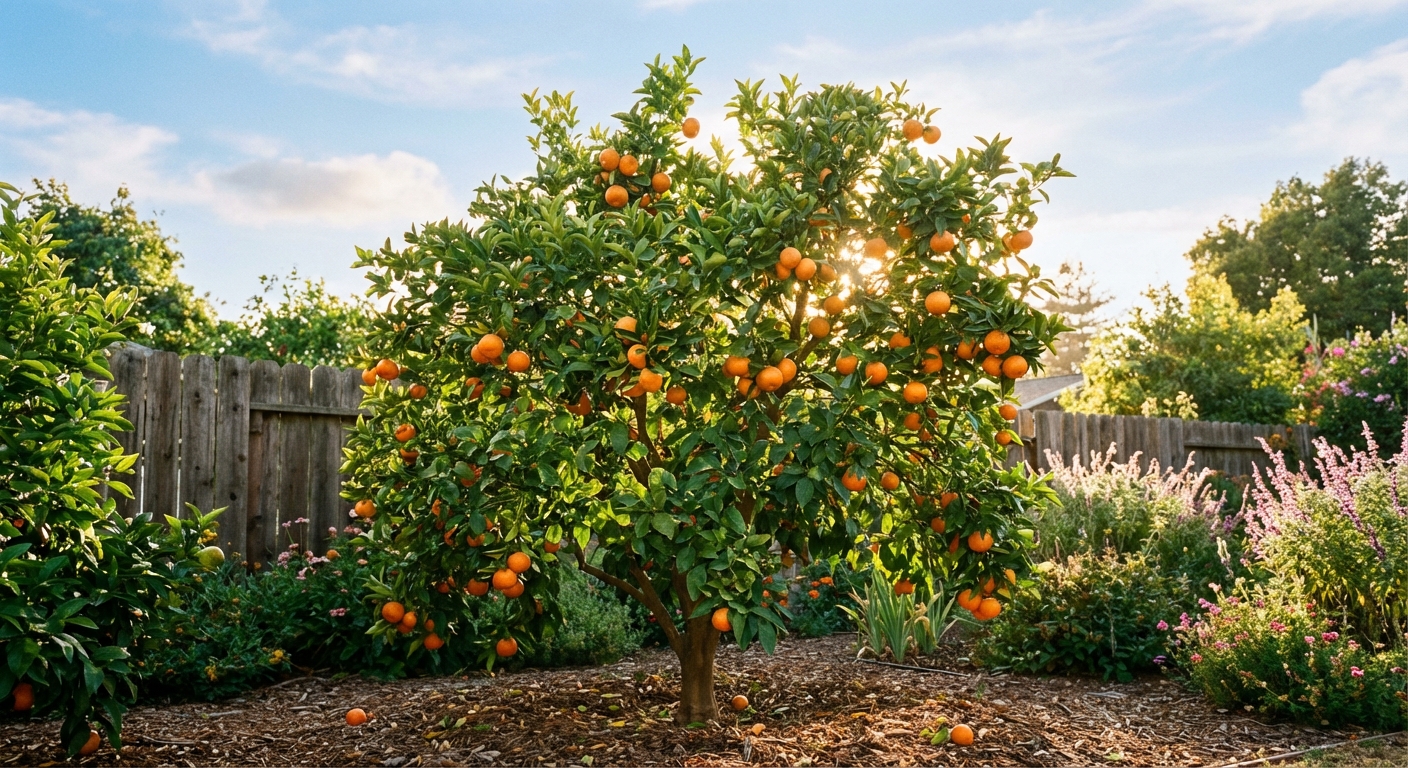
What Makes the Page Mandarin So Special?
The Page mandarin tree represents everything we love about American citrus innovation. Born from scientific curiosity and perfected through decades of careful cultivation, this hybrid combines the best traits of its parent varieties into something entirely new.
Unlike mass-market citrus varieties bred for shipping and shelf life, the Page mandarin was created for pure eating pleasure. The result? Fruit that's so intensely flavorful, it stops people in their tracks.
But here's what makes this tree even more special for home growers: it's nearly thornless, highly productive, and ripens when most other citrus is still months away from harvest. While your neighbors are buying expensive imported mandarins from the grocery store, you'll be picking fresh, juice-dripping fruit right from your own backyard.
How Did This Hybrid Come to Exist?
The Page mandarin story begins in 1942 at the USDA research facilities, where scientists Gardner and Bellows were conducting groundbreaking citrus hybridization work. They crossed a Minneola tangelo (itself a hybrid of Duncan grapefruit and Dancy tangerine) with a Clementine mandarin.
The result was genetically fascinating: a fruit that was three-fourths mandarin and one-fourth grapefruit. This unique genetic makeup gives Page mandarins their distinctive flavor profile that's sweet like a mandarin but with subtle complexity from the grapefruit heritage.
According to the UCR Citrus Variety Collection, the variety wasn't officially described and released until 1963 by P. C. Reece and F. E. Gardner at the U.S. Horticultural Field Station in Orlando, Florida.
Here's where it gets interesting: they released it as an "orange" because the fruit looks remarkably similar to a sweet orange when ripe. But genetically, it belongs to the tangelo hybrid group. This identity confusion has kept the Page mandarin in relative obscurity, which is exactly why it remains such a special find for home citrus growers.
How Did Page Mandarins Reach American Gardens?
The journey from research station to backyard took decades. Initially developed for Florida's climate, the Page mandarin proved it could adapt to various growing conditions across the United States.
California's Citrus Clonal Protection Program began maintaining and distributing budwood in the 1960s, ensuring this unique variety wouldn't disappear into obscurity. Today, dedicated citrus nurseries like US Citrus Nursery continue this tradition, making Page mandarins available to home growers who want something truly special.
The variety's early ripening season (November to January) made it particularly valuable in regions with shorter growing seasons or unpredictable weather patterns. While other citrus varieties might still be developing their sugars, Page mandarins are ready to harvest when you need fresh citrus most.
Why Do Chefs and Food Lovers Prize This Tree?
Professional chefs understand what home cooks are just discovering: the Page mandarin offers a flavor experience you can't buy in stores. The deep orange flesh bursts with juice that's intensely sweet with subtle complexity from its grapefruit genetics.
Restaurant pastry chefs use Page mandarin juice and zest in desserts where ordinary mandarin would taste flat. The natural oils in the peel provide aromatic compounds that elevate everything from chocolate ganache to fruit salads.
But it's not just professional kitchens that benefit. Home cooks discover that Page mandarins transform ordinary recipes into something memorable. The juice makes exceptional marinades, the zest brightens baked goods, and eating them fresh provides a burst of sunshine during the darkest months of the year.
What Does the Page Mandarin Tree Look Like?
The Page mandarin tree is perfectly sized for home growing. It stays moderately vigorous without becoming overwhelming, reaching 8-12 feet tall at maturity when grown in the ground, or 6-8 feet in containers.
The branches grow upright initially but spread gracefully under the weight of fruit, creating a naturally balanced canopy. This spreading habit actually helps with fruit production because it opens up the interior of the tree to sunlight and air circulation.
One of the best features for home growers is that Page mandarin trees are nearly thornless. You can harvest fruit, prune branches, and work around the tree without getting scratched up like you would with many other citrus varieties.
The leaves are typically citrus-shaped, dark green, and healthy-looking when the tree receives proper nutrition through US Citrus Nursery's Three Plant Pillars system.
| Characteristic | Page Mandarin Tree | Typical Mandarin |
|---|---|---|
| Mature Height | 8-12 feet (ground), 6-8 feet (container) | 6-10 feet (ground), 4-6 feet (container) |
| Thorns | Nearly thornless | Usually thorny |
| Growth Habit | Upright, spreading under fruit weight | Varies by variety |
| Productivity | Highly productive | Good to excellent |
| Harvest Season | November to January | December to March (most varieties) |
What Makes the Fruit So Exceptional?
Page mandarin fruit is medium-sized with a distinctive broadly oblate to almost round shape. The rind develops a beautiful reddish-orange color at maturity that immediately catches your attention in the tree.
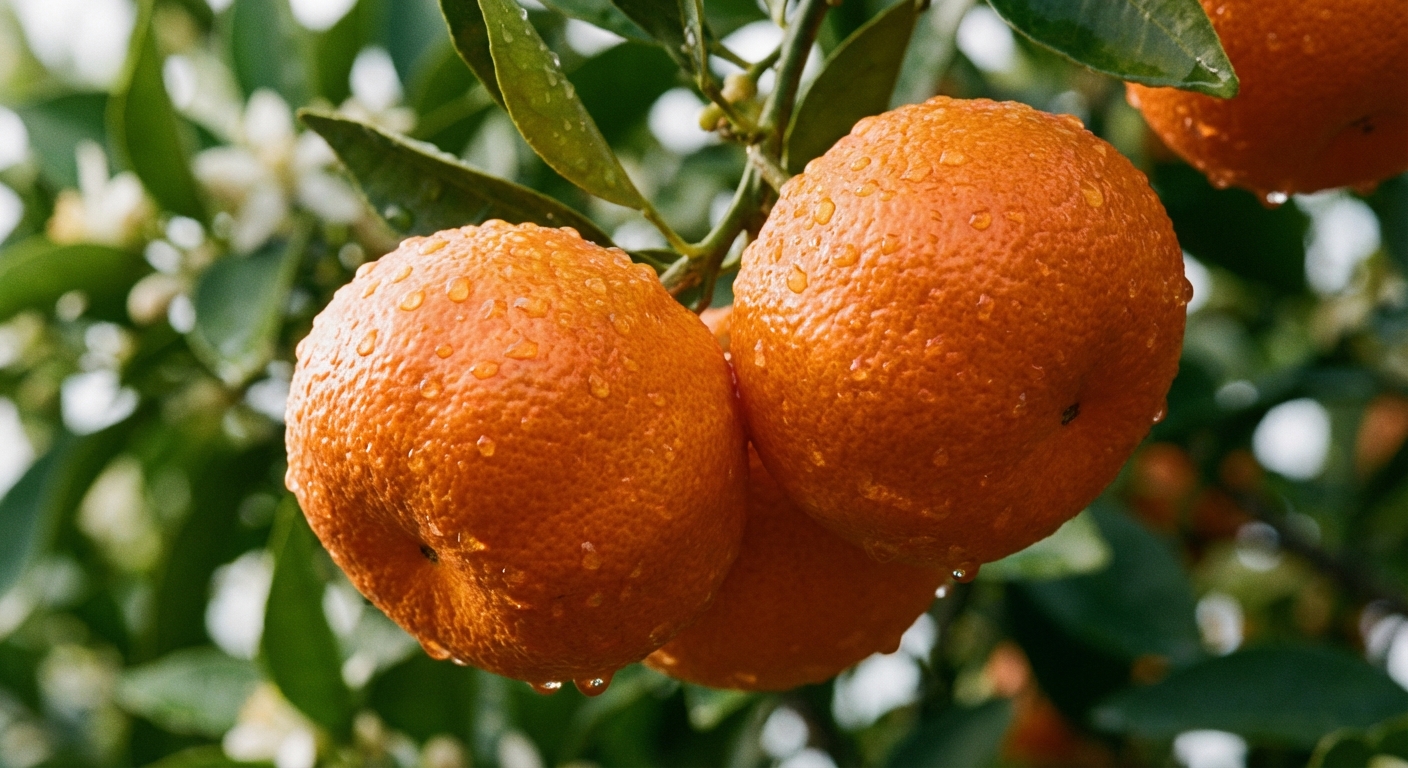
The peel is moderately pebbled (not smooth like an orange, not heavily textured like a grapefruit) and medium-thin. This makes it easy to peel by hand, but the rind isn't so loose that it falls off during handling.
Inside, you'll find about 10 segments surrounding a solid to slightly open central axis. The flesh color is a deep, rich orange that looks almost jewel-like when you separate the segments.
But here's where Page mandarins really shine: the flavor. The flesh is tender, incredibly juicy, and has a rich, sweet taste with subtle complexity that comes from its unique genetic background. You get the immediate sweetness of a mandarin with flavor notes that remind you this isn't just another citrus fruit.
The fruit does contain a moderate number of seeds, which some home growers actually prefer because it indicates the fruit developed naturally without growth regulators or other chemical interventions.
How Do You Grow Page Mandarin Trees Successfully?
Growing Page mandarin trees successfully comes down to understanding what their roots really need. After decades of growing citrus professionally, we've learned that most home growers fail because they're following advice designed to sell products, not grow healthy trees.
The secret to thriving Page mandarin trees is US Citrus Nursery's Three Plant Pillars system:
Pillar 1: Mineral-Based Soil
Your Page mandarin needs soil that never decomposes and always provides oxygen to the roots. Dr. Mani's Magic Super Soil contains sand or sandy loam, perlite or rice hulls, and coco coir or peat moss, plus biochar, organic fertilizer, sulfur for pH control, volcanic ash, and live microbes. This mineral-based foundation means your tree gets permanent drainage and aeration.
Pillar 2: Live Microbials
Page mandarins, like all citrus, depend on beneficial bacteria and fungi to unlock nutrients and protect their roots. Dr. Mani's Magic Plant Super Boost provides over 2,000 species of bacteria and 400-500 species of fungi harvested from natural compost and stabilized with our proprietary method.
Pillar 3: Organic Fertilizer & Biostimulants
Complete nutrition without synthetic salts comes from Dr. Mani's Magic Crab, Kelp & Amino Acids (7-4-4). This organic fertilizer provides all 12 essential nutrients plus calcium and magnesium, working with your soil microbes instead of killing them.
When all three pillars are in place, your Page mandarin becomes nearly bulletproof. Miss any one and you'll struggle with root rot, yellowing leaves, poor fruit production, and pest issues.
What Are the Specific Care Requirements?
Page mandarin trees thrive with consistent care that follows natural principles rather than synthetic shortcuts.
Watering: Water when the top 2 inches of soil feel dry to your touch. In mineral-based Super Soil, overwatering is nearly impossible because excess water drains immediately. Always use the drench method, watering until water runs from the bottom drainage holes.
Fertilizing: Apply Dr. Mani's Magic Crab, Kelp & Amino Acids monthly at 1 oz per inch of trunk diameter. Skip fertilizing when temperatures drop below 40°F, as the tree isn't actively growing.
Microbes: Add Dr. Mani's Magic Plant Super Boost monthly at 2 oz per gallon of water. This replenishes the beneficial bacteria and fungi that containers naturally lose over time.
Pollination: Page mandarins benefit from cross-pollination. If you only have one tree, hand-pollinate the flowers with a small paintbrush, or plant a second citrus variety nearby for natural cross-pollination.
| Temperature Range | Watering Frequency | Fertilizer Schedule |
|---|---|---|
| Below 60°F or Indoors | Once per week | Skip fertilizing below 40°F |
| 60-90°F, Humid | Twice weekly | Monthly application |
| 60-90°F, Dry | Three times weekly | Monthly application |
| Above 90°F, Humid | Every other day | Monthly application |
| Above 90°F, Dry | Daily | Monthly application |
Why Do Home Growers Fall in Love with Page Mandarins?
Home growers who discover Page mandarins become evangelists for this variety. There's something magical about walking outside on a cold January morning and picking fresh, sweet citrus that tastes better than anything you can buy.
The early harvest season means you're eating fresh fruit when your body craves vitamin C most. While grocery stores are selling expensive, shipped-from-thousands-of-miles-away citrus, you're enjoying tree-ripened fruit at peak flavor.
Parents love watching their children's faces light up when they taste a fresh Page mandarin for the first time. The intense sweetness and easy-to-peel segments make them perfect for lunch boxes and after-school snacks.
Gardeners appreciate that Page mandarin trees are manageable in size, nearly thornless, and highly productive. You get maximum fruit from minimal space, making them perfect for suburban yards and even large containers on patios.
The tree's natural spreading habit under fruit weight creates a beautiful silhouette that adds ornamental value to your landscape even when not fruiting.
What Fascinating Secrets Does This Hybrid Hide?
Here's something most people don't know: the Page mandarin was officially released as an "orange" despite being genetically a tangelo hybrid. This bureaucratic confusion happened because the fruit looks so much like a sweet orange that researchers classified it incorrectly.
The original cross was made in 1942, but it took 21 years of evaluation before researchers felt confident enough to release it to growers. That's the kind of patience and scientific rigor that created truly exceptional varieties.
Page mandarins perform differently in various climates. The original research noted that fruit might be "undesirably small in arid climates," which is why proper irrigation and humidity management matter so much for home growers in dry regions.
The variety name "Page" honors the scientific tradition of naming citrus varieties after people or places significant to their development, though the specific origin of this name isn't widely documented.
Professional citrus evaluators originally recommended Page mandarins specifically for Florida conditions, but California's citrus industry proved the variety could adapt to diverse growing conditions across the United States.
Why This Hybrid Deserves a Place in Your Garden
Growing a Page mandarin tree connects you to decades of American citrus innovation while providing your family with fruit that simply isn't available anywhere else. This isn't just another citrus tree. It's a piece of agricultural history that happens to produce some of the most delicious fruit you'll ever taste.
The early harvest season fills the gap when other citrus varieties are still months away from ripeness. Your Page mandarin will be loaded with sweet, juicy fruit just when holiday baking season begins and your family needs fresh vitamin C most.
For home growers tired of grocery store citrus that tastes like cardboard, Page mandarins offer a revelation. This is what citrus is supposed to taste like when it's allowed to ripen naturally on the tree.
The nearly thornless branches make harvesting and tree care pleasant instead of painful. You can work around your tree without gloves and let children help with picking fruit.
Most importantly, Page mandarin trees thrive when you give them what they really need: mineral-based soil that doesn't decompose, live microbes that protect and feed the roots, and complete organic nutrition without synthetic salts.
Ready to grow this exceptional hybrid that chefs call a flavor bomb? Dr. Mani's Magic Super Soil provides the permanent, mineral-based foundation your Page mandarin needs, while our complete Three Plant Pillars system ensures your tree produces abundant, flavorful fruit for decades to come.
Frequently Asked Questions
1. What is a Page Mandarin?
A Page Mandarin is a unique citrus hybrid created by USDA scientists in 1942 by crossing a Minneola tangelo with a Clementine mandarin. Although it was officially released as an “orange” in 1963, the Page Mandarin is genetically a tangelo with approximately 75% mandarin and 25% grapefruit genetics. It is prized for its intensely sweet, juicy flavor and early winter harvest.
2. What does a Page Mandarin taste like?
Page Mandarins have an intensely sweet, rich flavor with subtle complexity from their grapefruit heritage. The deep-orange flesh is extremely juicy and tender, creating a flavor that is sweeter and more distinctive than many common mandarins. The fruit is often described as a “flavor bomb” and is especially valued by citrus enthusiasts and chefs.
3. When does the Page Mandarin tree produce fruit?
Page Mandarin trees typically produce ripe fruit from November through January. Its early harvest season makes it an excellent choice for gardeners who want fresh, tree-ripened citrus during the beginning of winter.
4. How big does a Page Mandarin tree get?
A Page Mandarin tree typically grows 8–12 feet tall in the ground and about 6–8 feet tall in a container. Its branches initially grow upright but develop a spreading canopy as the tree matures and becomes loaded with fruit, making it a manageable choice for home gardens and patios.
5. Is the Page Mandarin tree thornless?
Yes. Page Mandarin trees are nearly thornless, which makes them easier and more comfortable to prune, harvest, and maintain than many other citrus varieties. Their relatively compact size and minimal thorns also make them suitable for family gardens.
6. Does a Page Mandarin tree need another citrus tree for pollination?
Page Mandarin trees can benefit from cross-pollination for improved fruit production. If you have only one tree, you can hand-pollinate flowers with a small paintbrush, or place another compatible citrus variety nearby to encourage natural cross-pollination.
7. Can Page Mandarin trees grow in containers?
Yes, Page Mandarin trees grow well in containers. A mature container-grown tree typically reaches 6–8 feet, making it suitable for patios and smaller gardens. Use a large container with excellent drainage, mineral-based growing media, adequate sunlight, and consistent watering and nutrition.
8. How do you care for a Page Mandarin tree?
Page Mandarin trees perform best with full sun, well-draining mineral-based soil, consistent watering, beneficial soil microbes, and complete organic nutrition. Water when the top 2 inches of soil are dry, using a deep drench until water exits the drainage holes. The growing system described in the article emphasizes three pillars: mineral-based soil, live microbes, and organic fertilizer.
9. Why is the Page Mandarin considered a rare or specialty citrus variety?
The Page Mandarin remains relatively uncommon because it was developed primarily for exceptional eating quality rather than mass-market shipping and storage. Its unique 75% mandarin and 25% grapefruit genetic background produces a distinctive flavor that appeals to chefs and citrus collectors. Its history as a USDA-developed hybrid also makes it an interesting piece of American citrus breeding history.
10. Is Page Mandarin good for home gardens?
Yes. Page Mandarin is particularly well suited to home gardens because it is manageable in size, nearly thornless, highly productive, early-ripening, and exceptionally flavorful. It can also be grown in containers with proper drainage and care, making it a strong choice for gardeners who want premium, unusual citrus at home.
About the Author
Ron Skaria, MD
Ron Skaria is the son of Dr. Mani. He trained as a medical doctor at Baylor College of Medicine, did his residency at UT Health Science Center - San Antonio and fellowship training at Texas Tech University. He now works full time on the family farm at US Citrus and US Citrus Nursery in Hargill, Texas, building Dr. Mani's Magic alongside his dad. He wrote the Brown Thumb Field Guide to put his father's 48 years of plant science into plain words any gardener can use. His belief is simple. You never had a brown thumb. You just never had the right help.


