


Rangpur Lime Tree: The Fiery Indian Mandarin-Lime Hybrid
Here's something that might surprise you: the Rangpur lime isn't really a lime at all. This incredible citrus tree has fooled gardeners and botanists for centuries with its misleading name. But once you taste its intensely acidic, orange-colored fruit and see those distinctive mandarin-like leaves, you'll understand why this Indian beauty has captured hearts across the globe.
Growing over 250,000 citrus trees at our South Texas nursery has taught us one thing: the Rangpur lime is one of the toughest, most rewarding citrus trees you can grow at home. Its cold hardiness, disease resistance, and ability to fruit prolifically in containers makes it perfect for beginners and experts alike.
What makes this tree truly special? It's actually a mandarin-lime hybrid that combines the best of both worlds. You get the hardy growing characteristics of mandarins with the intense acidity perfect for cooking, cocktails, and preserves. Plus, this tree produces fruit that hangs on the branches for months, giving you fresh citrus whenever you need it.

Rangpur Lime Tree
Key Takeaways
- Rangpur lime is actually a mandarin-lime hybrid, not a true lime
- Extremely cold-hardy and disease-resistant, perfect for container growing
- Fruit ripens in winter and early spring, holding on the tree for extended periods
- Orange-colored, intensely acidic fruit perfect for culinary uses and cocktails
- Propagates easily from cuttings and stays naturally compact in containers
- Known by many names worldwide: Canton lemon, cravo lemon, hime lemon
- Hardy enough to survive in USDA zones 9-11, with protection in zone 8
What Are the Ancient Origins of the Rangpur Lime?
The Rangpur lime's story begins in the hills of northeastern India, specifically in the Rangpur region (now in Bangladesh). This is where local farmers first discovered this remarkable hybrid growing wild centuries ago. The tree likely developed naturally from a cross between a mandarin and a citron, creating something entirely unique.
Indian communities have been growing Rangpur limes for over 500 years. They called it "surkh nimboo" (red lime) and "sharbati" because of its reddish-orange color and intense tartness. Local families used every part of the fruit. The juice went into curries and chutneys. The zest flavored rice dishes. Even the leaves were crushed and used as natural pest deterrents in their gardens.
What's fascinating is how quickly this tree spread across Asia. Unlike many citrus varieties that require specific grafting techniques, the Rangpur lime reproduces remarkably true from seed. This meant traders and travelers could easily carry seeds to new regions, where the trees would grow with the same characteristics as their parents.
From India, the Rangpur lime traveled along ancient trade routes to China, where it became known as the "Canton lemon." Chinese gardeners prized it for its ability to survive harsh winters better than true limes. In Japan, they called it "hime lemon" and used it primarily as an ornamental tree in temple gardens.
The tree's journey to Southeast Asia happened through maritime trade. Dutch and Portuguese sailors carried seeds to Java, where it became "Japanche citroen." Indonesian farmers discovered that the Rangpur lime made an excellent rootstock for grafting other citrus varieties, a practice that continues today.
How Did the Rangpur Lime Arrive in the Americas?
The Rangpur lime's arrival in America has a specific date and location, thanks to detailed records kept by citrus pioneers. In the late 1800s, the Reasoner Brothers of Oneco, Florida, received seeds directly from northwestern India. These brothers were famous for introducing exotic plants to American gardens.
The timing was perfect. Florida's citrus industry was booming, and growers were constantly searching for hardy rootstocks and unique varieties. The Rangpur lime proved to be both. Its tolerance to diseases that killed other citrus trees made it invaluable as a rootstock.
But something interesting happened in California. While Florida used Rangpur limes primarily for rootstock, California gardeners fell in love with the fruit itself. The tree's ability to thrive in containers and produce fruit year-round made it perfect for backyard growing.
Brazilian immigrants brought their own connection to this tree. They called it "limão cravo" (clove lime) and used it extensively in their traditional cuisine. Today, Brazil is one of the largest commercial producers of Rangpur limes, using them primarily for juice production.
The UCR Citrus Variety Collection documents how American researchers have studied multiple clones of Rangpur lime from around the world, finding subtle differences in fruit shape and rind texture but consistent flavor profiles.
What Cultural Significance Does the Rangpur Lime Hold?
In Bengali culture, the Rangpur lime holds special significance during religious ceremonies. Families place the bright orange fruits on altar offerings during Durga Puja, believing the intense sourness drives away evil spirits. The tree's ability to fruit during winter months makes it particularly valued during festival season.
Japanese culture embraced the Rangpur lime in a completely different way. Temple gardens use these trees as symbols of resilience and adaptation. The way the fruit changes from green to deep orange represents life's journey from youth to wisdom. Monks often meditate under Rangpur lime trees because the subtle citrus fragrance is believed to enhance concentration.
In Brazil, no caipirinha bar is complete without Rangpur limes. Bartenders prefer them over regular limes because the orange flesh creates a beautiful color in cocktails. The intense acidity also means you need less fruit per drink, making each tree incredibly valuable to restaurant owners.
American home canning traditions adopted the Rangpur lime enthusiastically. During the Great Depression, families treasured these trees because the fruit would hang on branches for months without spoiling. Women could harvest fresh citrus for preserves and marmalades throughout the winter when other fruits were scarce.
Modern urban gardeners have created their own traditions around Rangpur limes. Container growing communities share cuttings like family heirlooms. The tree's ability to fruit indoors has made it a symbol of self-sufficiency for apartment dwellers who want fresh citrus year-round.
What Are the Botanical Characteristics of Rangpur Lime Trees?
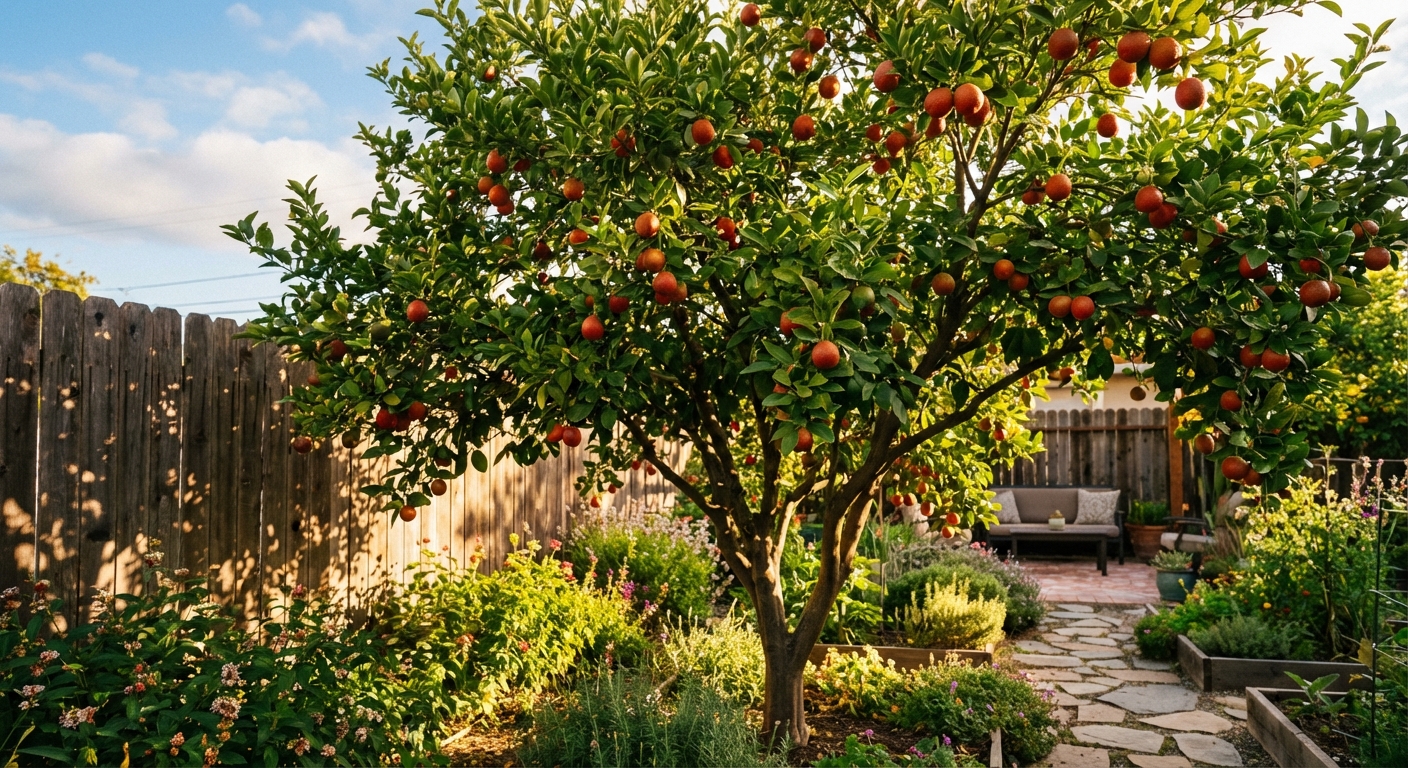
The Rangpur lime tree has a distinctive appearance that sets it apart from both true limes and mandarins. Mature trees reach 8 to 12 feet tall with a naturally spreading, drooping growth habit. The branches cascade gracefully, making it an excellent ornamental choice even when not fruiting.
The leaves are the first clue that this isn't a true lime. They're distinctly mandarin-like: oval-shaped, dull green, and slightly smaller than orange tree leaves. New growth emerges with a purple tint that gradually fades to green. This purple coloring is especially pronounced during cooler weather.
Thorns on Rangpur lime trees are relatively few and small compared to other citrus varieties. This makes harvesting much easier and safer, especially important for container-grown trees where you'll be working in close quarters.
The flowers are small and mandarin-like, appearing in clusters along the branches. What's remarkable is the deep purple tinge on both buds and petals. These blooms are self-fertile, meaning a single tree will produce fruit without needing another citrus tree for pollination.
Root characteristics make this tree exceptional for container growing. The root system stays relatively compact and fibrous rather than developing large tap roots. This is why the tree propagates so easily from cuttings and adapts well to confined spaces.
| Characteristic | Description |
|---|---|
| Mature Height | 8-12 feet (6-8 feet in containers) |
| Growth Habit | Spreading, drooping branches |
| Leaf Type | Mandarin-like, oval, dull green |
| Thorns | Few and small |
| Flowers | Small, white with purple tinge |
| Cold Hardiness | USDA Zones 9-11 (protection needed in Zone 8) |
| Fruit Season | Winter and early spring |
What Does Rangpur Lime Fruit Taste Like and How Is It Used?
The moment you cut into a Rangpur lime, you'll notice the beautiful orange flesh that immediately sets it apart from green limes. The color ranges from pale orange to deep amber, depending on ripeness and growing conditions. This orange flesh creates stunning visual appeal in drinks and dishes.
The flavor is intensely acidic, even more tart than regular limes. But there's complexity here that true limes lack. You'll taste hints of mandarin sweetness in the background, creating a flavor profile that's both familiar and exotic. The acidity level is so high that even small amounts provide the tartness needed for cooking.
Texture-wise, the fruit is extremely juicy with tender flesh that separates easily into 8 to 10 segments. The rind is thin and moderately loose, making it easy to zest but sturdy enough to hold up during cooking. Seeds are fairly numerous but small, and they're highly polyembryonic, meaning each seed can produce multiple identical trees.
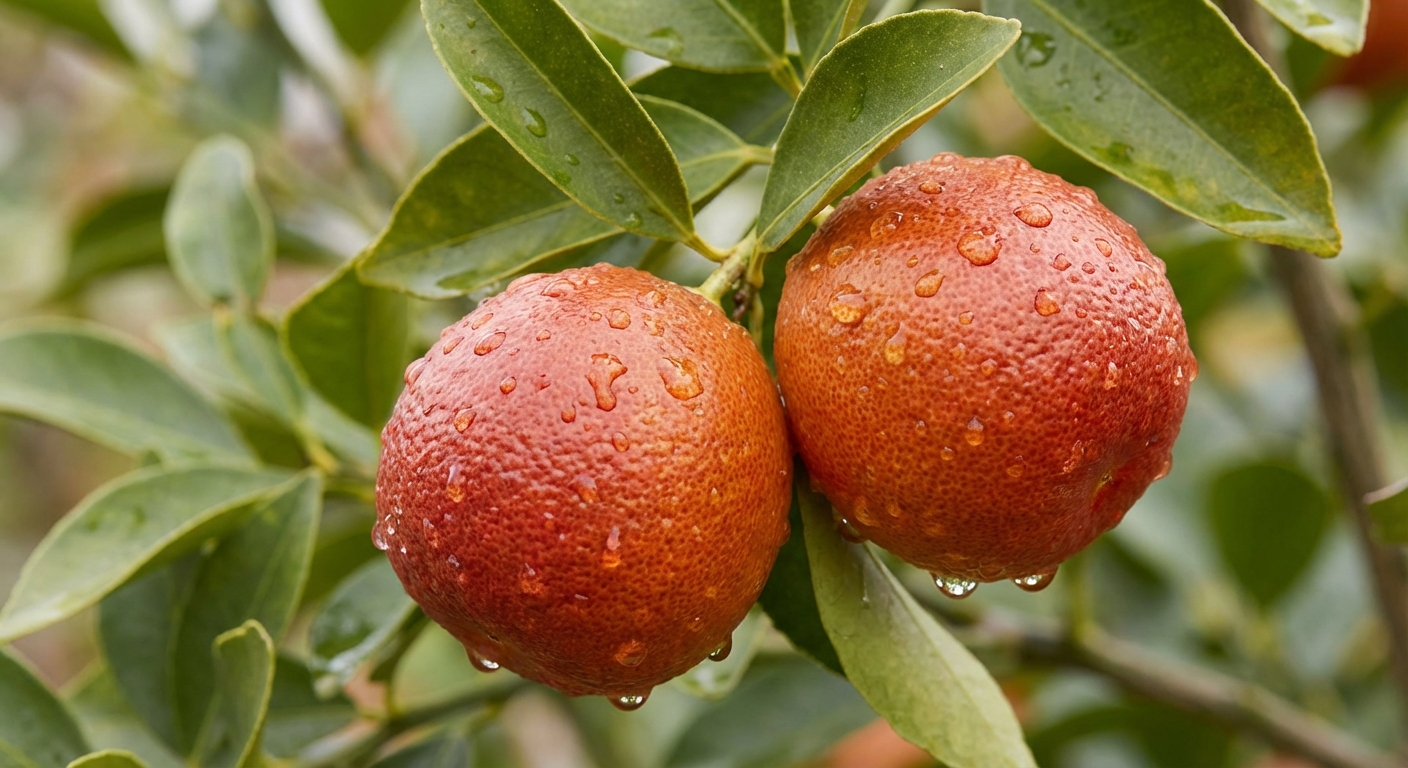
In the kitchen, Rangpur limes excel where you need intense acidity. They're perfect for ceviche because the high acid content "cooks" fish proteins quickly and thoroughly. The orange color adds visual appeal that regular lime juice can't match.
Cocktail enthusiasts prize Rangpur limes for their unique properties. The juice creates beautiful orange-tinted drinks, and the intense acidity means bartenders can use less fruit while achieving the same tartness. Gin and Rangpur lime is a classic combination that's gained popularity in craft cocktail circles.
For preserving, these limes are exceptional. The high pectin content in the rind combined with intense acidity creates perfect conditions for marmalades and jellies. Many families find that Rangpur lime marmalade has a more complex flavor than traditional orange marmalade.
The zest is particularly aromatic, with oils that combine citrus brightness with subtle floral notes. Chefs use Rangpur lime zest to finish dishes where they want citrus flavor without additional liquid.
How Do You Successfully Grow a Rangpur Lime Tree?
Growing a healthy Rangpur lime tree comes down to understanding what makes this variety unique. Unlike true limes that demand tropical conditions, Rangpur limes are surprisingly cold-hardy and adaptable. They can handle temperatures down to about 25°F for short periods, making them suitable for USDA zones 9-11.
The secret to success lies in what we call the Three Plant Pillars at US Citrus Nursery. This proprietary framework ensures your tree gets exactly what it needs to thrive, not just survive.
First, your tree needs mineral-based soil that never decomposes. Traditional potting mix is actually pine bark sawdust that suffocates roots as it breaks down. Dr. Mani's Magic Super Soil provides permanent aeration with ingredients like sand, perlite, and coco coir, plus biochar and volcanic ash for nutrient retention.
Second, live microbials are essential for root health and nutrient uptake. These beneficial bacteria and fungi create a thriving ecosystem around your tree's roots. Dr. Mani's Magic Plant Super Boost contains over 2,000 species of bacteria and 400-500 species of fungi, applied monthly at 2 oz per gallon.
Third, complete organic fertilizer provides all 12 essential nutrients without the salt damage of synthetic fertilizers. Dr. Mani's Magic Crab, Kelp & Amino Acids (7-4-4) delivers nitrogen, phosphorus, potassium, plus calcium, magnesium, and trace elements. Apply 1 oz per inch of trunk diameter monthly when temperatures are above 40°F.
Container growing is ideal for Rangpur limes because it allows you to control soil conditions and move the tree for winter protection. Use a container at least 20 gallons for mature trees, with multiple drainage holes.
Watering frequency depends on your climate conditions. In mineral-based soil, overwatering is nearly impossible because excess water drains immediately. Water when the top 2 inches feel dry, then drench until water runs from drainage holes.
| Temperature Range | Watering Frequency |
|---|---|
| Below 60°F or indoors | Once per week |
| 60-90°F, humid conditions | Twice weekly |
| 60-90°F, dry conditions | Three times per week |
| Above 90°F, humid conditions | Every other day |
| Above 90°F, dry conditions | Daily |
Pruning should be minimal and gradual. Remove suckers growing below the graft union and any dead or crossing branches. Never remove more than one-third of the canopy at once. Clean your pruning shears with rubbing alcohol between cuts to prevent disease transmission.
For pest control, stick to safe, effective methods. Diatomaceous earth at 3 oz per gallon controls soft-bodied insects. Micronized sulfur at 2-3 oz per gallon handles fungal issues. Castile soap at 2 oz per gallon works for aphids and scale insects.
Why Do Home Growers Love Rangpur Lime Trees?
Home gardeners who grow Rangpur limes often say this tree changed their relationship with citrus growing. Here's why this variety creates such devoted fans.
The reliability factor is huge. While other citrus trees might skip fruiting years or struggle with environmental stress, Rangpur limes produce consistently. Even young trees often fruit within their first year in proper conditions.
Container growing success makes this tree perfect for renters, apartment dwellers, and anyone without permanent garden space. The tree's natural tendency to stay compact means it thrives in large pots without becoming root-bound as quickly as other citrus varieties.
Year-round interest keeps gardeners engaged. The tree produces flowers and fruit simultaneously, creating a beautiful display of white blooms against colorful fruit. The purple-tinted new growth adds another layer of visual appeal.
Practical benefits extend beyond beauty. Having intensely acidic citrus available for months means you can make fresh cocktails, preserve seasonal vegetables, and add bright flavors to winter cooking when other fresh citrus is expensive or unavailable.
The propagation aspect excites many growers. Unlike grafted trees that require specialized techniques, Rangpur limes grow easily from cuttings. This means you can share your tree with friends and family, creating a living legacy.
Cold tolerance provides peace of mind for gardeners in marginal citrus zones. While you'll still need protection during hard freezes, Rangpur limes bounce back from cold damage faster than most citrus varieties.
Disease resistance means less worry and fewer chemical treatments. This tree's natural hardiness reduces the need for constant monitoring and intervention that other citrus varieties require.
What Historical Oddities and Rare Facts Surround Rangpur Limes?
The name confusion around Rangpur limes has created some amusing historical moments. During World War II, American soldiers stationed in the Philippines kept asking for "lime juice" and were confused when locals brought them orange-colored fruit. The misunderstanding led to several minor diplomatic incidents before botanists clarified the naming issue.
In 1930s California, a citrus researcher named H.J.W. documented that Rangpur lime fruits "apparently have all the character of Rangpur lime" after examining specimens. This circular description became a running joke among botanists, highlighting how difficult this hybrid was to classify.
The polyembryonic nature of Rangpur lime seeds has led to some incredible discoveries. In Brazil, researchers found that a single seed had produced 27 individual seedlings, all genetically identical to the parent tree. This natural cloning ability is why the variety has remained so consistent across centuries and continents.
Japanese bonsai masters have worked with Rangpur limes for over 300 years. The tree's natural tendency to develop gnarled, artistic branches makes it prized for bonsai cultivation. Some specimens in Japanese collections are documented to be over 200 years old and still producing fruit.
During Prohibition in the United States, Rangpur limes became valuable for their high citric acid content. Bootleggers used the juice to create "citrus gin" that could pass casual inspection because of its orange color and legitimate citrus smell.
The Reasoner Brothers, who first imported Rangpur limes to Florida, initially marketed them as "Indian Sweet Limes" despite their intensely sour flavor. This marketing mistake led to numerous complaints from customers who expected sweet fruit, but ironically helped spread the tree's popularity as people discovered its unique culinary uses.
In modern commercial agriculture, Rangpur lime rootstock has become so valuable that some orchards grow the trees specifically to harvest rootstock wood for grafting other citrus varieties. The root systems are considered among the most disease-resistant in the citrus world.
Why Does the Rangpur Lime Tree Deserve a Place in Your Backyard?
After growing thousands of citrus trees, we've learned that some varieties just make gardening more enjoyable. The Rangpur lime is one of those special trees that rewards you with minimal effort while providing maximum satisfaction.
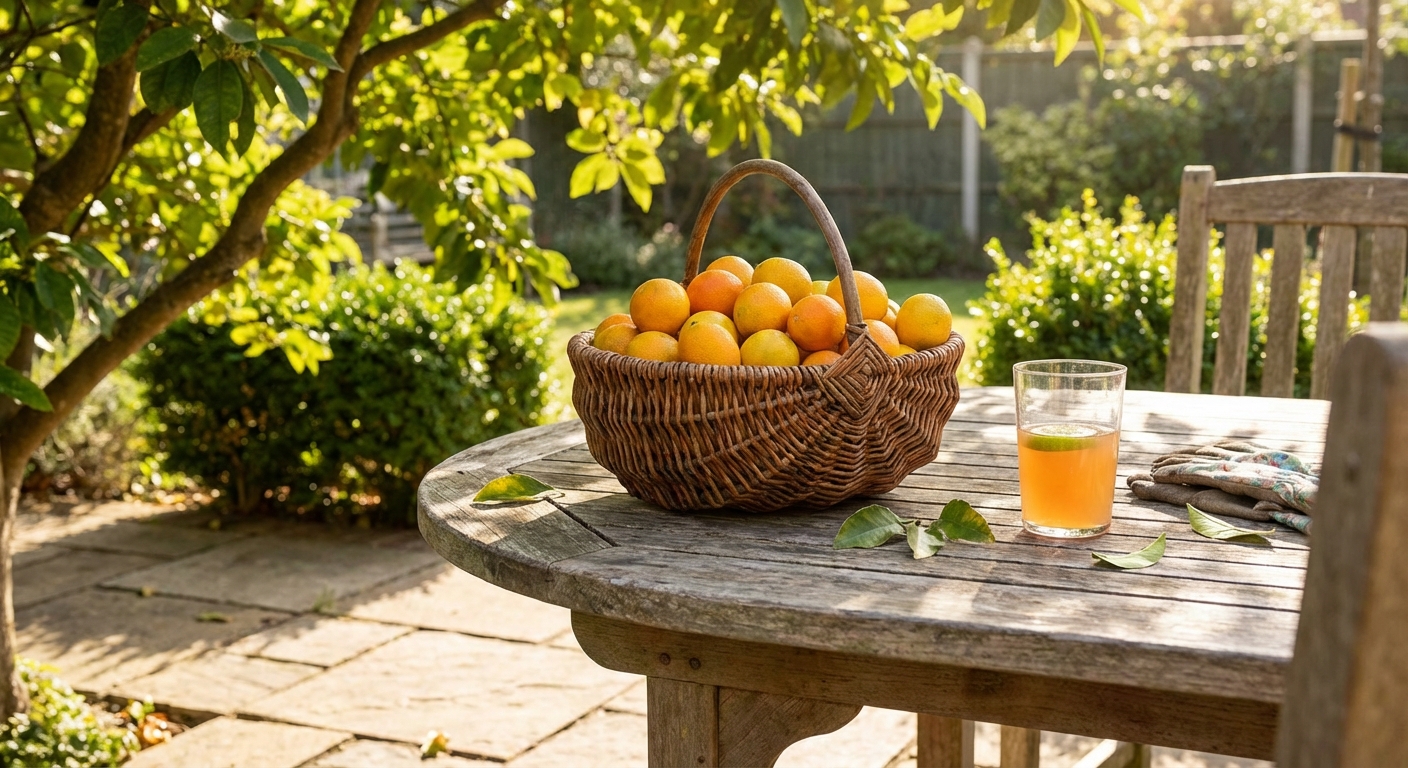
Think about having fresh, intensely flavored citrus available for 6-8 months of the year. While grocery store limes cost $1 each and often lack flavor, your Rangpur lime tree will produce dozens of fruits that hang on the branches until you're ready to use them. The financial benefits alone justify the investment.
The versatility factor sets this tree apart from single-purpose varieties. You get cocktail ingredients, cooking acids, zest for baking, and beautiful ornamental value all from one compact tree. Few plants offer such diverse benefits in a small space.
For beginning citrus growers, Rangpur limes provide confidence-building success. The tree's forgiving nature and consistent production help you develop skills without the frustration of finicky varieties. Success with your first citrus tree often leads to expanding your collection.
Container growing flexibility means you can take this tree with you if you move. Unlike planted citrus trees that stay with the property, your Rangpur lime becomes a portable part of your family garden.
The conversation starter aspect shouldn't be underestimated. Guests always ask about the orange "limes" on your tree. It's a perfect opportunity to share your gardening knowledge and maybe even share some cuttings with interested friends.
Climate change resilience makes this tree a smart long-term investment. As weather patterns become more unpredictable, having cold-hardy citrus varieties that can adapt to changing conditions provides food security and gardening stability.
Ready to experience the unique rewards of growing your own Rangpur lime tree? Our trees arrive healthy and ready to fruit, grown in Dr. Mani's Magic Super Soil with the Three Plant Pillars already established. You'll get a tree that's been cared for by experts who understand exactly what citrus trees need to thrive.
Want to explore more unique citrus varieties? Browse our complete citrus collection to discover other hardy, flavorful trees perfect for home growing.


