


Chandler Pomelo Tree, the Giant Pink UCR Pomelo with Ancient Citrus Lineage
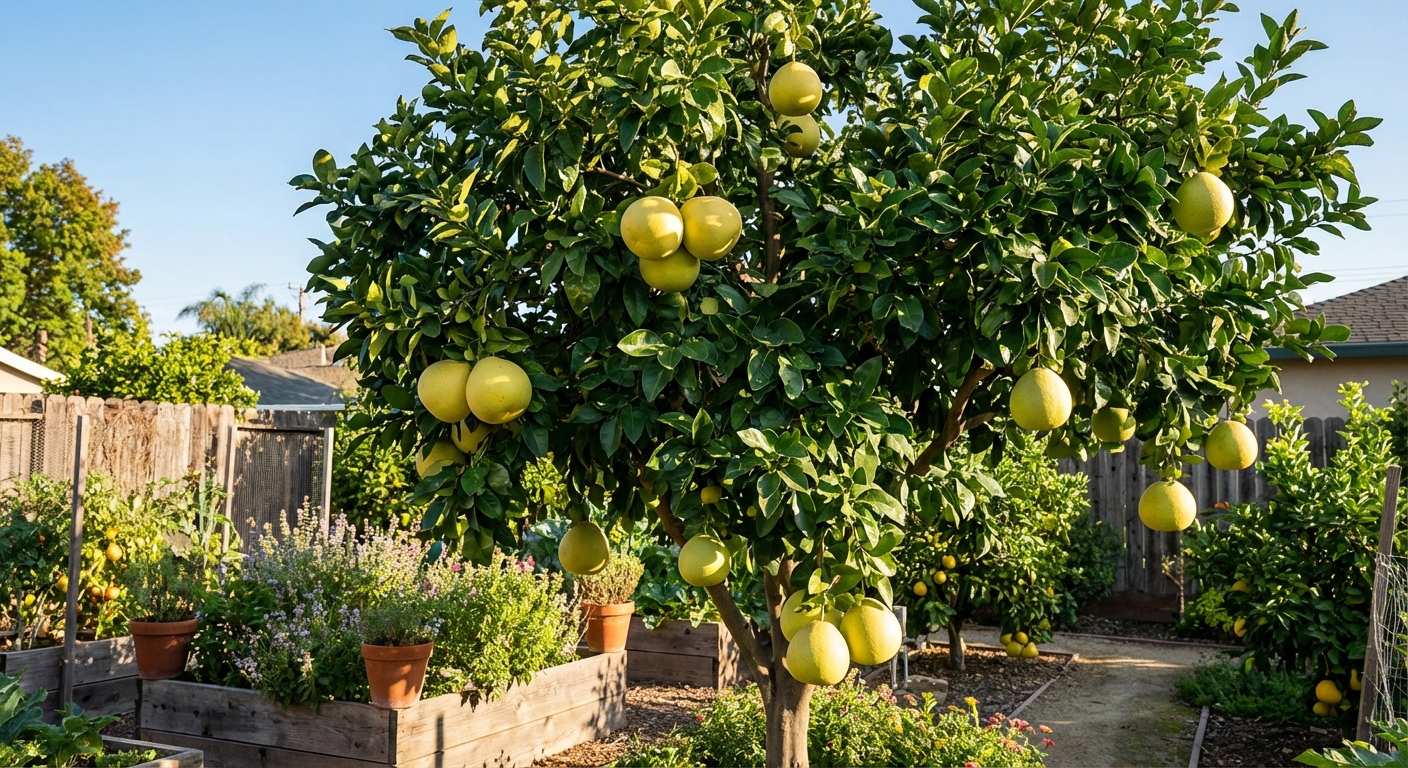
You're standing in your backyard, admiring a massive citrus tree loaded with fruit the size of footballs. Each one weighs over two pounds and contains flesh that ranges from light pink to deep rose. This isn't a fantasy. This is what happens when you plant a Chandler Pomelo Tree.
The Chandler Pomelo represents one of the greatest achievements in American citrus breeding. Created in 1961 by the legendary Dr. Cameron and Dr. Soost at UC Riverside, this hybrid combines the best traits of two ancient Asian pomelo varieties into something truly special.
Most people have never tasted a fresh pomelo. They've been missing out on citrus history. The pomelo is the grandfather of all citrus, the original giant that gave birth to grapefruits, oranges, and everything else we love about citrus today.

Chandler Pomelo Tree
Key Takeaways
- Chandler Pomelo is a University of California hybrid released in 1961, combining Siamese Pink and Siamese Sweet pomelos
- Fruit grows large to very large (2+ pounds) with pink flesh that varies from light to deep pink depending on climate
- Trees grow vigorously to large size with pendulous branches, perfect for dramatic landscape impact
- Fruit ripens December to February, stores exceptionally well, and has sweet, pleasant flavor with firm texture
- Can produce seedless fruit when grown away from pollen sources, or seedy fruit when cross-pollinated
- Thrives in containers with proper mineral-based soil and requires the Three Plant Pillars for optimal health
- Represents living citrus history, connecting your garden to 4,000 years of pomelo cultivation
What Makes the Chandler Pomelo Special?
The Chandler Pomelo isn't just another citrus tree. It's a masterpiece of plant breeding that took decades to perfect. When Drs. Cameron and Soost at UC Riverside crossed the Siamese Pink pomelo with the Siamese Sweet pomelo, they created something that had never existed before: a pomelo with the sweetness of one parent and the beautiful pink flesh of the other.
Most citrus varieties evolved naturally over centuries. The Chandler was designed. Every characteristic was chosen on purpose. The result is a fruit that combines the ancient appeal of the world's largest citrus with modern flavor and growing characteristics.
Think about this: when you plant a Chandler Pomelo, you're not just growing fruit. You're growing a conversation starter. Your neighbors will stop and stare when they see football-sized citrus hanging from your tree. Kids will be amazed. Adults will ask questions. You'll become the person with "that incredible tree."
If you’ve never peeled a massive, fragrant pomelo weighing pounds instead of ounces, Chandler will completely change your citrus world.
Huge, Impressive Fruit: The king-sized citrus that always steals the show.
Delicately Sweet: Mild, refreshing flavor with beautiful pink flesh.
Backyard Conversation Piece: A fruit so large and fragrant people can’t help but ask about it.
Where Did Pomelos Come From Originally?
The pomelo story begins over 4,000 years ago in Southeast Asia. Ancient Chinese texts describe massive citrus fruits growing wild in the mountains of southern China and northern Thailand. These weren't the refined pomelos we know today. They were the original wild citrus, the genetic foundation that would eventually give us every citrus fruit we eat.
Chinese emperors prized pomelos as symbols of prosperity and good fortune. The larger the pomelo, the greater the blessing. Wealthy families would display perfect pomelos during New Year celebrations, believing they would bring abundance in the coming year.
Buddhist monks carried pomelo seeds along trade routes, spreading these giant citrus fruits across Asia. By 100 AD, pomelos were growing in India, Malaysia, and throughout the Pacific islands. Each region developed its own varieties, adapting to local climates and tastes.
The ancient pomelo varieties that became the parents of the Chandler trace their lineage back to these original Asian cultivars. The Siamese Pink and Siamese Sweet pomelos arrived in California during the early 1900s, carrying genetic memories of thousands of years of careful cultivation.
How Did Pomelos Reach the Americas?
Captain Shaddock gets credit for bringing the first pomelo to the Caribbean in the 1600s. That's why some people still call pomelos "shaddocks." But the real pomelo boom in America didn't start until California citrus researchers began serious collection efforts in the early 1900s.
The USDA sent plant explorers throughout Asia, collecting citrus varieties that might thrive in California's Mediterranean climate. They brought back dozens of pomelo varieties, including the Siamese Pink and Siamese Sweet that would eventually become the parents of the Chandler.
Florida tried growing pomelos first, but the humidity caused problems. California's dry summers and mild winters proved perfect for these Asian giants. By the 1950s, UC Riverside had assembled the world's most complete collection of citrus varieties, setting the stage for the breeding work that created the Chandler.
The timing was perfect. American tastes were expanding beyond oranges and lemons. People wanted exotic fruits with interesting stories. The Chandler Pomelo arrived just as home gardeners were looking for something special to grow in their backyards.
What Role Do Pomelos Play in Different Cultures?
In Chinese culture, pomelos represent the moon. Their round shape and pale color symbolize completeness and unity. During Mid-Autumn Festival, families share pomelo slices while admiring the full moon, believing this brings harmony and prosperity.
Thai families use pomelos in traditional salads called "som tam pomelo." The sweet, mild flavor balances the heat of chilies and the saltiness of fish sauce. It's a dish that represents the Thai principle of balancing opposing forces to create harmony.
In Vietnam, pomelos are essential for Tet (New Year) celebrations. The Vietnamese name "bưởi" sounds similar to words meaning "to have" and "to give," making pomelos symbols of generosity and abundance. Vietnamese families display perfect pomelos on their altars, asking ancestors to bless the coming year with prosperity.
Jewish communities in some regions adopted pomelos for Sukkot celebrations, using them as one of the "four species" when citrons were unavailable. The large size and thick rind made them practical for the week-long festival.
Modern American gardeners are creating their own pomelo traditions. Some families make it an annual ritual to harvest their Chandler Pomelos together, turning the December harvest into a celebration of the year's growth and abundance.
What Does a Chandler Pomelo Tree Look Like?
The Chandler Pomelo grows into an impressive specimen that commands attention in any landscape. According to the UCR Citrus Variety Collection, these trees grow vigorously to large size with distinctive pendulous branches that create a weeping, graceful silhouette.
The leaves are large and glossy, typical of pomelo varieties but more substantial than most citrus. Each leaf spans 4-6 inches and has the characteristic citrus shine that catches sunlight beautifully. The petioles (leaf stems) are winged, giving the foliage an elegant, compound appearance.
Young trees develop a compact, upright growth habit. As they mature, the branches begin to droop under the weight of the massive fruit, creating that characteristic weeping form. This isn't a weakness, it's a feature. The pendulous branches make fruit harvesting easier and give the tree a distinctive appearance that sets it apart from other citrus varieties.
The trunk develops impressive girth as the tree ages. Mature Chandler Pomelos can reach 15-20 feet tall and equally wide, though container growing keeps them more manageable at 8-12 feet. The bark is smooth and gray-brown, typical of citrus but more substantial than smaller varieties.
Flowers appear in large clusters during spring. Each bloom is pure white with thick, waxy petals and prominent stamens. The fragrance is intense but pleasant, attracting beneficial insects from considerable distances. A mature tree in full bloom creates a spectacular display that rivals any ornamental tree.
| Characteristic | Description |
|---|---|
| Mature Size | 15-20 feet tall and wide (ground), 8-12 feet (container) |
| Growth Habit | Vigorous, large, with pendulous branches |
| Leaves | Large, glossy, 4-6 inches, winged petioles |
| Flowers | White, fragrant, in large clusters |
| Thorns | Few to none on mature wood |
| Cold Tolerance | Hardy to 28-30°F briefly |
What Do Chandler Pomelos Taste Like and How Are They Used?
Imagine biting into a grapefruit that forgot to be bitter. That's your first taste of a Chandler Pomelo. The flesh is firm but tender, with a texture described as "somewhat ricey but still juicy" by UC Riverside researchers. This unique texture comes from the large juice vesicles that burst with sweet, mild flavor.
The flavor sits perfectly between its parents. From the Siamese Sweet, it inherited natural sweetness without cloying sugar overload. From the Siamese Pink, it gained complexity and that beautiful rose-colored flesh that ranges from light pink to deep rose depending on where you grow it.
Each fruit weighs 2-4 pounds and yields about 60% edible flesh after you remove the thick rind and membranes. That's enough citrus to serve 4-6 people as a fresh fruit course or to make a large batch of juice or preserves.
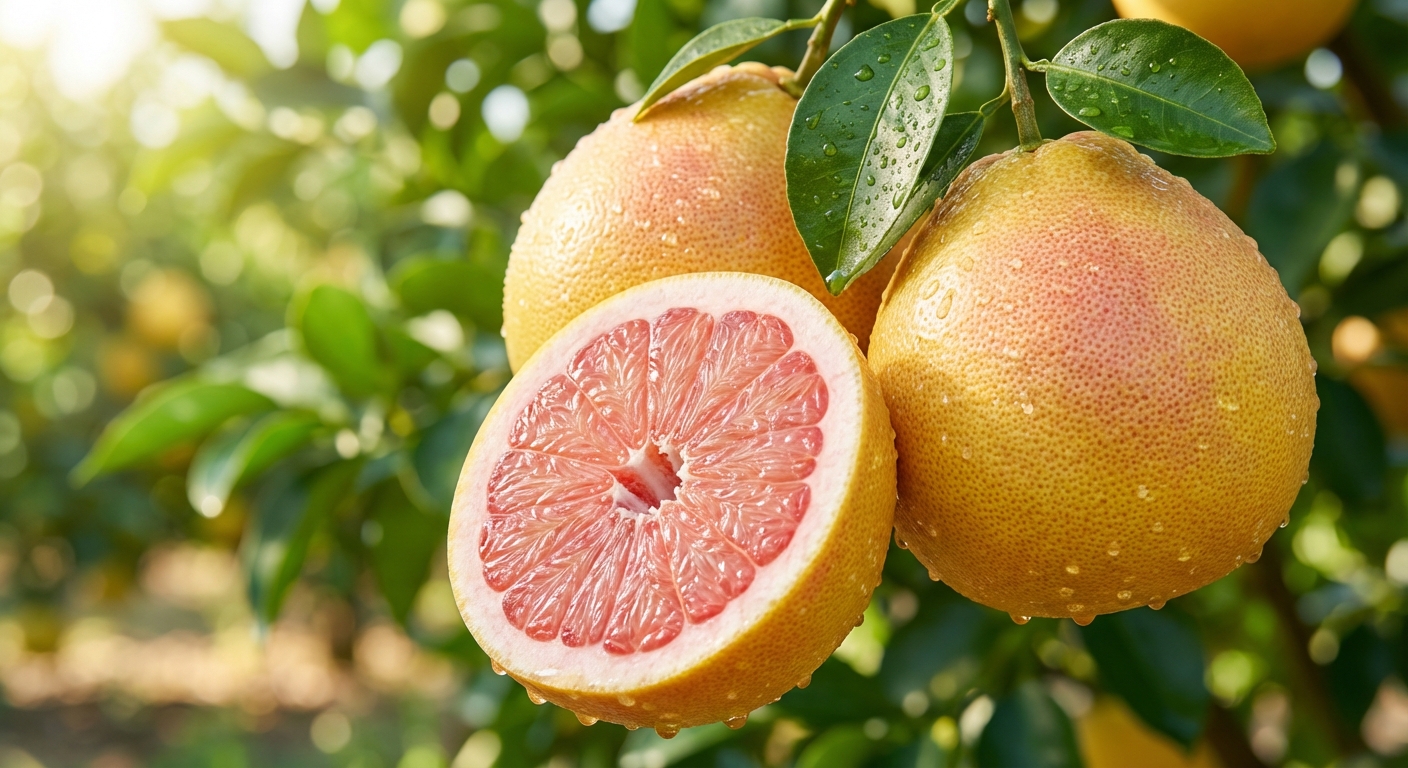
The rind deserves special mention. It's thick and aromatic, perfect for candying or zesting. Asian cooks prize pomelo rind for its essential oils and bitter compounds that balance rich dishes. Many home cooks discover that candied Chandler Pomelo rind rivals the finest imported citrus confections.
Fresh eating is simple: peel away the thick rind, separate the segments, and remove the tough membranes. What remains are large, juicy segments with a sweet, refreshing flavor that satisfies without overwhelming. Kids love them because they're naturally sweet. Adults appreciate the complex flavor that develops as you eat.
Culinary uses extend far beyond fresh eating:
- Salads: Pomelo segments add sweetness and texture to green salads and fruit salads
- Cocktails: Fresh pomelo juice creates unique cocktails with complex citrus flavor
- Preserves: The natural pectin content makes exceptional marmalades and jellies
- Asian dishes: Traditional som tam salads and Vietnamese spring rolls
- Desserts: Pomelo sorbet, fruit tarts, and citrus cakes
- Breakfast: Broiled pomelo halves with honey, like grapefruit but sweeter
How Do You Grow Chandler Pomelo Trees Successfully?
Growing Chandler Pomelos successfully starts with understanding what these trees need to thrive. After growing over 250,000 citrus trees at our South Texas nursery, we've learned that successful citrus growing comes down to US Citrus Nursery's Three Plant Pillars: mineral-based soil, live microbials, and complete organic fertilizer.
Let's start with climate requirements. Chandler Pomelos need warm summers and mild winters. They're hardy to about 28-30°F for brief periods, but prefer temperatures that stay above 35°F. In USDA zones 9-11, they can grow outdoors year-round. In colder zones, container growing lets you move them to protection during winter.
The soil requirements are critical. These large trees need excellent drainage and stable soil structure that won't change over time. That's why we developed Dr. Mani's Magic Super Soil, a mineral-based blend that never decomposes and provides permanent aeration for permanent plant health.
Most people try growing citrus in potting mix (pine bark sawdust). This suffocates the roots as it decomposes, consuming the oxygen that roots desperately need. Within six months, that potting mix becomes a root-strangling mess that leads to yellowing leaves, poor fruiting, and eventual tree death.
Super Soil contains one-third sand or sandy loam, one-third perlite or rice hulls, and one-third coco coir or peat moss, plus biochar, fertilizer, sulfur for pH control, volcanic ash, and live microbes. This creates permanent soil structure that supports healthy root development for years.
The second pillar involves live microbials. In nature, plant roots work with bacteria and fungi to unlock nutrients and fight diseases. Dr. Mani's Magic Plant Super Boost contains over 2,000 species of beneficial bacteria and 400-500 species of fungi, harvested from natural compost and stabilized with our proprietary method.
Apply Plant Super Boost monthly at 2 oz per gallon of water. These microbes colonize your tree's root zone, creating a living partnership that dramatically improves nutrient uptake and disease resistance.
The third pillar provides complete organic nutrition. Dr. Mani's Magic Crab, Kelp & Amino Acids (7-4-4) delivers all 12 essential nutrients without synthetic salts that kill beneficial microbes. Apply 1 oz per inch of trunk diameter monthly during the growing season (skip when temperatures drop below 40°F).
| Growing Requirement | Chandler Pomelo Needs |
|---|---|
| Climate Zones | USDA 9-11 outdoors, containers in colder zones |
| Temperature Range | Optimal 65-85°F, hardy to 28°F briefly |
| Sunlight | Full sun (8+ hours daily) |
| Soil Type | Mineral-based, well-draining, pH 6.0 |
| Watering | Deep, infrequent; follow care guide schedule |
| Container Size | Start 15-gallon, up-pot to 25-50 gallon as tree grows |
Watering follows our proven schedule based on temperature and humidity. In Super Soil, overwatering is nearly impossible because excess water drains immediately. Water when the top 2 inches feel dry, then drench until water runs from drainage holes.
Container growing works beautifully for Chandler Pomelos. Start with a 15-gallon container and up-pot as the tree grows. Eventually, you'll want a 25-50 gallon container for a mature tree. The key is maintaining proper drainage and using permanent soil that won't break down.
Why Do Home Growers Fall in Love with Chandler Pomelo Trees?
There's something magical about growing your own giant citrus. When friends visit and see football-sized fruit hanging from your tree, their reaction is priceless. "You grew that?" becomes the most common question, followed by "Can I try one?"
The Chandler Pomelo creates garden moments that last a lifetime. Families tell us about their December harvest traditions, where everyone gathers to pick the massive fruit together. Kids compete to find the biggest pomelo. Adults marvel at the weight of each fruit.
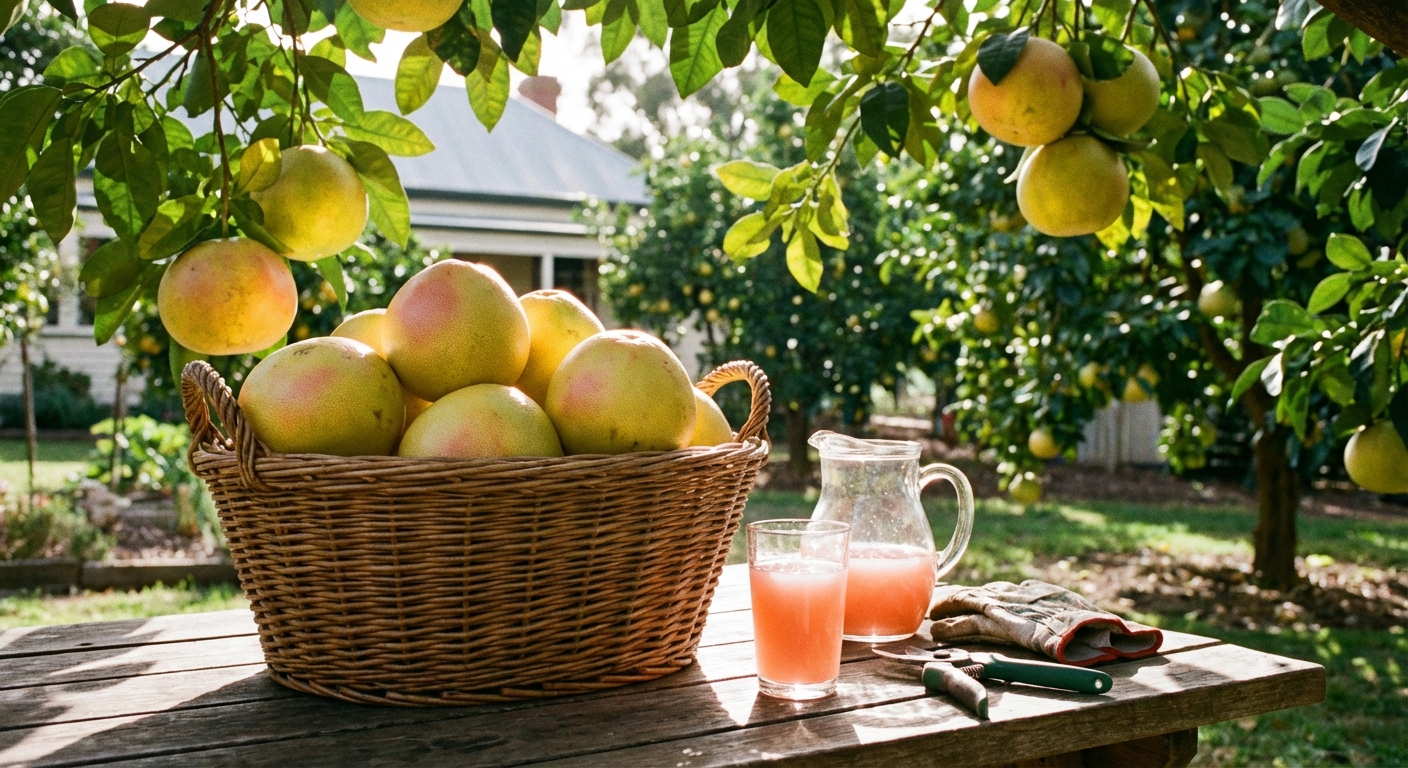
Unlike smaller citrus that you eat quickly, one Chandler Pomelo provides enough fresh fruit for several meals. You can share segments with neighbors, make fresh juice for breakfast, and still have fruit left for cooking projects. It's citrus abundance that keeps giving.
The tree itself becomes a landscape focal point. Even when not fruiting, the large glossy leaves and graceful pendulous branches create architectural interest. During bloom time in spring, the intense fragrance attracts beneficial insects and fills the air with sweet perfume.
Many growers discover that Chandler Pomelos store exceptionally well. Unlike oranges or lemons that deteriorate quickly after harvest, pomelos keep for weeks at room temperature and months in refrigeration. This extends the harvest season and lets you enjoy homegrown citrus well into spring.
The educational aspect appeals to families with children. Growing a Chandler Pomelo teaches kids about plant breeding, grafting, and patience. They learn that the best things in life often take time to develop, just like this tree that might take 3-4 years to produce its first significant crop.
What Are Some Surprising Facts About Chandler Pomelos?
Here's something most people don't know: the Chandler Pomelo can produce either seedy or seedless fruit depending on what other citrus trees grow nearby. When cross-pollinated by citrus with viable pollen, the fruit develops seeds. But grow it near pollen-sterile varieties like navel oranges or Satsuma mandarins, and you get seedless fruit.
This gives you control over your harvest. Want seedless fruit for easy eating? Plant it near navel oranges. Want seeds for growing new trees or sharing with friends? Plant it near other fertile citrus varieties. It's like having two different varieties in one tree.
The name "Chandler" honors Walter Chandler, a California citrus pioneer who supported UC Riverside's breeding program. But most people assume it's named after the city of Chandler, Arizona. The real Walter Chandler would be amazed to see his name on trees growing in backyards across America.
Chandler Pomelos ripen during the coldest months (December to February), making them perfect winter vitamin C sources when other fresh fruit is expensive or unavailable. This counter-seasonal ripening pattern comes from their Asian genetics, where pomelos traditionally ripened during cool, dry months.
The pink flesh color intensifies in cooler climates. Trees grown in hot desert areas produce lighter pink flesh, while those in coastal or mountain areas develop deep rose coloring. It's the same variety expressing different characteristics based on growing conditions.
Professional chefs prize Chandler Pomelos for their consistent size and flavor. Unlike wild variations in most citrus, the careful breeding that created the Chandler results in remarkably uniform fruit that meets restaurant standards for presentation and taste.
The original Chandler Pomelo tree still grows at UC Riverside's Citrus Research Center, nearly 65 years after its release. This mother tree has provided budwood for thousands of trees worldwide, making every Chandler Pomelo a genetic clone of that original breakthrough.
Why Does the Chandler Pomelo Deserve a Place in Your Garden?
Growing a Chandler Pomelo connects you to 4,000 years of citrus history while giving you fruit that most people have never tasted fresh. In a world where grocery stores offer the same dozen citrus varieties, your homegrown Chandler Pomelos represent something truly special.
The practical benefits are compelling. One tree produces 50-100 pounds of fruit annually once mature. That's enough fresh citrus to supply your family for months, with plenty to share with friends and neighbors. At grocery store prices for exotic citrus, your tree pays for itself within a few years.
The Chandler Pomelo thrives in containers, making it accessible to gardeners with limited space or cold climates. You can grow this magnificent tree on a patio, deck, or in a greenhouse, moving it to protection when needed. Container growing also lets you control soil conditions perfectly.
This variety represents American plant breeding at its finest. When you grow a Chandler Pomelo, you're supporting the tradition of agricultural innovation that makes American gardens the most diverse in the world. You're growing a piece of California citrus history.
The Three Plant Pillars approach makes Chandler Pomelo growing more reliable than ever. With mineral-based Super Soil that never needs replacement, live microbes that protect roots naturally, and complete organic fertilizer that feeds without burning, you can grow this impressive tree with confidence.
Ready to add this impressive citrus to your garden? Shop Chandler Pomelo Tree →
For the complete growing system that ensures your tree thrives for decades, consider our Three Plant Pillars bundle: Super Soil →, Plant Super Boost →, and our complete organic fertilizer for the foundation your citrus needs to produce those magnificent giant fruit year after year.
Want to explore more unique citrus varieties? Browse our complete citrus collection → to discover other rare and exceptional trees that will make your garden the talk of the neighborhood.
SUMMERY
The Chandler Pomelo Tree is a giant pink-fleshed pomelo developed by UC Riverside, known for its massive fruit, sweet flavor, and ancient citrus lineage. This vigorous citrus tree produces 2+ pound pomelos that ripen from December to February and store exceptionally well. Ideal for home gardens and containers, the Chandler pomelo thrives with proper mineral-based soil and organic care. Grow this rare pomelo variety to enjoy one of the largest and most impressive citrus fruits at home.


