


Frost Owari Satsuma Tree: Cold-Hardy Japanese Classic
It's December, and while your neighbors are bringing their citrus trees indoors, your Frost Owari Satsuma is still hanging heavy with sweet, seedless fruit in your backyard. Even after a light frost.
This is the magic of the Frost Owari Satsuma Tree. Born from California citrus innovation in 1916, this remarkable variety has earned its reputation as the most reliable cold-hardy citrus you can grow. When other citrus trees fail, the Frost Owari delivers.
After growing over 250,000 citrus trees at our nursery in South Texas, we've learned that success comes down to choosing the right variety for your climate and giving it what it needs to thrive. The Frost Owari Satsuma checks both boxes.

Organic Fertilizer | Crab, Kelp & Amino Acids (7‑4‑4) | Long-Lasting, Burn-Free Boost | Slow-Release Power for Steady Plant Growth
Key Takeaways
- Frost Owari Satsuma survives temperatures down to 15°F, making it ideal for Zone 8-11 gardeners
- This variety ripens early (October-December) with sweet, seedless, easy-peel fruit
- Developed in California in 1916, it's a proven American adaptation of Japanese Owari Satsuma
- Trees stay compact (8-12 feet) with a graceful spreading habit perfect for containers
- Fruit must be picked promptly but stores exceptionally well after harvest
- The Three Plant Pillars system ensures consistent production and cold hardiness
- Self-pollinating and incredibly productive, often fruiting within 2-3 years
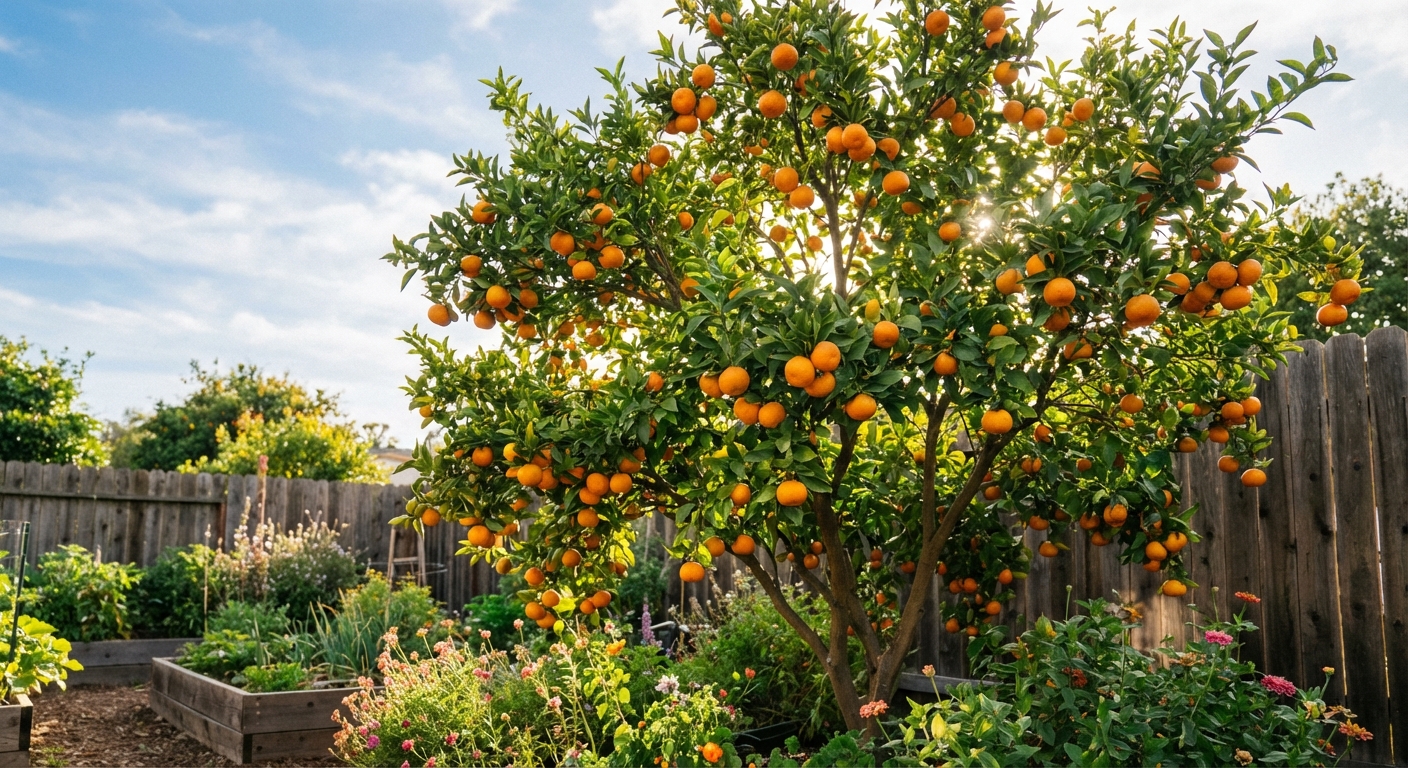
What Makes the Frost Owari Satsuma Special?
Most citrus trees are divas. They demand perfect conditions, specific temperatures, and constant babying. Not the Frost Owari.
This tree was bred for real-world growing conditions. It handles cold snaps that would kill other varieties. It produces reliable harvests year after year. And the fruit? Sweet, juicy, seedless perfection that peels like a dream.
You see, the Frost Owari represents everything we love about American citrus innovation. It takes the best qualities of ancient Japanese varieties and makes them work in American backyards.
Where Did the Frost Owari Satsuma Come From?
The story begins in ancient Japan, in the old province of Owari. For centuries, Japanese farmers grew a special type of mandarin called Satsuma. These trees were different from other citrus. They could handle cooler weather. They produced seedless fruit. They were perfect for Japan's climate.
But here's where it gets interesting. In 1878, a brave woman named Liza Hershey brought the first Satsuma trees to America. She planted them in northern Florida, hoping they would survive the cooler winters there.
They did more than survive. They thrived.
Soon, Satsuma trees were growing all along the Gulf Coast. From Alabama to Louisiana to Texas, these cold-hardy citrus trees found a new home. But the original Japanese varieties still had their limits.
That's where H.B. Frost comes in. In 1916, this California citrus pioneer discovered something special growing in the old Satsuma groves of Rubidoux Tract in Riverside. One tree was different. It was hardier. More productive. Better adapted to American growing conditions.
Frost saved seeds from this exceptional tree. He grew them out. He tested them. And he created what we now know as the Frost Owari Satsuma. According to the UCR Citrus Variety Collection, this variety has become one of the most important Satsuma selections in American citrus growing.
How Did Satsumas Reach America?
The journey from Japan to America wasn't easy. Those first trees had to survive long ocean voyages. They had to adapt to completely different soils and climates. Many didn't make it.
But the survivors were tough. They had what it takes to grow in the American South and Southwest. Over the decades, American growers selected the best performers. They chose trees that could handle heat and cold. Trees that produced reliable crops. Trees that American families could actually grow.
The Frost Owari represents the best of this selection process. It combines the cold hardiness that made Satsumas famous with the productivity and fruit quality that American growers demand.
Why Do Families Love Growing Frost Owari Satsumas?
There's something magical about peeling a fresh Satsuma on a cold winter morning. The bright orange skin comes off in perfect sections. The sweet, juicy flesh practically melts in your mouth. No seeds to worry about. No mess. Just pure citrus perfection.
This is why Satsumas have become part of American holiday traditions. Especially in the South, no Christmas is complete without a bowl of fresh Satsumas. Kids love them because they're easy to peel and sweet to eat. Adults love them because they're packed with vitamin C and natural energy.
The Frost Owari makes these family moments possible. While other citrus trees are dormant in winter, your Satsuma is loaded with ripe fruit just in time for the holidays.
What Does a Frost Owari Satsuma Tree Look Like?
The Frost Owari has a distinctive look that sets it apart from other citrus trees. Here's what you can expect:
Size and Shape: These trees stay relatively small, reaching 8-12 feet tall at maturity. They have a graceful, spreading habit with slightly drooping branches. This makes them perfect for containers or small yards.
Leaves: The leaves are dark green, glossy, and oval-shaped with a slightly pointed tip. They're smaller than orange or grapefruit leaves but larger than lime leaves. In cooler weather, you might notice the leaves develop purple tinges on the edges.
Branches: Young branches are green and flexible. As they mature, they turn brown and develop a slightly rough bark. The tree has few thorns, making it easy to harvest and maintain.
Growth Pattern: Frost Owari trees are moderate growers. They're not as vigorous as oranges or grapefruits, but they're steady and reliable. This slower growth actually helps with cold hardiness.
| Characteristic | Frost Owari Satsuma | Meyer Lemon | Valencia Orange |
|---|---|---|---|
| Mature Height | 8-12 feet | 6-10 feet | 12-20 feet |
| Cold Hardiness | 15°F | 20°F | 25°F |
| Fruit Season | October-December | Year-round | March-June |
| Thorniness | Few thorns | Few thorns | Many thorns |
What Do Frost Owari Satsumas Taste Like?
Close your eyes and imagine the perfect citrus experience. The fruit comes apart in your hands like it was designed for eating. The segments separate cleanly. The flavor hits you with bright sweetness balanced by just enough tartness to keep it interesting.
That's a ripe Frost Owari Satsuma.
The flesh is bright orange and incredibly juicy. Unlike some citrus that can be dry or fibrous, Satsumas have a tender, melting texture. The flavor is mild but rich, with subtle floral notes that make each bite complex and satisfying.
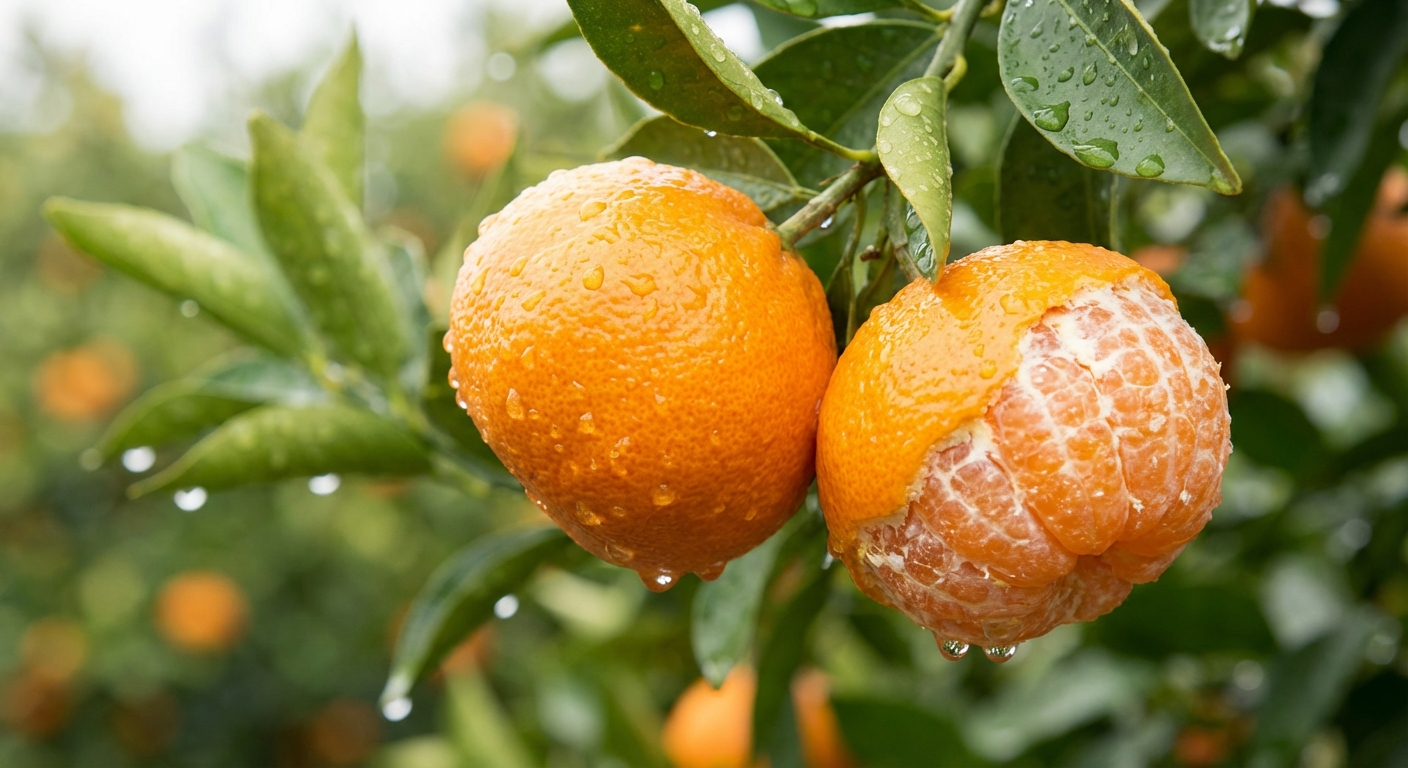
What makes them even better? No seeds. Ever. You can eat segment after segment without stopping to spit out seeds. Kids love this. Adults love this. Everyone loves this.
Culinary Uses:
- Fresh eating: Perfect for lunch boxes, snacks, and holiday treats
- Salads: Add segments to green salads or fruit salads for bright flavor
- Desserts: Use in tarts, sorbets, or as garnish for cakes
- Preserves: Make marmalades or jellies with the aromatic peel
- Juice: Fresh Satsuma juice is incredibly sweet and refreshing
- Baking: Zest adds bright citrus notes to cookies and breads
How Do You Grow a Frost Owari Satsuma Tree?
Here's what most people don't understand about growing citrus. Success isn't about following complex schedules or using expensive products. It's about giving your tree three things that work together.
We call this the Three Plant Pillars, and it's the foundation of everything we do at US Citrus Nursery:
Pillar 1: Mineral-Based Soil
Your Frost Owari needs soil that drains immediately but holds nutrients. That's why we use Dr. Mani's Magic Super Soil. Unlike potting mix that decomposes and suffocates roots, our mineral-based soil provides permanent aeration and optimal pH.
Pillar 2: Live Microbials
In nature, plants don't grow alone. They partner with billions of beneficial bacteria and fungi that help them absorb nutrients and fight diseases. Plant Super Boost delivers full-spectrum microbes that create this natural partnership.
Pillar 3: Complete Organic Nutrition
Frost Owari Satsumas need all 12 essential nutrients to produce those sweet, juicy fruits. Crab, Kelp & Amino Acids provides complete nutrition without synthetic salts that kill beneficial microbes.
Climate Requirements:
| Climate Factor | Optimal Range | Notes |
|---|---|---|
| Hardiness Zones | 8-11 | Can survive brief dips to 15°F |
| Summer Heat | 85-95°F ideal | Tolerates up to 105°F with adequate water |
| Humidity | 40-60% | Adapts to various humidity levels |
| Sunlight | 6-8 hours daily | Morning sun most important |
| Winter Protection | Above 15°F | Use frost cloth below 20°F |
Watering Schedule:
Follow our care guide schedule based on temperature and humidity:
- Below 60°F or indoors: Once per week
- 60-90°F, humid conditions: Twice weekly
- 60-90°F, dry conditions: Three times weekly
- Above 90°F, humid: Every other day
- Above 90°F, dry: Daily
Always water until water runs from drainage holes. In mineral-based soil, overwatering is nearly impossible because excess water drains immediately.
Why Do Home Growers Choose Frost Owari Satsuma Trees?
Ask any experienced citrus grower about their favorite variety, and the Frost Owari Satsuma comes up again and again. Here's why:
Reliability: This tree produces fruit year after year. No alternate bearing like some oranges. No sensitivity to weather fluctuations like some lemons. Just consistent, dependable harvests.
Early Harvest: While other citrus trees are just starting to ripen in spring, your Satsumas are ready for Thanksgiving dinner. This early harvest means you get fresh fruit when you want it most.
Cold Hardiness: If you live anywhere that gets occasional freezes, this is your citrus tree. It can handle brief temperatures down to 15°F. That opens up citrus growing to millions of gardeners who thought they couldn't grow citrus.
Container Friendly: The compact size and moderate growth rate make this perfect for container growing. You can move it to protect from extreme cold. You can control its environment. You can grow citrus even in small spaces.
Kid-Friendly Fruit: Parents love Satsumas because kids actually eat them. No seeds to choke on. Easy to peel. Sweet flavor that doesn't pucker their faces. It's the perfect healthy snack.
What Are Some Fascinating Facts About Frost Owari Satsumas?
Every great citrus variety has secrets. Here are some things you probably didn't know about the Frost Owari Satsuma:
The Name Game: "Owari" comes from an old province in Japan, but "Frost" comes from H.B. Frost, the California grower who developed this selection. So the name literally means "Frost's tree from Owari."
Christmas Connection: In Japan, Satsumas are traditional New Year's gifts. In America, they've become associated with Christmas. Many Southern families have bowls of fresh Satsumas as part of their holiday decorations.
The Seedless Mystery: Most citrus needs cross-pollination to produce fruit, which creates seeds. Satsumas are parthenocarpic, meaning they can produce fruit without pollination. That's why they're always seedless.
Color Confusion: Satsumas often ripen before they turn fully orange. You might have perfectly sweet, ripe fruit that still looks greenish. Don't wait for full color or you'll miss the best eating quality.
The Micro-budding Connection: At US Citrus Nursery, we use Dr. Mani's micro-budding technique to propagate our Frost Owari trees. This method, invented by Dr. Mani Skaria, produces stronger, more vigorous trees than traditional budding methods.
Scientific Classification: While most citrus are Citrus species crosses, Satsumas are pure Citrus unshiu. This distinct species gives them their unique cold hardiness and seedless fruit characteristics.
Why Does the Frost Owari Satsuma Deserve a Place in Your Backyard?
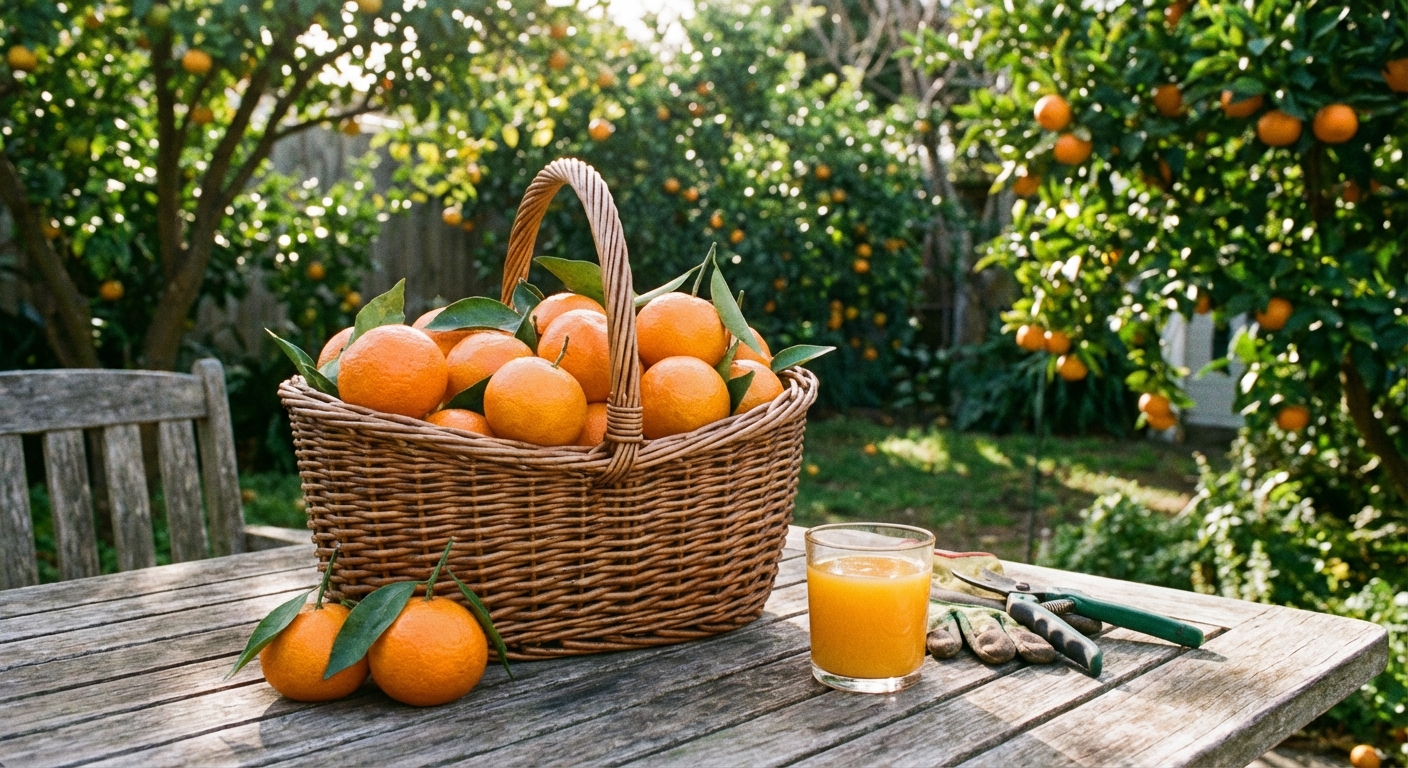
Let me paint you a picture. It's December 15th. There's frost on your lawn, but your Frost Owari Satsuma tree is loaded with bright orange fruit. You walk outside in your coat and pick a dozen perfect Satsumas for breakfast.
You peel one right there in the cold morning air. The skin comes off in perfect sections. The sweet juice runs down your fingers. The segments separate cleanly in your mouth. No seeds. No mess. Just pure sunshine captured in citrus form.
This is what the Frost Owari Satsuma brings to your life. It's not just a tree. It's fresh fruit when you want it most. It's holiday traditions with your family. It's the satisfaction of growing something beautiful and delicious.
But here's what makes it even better. When you give your Frost Owari the Three Plant Pillars foundation, you're not just growing a tree. You're creating a permanent source of fresh fruit that will produce for decades.
The mineral-based soil never needs replacing. The live microbes create a thriving root environment. The complete organic nutrition feeds your tree everything it needs without synthetic chemicals or salts.
Your neighbors will ask how you do it. How your citrus tree survives freezes that kill theirs. How your fruit tastes so much better than store-bought. How your tree produces so reliably year after year.
The answer is simple. You chose the right variety and gave it what it needs to thrive.
Ready to bring the dependable harvest of Frost Owari Satsuma to your garden? Our trees arrive ready to plant in Dr. Mani's Magic Super Soil, complete with the Three Plant Pillars foundation your tree needs for lifelong success.
Shop Citrus Trees and discover why thousands of home growers trust US Citrus Nursery for their citrus growing success.
Frequently Asked Questions
1. How cold hardy is a Frost Owari Satsuma tree?
A Frost Owari Satsuma tree is one of the most cold-hardy citrus varieties for home gardens. It can survive brief temperature drops to around 15°F and is generally recommended for USDA Zones 8–11. In areas where temperatures regularly fall below 20°F, protect the tree with frost cloth or move container-grown trees to a sheltered location.
2. When does a Frost Owari Satsuma tree produce fruit?
Frost Owari Satsumas typically ripen from October through December, making them an excellent early-season citrus variety. The fruit can be ready around Thanksgiving and is especially popular for fresh eating during the fall and winter holiday season.
3. Are Frost Owari Satsumas seedless?
Yes. Frost Owari Satsumas are naturally seedless under normal growing conditions because Satsumas can produce fruit without fertilization. This makes them particularly convenient for children, snacks, lunch boxes, and fresh eating.
4. How big does a Frost Owari Satsuma tree get?
A Frost Owari Satsuma typically reaches about 8–12 feet tall when mature, although its size can be maintained more easily when grown in a container. Its spreading, slightly drooping growth habit makes it suitable for backyard gardens and smaller landscapes.
5. Can you grow a Frost Owari Satsuma tree in a container?
Yes. Frost Owari Satsumas are well suited to container growing because they have a relatively compact growth habit and moderate vigor. Use a large container with excellent drainage and provide at least 6–8 hours of direct sunlight each day. Container growing also allows gardeners in colder climates to move the tree indoors or into protected areas during severe freezes.
6. How much sunlight does a Frost Owari Satsuma tree need?
A Frost Owari Satsuma performs best with approximately 6–8 hours of direct sunlight per day. Full sun supports healthy growth, flowering, fruit development, and better fruit quality. Morning sunlight is particularly beneficial in cooler climates.
7. How often should you water a Frost Owari Satsuma tree?
Water a Frost Owari Satsuma when the top 2 inches of soil feel dry. The exact frequency depends on temperature and humidity. In warm, dry conditions, container trees may require watering more frequently, while trees growing in cooler conditions need less water. Always water thoroughly until excess water drains from the container.
8. What type of soil is best for Frost Owari Satsuma trees?
Frost Owari Satsumas need well-draining soil that maintains good root aeration. The Three Plant Pillars approach described by US Citrus Nursery uses mineral-based soil, beneficial soil microbes, and complete organic nutrition. Dr. Mani's Magic Super Soil is designed as a permanent mineral-based growing medium that provides drainage and aeration for citrus roots.
9. Do Frost Owari Satsuma trees need another citrus tree for pollination?
No. Frost Owari Satsumas are self-pollinating and can produce fruit without a second citrus tree. Satsumas are also capable of producing fruit without fertilization, which helps explain their naturally seedless fruit. A second citrus tree is therefore not required to obtain a harvest.
10. Why is the Frost Owari Satsuma a good choice for cold climates?
The Frost Owari Satsuma is an excellent choice for gardeners who want to grow citrus in areas with occasional freezes because of its exceptional cold tolerance, early harvest season, compact size, and seedless fruit. It can tolerate brief temperatures down to approximately 15°F, although young trees and trees exposed to prolonged freezing temperatures still require protection.
About the Author
Ron Skaria, MD
Ron Skaria is the son of Dr. Mani. He trained as a medical doctor at Baylor College of Medicine, did his residency at UT Health Science Center - San Antonio and fellowship training at Texas Tech University. He now works full time on the family farm at US Citrus and US Citrus Nursery in Hargill, Texas, building Dr. Mani's Magic alongside his dad. He wrote the Brown Thumb Field Guide to put his father's 48 years of plant science into plain words any gardener can use. His belief is simple. You never had a brown thumb. You just never had the right help.


