


Fukushu Kumquat Tree: Large Round Citrus with Sweet Peel
A small, elegant tree sitting in your garden or on your patio, loaded with bright orange fruits that look like tiny oranges but pack a unique flavor punch you can eat whole, peel and all. That's the magic of the Fukushu Kumquat Tree.
Most people have never heard of the Fukushu kumquat. And that's a shame, because this Japanese treasure offers something no other citrus can: a sweet, edible peel wrapped around tart flesh that creates the perfect balance of flavors in every bite. While other kumquats are small and oval, the Fukushu stands out with its larger, rounder fruits and incredibly ornamental appeal.
After growing over 250,000 citrus trees at our South Texas nursery, we've discovered that the Fukushu kumquat is one of the most rewarding trees for home growers. It's compact, nearly thornless, and produces fruit year-round in the right conditions. But here's what most people don't know about this remarkable variety.

Plant Super Boost | High Performance Soil Life Activator | Bio-Active Root Zone Energizer
Key Takeaways
- Fukushu kumquats are the largest kumquat variety, with round, bell-shaped fruits up to 1.5 inches long
- The sweet, thin peel can be eaten whole while the orange flesh provides a tart contrast
- This thornless, compact tree is perfect for containers and small spaces
- Fruits ripen year-round in warm climates, providing continuous harvests
- Originally from Japan, it's considered a natural hybrid between two Fortunella species
- The tree's ornamental value makes it as beautiful as it is productive
- Success depends on proper soil, microbes, and organic nutrition (the Three Plant Pillars)
What Makes the Fukushu Kumquat Special?
The Fukushu kumquat isn't just another citrus variety. It's a conversation starter, a culinary adventure, and a gardening success story rolled into one compact tree.
Unlike the more common Nagami kumquat with its small, oval fruits, the Fukushu produces notably larger, rounder fruits that are easier to harvest and more satisfying to eat. The scientific name Fortunella obovata refers to its distinctive obovate (egg-shaped but broader at the top) fruit shape.
What sets this variety apart is the eating experience. The peel is sweet and aromatic, similar to orange zest but without the bitterness. The flesh inside is tart and juicy. When you eat them together, your taste buds get hit with sweet, then tart, then a complex citrus finish that lingers pleasantly.
Where Did the Fukushu Kumquat Originate?
The story of the Fukushu kumquat begins in the mountainous regions of Japan, where it's been treasured for centuries. In Japan, it's known as "Fukushu" (福州), which translates roughly to "fortunate province," hinting at the good luck this tree was believed to bring to households.
But the scientific community knows this variety by another name: Changshou kumquat. The UCR Citrus Variety Collection documents that seeds from this variety were first brought to the United States in 1963 from Okitsu, Shizuoka Prefecture, Japan, through the work of W.P. Bitters at the Citrus Research Center.
Here's where it gets interesting. Most botanists believe the Fukushu isn't a pure species at all. It's considered a natural hybrid between two different Fortunella species that occurred by chance in nature. This explains why its fruits are larger than typical kumquats and why the tree has such distinctive characteristics.
The variety spread throughout East Asia over centuries, becoming particularly popular in China where it was grown extensively as a potted plant for ornamental purposes. Chinese gardeners prized it not just for its fruit, but for its year-round beauty and compact size perfect for courtyard gardens.
How Did Fukushu Kumquats Reach America?
The journey of Fukushu kumquats to American soil is a tale of scientific curiosity and international cooperation. In 1963, Dr. W.P. Bitters from the University of California Citrus Research Center was on a research trip to Japan, studying citrus varieties that might thrive in California's Mediterranean climate.
Dr. Bitters was particularly intrigued by the Fukushu's ornamental potential. His notes from that trip describe "polyembryonic, light yellow-orange rind, smooth bell-shaped fruit" that was "introduced for ornamental purposes." He recognized that American gardeners would appreciate a citrus tree that looked beautiful while producing edible fruit.
The seeds he collected were planted at the UC Riverside campus, where they became part of the world's most comprehensive citrus collection. From there, the variety slowly spread to specialty nurseries and eventually to home gardeners across the Sun Belt states.
Today, Fukushu kumquats thrive in USDA zones 9-11, from Southern California to South Texas to Florida. They've found a particular following among container gardeners who appreciate their manageable size and year-round appeal.
What Role Do Fukushu Kumquats Play in Different Cultures?
In Japanese culture, kumquats symbolize good fortune and prosperity. The Fukushu variety, with its larger, more impressive fruits, holds special significance during New Year celebrations. Families display potted Fukushu trees as living decorations, believing they bring luck for the coming year.
Chinese tradition takes this symbolism even further. The word for kumquat sounds similar to the word for "gold" in several Chinese dialects. During Chinese New Year, Fukushu kumquat trees loaded with golden fruit represent wealth and abundance. Many Chinese-American families continue this tradition, keeping potted Fukushu trees in their homes year-round.
In Vietnam, kumquats are essential for Tet (Vietnamese New Year) celebrations. The Fukushu variety's larger size makes it particularly prized for traditional displays. The fruits are often preserved in salt or sugar to extend their symbolic presence throughout the year.
Modern American gardeners have embraced the Fukushu for different reasons. It represents the perfect marriage of beauty and function: a tree that looks stunning on a patio while producing unique, healthy snacks. Many families find that children are more willing to try "weird" citrus fruits when they can pick them fresh from their own tree.
What Does a Fukushu Kumquat Tree Look Like?
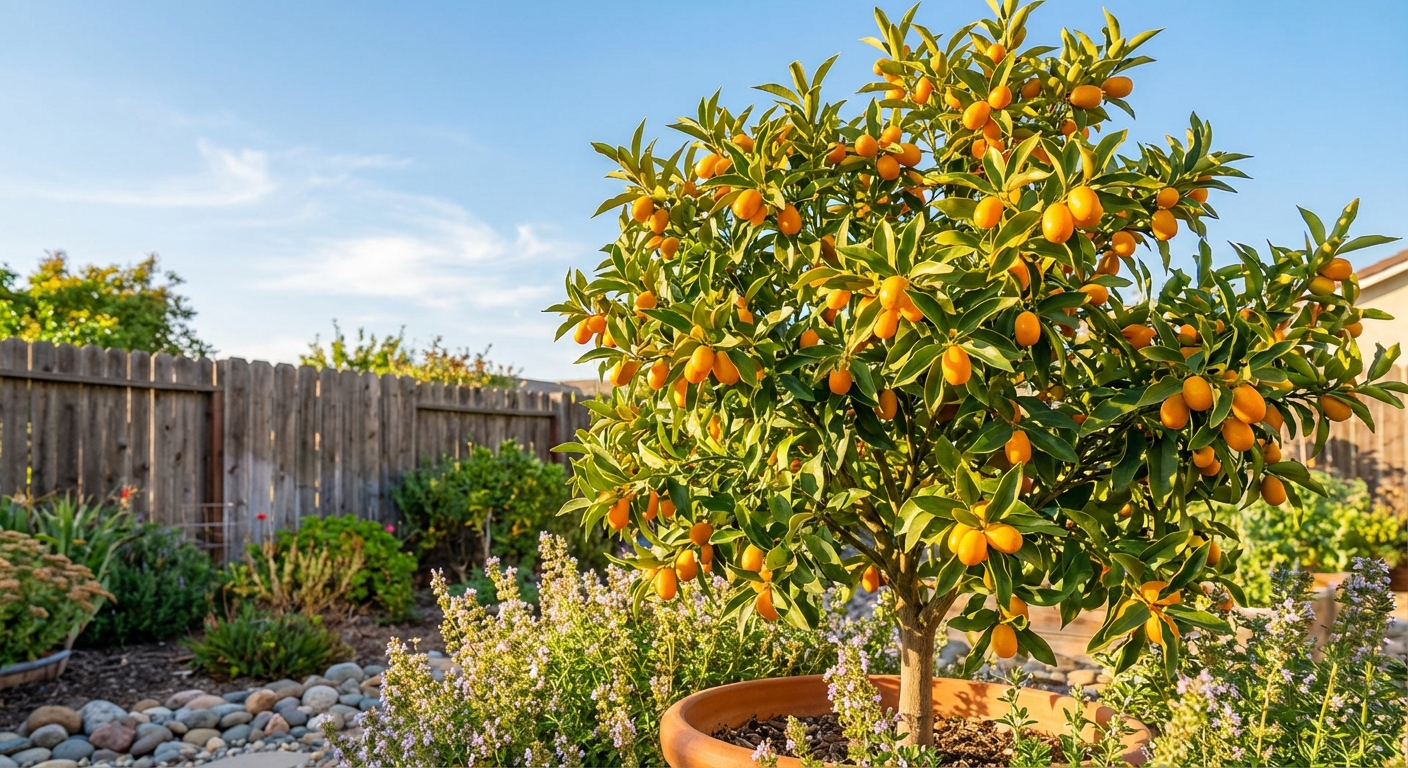
The Fukushu kumquat tree is nature's answer to the perfect patio plant. It naturally stays compact, rarely exceeding 8-10 feet in the ground and typically staying 4-6 feet in containers. The growth habit is spreading rather than upright, creating an attractive, rounded canopy.
One of the first things you'll notice is that this tree is essentially thornless. While some kumquat varieties bristle with sharp spines, the Fukushu is remarkably gentle to work around. This makes it perfect for families with children or for tight spaces where you might brush against branches.
The leaves are distinctive among kumquats. They're larger and broader than other Fortunella species, with a deep green color and glossy finish that catches sunlight beautifully. Each leaf is approximately 2-3 inches long with a slightly oval shape and pronounced veining.
The flowers appear in small clusters and are pure white with five petals each. They're intensely fragrant, with a sweet, orange-blossom scent that can perfume an entire patio when the tree is in bloom. In warm climates, flowering can occur from May through September, leading to fruit production nearly year-round.
| Characteristic | Fukushu Kumquat | Nagami Kumquat | Meiwa Kumquat |
|---|---|---|---|
| Tree Height | 4-6 ft (container), 8-10 ft (ground) | 6-8 ft (container), 12-15 ft (ground) | 4-6 ft (container), 8-10 ft (ground) |
| Fruit Size | 1-1.5 inches long | 0.75-1 inch long | 1-1.25 inches round |
| Fruit Shape | Round/oval, depressed apex | Oval, pointed ends | Round |
| Thorns | Nearly thornless | Moderate thorns | Few small thorns |
| Leaf Size | Large, broad | Small, narrow | Medium |
What Do Fukushu Kumquats Taste Like and How Are They Used?
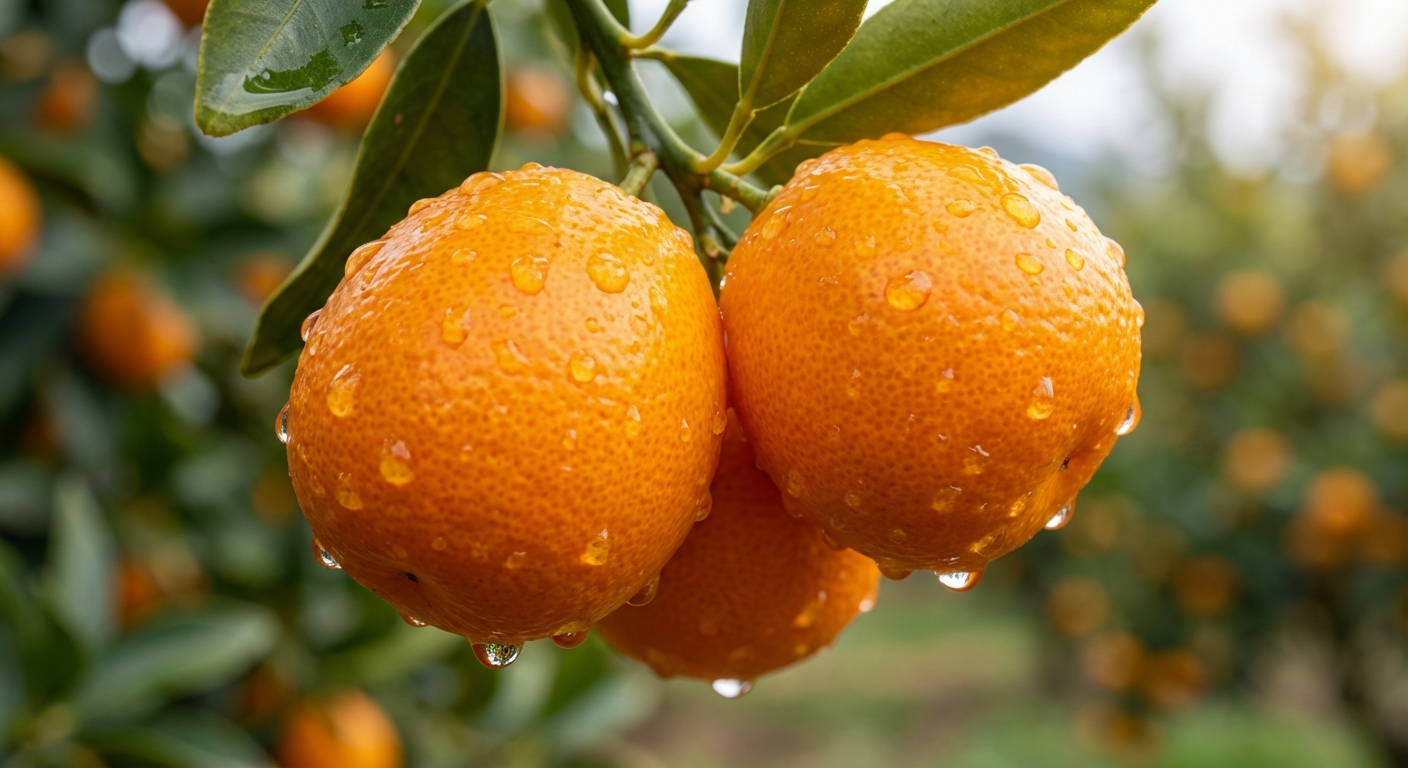
Eating a Fukushu kumquat is unlike any other citrus experience. You pop the entire fruit in your mouth, peel and all. First, your teeth break through the sweet, aromatic peel that tastes like concentrated orange zest mixed with honey. Then you hit the tart, juicy flesh that makes your mouth pucker slightly before the sweet peel flavor balances everything out.
The peel of the Fukushu is notably thinner than other kumquat varieties, making it more pleasant to eat. The flesh inside is bright orange, quite acidic, and contains 8-10 seeds that are larger than those found in Nagami kumquats. Most people either eat around the seeds or simply spit them out.
Fresh consumption is just the beginning. Fukushu kumquats shine in the kitchen:
- Marmalades and Preserves: The natural pectin in the peel creates perfect texture without added thickeners
- Cocktail Garnishes: Muddle them in drinks for intense citrus flavor, or slice and float for visual appeal
- Baking: Chop them into scones, muffins, or quick breads for bursts of sweet-tart flavor
- Salads: Slice thin and add to green salads or fruit salads for unexpected zing
- Candying: The thick peel holds up well to the candying process
- Asian Cooking: Traditional in stir-fries, sauces, and as pickled accompaniments
One unique characteristic of Fukushu kumquats is their high oil content in the peel. This makes them incredibly aromatic but can create a slightly acrid aftertaste if you eat too many at once. Most people find 3-5 fruits to be the perfect serving size.
How Do You Successfully Grow Fukushu Kumquat Trees?
Growing a thriving Fukushu kumquat comes down to understanding what this tree needs to succeed. After caring for thousands of these trees at our nursery, we've learned that success isn't about luck or having a "green thumb." It's about giving your tree the right foundation.
This is where US Citrus Nursery's Three Plant Pillars come into play. Every healthy plant needs three things working together: mineral-based soil that never decomposes, live microbes that protect and feed the roots, and complete organic nutrition without synthetic salts.
What Climate Do Fukushu Kumquat Trees Need?
Fukushu kumquats are among the most cold-hardy citrus varieties, surviving temperatures as low as 18-20°F when mature. They thrive in USDA zones 9-11 but can be grown in containers and moved indoors in colder climates.
These trees prefer full sun (6-8 hours daily) but will tolerate partial shade, especially in extremely hot climates. They're more heat-tolerant than many citrus varieties, handling summer temperatures over 100°F without stress when properly watered.
Humidity isn't critical, but they appreciate good air circulation to prevent fungal issues. In very dry climates, occasional misting of the foliage (not the fruit) can help maintain tree health.
What Soil Conditions Do They Require?
Here's where most people go wrong. They plant their Fukushu kumquat in regular potting mix from the big box store and wonder why it struggles. That potting mix is just pine bark sawdust that suffocates roots as it decomposes.
Fukushu kumquats need mineral-based soil that drains immediately but holds nutrients. The roots require constant access to oxygen, which decomposing organic matter consumes. This is why Dr. Mani's Magic Super Soil works so well for these trees. It's a permanent, mineral-based blend that never needs replacing.
The soil should have a pH around 6.0, which allows optimal nutrient uptake. Super Soil is pre-adjusted to this pH with sulfur, so you never need to test or adjust anything.
How Should You Water Fukushu Kumquat Trees?
Watering frequency depends on your climate conditions, not a rigid schedule. Check the top 2 inches of soil with your finger. When it feels dry, it's time to water deeply.
| Temperature/Humidity | Watering Frequency | Notes |
|---|---|---|
| Under 60°F or Indoors | Once per week | Reduced growth, less water needed |
| 60-90°F, Humid | Twice weekly | Optimal growing conditions |
| 60-90°F, Dry | Three times weekly | Increase if windy or full sun |
| Over 90°F, Humid | Every other day | Watch for heat stress |
| Over 90°F, Dry | Daily | May need twice daily in extreme heat |
Always use the drench method: water slowly until water runs from the drainage holes. This ensures the entire root system gets moisture and flushes away any salt buildup.
What About Fertilizing and Soil Biology?
This is where the second and third Plant Pillars come in. Your Fukushu needs complete nutrition and beneficial microbes to thrive.
Dr. Mani's Magic Crab, Kelp & Amino Acids (7-4-4) provides all 12 essential nutrients in organic, slow-release form. Apply 1 ounce per inch of trunk diameter monthly when temperatures are above 40°F. This feeds your tree without the salt damage that synthetic fertilizers cause.
The live microbes in Plant Super Boost create a thriving ecosystem around your roots. These bacteria and fungi protect against diseases, help roots absorb nutrients, and build overall tree resilience. Apply 2 ounces per gallon of water monthly.
Why Do Home Growers Fall in Love with Fukushu Kumquats?
There's something magical about having a Fukushu kumquat tree in your space. Maybe it's the way the morning sun catches the glossy leaves. Maybe it's the surprise on guests' faces when you hand them a fresh kumquat and tell them to eat the whole thing. Or maybe it's the satisfaction of growing something truly unique.
Parents love these trees because kids are fascinated by fruit they can eat "skin and all." It's a great way to get children interested in fresh, healthy snacks. The fruit is naturally portion-controlled and packed with vitamin C, fiber, and antioxidants.
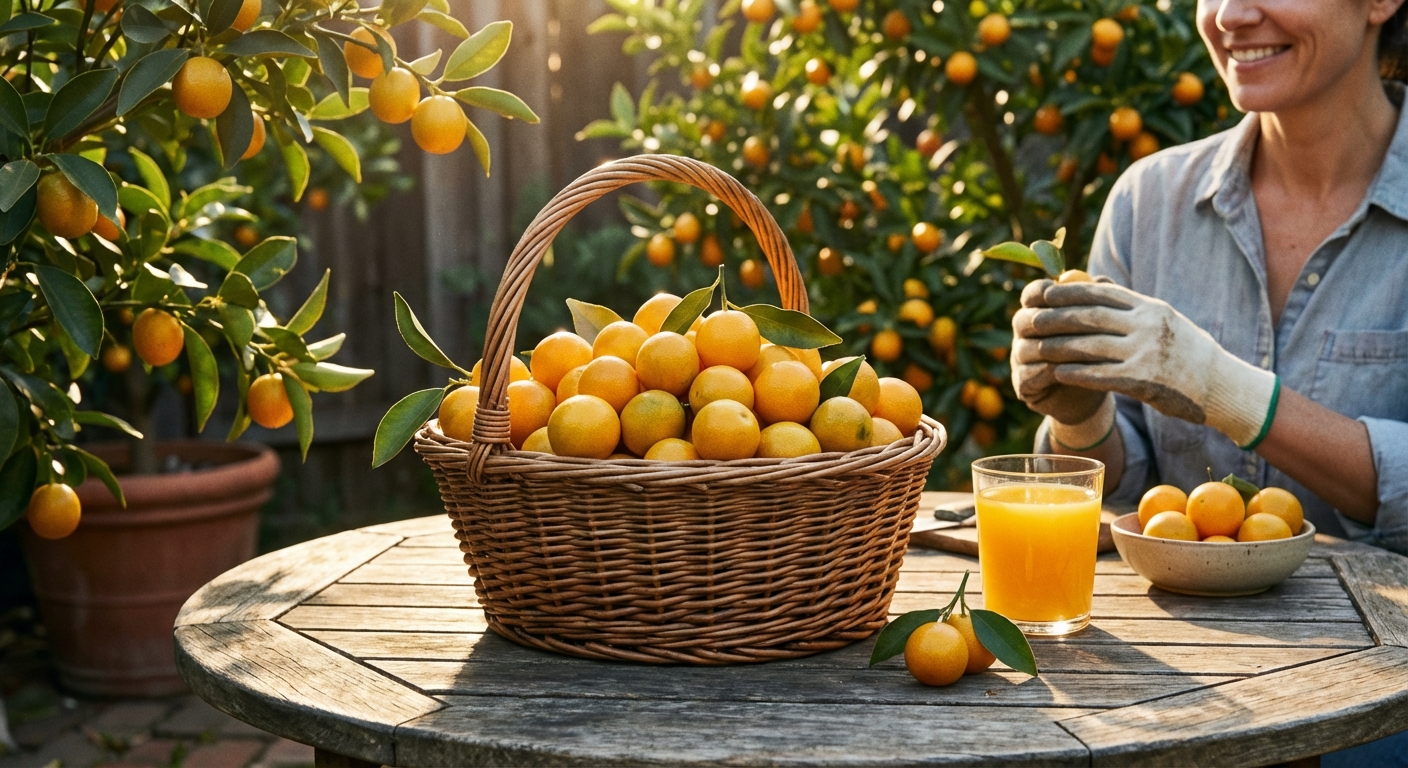
Container gardeners appreciate that Fukushu kumquats stay naturally compact while producing meaningful harvests. A mature tree in a large pot can yield 50-100 fruits per year. That's enough for fresh eating, cooking experiments, and sharing with neighbors.
The ornamental value is hard to beat. Even when not fruiting, the glossy foliage and spreading form make it an attractive landscape plant. When loaded with bright orange fruits, it becomes a conversation piece that draws attention and compliments.
For many growers, there's also the satisfaction of growing something uncommon. While everyone has heard of oranges and lemons, the Fukushu kumquat makes you feel like you're part of an exclusive club of citrus enthusiasts.
What Are Some Fascinating Facts About Fukushu Kumquats?
The Fukushu kumquat holds several secrets that even experienced citrus growers don't know:
The Name Game: "Fukushu" is just one of several names for this variety. It's also called Changshou, Choju kinkan, and sometimes "large round kumquat." The scientific community can't even agree on whether it's a true species or a hybrid.
Polyembryonic Seeds: Each seed can produce multiple seedlings. If you plant Fukushu seeds, don't be surprised if 2-3 plants emerge from a single seed. Most will be identical to the parent tree (nucellar embryos), but one might be different if it came from sexual reproduction.
Year-Round Production: In ideal climates, Fukushu trees can have flowers, small fruits, and ripe fruits all at the same time. This extended harvest season means fresh kumquats for months instead of just a few weeks.
The Oil Connection: The high essential oil content in the peel is why these fruits are so aromatic. The same oils that make them smell amazing can also make them slightly bitter if you eat too many. It's nature's way of encouraging moderation.
Container Champion: Unlike many citrus varieties that suffer in pots, Fukushu kumquats actually seem to prefer container growing. The restricted root space keeps them compact while concentrating fruit production.
Cold Hardy Surprise: Despite being a citrus, mature Fukushu trees can survive brief periods down to 18°F. The fruit might freeze, but the tree often survives and rebounds quickly.
Why Does the Fukushu Kumquat Deserve a Place in Your Garden?
In a world full of ordinary citrus choices, the Fukushu kumquat stands apart. This isn't just another fruit tree. It's a connection to Japanese gardening traditions, a conversation starter, and a source of unique culinary adventures all rolled into one compact, beautiful package.
Think about it: how many fruit trees can you plant in a large container on your patio and expect year-round beauty plus a meaningful harvest? The Fukushu delivers both without the thorns, massive size, or finicky care requirements of other citrus varieties.
For families, it's an educational tool that gets kids excited about trying new foods. For cooking enthusiasts, it opens up entirely new flavor possibilities. For gardeners in small spaces, it proves that you don't need a large yard to grow something special.
The best part? When you establish the Three Plant Pillars (mineral-based soil, live microbes, and organic nutrition), your Fukushu kumquat becomes nearly bulletproof. No more watching plants die from root rot. No more wondering why your tree isn't thriving. Just healthy growth, abundant flowers, and unique fruit that makes every harvest feel like a small celebration.
Ready to add this remarkable Japanese treasure to your garden? A healthy Fukushu kumquat tree, planted in proper soil with the right nutrition, will reward you with decades of beauty, fragrance, and delicious fruit. It's not just a tree purchase. It's an investment in years of gardening joy and culinary discovery.
Browse our citrus collection to find the perfect Fukushu kumquat for your space, and give your tree the foundation it needs to thrive with our complete Three Plant Pillars system.
Frequently Asked Questions
1. What is a Fukushu kumquat tree?
The Fukushu kumquat tree is a compact Japanese citrus variety known for its large, round to bell-shaped orange fruits, sweet edible peel, and tart, juicy flesh. Also called Changshou kumquat, it is nearly thornless, highly ornamental, and well suited to containers, patios, and small gardens. In warm climates, Fukushu kumquats can produce flowers and fruit nearly year-round.
2. Can you eat Fukushu kumquats with the peel?
Yes, Fukushu kumquats are meant to be eaten whole, including the peel. The thin, aromatic peel has a naturally sweet flavor that balances the tartness of the orange-colored flesh inside. Simply wash the fruit and eat it whole, although Fukushu kumquats can contain several seeds that you may want to remove.
3. What do Fukushu kumquats taste like?
Fukushu kumquats have a distinctive sweet-and-tart flavor. The edible peel tastes sweet and aromatic, with flavors similar to concentrated orange zest and honey, while the flesh is tart, juicy, and acidic. Eating the peel and flesh together creates a balanced citrus flavor that is both sweet and refreshing.
4. How big do Fukushu kumquat fruits get?
Fukushu kumquats are among the larger kumquat varieties, with fruits typically measuring about 1 to 1.5 inches long. Their fruits are round to oval with a distinctive depressed or bell-shaped apex. Their larger size makes them particularly attractive for fresh eating and ornamental displays.
5. How big does a Fukushu kumquat tree get?
A Fukushu kumquat tree typically reaches about 8 to 10 feet tall when planted in the ground. When grown in a container, it generally stays around 4 to 6 feet tall, making it an excellent choice for patios, balconies, small gardens, and other limited spaces.
6. Is the Fukushu kumquat tree cold hardy?
Yes, Fukushu kumquat trees are relatively cold hardy compared with many other citrus varieties. Mature trees can survive brief temperatures around 18–20°F, although freezing temperatures can damage or kill fruit. Fukushu kumquats are generally suited to USDA Zones 9–11, while container-grown trees can be moved to protected locations in colder climates.
7. Can you grow a Fukushu kumquat tree in a container?
Yes. Fukushu kumquats are particularly well suited to container growing because they naturally remain compact and have a spreading growth habit. A container-grown tree can provide attractive evergreen foliage, fragrant flowers, and meaningful fruit production while taking up relatively little space. Containers also make it easier to protect the tree from extreme cold.
8. How much sunlight does a Fukushu kumquat tree need?
Fukushu kumquat trees perform best with approximately 6–8 hours of direct sunlight per day. They can tolerate some partial shade, particularly in extremely hot climates, but providing adequate sunlight supports healthy growth, flowering, and fruit production.
9. How often should you water a Fukushu kumquat tree?
Watering frequency depends on temperature, humidity, sunlight, and growing conditions. Check the top 2 inches of soil and water when it feels dry. When watering, apply water slowly and deeply until it drains from the container or planting area's drainage holes. Avoid keeping the roots continuously soggy, as good drainage is essential for healthy Fukushu kumquat roots.
10. How do you grow a healthy Fukushu kumquat tree?
Growing a healthy Fukushu kumquat starts with well-draining soil, adequate sunlight, consistent watering, and complete nutrition. The Three Plant Pillars approach described by US Citrus Nursery focuses on mineral-based soil, beneficial live microbes, and complete organic nutrition. Fukushu kumquats also benefit from good air circulation and protection from temperatures below their tolerance range. Container-grown trees should have excellent drainage and can be moved indoors or to a protected location during severe cold.
About the Author
Ron Skaria, MD
Ron Skaria is the son of Dr. Mani. He trained as a medical doctor at Baylor College of Medicine, did his residency at UT Health Science Center - San Antonio and fellowship training at Texas Tech University. He now works full time on the family farm at US Citrus and US Citrus Nursery in Hargill, Texas, building Dr. Mani's Magic alongside his dad. He wrote the Brown Thumb Field Guide to put his father's 48 years of plant science into plain words any gardener can use. His belief is simple. You never had a brown thumb. You just never had the right help.


