


Nippon Orangequat Tree, the Rare Citrus Fusion That Thrills Collectors
Some citrus trees become famous for their massive, juicy fruit. Others win hearts with their perfect sweet flavor. But then there's the Nippon Orangequat Tree, a rare citrus hybrid that captivates collectors for an entirely different reason: it's one of the most unusual citrus fusions ever created.
This small, ornamental tree produces tiny orange fruits that pack the complex flavor of both mandarin and kumquat into each bite. The Nippon Orangequat isn't just rare because it's hard to find. It's rare because it represents something special in citrus breeding history.
Most people have never heard of this tree. Even fewer have tasted its unique fruit. But for serious citrus collectors and those who love growing unusual varieties, the Nippon Orangequat offers something you simply cannot get from any other citrus tree.

Organic Fertilizer | Crab, Kelp & Amino Acids (7‑4‑4) | Long-Lasting, Burn-Free Boost | Slow-Release Power for Steady Plant Growth
Key Takeaways
- The Nippon Orangequat is a hybrid cross between Satsuma mandarin and Meiwa kumquat, creating a truly unique flavor profile
- This slow-growing, compact tree produces small orange fruits perfect for marmalade and ornamental display
- Developed in Washington DC in the early 1900s, it represents an important piece of American citrus breeding history
- The fruit ripens early but holds well on the tree for several months, extending the harvest window
- While too sour for fresh eating, the fruits make exceptional preserves and add visual appeal to any garden
- This collector's variety thrives in containers with proper mineral-based soil, live microbes, and complete organic fertilizer
- The tree's compact size and attractive dark green foliage make it ideal for small spaces and ornamental plantings
What Makes the Nippon Orangequat Special?
The Nippon Orangequat stands apart in the citrus world because it's not trying to be the biggest, sweetest, or most productive tree. Instead, it offers something more valuable to collectors: genuine rarity combined with fascinating genetics.
This tree produces small, broadly oval fruits that are larger than kumquats but smaller than most oranges. The orange-colored skin is relatively thick and spongy, while the flesh inside delivers a complex flavor that's both mild and acidic. It's this unique combination that makes the Nippon Orangequat a true collector's item.
What really sets this tree apart is its parentage. The cross between Satsuma mandarin and Meiwa kumquat created something entirely new in the citrus world. You get the best characteristics of both parents: the mandarin's attractive color and size, combined with the kumquat's ability to be eaten whole and processed into preserves.
Ancient Origins: How Did This Hybrid Come to Exist?
The story of the Nippon Orangequat begins in the early 1900s with ambitious citrus breeders who wanted to create something the world had never seen. Unlike ancient citrus varieties that evolved naturally over thousands of years, this hybrid was deliberately created through careful cross-pollination.
The parent varieties tell an interesting story. Satsuma mandarins originated in Japan and were prized for their sweet, easy-to-peel segments. Meiwa kumquats, also from Asia, brought their unique characteristic of edible skin and intense flavor. When breeders crossed these two varieties, they were hoping to combine the best of both worlds.
The original work was done by USDA researchers who were part of a larger effort to create new citrus varieties for American growers. This was during a time when plant breeders were experimenting with all kinds of citrus crosses, trying to develop varieties that could expand citrus growing into new climates and markets.
According to research documented in the UCR Citrus Variety Collection, the Nippon Orangequat was originally developed in Washington DC, though the exact details of its creation remain somewhat mysterious. What we do know is that this hybrid represents the innovative spirit of early American citrus breeding programs.
Journey to America: From Lab to Landscape
The path of the Nippon Orangequat from experimental hybrid to collector's tree is as interesting as the fruit itself. The variety was apparently first developed in Washington DC, but like many experimental citrus varieties of that era, it took a winding path to reach growers.
Records show that the variety made its way to Florida before being introduced into the Plant Introduction (PI) system. In 1935, cuttings were received from Florida through HP Traub at the USDA Orlando facility. The variety was then numbered in 1944, making it part of the official USDA germplasm collection.
From Florida, budwood eventually made its way to Ted Frolich at the UCLA Variety Collection in 1960. This movement between research stations shows how valuable experimental varieties were shared among citrus researchers across the country.
The fact that this variety survived and was maintained through multiple research programs tells us something important: even though it never became commercially popular, researchers recognized its value for breeding programs and genetic diversity.
Cultural Significance: The Collector's Prize
The Nippon Orangequat occupies a unique place in citrus culture. It's not a variety that feeds families or drives commercial orchards. Instead, it represents something more valuable to serious growers: the thrill of growing something truly rare.
In Japan, where both parent varieties originated, there's a long tradition of appreciating plants for their beauty and uniqueness rather than just their utility. The concept of "mono no aware" (the awareness of the impermanence of things) applies perfectly to rare citrus varieties like the Nippon Orangequat. Their rarity makes them more precious.
For American citrus collectors, this tree represents a direct connection to the innovative spirit of early USDA breeding programs. Growing a Nippon Orangequat means participating in a living piece of horticultural history.
The tree also fits perfectly into the modern trend toward unusual and heirloom varieties. While most people grow Meyer lemons or navel oranges, the collector who grows Nippon Orangequat has something that sparks conversation and curiosity.
What Does the Nippon Orangequat Tree Look Like?
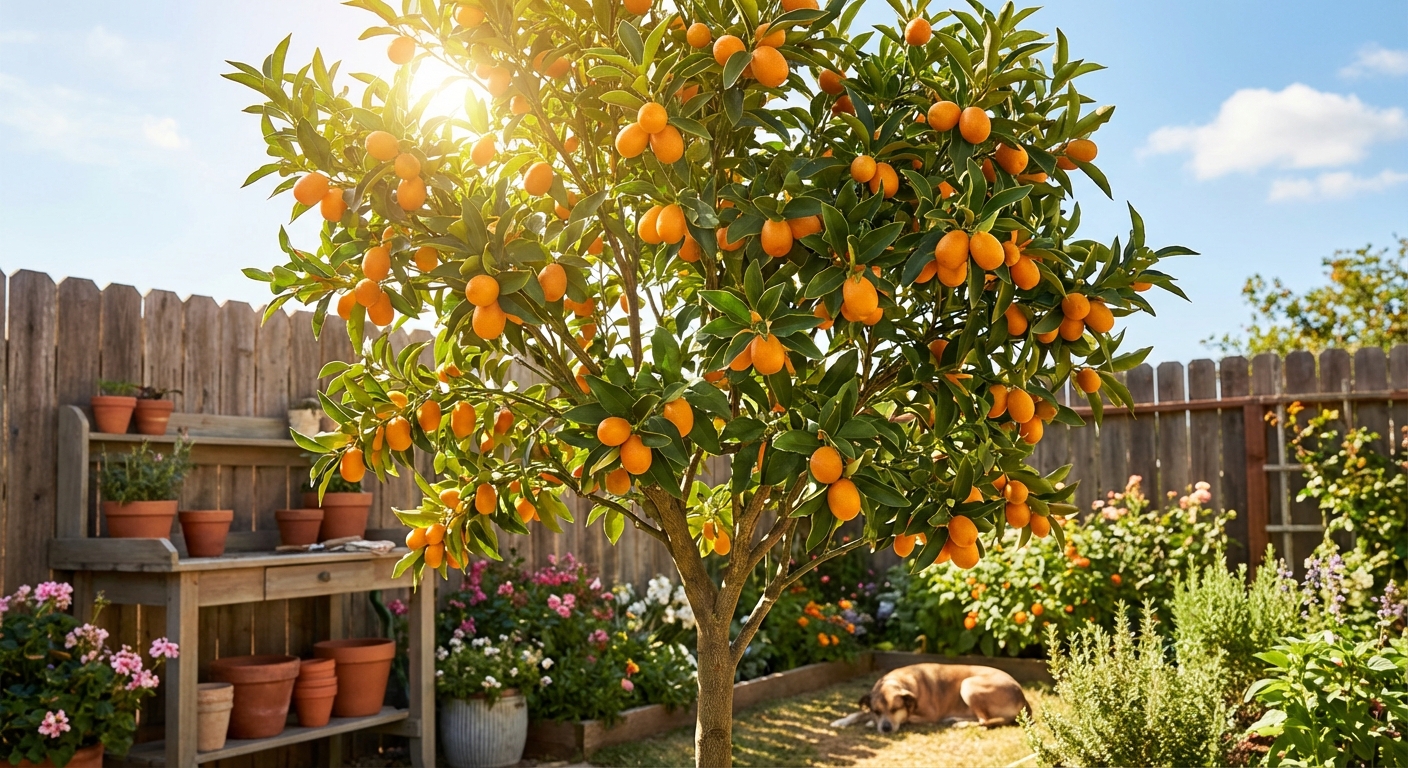
The Nippon Orangequat Tree is a study in elegant compactness. This slow-growing tree typically reaches a mature height of 8 to 12 feet, making it perfect for container growing or small garden spaces.
The growth habit is naturally spreading rather than upright, creating an attractive, rounded canopy that works well as an ornamental specimen. The dark green foliage provides a beautiful backdrop for the bright orange fruits that appear in fall and winter.
Like its kumquat parent, this tree can produce thorns, though they're generally not as prominent as those found on other citrus varieties. The leaves are medium-sized and have the glossy, deep green color typical of healthy citrus foliage.
Here's what makes this tree particularly attractive as an ornamental:
| Characteristic | Description | Ornamental Value |
|---|---|---|
| Tree Size | 8-12 feet mature height | Perfect scale for home landscapes |
| Growth Rate | Slow to moderate | Easy to maintain size and shape |
| Canopy Shape | Naturally spreading, rounded | Attractive form without heavy pruning |
| Foliage | Dark green, glossy leaves | Year-round visual interest |
| Fruit Display | Small orange fruits hold for months | Extended season of colorful display |
The tree blooms with typical citrus flowers, small and white with an intense fragrance. But it's really the fruit display that makes this tree special as an ornamental. The small orange fruits create a beautiful contrast against the dark green leaves.
The Fruit: A Unique Flavor Experience
The Nippon Orangequat fruit is where this tree's unique genetics really shine. These small fruits are larger than typical kumquats but much smaller than most oranges, usually measuring about 1 to 1.5 inches in diameter.
The shape is broadly oval to obovate, giving the fruits an attractive, slightly pear-like appearance. The skin is bright orange when ripe, with a relatively thick and spongy texture that's characteristic of the kumquat influence in its genetics.
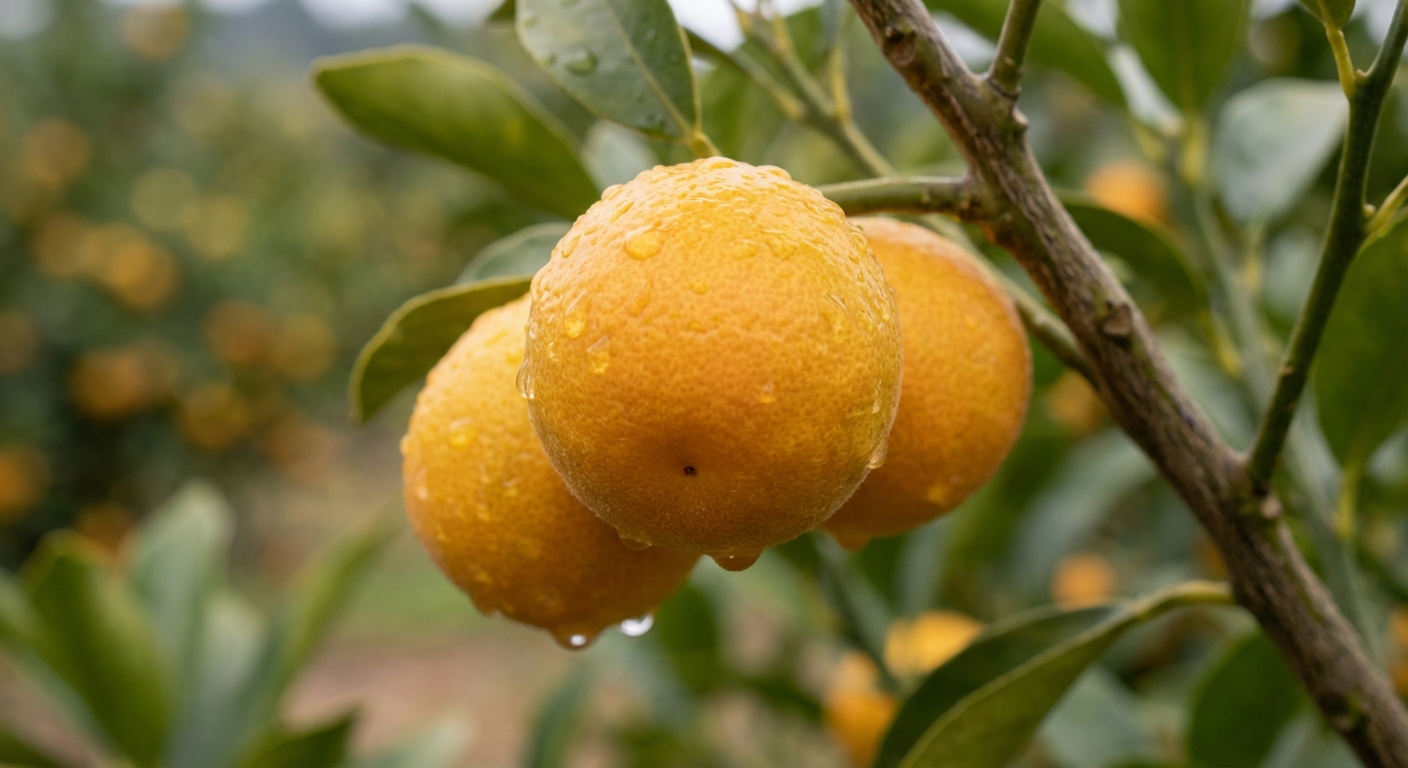
Inside, the flesh is juicy with few seeds, which is a definite advantage for culinary use. However, the flavor is quite tart and acidic, making these fruits better suited for cooking and preserving rather than fresh eating.
Here's the flavor breakdown:
- Skin: Mildly sweet with a slight bitterness, typical of kumquats
- Flesh: Very tart and acidic, similar to a sour mandarin
- Overall: Complex flavor that works beautifully in preserves and marmalades
- Seeds: Few seeds per fruit, making processing easier
The fruit's high acid content and unique flavor make it exceptional for marmalade making. The thick skin provides plenty of natural pectin, while the tart flesh adds complexity that you simply can't get from sweet oranges.
Many growers report that while the fruit is too sour for fresh eating, it creates some of the most flavorful and complex preserves they've ever made. The combination of mandarin and kumquat characteristics creates a preserve with both bright acidity and deep, complex flavors.
Growing Guide: How to Successfully Grow Nippon Orangequat
Growing the Nippon Orangequat successfully requires understanding that this tree has specific needs that differ from more common citrus varieties. Its slow growth rate and compact size make it ideal for container growing, but you need to provide the right foundation for long-term health.
The key to success with any citrus variety, including rare ones like the Nippon Orangequat, lies in US Citrus Nursery's Three Plant Pillars system:
Pillar 1: Mineral-Based Soil
This tree needs permanent, well-draining soil that never decomposes. Traditional potting mix will suffocate the roots as it breaks down. Dr. Mani's Magic Super Soil provides the mineral-based foundation that keeps roots healthy for decades.
Pillar 2: Live Microbials
The slow-growing nature of this tree means it needs all the help it can get from beneficial soil microbes. These microbes protect roots, unlock nutrients, and build the tree's natural resistance to stress.
Pillar 3: Complete Organic Fertilizer
Rare varieties like the Nippon Orangequat can't afford nutrient deficiencies. They need all 12 essential nutrients in a slow-release, organic form that works with soil biology rather than against it.
Climate Requirements
The Nippon Orangequat is hardy in USDA zones 9-11, but its compact size makes it excellent for container growing in colder climates. You can bring container trees indoors during winter in zones 8 and below.
This tree actually prefers slightly cooler conditions than some citrus varieties, making it a good choice for areas that might be marginal for other citrus. The fruits ripen early but hold well on the tree, giving you flexibility in harvest timing.
| Growing Condition | Requirement | Notes |
|---|---|---|
| Hardiness Zones | 9-11 (containers in 8) | Bring indoors below 32°F |
| Sunlight | 6-8 hours direct sun | Morning sun essential |
| Soil pH | 6.0-6.5 | Super Soil pre-adjusted |
| Water Needs | Deep, infrequent watering | Allow top 2" to dry between waterings |
| Container Size | 20+ gallon minimum | Slow growth allows smaller containers initially |
Planting and Care
When planting your Nippon Orangequat, choose a location with morning sun and protection from harsh afternoon heat. This tree appreciates good air circulation but protection from strong winds.
For container growing, start with at least a 20-gallon pot with excellent drainage. The slow growth rate means you won't need to up-pot as frequently as faster-growing varieties, but when you do, move to a container only 2-4 inches larger in diameter.
Water when the top 2 inches of soil feel dry to the touch. In mineral-based soil, this tree is nearly impossible to overwater, but you still want to allow the soil surface to dry between waterings.
Feed monthly during the growing season with complete organic fertilizer. Use 1 ounce of Crab, Kelp & Amino Acids per inch of trunk diameter, applied monthly when temperatures are above 40°F.
Why Home Growers Love This Rare Tree
The Nippon Orangequat attracts a very specific type of home grower: those who value rarity, history, and the satisfaction of growing something truly unique. Here's why collectors and serious citrus enthusiasts choose this variety:
Conversation Starter
Most people have never heard of an orangequat, let alone tasted one. Having this tree in your garden instantly makes you the neighborhood citrus expert. Visitors always want to know more about the unusual fruit and the story behind it.
Perfect Size for Small Spaces
The slow growth and compact habit make this tree ideal for urban gardens, patios, and small yards. You get the satisfaction of growing rare citrus without needing a massive space.
Extended Ornamental Value
While the fruit might be too tart for fresh eating, it provides months of beautiful color in the garden. The fruits ripen early but hold well on the tree, giving you an extended display season.
Unique Culinary Opportunities
Serious cooks love having access to unusual ingredients. Nippon Orangequat marmalade is unlike anything you can buy in stores. The complex flavor adds sophistication to both sweet and savory dishes.
Connection to Horticultural History
Growing this tree means participating in the preservation of genetic diversity. You're helping keep alive a piece of American citrus breeding history that might otherwise be lost.
Historical Oddities and Rare Facts About Nippon Orangequat
The Nippon Orangequat has a fascinating collection of little-known facts that make it even more interesting to collectors:
The Name Mystery
Despite being called "Nippon" (which means Japan), this variety was actually developed in Washington DC. The name likely refers to the Japanese heritage of its Satsuma mandarin parent, but the exact reason for the name choice remains unclear in historical records.
The Traveling Variety
This tree has one of the most complex travel histories of any citrus variety. From Washington DC to Florida to UCLA to UCR, it's been maintained by researchers who recognized its value even when commercial growers weren't interested.
The Marmalade Champion
While most citrus varieties are judged by their fresh eating quality, the Nippon Orangequat was specifically noted in historical records as making "excellent marmalade." This might be the only citrus variety developed primarily for its preserving qualities rather than fresh consumption.
The Collector's Paradox
The 1967 citation in "The Citrus Industry" noted that while this variety "remains an oddity or collection item," it's exactly this status that makes it valuable to modern collectors. What was seen as a limitation then is now seen as an asset.
The Research Survivor
Many experimental citrus varieties from the early 1900s have been lost forever. The fact that Nippon Orangequat survived through multiple research program changes and budget cuts shows that researchers consistently saw value in preserving this unique genetics.
The Container Champion
Before container citrus growing became popular, the compact size of the Nippon Orangequat was seen as a limitation. Now, it's one of its greatest assets for modern home growers who want citrus in small spaces.
Why the Nippon Orangequat Tree Deserves a Place in Your Collection
If you're someone who appreciates the unusual, values horticultural history, and enjoys growing plants that spark curiosity, the Nippon Orangequat Tree offers something truly special. This isn't a tree for everyone, and that's exactly what makes it perfect for collectors.
Think about it this way: anyone can grow a Meyer lemon or navel orange. Those are wonderful trees, but they're common. The Nippon Orangequat connects you to a select group of growers who appreciate rarity and are willing to grow something for reasons beyond just fruit production.
The compact size makes it manageable for any home grower, while the extended fruit display season gives you months of ornamental value. Even if you never eat the fruit fresh, you'll have the satisfaction of growing something that exists nowhere else in nature.
For those who do venture into making preserves, you'll discover flavors that simply cannot be replicated with any other citrus variety. The combination of mandarin sweetness and kumquat complexity creates preserves with layers of flavor that will impress even the most sophisticated palates.
Most importantly, by growing this tree, you're participating in the preservation of genetic diversity. Every rare variety that survives in home gardens is a victory against the homogenization of our food supply.
The Nippon Orangequat Tree isn't just a plant. It's a conversation piece, a piece of history, and a testament to the creativity of plant breeders who dared to create something entirely new. In a world of common citrus, it offers the extraordinary.
Ready to add this rare collector's variety to your citrus collection? While the Nippon Orangequat remains rare, dedicated citrus nurseries can sometimes locate this special variety for serious collectors. The wait is worth it for a tree that offers such unique beauty, history, and character.
Frequently Asked Questions
1. What is a Nippon Orangequat Tree?
The Nippon Orangequat is a rare citrus hybrid created by crossing a Satsuma mandarin with a Meiwa kumquat. It is a compact, slow-growing tree known for its unusual orange fruit, distinctive mandarin-kumquat flavor, ornamental value, and importance in early American citrus breeding history.
2. What does a Nippon Orangequat fruit taste like?
Nippon Orangequat fruit has a complex, tart, and acidic flavor rather than the sweetness of a typical eating orange or mandarin. The skin has mild sweetness with slight bitterness, while the flesh is distinctly sour. Its flavor makes it particularly well suited to marmalade, preserves, and other culinary applications.
3. Can you eat Nippon Orangequat fruit?
Yes, Nippon Orangequat fruit is edible, but it is generally too sour for most people to enjoy as fresh-eating fruit. Its high acidity, relatively thick skin, and complex flavor make it better suited for marmalade, preserves, sauces, and other recipes.
4. Is Nippon Orangequat good for making marmalade?
Yes. Nippon Orangequat is particularly well suited to marmalade and preserves. Its tart flesh provides strong citrus acidity, while the thick, spongy peel contributes natural pectin and complex citrus flavor. The result is a distinctive marmalade that is difficult to replicate with common citrus varieties.
5. What are the parent varieties of Nippon Orangequat?
Nippon Orangequat is a hybrid of Satsuma mandarin and Meiwa kumquat. The Satsuma parent contributes its attractive orange color and mandarin characteristics, while the Meiwa kumquat contributes its distinctive flavor, edible-skin characteristics, and preserving qualities.
6. Where was the Nippon Orangequat developed?
Despite its name, the Nippon Orangequat was developed in Washington, DC, in the early 1900s as part of early American citrus breeding efforts. The variety later moved through Florida and several U.S. research collections, including USDA and university citrus programs.
7. Can you grow a Nippon Orangequat Tree in a container?
Yes. The Nippon Orangequat is an excellent container citrus tree because it grows slowly, remains relatively compact, and naturally develops a spreading, rounded canopy. A container of at least 20 gallons with excellent drainage is recommended as the tree matures.
8. What USDA growing zones are best for Nippon Orangequat?
Nippon Orangequat is generally suited to USDA Zones 9–11 when grown outdoors. Gardeners in Zone 8 and colder areas can grow it in a container and move the tree indoors or into protected conditions when temperatures approach freezing.
9. When does Nippon Orangequat fruit ripen?
Nippon Orangequat fruit ripens relatively early in the citrus season and can remain on the tree for several months. This extended holding period gives gardeners a longer harvest window while also providing an attractive display of orange fruit against the tree's dark green foliage.
10. Why is the Nippon Orangequat considered a rare citrus variety?
The Nippon Orangequat is considered rare because it never became a major commercial citrus crop and has primarily been preserved as an unusual collection and breeding variety. Its unique Satsuma–Meiwa hybrid genetics, unusual fruit, compact growth, and connection to early American citrus breeding make it especially appealing to citrus collectors and home gardeners seeking uncommon varieties.
About the Author
Ron Skaria, MD
Ron Skaria is the son of Dr. Mani. He trained as a medical doctor at Baylor College of Medicine, did his residency at UT Health Science Center - San Antonio and fellowship training at Texas Tech University. He now works full time on the family farm at US Citrus and US Citrus Nursery in Hargill, Texas, building Dr. Mani's Magic alongside his dad. He wrote the Brown Thumb Field Guide to put his father's 48 years of plant science into plain words any gardener can use. His belief is simple. You never had a brown thumb. You just never had the right help.


