


Ponkan Mandarin Tree, the Ancient Chinese Honey Mandarin Loved Worldwide
Imagine biting into a mandarin so sweet and aromatic that it's been called "honey orange" for over a century. That's the Ponkan mandarin, and it might just be the most widely grown mandarin in the world.
This ancient treasure from Asia has captured hearts across China, India, Brazil, and beyond. Its loose, easy-to-peel skin and tender, juicy flesh make it a favorite for fresh eating. But here's what makes the Ponkan truly special: it's been perfecting its sweetness for centuries, spreading from ancient Indian groves to become a global phenomenon.
At US Citrus Nursery, we've watched home growers fall in love with this remarkable tree. It's vigorous, productive, and delivers that authentic mandarin experience you remember from childhood. Let me share what makes the Ponkan mandarin a worthy addition to your citrus collection.

Organic Fertilizer | Crab, Kelp & Amino Acids (7‑4‑4) | Long-Lasting, Burn-Free Boost | Slow-Release Power for Steady Plant Growth
Key Takeaways
- Ponkan is likely the world's most widely cultivated mandarin variety
- Known by many names including Chinese Honey Orange and Nagpur Suntara
- Originated in India and spread throughout Asia over centuries
- Features large, oblate fruits with loose, easy-peeling rinds
- Vigorous, upright-growing tree with distinctive appearance
- Ripens November through January in most climates
- Requires proper soil drainage and Three Plant Pillars for optimal health
What Makes the Ponkan Mandarin So Special?
The Ponkan mandarin earned its reputation as the "Chinese Honey Orange" for good reason. When you peel back that loose, orange rind, you're greeted with segments that practically fall apart in your hands. The flesh is tender, melting, and bursting with mild, pleasant flavor that carries a distinctive aromatic quality.
This isn't just another mandarin. The Ponkan represents centuries of natural selection and careful cultivation across multiple continents. Its ability to thrive in diverse climates while maintaining consistent quality has made it the backbone of mandarin production worldwide.
What sets the Ponkan apart from other mandarins is its impressive size for the mandarin family. These fruits are notably larger than most mandarins, with a globose to moderately oblate shape that makes them instantly recognizable.
How Did This Ancient Mandarin Spread Across the World?
The Ponkan's journey began in the ancient groves of India. According to citrus expert Tanaka, this mandarin originated in India and spread throughout the Orient due to its exceptional quality. For centuries, it flourished in seedling groves across widely separated regions of India, from the Coorg district in the south to Assam, Nepal, and Sikkim in the northeast.
The UCR Citrus Variety Collection documents how this remarkable variety traveled from its Indian birthplace to become a cornerstone of citrus cultivation across Asia. Chinese growers embraced it so completely that many people assume it originated in China.
From India, the Ponkan spread to China, where it became known as the "ponkan" we know today. Chinese cultivation techniques refined the variety further, creating the distinctive characteristics that made it famous throughout South China and Formosa (Taiwan).
The variety also reached the Philippines, where it became known as the Batangas mandarin. Each region added its own cultivation wisdom, but the fundamental quality that made Ponkan special remained unchanged.
When Did Ponkan Mandarins Reach America?
The Ponkan's arrival in America reads like an adventure story. The first documented introduction happened between 1892 and 1893, when an American medical missionary in China sent fruits to J. C. Barrington of McMeekin, Florida.
Those original fruits were planted, and seedlings were grown. One of these seedlings was later identified as the authentic Ponkan variety. Before this identification, the Wartmann Nursery Company in Ocala had already begun propagating the fruit under the name "Warnurco tangerine."
Interestingly, another Ponkan introduction may have occurred even earlier. The variety Oneco, which originated in Florida from seed received by P. W. Reasoner in 1888 from northwestern India, shows characteristics suggesting it may be related to the Ponkan group.
The U.S. Department of Agriculture made additional introductions in later years, helping establish the Ponkan in American citrus cultivation. However, it never achieved the same dominance here that it enjoys in Asia and Brazil.
What Cultural Significance Does the Ponkan Hold?
In India, the Ponkan is revered as the Nagpur suntara (or santra, with various spellings). The city of Nagpur in Maharashtra became so associated with this mandarin that the local variety bears the city's name. Indian families have grown these trees in their courtyards for generations, passing down cultivation knowledge through family traditions.
Chinese New Year celebrations often feature Ponkan mandarins because their golden color symbolizes wealth and good fortune. The easy-peeling nature makes them perfect for sharing, embodying the spirit of community and generosity that marks the holiday season.
In Brazil, where the Ponkan became a major commercial crop, families gather during harvest season to pick and process the fruits together. The shared work creates bonds between generations as older family members teach younger ones how to identify perfectly ripe fruits.
The Philippines celebrates the Batangas mandarin (their name for Ponkan) as part of their agricultural heritage. Local festivals feature these mandarins prominently, with competitions for the largest, sweetest, or most perfectly shaped fruits.
What Do Ponkan Mandarin Trees Look Like?
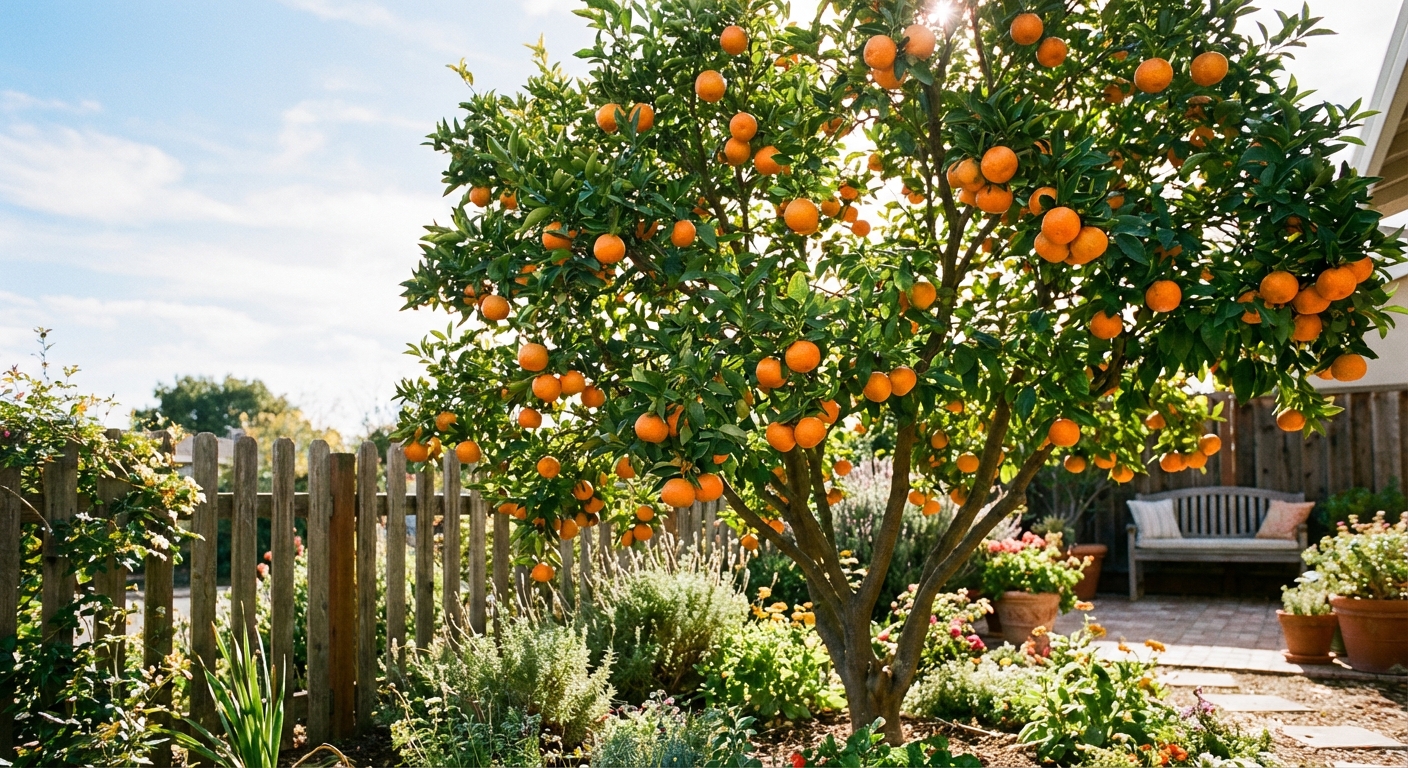
You can spot a Ponkan mandarin tree from across the garden. Its distinctive upright growth habit sets it apart from other citrus varieties. Where many citrus trees spread wide, the Ponkan grows tall and proud, with branches that reach skyward in a characteristic pattern.
At maturity, expect a medium-sized tree that's vigorous and healthy when grown with proper care. The upright bearing creates an elegant silhouette that makes it an attractive landscape specimen even when not fruiting.
The leaves are typical of mandarin varieties but with their own subtle characteristics. They're glossy green and well-proportioned to the tree's overall structure. Like most citrus, young branches may have small thorns, though these become less prominent as the tree matures.
During flowering season, the tree produces the characteristic white citrus blossoms that fill the air with sweet fragrance. The flowers are followed by small green fruits that gradually develop into the distinctive oblate shape that makes Ponkan mandarins recognizable.
| Tree Characteristic | Description |
|---|---|
| Growth Habit | Distinctive upright bearing |
| Mature Size | Medium-sized tree |
| Vigor | Vigorous grower |
| Thorns | Some thorns on young growth |
| Cold Tolerance | Less cold-resistant than most mandarins |
| Bearing Pattern | Productive but alternating (heavy/light years) |
What Makes Ponkan Mandarin Fruits So Distinctive?
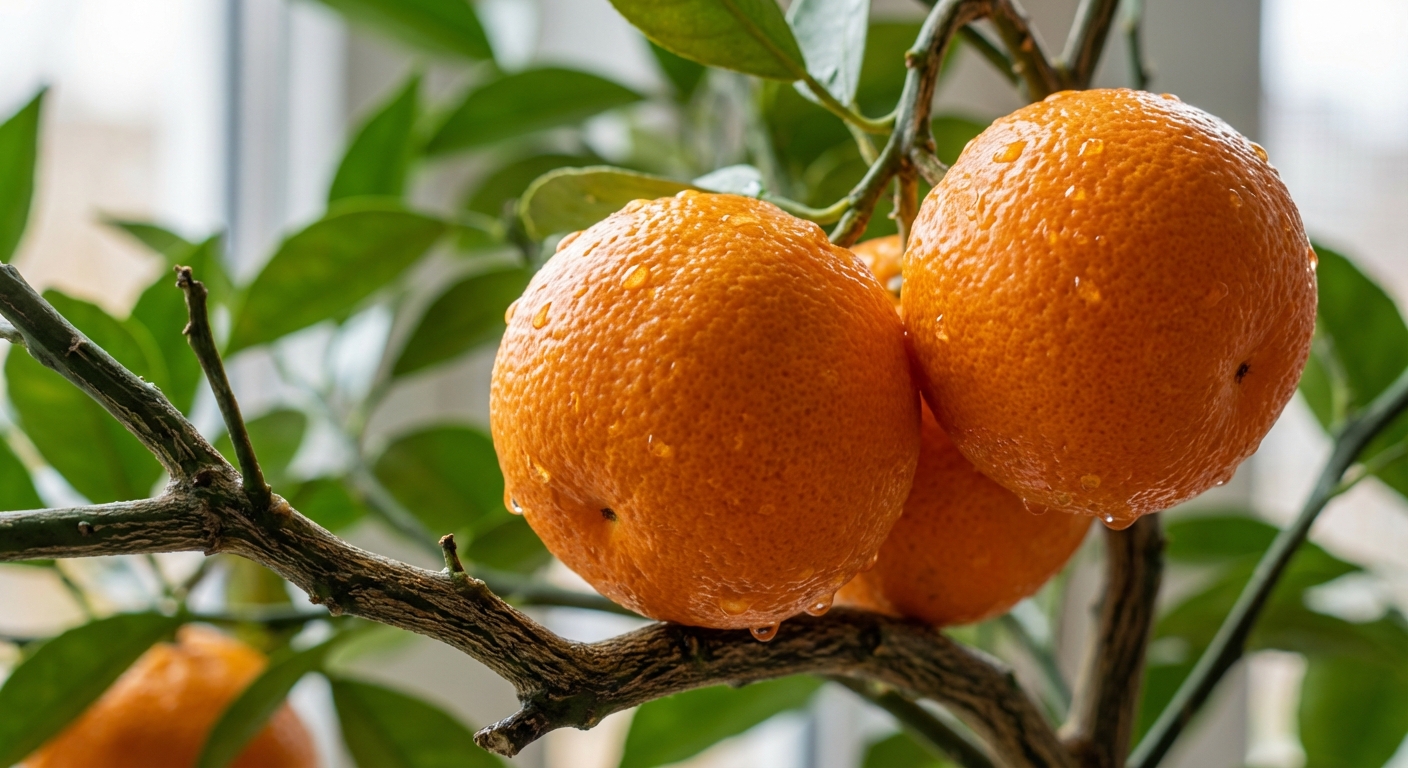
Pick up a ripe Ponkan mandarin and you'll immediately notice its substantial size. These are large fruits for the mandarin family, with a globose to moderately oblate shape that feels satisfying in your hands.
The base often features a distinctive furrowed neck or low collar, while the apex typically shows a deep depression with radiating furrows. Some fruits even develop a small navel, adding to their unique appearance.
The rind tells its own story. Medium-thick and fairly loosely adherent, it practically invites you to peel it. The surface appears relatively smooth but pebbled, with prominent, sunken oil glands that release that distinctive mandarin aroma when the fruit is handled.
Inside, you'll find about 10 segments that separate easily from each other. The axis is large and hollow, typical of high-quality mandarins. The flesh color is a beautiful orange, tender and melting with abundant juice.
The flavor profile is what made this mandarin famous. Mild and pleasant with a distinctive aromatic quality, it delivers that perfect balance of sweetness and citrus character that makes you reach for another segment.
How Should You Use Ponkan Mandarins in Cooking?
Fresh eating is where Ponkan mandarins truly shine. That easy-peeling rind and readily separating segments make them perfect for lunch boxes, snacks, and fresh fruit platters. Children especially love them because they can peel and eat them independently.
In Chinese cuisine, Ponkan segments add sweetness and color to stir-fries, especially dishes featuring duck or pork. The segments hold their shape well when briefly cooked, providing bursts of citrus flavor without becoming mushy.
The aromatic rind makes excellent candied peel for baking and confections. Chinese and Indian cooks often dry and powder the rind as a flavoring agent for sweets and desserts. The essential oils in that pebbled rind pack incredible flavor.
Fresh Ponkan juice creates delicious beverages, either on its own or blended with other citrus juices. In India, street vendors often serve fresh Ponkan juice with a pinch of salt and pepper, creating a refreshing drink that's both sweet and savory.
For preserving, Ponkan segments work beautifully in marmalades and preserves. Their natural pectin content helps create proper gel, while the mild flavor pairs well with spices like ginger, cardamom, or cinnamon.
How Do You Successfully Grow Ponkan Mandarin Trees?
Growing healthy Ponkan mandarin trees starts with understanding what they need to thrive. These vigorous growers respond well to proper care but have specific requirements that must be met for optimal production.
Climate considerations are crucial. Ponkan mandarins ripen from November through January in most growing areas, making them a late-season variety. They're reportedly less cold-resistant than most mandarins, so protection from freezing temperatures is essential.
The key to success lies in US Citrus Nursery's Three Plant Pillars approach:
Pillar 1: Mineral-Based Soil
Ponkan mandarins need soil that drains immediately but retains nutrients. Traditional potting mix suffocates roots as it decomposes. Dr. Mani's Magic Super Soil provides permanent, mineral-based growing medium that never needs replacing.
Pillar 2: Live Microbials
Healthy roots depend on beneficial bacteria and fungi. Plant Super Boost delivers full-spectrum microbes that protect roots and help unlock nutrients naturally.
Pillar 3: Complete Organic Fertilizer
Ponkan trees need all essential nutrients without salt damage. Crab, Kelp & Amino Acids (7-4-4) provides complete nutrition that works with soil biology instead of against it.
Container growing works excellently for Ponkan mandarins, especially in colder climates where trees need protection. Choose containers with excellent drainage and room for root growth.
| Growing Condition | Requirement | Notes |
|---|---|---|
| Temperature Range | 60-85°F optimal | Less cold-hardy than most mandarins |
| Sunlight | 6-8 hours direct sun | Full sun for best fruit production |
| Soil Drainage | Immediate drainage essential | Root rot kills more trees than drought |
| Watering Schedule | When top 2 inches feel dry | Frequency varies by temperature/humidity |
| Fertilizer Timing | Monthly (skip under 40°F) | 1 oz per inch trunk diameter |
| Harvest Season | November-January | Pick when ripe to maintain quality |
Why Do Home Growers Choose Ponkan Mandarin Trees?
Home gardeners fall in love with Ponkan mandarins for reasons that go beyond just the fruit. These trees offer a connection to ancient cultivation traditions while providing modern satisfaction.
The vigorous growth habit means you get a substantial tree relatively quickly. That distinctive upright form creates an attractive focal point in the landscape, whether grown in-ground in warm climates or in containers elsewhere.
Productivity is a major draw. When properly cared for, Ponkan trees produce generous crops of large, high-quality fruits. The alternate bearing tendency means some years are heavier than others, but the overall production justifies the space these trees occupy.
The harvest timing is perfect for holiday seasons. Fresh Ponkan mandarins ripening from November through January provide homegrown citrus when store-bought options are at their most expensive and least flavorful.
Children especially love these trees. The easy-peeling fruits and child-friendly size make Ponkan mandarins perfect for young hands. Many families report that having a Ponkan tree increases their children's interest in fresh fruit and gardening.
For experienced citrus growers, Ponkan represents a chance to grow something truly special. This isn't a variety you'll find at every garden center. Growing Ponkan connects you to a global community of citrus enthusiasts who appreciate quality and history.
What Fascinating Stories Surround the Ponkan Mandarin?
The Ponkan mandarin carries stories that span centuries and continents. In ancient India, legend tells of Buddhist monks who carried Ponkan seeds along trade routes, spreading the variety as they established monasteries across Asia. While historical records can't verify this tale, the widespread distribution of similar varieties along ancient trade paths suggests some truth to the story.
During World War II, American soldiers stationed in China discovered Ponkan mandarins and wrote home about the incredible "honey oranges" they were eating. Some enterprising soldiers attempted to mail seeds back to family members, though few of these informal introductions succeeded.
The name confusion surrounding this variety creates its own interesting history. Called "Chinese Honey Orange" by early American growers, "Swatow Orange" by some importers, and various spellings of "suntara" or "santra" across India, the Ponkan collected names like souvenirs from each region it conquered.
Brazilian growers developed their own cultivation techniques that maximized the Ponkan's commercial potential. Their innovations in spacing, pruning, and harvest timing helped make Brazil one of the world's largest Ponkan producers, rivaling even China and India.
Perhaps most interesting is the scientific debate over the Ponkan's taxonomic classification. Citrus expert Tanaka believed the Ponkan represented the true Citrus reticulata that Blanco originally described, making it the "type specimen" for all mandarins. While not universally accepted, this theory highlights the Ponkan's fundamental importance in citrus history.
What Should You Know Before Growing This Ancient Variety?
The Ponkan mandarin brings ancient wisdom to modern gardens, but success requires understanding both its strengths and limitations. This variety rewards proper care with abundant harvests of exceptional fruit, but it won't tolerate the neglect that some citrus varieties forgive.
The alternate bearing tendency means planning ahead. Heavy crop years can stress the tree if you don't thin excess fruit early in the season. Light crop years provide opportunities for tree growth and recovery. Understanding this natural rhythm helps you work with the tree's biology instead of against it.
Cold sensitivity requires protection in borderline climates. While Ponkan mandarins tolerate brief light frosts, sustained cold weather can damage or kill these trees. Container growing allows you to move trees to protection when needed.
The vigorous growth habit demands adequate space and nutrition. These trees want to grow large and upright. Cramped conditions or poor nutrition stunts this natural vigor and reduces fruit quality.
Timing the harvest is crucial. Ponkan mandarins lose quality and develop puffy rinds if left on the tree too long after ripening. Learning to identify peak ripeness ensures you enjoy these fruits at their best.
Most importantly, the Ponkan mandarin deserves the Three Plant Pillars approach. This ancient variety thrived for centuries in mineral-rich soils with natural microbial communities and organic nutrition. Recreating these conditions with Super Soil, Plant Super Boost, and Crab, Kelp & Amino Acids gives your tree the foundation it needs for long-term success.
Why Does the Ponkan Mandarin Deserve a Place in Your Garden?
Every garden needs a tree with history, and few citrus varieties carry more stories than the Ponkan mandarin. From ancient Indian groves to modern American backyards, this variety has proven its worth across centuries and continents.
The Ponkan offers something unique in today's world of mass-produced fruit. These mandarins taste like mandarins used to taste, before shipping requirements and shelf life considerations changed breeding priorities. That authentic flavor connects you to citrus history with every bite.
For families, the Ponkan creates traditions. Children who grow up with a Ponkan tree learn to recognize the subtle signs of ripeness, the satisfaction of peeling their own fresh fruit, and the pride of sharing homegrown produce with friends and neighbors.
The tree itself becomes a conversation starter. That distinctive upright growth habit and the story of its global journey make the Ponkan mandarin a focal point that guests remember and ask about.
From a practical standpoint, the Ponkan delivers exceptional value. Large fruits with easy-peeling rinds provide more edible fruit per piece than smaller mandarin varieties. The November-January harvest season means fresh citrus when you need it most.
Ready to add this ancient treasure to your citrus collection? Browse our citrus trees to discover the varieties that will transform your garden into a global citrus destination. The Ponkan mandarin awaits, ready to share centuries of sweetness with your family.
Frequently Asked Questions
1. What is a Ponkan Mandarin?
The Ponkan Mandarin is an ancient mandarin variety believed to have originated in India and is now one of the most widely cultivated mandarins in the world. It is also known as the Chinese Honey Orange, Nagpur Suntara, Santra, and Batangas mandarin in different regions. Ponkan is prized for its large fruit, loose easy-peeling rind, tender flesh, abundant juice, and mild, aromatic sweetness.
2. What does a Ponkan Mandarin taste like?
Ponkan mandarins have a mild, sweet, juicy, and highly aromatic flavor. The flesh is tender and melting, with a pleasant balance of sweetness and classic mandarin character. Its distinctive honey-like flavor is why Ponkan is often called the Chinese Honey Orange.
3. When does Ponkan Mandarin fruit ripen?
Ponkan Mandarin fruit generally ripens from November through January in most growing regions. This late-season harvest makes Ponkan an excellent choice for fresh homegrown citrus during the holiday and winter months.
4. Are Ponkan mandarins easy to peel?
Yes. Ponkan mandarins have a medium-thick, relatively loose rind that separates easily from the flesh, making them particularly convenient for fresh eating. The segments also separate readily, which makes Ponkan popular with children and ideal for snacks and lunch boxes.
5. How big does a Ponkan Mandarin tree grow?
A Ponkan Mandarin develops into a medium-sized, vigorous tree with a distinctive upright growth habit. It can become a substantial landscape tree when planted in the ground. Container growing can be used to keep the tree more manageable, particularly in climates where winter protection is needed.
6. Can Ponkan Mandarin trees be grown in containers?
Yes, Ponkan Mandarin trees can be grown successfully in containers when provided with excellent drainage, sufficient sunlight, appropriate nutrition, and adequate root space. Container growing is especially useful in colder climates because the tree can be moved to a protected location during freezing weather.
7. How cold hardy is a Ponkan Mandarin tree?
Ponkan Mandarin is less cold-resistant than many other mandarin varieties. It performs best in warm conditions and should be protected from freezing temperatures. Gardeners in colder climates can grow Ponkan in containers and move the tree indoors or into protected areas during periods of extreme cold.
8. How do you care for a Ponkan Mandarin tree?
Ponkan Mandarin trees need full sun, excellent soil drainage, appropriate watering, and regular nutrition. The growing approach described in the article emphasizes three plant pillars: mineral-based soil, live beneficial microbes, and complete organic fertilizer. Water when the top 2 inches of soil are dry and use a deep drench that allows excess water to drain away.
9. Does the Ponkan Mandarin tree produce fruit every year?
Ponkan Mandarin trees can exhibit alternate bearing, meaning they may produce a heavier crop one year followed by a lighter crop the next. Managing excessive fruit loads during heavy years can help reduce stress on the tree and support healthier growth and fruit production over time.
10. Where did the Ponkan Mandarin originate?
The Ponkan Mandarin is believed to have originated in India, where it was cultivated in regions including Coorg, Assam, Nepal, and Sikkim. From India, it spread throughout Asia and eventually reached countries including China, Taiwan, the Philippines, Brazil, and the United States. Its long history and widespread cultivation have made Ponkan one of the most important traditional mandarin varieties.
About the Author
Ron Skaria, MD
Ron Skaria is the son of Dr. Mani. He trained as a medical doctor at Baylor College of Medicine, did his residency at UT Health Science Center - San Antonio and fellowship training at Texas Tech University. He now works full time on the family farm at US Citrus and US Citrus Nursery in Hargill, Texas, building Dr. Mani's Magic alongside his dad. He wrote the Brown Thumb Field Guide to put his father's 48 years of plant science into plain words any gardener can use. His belief is simple. You never had a brown thumb. You just never had the right help.


