


Valencia Orange Tree, the World's #1 Juicing Orange with Deep Spanish Heritage
When you bite into a Valencia orange or pour a glass of fresh orange juice, you're experiencing the legacy of Spain's most treasured citrus export. This remarkable tree doesn't just produce fruit. It creates liquid sunshine that has graced breakfast tables worldwide for over 200 years.
But here's what most people don't know about Valencia oranges. They're not actually from Valencia, Spain. The story behind this world-famous juicing orange involves California pioneers, Spanish heritage, and a scientific discovery that changed citrus growing forever.
At US Citrus Nursery, we've grown thousands of Valencia orange trees at our South Texas facility. After caring for over 250,000 citrus trees, we've learned exactly what these legendary fruit producers need to thrive in your backyard.
Key Takeaways
- Valencia oranges produce the highest juice content of any sweet orange variety, making them the world's premier juicing orange
- Despite their name, Valencia oranges were developed in California, not Spain, though they honor Spanish citrus heritage
- These trees fruit from March through July, providing fresh oranges during summer when other varieties are out of season
- Valencia oranges hang on the tree for up to 15 months, allowing you to harvest year-round in warm climates
- The thin skin and minimal seeds make Valencia oranges perfect for fresh juice, with 50-55% juice content by weight
- Container growing requires the Three Plant Pillars: mineral-based soil, live microbes, and complete organic fertilizer
- Valencia trees are vigorous growers that can produce 100+ pounds of fruit annually when mature
What Makes Valencia Oranges Special?
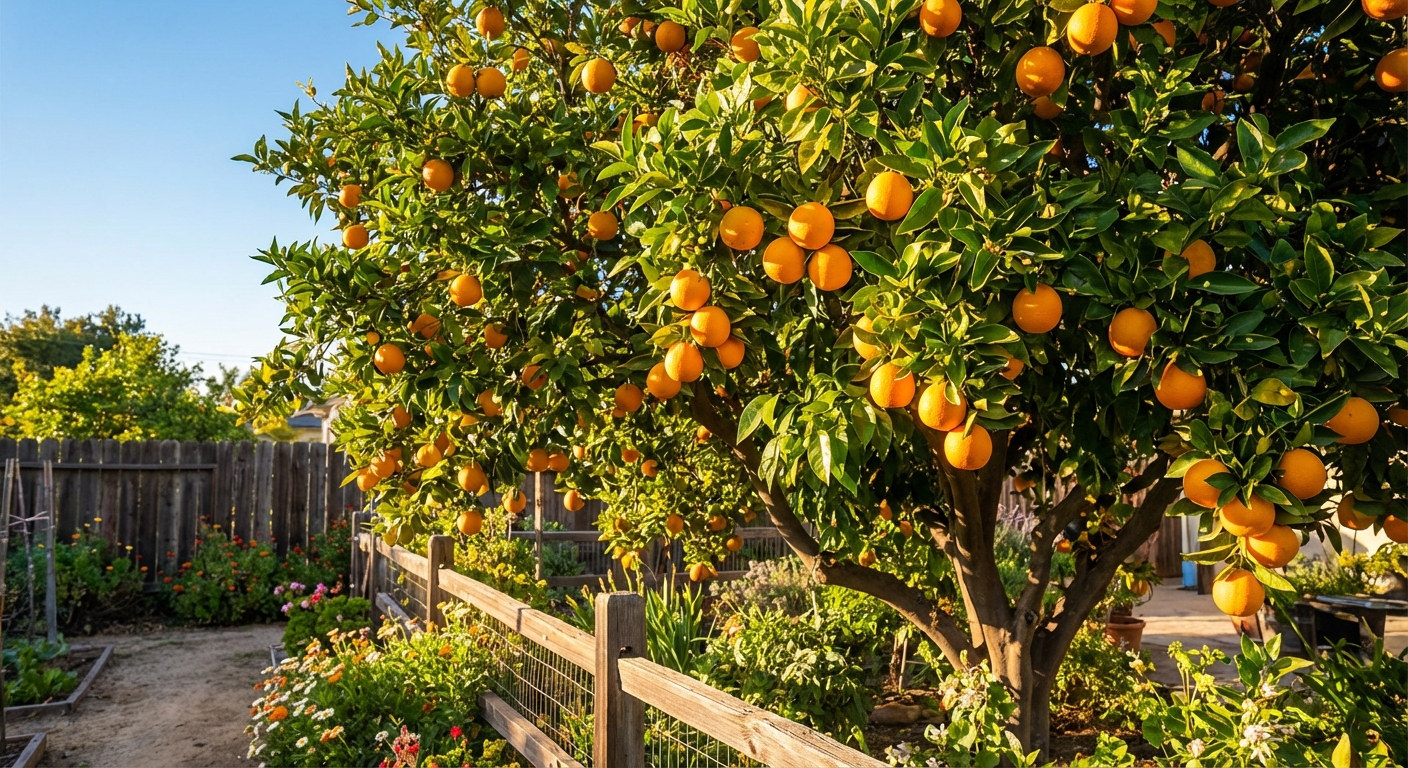
Valencia oranges earned their reputation as the world's #1 juicing orange for good reason. These golden beauties contain more juice than any other sweet orange variety. When you squeeze a Valencia orange, you get 50-55% juice by weight compared to just 35-40% from navel oranges.
The secret lies in their unique cellular structure. Valencia oranges have thinner cell walls and smaller oil vesicles in their peel. This means more space for juice-filled segments and less bitter peel oil when you squeeze them.
Commercial orange juice producers rely almost exclusively on Valencia oranges. That sweet, consistent flavor in your morning glass of OJ? That's Valencia orange magic at work.
Ancient Origins: How Spanish Citrus Conquered the World
The Valencia orange story begins in ancient China, where sweet oranges first developed over 4,000 years ago. Chinese traders carried these precious fruits along the Silk Road, where they eventually reached the Mediterranean region around 1000 AD.
Spanish explorers and Moorish traders brought sweet oranges to the Iberian Peninsula during the medieval period. The warm Mediterranean climate and rich soils of Valencia, Spain proved perfect for citrus cultivation. By the 1400s, Spanish orange groves were legendary throughout Europe.
Spanish missionaries and colonists carried orange seeds and budwood across their vast empire. These hardy citrus varieties adapted to climates from Mexico to Florida to California. The genetic foundation of American citrus came directly from Spanish stock.
The name "Valencia" honors this Spanish citrus heritage. Even though the variety we know today was developed in California, it carries the legacy of Spain's golden orange groves.
The Journey to America: California's Citrus Gold Rush
Valencia oranges arrived in America through multiple pathways. Spanish missionaries planted the first orange trees at California missions in the 1700s. These early groves established citrus as a viable crop in the Golden State.
The modern Valencia orange variety was developed by California citrus pioneer William Wolfskill in the 1870s. Wolfskill imported budwood from Spain and began selecting the best performing trees for propagation. His Valencia grove in Los Angeles became the mother source for California's citrus industry.
By the 1900s, Valencia oranges dominated California citrus production. The variety's exceptional juice quality and extended harvest season made it incredibly valuable to commercial growers. California Valencia oranges supplied juice to the entire nation.
Railroad refrigeration cars allowed fresh Valencia oranges to reach markets across America. For the first time, families everywhere could enjoy fresh orange juice year-round. The Valencia orange had become America's citrus sweetheart.
Cultural Significance: From Spanish Tradition to American Icon
Valencia oranges hold deep cultural meaning in both Spanish and American traditions. In Spain, oranges symbolize prosperity, fertility, and good fortune. Spanish brides traditionally carry orange blossoms in their wedding bouquets. The fragrant white flowers represent purity and new beginnings.
During California's citrus boom years (1880s-1950s), Valencia oranges became symbols of the American Dream. Citrus groves represented wealth, success, and the promise of California's golden future. Orange crate art from this era shows Valencia oranges as symbols of abundance and prosperity.
Valencia oranges also shaped American breakfast culture. The rise of fresh orange juice as a morning staple happened because Valencia oranges provided consistent, delicious juice year-round. Breakfast became incomplete without that glass of sunshine.
Today, Valencia oranges continue their cultural legacy. Home gardeners prize these trees for their reliability and exceptional fruit quality. Growing your own Valencia oranges connects you to centuries of citrus tradition.
What Do Valencia Orange Trees Look Like?
Valencia orange trees are vigorous, medium to large-sized evergreens that can reach 20-25 feet tall when planted in the ground. In containers, they typically stay 8-12 feet tall with proper pruning.
The leaves are dark green, glossy, and oval-shaped with slightly serrated edges. Young branches may have small thorns, though these become less prominent as the tree matures. The dense, rounded canopy provides excellent shade and visual appeal.
Valencia orange blossoms are intensely fragrant, small white flowers that appear in clusters. The sweet perfume can fill an entire yard when trees bloom in spring. These flowers are self-pollinating, so you only need one tree to get fruit.
The bark is smooth and grayish-brown on mature trees. Young branches start green and gradually turn brown as they age. The overall growth habit is upright and spreading, creating an attractive landscape specimen.
According to data from the UCR Citrus Variety Collection, Valencia orange fruits average 150-200 grams each (about the size of a tennis ball) with smooth, thin skin that's easy to peel.
| Tree Characteristic | Description |
|---|---|
| Mature Height (Ground) | 20-25 feet |
| Mature Height (Container) | 8-12 feet |
| Canopy Spread | 15-20 feet |
| Growth Rate | Moderate to fast |
| Leaf Color | Dark green, glossy |
| Thorns | Few to none when mature |
| Bark | Smooth, grayish-brown |
| Cold Hardiness | 25-28°F (brief exposure) |
The Fruit: Liquid Gold in Every Bite
Valencia oranges are the gold standard for fresh juice, and one taste explains why. The flesh is tender, juicy, and perfectly balanced between sweet and tart. Each bite delivers bright, clean citrus flavor without excessive acidity or cloying sweetness.
The fruit is medium to large, typically 3-4 inches in diameter. The skin is thin, smooth, and bright orange when fully ripe. Unlike thick-skinned navel oranges, Valencia peels are easy to remove by hand.
Inside, you'll find 10-12 segments packed with juice vesicles. Valencia oranges have very few seeds, usually 0-6 per fruit. This makes them perfect for eating fresh or juicing without the hassle of removing seeds.
The juice yield is exceptional. A single Valencia orange produces 4-6 ounces of fresh juice. The flavor is bright, sweet, and refreshing with perfect acid balance. This is why commercial juice producers prefer Valencia oranges above all other varieties.
Valencia oranges have an extended harvest season from March through July. The fruit can hang on the tree for up to 15 months without losing quality. This means you can have fresh oranges available almost year-round in warm climates.
Culinary Uses That Showcase Valencia Excellence
Valencia oranges shine in both fresh applications and cooked dishes. Their high juice content and balanced flavor make them incredibly versatile in the kitchen.
Fresh juice is the obvious star application. Valencia orange juice has clean, bright flavor that doesn't need added sugar. The natural sweetness and acidity create perfect balance for breakfast or any time refreshment.
The zest adds intense citrus aroma to baked goods, marinades, and cocktails. Because Valencia oranges have thin peels, you get more flavorful zest with less bitter white pith.
Valencia orange segments work beautifully in fruit salads, green salads, and desserts. The tender flesh and minimal seeds make preparation easy and eating enjoyable.
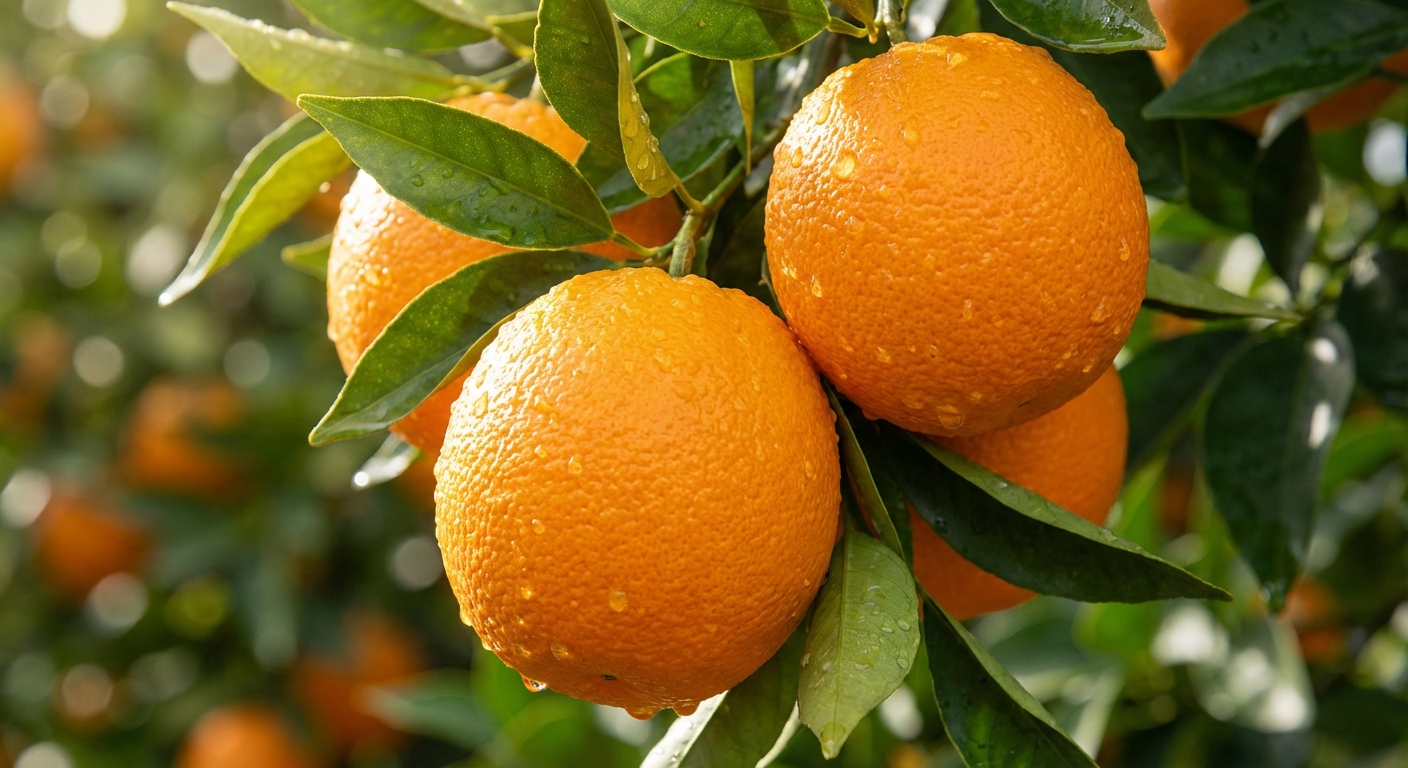
For cooking, Valencia oranges hold up well to heat. They're excellent in marmalades, sauces, glazes, and braised dishes. The balanced acidity brightens rich foods without overwhelming delicate flavors.
How to Grow Valencia Orange Trees Successfully
Valencia orange trees thrive in warm, sunny climates with mild winters. They need full sun exposure (6-8 hours daily) and protection from strong winds. These trees are more cold-sensitive than some citrus varieties, suffering damage at temperatures below 25°F.
The key to growing healthy Valencia oranges lies in understanding what their roots really need. After growing over 250,000 citrus trees at our South Texas nursery, we've learned that success comes down to US Citrus Nursery's Three Plant Pillars framework.
The Three Plant Pillars for Valencia Orange Success
US Citrus Nursery's Three Plant Pillars provide the foundation for thriving Valencia orange trees. This proprietary system addresses the three critical needs every citrus tree has for long-term health and productivity.
Pillar 1: Mineral-Based Soil
Valencia oranges need soil that never decomposes and always provides oxygen to roots. Traditional potting mix is just pine bark sawdust that suffocates roots as it breaks down. Dr. Mani's Magic Super Soil uses mineral-based ingredients (sand, perlite, coco coir) that provide permanent drainage and aeration.
Pillar 2: Live Microbials
Healthy roots depend on beneficial bacteria and fungi that protect against disease and unlock nutrients. Plant Super Boost contains over 2,000 species of live microbes harvested from natural compost, not dead powder from factory vats.
Pillar 3: Complete Organic Fertilizer
Valencia oranges are heavy feeders that need all 12 essential nutrients without salt damage. Crab, Kelp & Amino Acids (7-4-4) provides complete nutrition through slow-release organic ingredients that work with soil biology, not against it.
| Growing Condition | Valencia Orange Requirements |
|---|---|
| Sunlight | Full sun (6-8 hours daily) |
| Temperature Range | 60-85°F optimal |
| Cold Tolerance | Brief exposure to 25-28°F |
| Soil pH | 6.0-6.5 (slightly acidic) |
| Drainage | Excellent (never waterlogged) |
| Humidity | 40-60% relative humidity |
| Water Needs | Deep, infrequent watering |
| Fertilizer Schedule | Monthly organic feeding |
Container Growing: Perfect for Any Climate
Valencia orange trees adapt beautifully to container growing, making fresh oranges possible even in cold climates. Container trees can be moved indoors during winter or grown year-round on patios in warm regions.
Choose containers at least 20-24 inches wide and deep for mature trees. Ensure multiple drainage holes prevent waterlogging. Terracotta or ceramic pots work well, though large plastic containers are easier to move.
In mineral-based Super Soil, Valencia oranges rarely suffer from overwatering because excess water drains immediately. This is completely different from organic potting mix, which holds water like a sponge and suffocates roots.
Container Valencia oranges need consistent feeding because nutrients wash through the drainage holes. Apply Crab, Kelp & Amino Acids monthly during the growing season (skip when temperatures drop below 40°F).
Watering Your Valencia Orange Tree
Proper watering keeps Valencia orange roots healthy and productive. The key is deep, thorough watering followed by a drying period. This encourages deep root growth and prevents root rot.
Water when the top 2 inches of soil feel dry to the touch. In mineral-based Super Soil, this typically means watering 2-3 times per week during warm weather and once weekly during cool periods.
Use the drench method: water slowly until water runs from the drainage holes. This ensures the entire root zone gets moisture. Shallow, frequent watering creates weak, surface roots that can't support heavy fruit production.
Valencia oranges in traditional potting mix require different watering because the organic matter holds water much longer. Watch for signs of overwatering: yellowing leaves, leaf drop, and musty soil smell.
Why Home Growers Love Valencia Orange Trees
Valencia orange trees create magical moments in home gardens. Imagine stepping outside on a summer morning to pick fresh oranges for breakfast juice. The sweet fragrance of orange blossoms perfumes your entire yard each spring.
These trees are incredibly productive. A mature Valencia orange tree can produce 100+ pounds of fruit annually. That's enough fresh juice for your family plus plenty to share with neighbors and friends.
The extended harvest season means fresh oranges from March through July. While other citrus varieties finish fruiting in winter, Valencia oranges provide summer refreshment when you need it most.
Valencia orange trees are also beautiful landscape specimens. The glossy green foliage, fragrant flowers, and colorful fruit create year-round visual interest. These trees work well as focal points, privacy screens, or patio containers.
Growing your own Valencia oranges connects you to agricultural traditions spanning centuries. Each glass of fresh juice represents the culmination of Spanish heritage, California innovation, and your own gardening skills.
The Economics of Homegrown Valencia Oranges
A Valencia orange tree pays for itself quickly when you calculate the value of homegrown fruit. Fresh organic orange juice costs $6-8 per half-gallon at grocery stores. A mature Valencia tree produces enough oranges for 50+ half-gallons of juice annually.
The fruit quality surpasses anything available in stores. Homegrown Valencia oranges are tree-ripened for peak flavor and nutrition. Commercial oranges are picked unripe and artificially ripened, sacrificing taste for shelf life.
Valencia orange trees also increase property values. Mature fruit trees add $1,000-3,000 to home values in warm climates. They're considered permanent landscape improvements that buyers highly value.
Historical Oddities: Surprising Valencia Orange Facts
Valencia oranges have fascinating historical connections most people never learn. During World War II, Valencia orange juice became a strategic resource. The U.S. military shipped concentrated Valencia orange juice to troops worldwide as a vitamin C supplement to prevent scurvy.
The famous "Orange County" in California got its name from Valencia orange groves. By the 1920s, Orange County contained over 65,000 acres of Valencia orange trees. Suburban development later replaced most groves, but the county name preserves this citrus heritage.
Valencia orange trees can live and produce fruit for over 100 years. Some original Valencia trees planted in the 1870s were still fruiting in the 1980s. These ancient trees produced superior fruit quality, inspiring modern citrus preservation programs.
The "Sunkist" brand was created specifically to market California Valencia oranges. The cooperative marketing organization helped establish Valencia oranges as America's premium juice variety. Sunkist advertising from the 1920s promoted Valencia oranges as "liquid sunshine."
Valencia oranges played a role in early aviation history. Citrus groves provided emergency landing strips for early pilots flying between Los Angeles and San Diego. Grove owners often helped stranded aviators, creating friendships between citrus farmers and aviation pioneers.
The Science Behind Valencia Orange Excellence
Valencia oranges achieve their superior juice quality through unique genetic traits. Scientific analysis shows Valencia oranges have higher sugar content and lower acidity than most sweet orange varieties. The sugar-to-acid ratio creates perfect balance for fresh consumption.
The extended harvest season results from Valencia oranges' ability to re-green on the tree. Ripe fruit can actually turn green again during warm weather, then orange again as temperatures cool. This doesn't affect internal quality, just external color.
Valencia orange trees exhibit "alternate bearing" in some climates. They produce heavy crops one year, lighter crops the next. Proper nutrition and pruning help minimize this tendency and encourage consistent annual production.
Research shows Valencia orange peels contain higher concentrations of beneficial compounds than the flesh. The thin skin makes it easy to use grated zest, capturing these nutritional benefits in cooking and baking.
Why Valencia Orange Trees Deserve a Place in Your Backyard
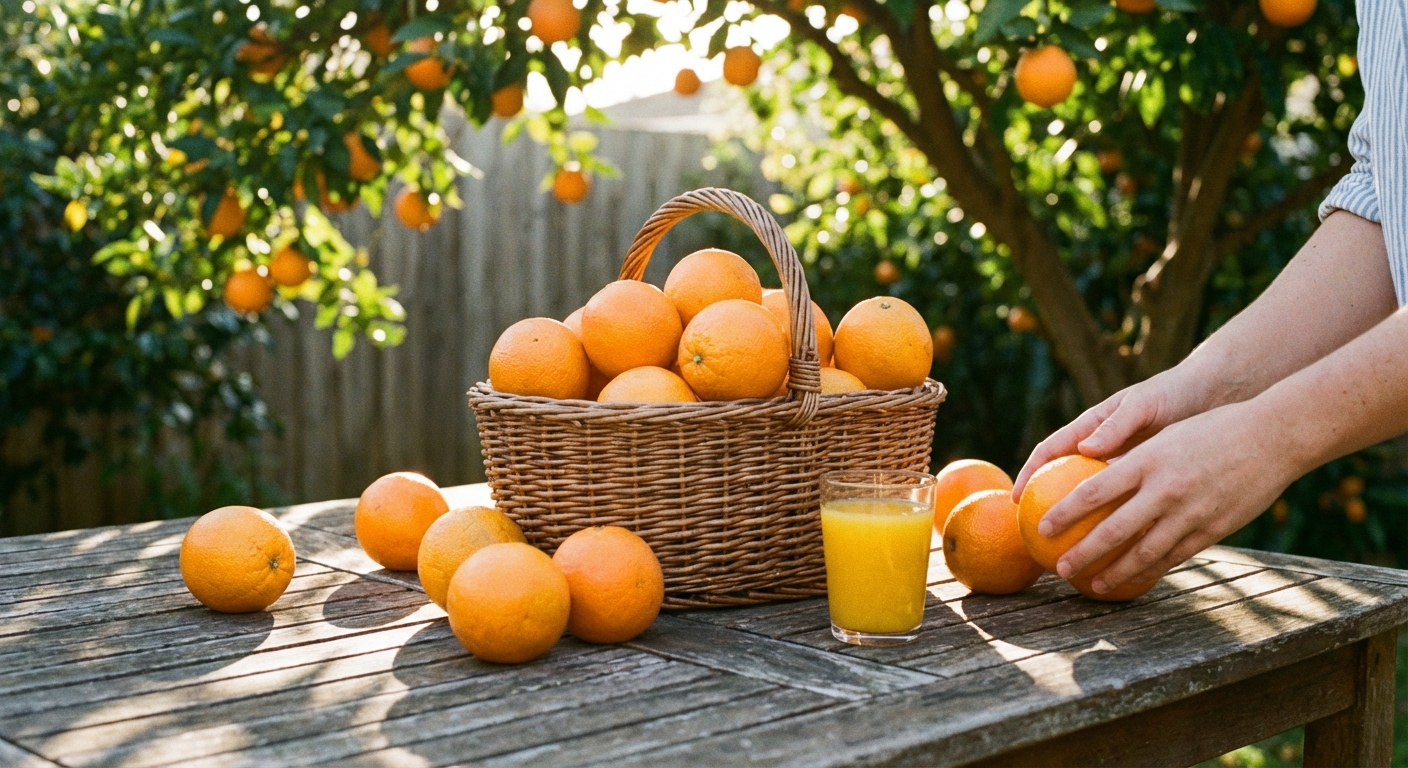
Valencia orange trees offer something special that other fruit trees can't match. They provide the pure joy of fresh-squeezed orange juice made from fruit you grew yourself. Every glass connects you to centuries of citrus tradition while delivering unmatched flavor and nutrition.
These trees adapt to container growing beautifully, making fresh oranges possible regardless of your climate or space limitations. A single Valencia orange tree can supply your family with vitamin C-rich fruit for decades.
The investment pays dividends in multiple ways. You'll save money on grocery store oranges, increase your property value, and create a beautiful landscape feature that provides year-round enjoyment.
Most importantly, Valencia orange trees create family memories. Children never forget the excitement of picking their first orange or helping make fresh juice. These experiences build appreciation for real food and connect families to the natural world.
When you choose US Citrus Nursery's Valencia orange trees, you're getting plants grown with our Three Plant Pillars system. Your tree arrives ready to thrive, not just survive. We've done the hard work of selecting superior genetics and providing the right growing foundation.
Ready to bring the world's finest juicing orange to your backyard? Our Valencia orange trees come pre-planted in Dr. Mani's Magic Super Soil with everything they need for immediate success. You'll be harvesting liquid sunshine before you know it.
Want to explore other citrus varieties that might complement your Valencia orange? Browse our complete citrus collection to discover the perfect additions for your home orchard.
Frequently Asked Questions
1. What is a Valencia orange tree best known for?
Valencia orange trees are best known for producing exceptionally juicy, sweet oranges that are ideal for fresh-squeezed orange juice. Valencia oranges typically contain about 50–55% juice by weight, making them one of the most popular orange varieties for commercial and home juicing.
2. Are Valencia oranges good for eating fresh?
Yes. Valencia oranges are excellent for eating fresh as well as juicing. Their tender, juicy flesh has a balanced sweet-tart flavor, thin skin, and relatively few seeds. The fruit also works well in salads, desserts, marmalades, sauces, and marinades.
3. When do Valencia oranges ripen?
Valencia oranges typically ripen from March through July, making them especially valuable for summer citrus. In warm climates, mature fruit can remain on the tree for many months, allowing growers to harvest fresh oranges over an extended period.
4. How much fruit does a mature Valencia orange tree produce?
A mature, healthy Valencia orange tree can produce 100 pounds or more of fruit annually under favorable growing conditions. Actual production depends on tree age, climate, sunlight, nutrition, watering, pollination, and overall tree health.
5. How big does a Valencia orange tree get?
A Valencia orange tree can reach approximately 20–25 feet tall and 15–20 feet wide when grown in the ground. With pruning and container growing, the tree can be maintained at a smaller size, typically around 8–12 feet tall in a large container.
6. Can you grow a Valencia orange tree in a container?
Yes. Valencia orange trees adapt well to container growing. A mature tree should be grown in a large container with excellent drainage, typically around 20–24 inches wide and deep or larger. Container growing also makes it easier to move the tree indoors or into a protected location when temperatures become dangerously cold.
7. How much sunlight does a Valencia orange tree need?
Valencia orange trees need full sun, ideally 6–8 hours of direct sunlight per day. Providing adequate sunlight supports healthy foliage, flowering, fruit development, and high-quality oranges. A sunny location protected from strong winds is ideal.
8. How cold hardy is a Valencia orange tree?
Valencia orange trees are relatively cold-sensitive citrus trees. They can tolerate brief exposure to approximately 25–28°F, but freezing temperatures can cause significant damage. Container-grown trees can be moved indoors or into a protected area when freezing weather is expected.
9. How often should you water a Valencia orange tree?
Water a Valencia orange tree when the top 2 inches of soil feel dry. During warm weather, this may mean watering approximately 2–3 times per week, while watering needs decrease during cooler periods. Always water deeply until excess water drains from the container or root zone, while avoiding consistently waterlogged soil.
10. Are Valencia oranges the same as the oranges used for orange juice?
Valencia oranges are one of the world's premier orange varieties for juicing because of their high juice content, balanced sweetness and acidity, and excellent flavor. Commercial orange juice producers have traditionally relied heavily on Valencia oranges because they produce abundant, flavorful juice and have an extended harvest season.
About the Author
Ron Skaria, MD
Ron Skaria is the son of Dr. Mani. He trained as a medical doctor at Baylor College of Medicine, did his residency at UT Health Science Center - San Antonio and fellowship training at Texas Tech University. He now works full time on the family farm at US Citrus and US Citrus Nursery in Hargill, Texas, building Dr. Mani's Magic alongside his dad. He wrote the Brown Thumb Field Guide to put his father's 48 years of plant science into plain words any gardener can use. His belief is simple. You never had a brown thumb. You just never had the right help.


