


Eustis Limequat Tree Guide: Florida Hybrid with Edible Sweet Peel
You're standing in your backyard, plucking a small, lime-green fruit from your own tree. You pop the whole thing in your mouth, sweet peel and all, enjoying the burst of tangy lime flavor with a hint of kumquat sweetness. This isn't a fantasy. It's what you get with the Eustis Limequat Tree.
The Eustis Limequat represents one of citrus science's greatest successes. Created in 1909 by legendary USDA scientist W.T. Swingle in Florida, this remarkable hybrid combines the best of two worlds: the intense tartness of West Indian lime with the sweet, edible peel of the round kumquat. After growing over 250,000 citrus trees at our South Texas nursery, we can tell you that few trees offer such unique culinary possibilities in such a compact, cold-hardy package.
Key Takeaways
- Eustis Limequat is a 1909 Florida-born hybrid of West Indian lime and round kumquat (Fortunella japonica)
- The entire fruit is edible, including the sweet peel, making it perfect for cocktails and culinary use
- More cold-hardy than true limes, surviving temperatures that would kill Persian or Key lime trees
- Blooms and fruits year-round in optimal conditions, providing continuous harvests
- Compact size (8-12 feet) makes it ideal for containers and small spaces
- Serves as an excellent lime substitute when true limes won't survive your climate
- Popular ornamental choice for patios and terraces due to attractive form and fragrant blooms
What Makes the Eustis Limequat So Special?
The Eustis Limequat isn't just another citrus tree. It's a masterpiece of plant breeding that solved a real problem for American citrus growers. In the early 1900s, growers in Florida and California wanted the intense flavor of West Indian limes but needed something that could survive occasional cold snaps that would devastate true lime trees.

Organic Fertilizer | Crab, Kelp & Amino Acids (7‑4‑4) | Long-Lasting, Burn-Free Boost | Slow-Release Power for Steady Plant Growth
Enter W.T. Swingle, the brilliant USDA scientist who would later become known as the father of American citrus breeding. His creation was simple in concept but revolutionary in impact: cross the flavorful West Indian lime with the cold-hardy round kumquat. The result? A tree that gives you lime flavor with kumquat resilience.
What makes this hybrid truly unique is the edible peel. Unlike regular limes, where you squeeze out the juice and discard the bitter rind, you can eat the entire Eustis Limequat. The peel is sweet and aromatic, while the flesh delivers that sharp, acidic punch you want from a lime. It's like nature designed the perfect cocktail garnish.
Where Did the Eustis Limequat Come From?
The story begins in 1909 at the USDA's plant breeding facility in Eustis, Florida. W.T. Swingle was working on solving the cold-hardiness problem that plagued commercial lime production in Florida. True West Indian limes (Citrus aurantifolia) produced incredible fruit but couldn't handle the occasional freezes that swept through Florida citrus country.
Swingle had been studying kumquats, small citrus relatives originally from China that could survive much colder temperatures. The round kumquat (Fortunella japonica) was particularly hardy, surviving temperatures that would kill lime trees outright. But kumquats were small and sweet, nothing like the tart, juicy limes that American cooks and bartenders demanded.
His solution was elegant: create a hybrid that combined the size and acidity of the West Indian lime with the cold tolerance of the kumquat. The cross-pollination work was done by hand, each flower carefully pollinated with pollen from the other parent species. The resulting seeds grew into trees that showed characteristics of both parents.
According to the UCR Citrus Variety Collection, Swingle created three limequat varieties during this period: Eustis, Lakeland, and Tavares. All were named after Florida cities, reflecting their birthplace and the hope that they would thrive in Florida's climate.
The Eustis variety proved to be the most successful of the three. It most closely resembled the West Indian lime parent in both appearance and flavor, while gaining the cold tolerance that made it practical for cultivation in marginal citrus areas.
How Did Limequats Reach American Gardens?
After Swingle named and described the limequats in 1913, they slowly made their way into American citrus culture. Initially, they were promoted as commercial lime substitutes for areas too cold for true lime production. The idea was that Florida and California growers could produce "limes" even in areas subject to occasional freezes.
However, commercial lime production never materialized for the limequats. The fruit, while similar to limes, had subtle differences in flavor and juice content that made them less suitable for large-scale juice production. True limes remained the commercial standard, grown in the warmest, most protected areas.
But home gardeners and specialty growers discovered something wonderful about limequats. They weren't just lime substitutes. They were something entirely new. The edible peel opened up culinary possibilities that regular limes couldn't match. Bartenders began using whole limequats as garnishes. Chefs discovered they could use the entire fruit in cooking, getting both the tart juice and the aromatic oils from the sweet peel.
By the 1960s, limequats had found their true calling as ornamental and specialty fruit trees for home gardens. In California, they became particularly popular as patio and terrace plants, grown in containers where their compact size and year-round fruiting made them ideal conversation pieces.
What Role Do Limequats Play in Citrus Culture?
Today, the Eustis Limequat occupies a special place in American citrus culture. It represents the ingenuity of American plant breeders and the adaptability that allowed citrus to spread beyond its traditional tropical boundaries.
In the craft cocktail movement, limequats have found renewed popularity. Bartenders prize them for their unique flavor profile and visual appeal. A whole limequat muddled in the bottom of a glass releases both the tart juice and the aromatic oils from the sweet peel, creating complex flavors that regular limes can't match.
Home preservers and jam makers have discovered that limequats make exceptional marmalades and preserves. Because you use the entire fruit, including the pectin-rich peel, limequats set up beautifully without added pectin. The result is a preserve with complex sweet-tart flavors and beautiful translucent appearance.
The tree itself has become a symbol of successful hybridization and climate adaptation. It proves that with careful breeding, you can create plants that thrive in conditions where their parents would struggle. For gardeners in marginal citrus areas, the Eustis Limequat represents hope: the possibility of growing citrus even when conventional wisdom says your climate is too cold.
What Does the Eustis Limequat Tree Look Like?
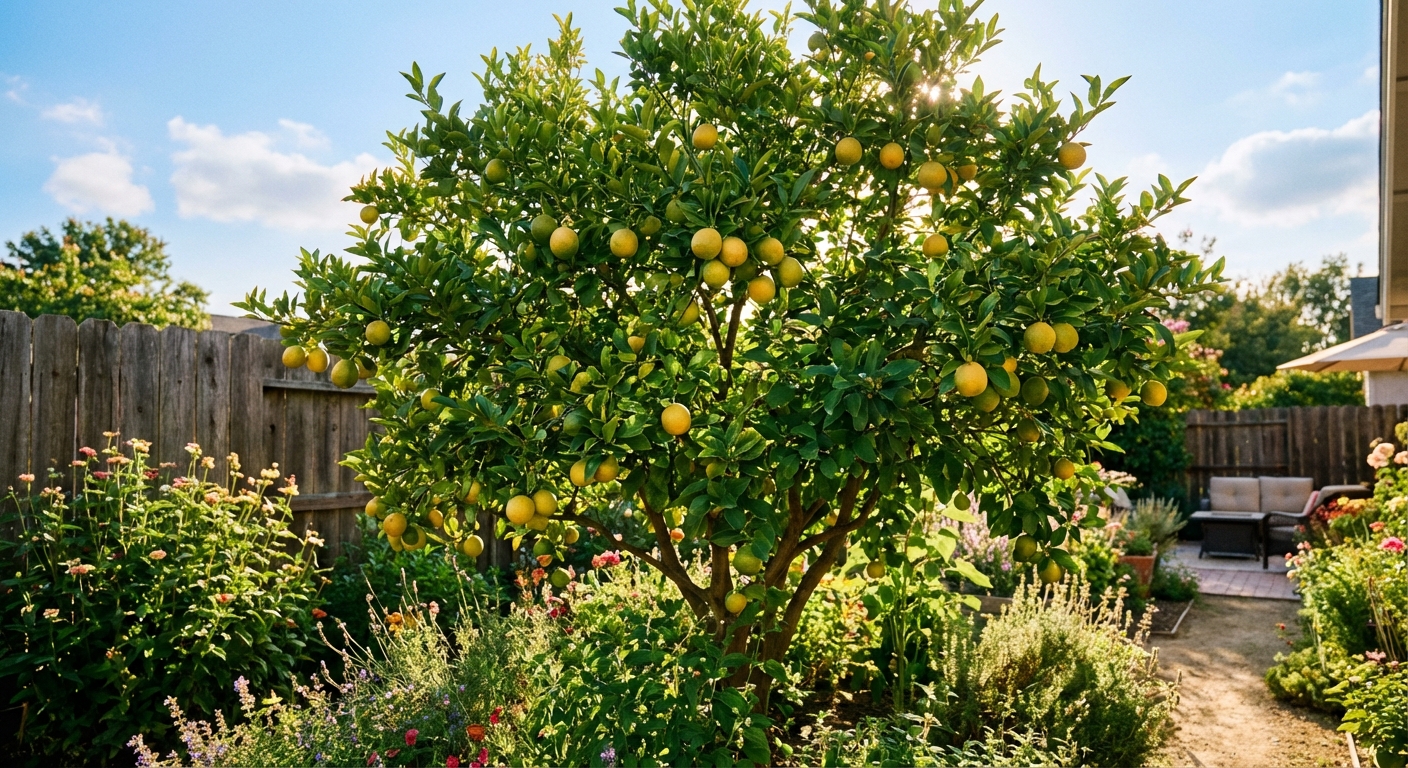
The Eustis Limequat Tree is a compact, well-behaved citrus that rarely exceeds 12 feet in height, making it perfect for home gardens and container growing. In containers, it typically stays between 6-8 feet, creating an ideal patio tree that won't overwhelm your space.
The tree has a naturally rounded, somewhat spreading growth habit that's more open than the dense canopy of a kumquat but more compact than a sprawling lime tree. The branching pattern is fairly regular, with moderate thorniness. The thorns are shorter and less aggressive than those found on true lime trees, making harvesting much more pleasant.
The leaves are distinctive and beautiful. They're larger than kumquat leaves but smaller than typical lime leaves, measuring about 2-3 inches long with a glossy, dark green surface. The leaf shape is oval with a slightly pointed tip, and they have the characteristic citrus leaf structure with a winged petiole (leaf stem). When crushed, the leaves release a wonderful citrusy fragrance that combines lime and kumquat aromatics.
During flowering season (which can be nearly year-round in optimal conditions), the tree produces small, white, highly fragrant flowers. These blooms are about half an inch across and appear in small clusters along the branches. The fragrance is intense and sweet, similar to orange blossoms but with a unique complexity that reflects the tree's hybrid nature.
| Characteristic | Eustis Limequat | West Indian Lime | Round Kumquat |
|---|---|---|---|
| Mature Height | 8-12 feet | 15-20 feet | 6-10 feet |
| Leaf Size | 2-3 inches | 3-4 inches | 1-2 inches |
| Thorniness | Moderate | Heavy | Light |
| Cold Tolerance | 25-28°F | 32°F | 15-20°F |
| Container Suitable | Excellent | Challenging | Excellent |
The bark is smooth and grayish-brown when young, developing a slightly rougher texture as the tree matures. The overall appearance is neat and attractive, making it as much an ornamental tree as a productive fruit tree.
What Do Eustis Limequats Taste Like and How Do You Use Them?
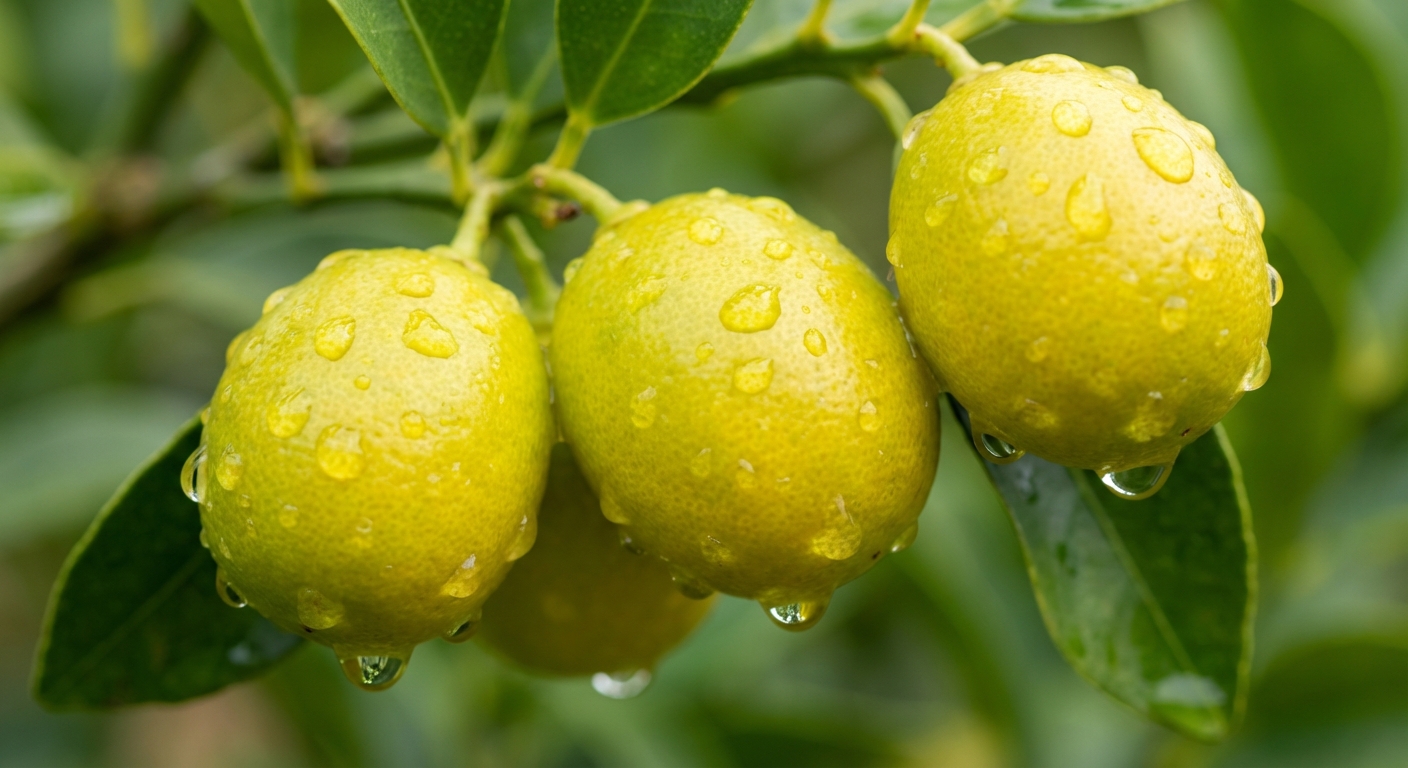
Here's where the Eustis Limequat truly shines. The fruit looks remarkably similar to a small West Indian lime, typically measuring 1.5 to 2 inches in diameter. The skin is smooth, glossy, and bright green when ripe, though it may develop a slight yellowish tinge as it fully matures.
But here's the magic: you eat the whole thing. The peel is sweet, aromatic, and completely edible. It has a texture similar to a kumquat peel but with more lime-like aromatics. When you bite through the sweet peel, you hit the tart, acidic flesh that tastes remarkably similar to a regular lime but with subtle complexity from the kumquat parentage.
The flavor experience is layered. First, you get the sweet, citrusy burst from the peel. Then comes the sharp, acidic punch from the juice and flesh. The combination creates a perfect sweet-tart balance that's more complex than either parent fruit alone.
In the kitchen, Eustis Limequats are incredibly versatile. You can use them anywhere you'd use regular limes, but with the added benefit of the edible peel. Slice them thin for salads, where both the juice and peel contribute flavor and visual appeal. Quarter them for seafood dishes, where diners can squeeze the juice and then eat the aromatic peel.
Bartenders love limequats for cocktails. A whole limequat muddled in a mojito or caipirinha releases oils from the peel that regular limes can't provide. The visual appeal is also striking, with the bright green fruit providing an elegant garnish that guests can actually eat.
For preserving, limequats make exceptional marmalades and chutneys. Because you use the entire fruit, you get a preserve with incredible depth of flavor and natural pectin from the peel. The result sets up beautifully and has a gorgeous translucent appearance with suspended pieces of peel.
In Asian cuisine, where whole citrus fruits are commonly used, limequats fit perfectly. They can be preserved in salt, pickled, or used fresh in stir-fries and curries where the entire fruit adds both acidity and aromatic complexity.
How Do You Grow Eustis Limequat Trees Successfully?
Growing Eustis Limequats successfully comes down to understanding what this hybrid needs to thrive. After caring for thousands of citrus trees at our nursery, we've learned that success starts with the foundation: proper soil, live microbes, and complete nutrition.
The Eustis Limequat is more forgiving than true limes but still needs the right growing conditions to produce abundant, flavorful fruit. The key is providing what we call the Three Plant Pillars: mineral-based soil that never decomposes, live microbials that protect roots and unlock nutrients, and organic fertilizer that provides complete nutrition without salt damage.
What Climate Do Eustis Limequats Need?
One of the biggest advantages of the Eustis Limequat is its improved cold tolerance compared to true limes. While West Indian limes are damaged by temperatures below 32°F, Eustis Limequats can typically handle brief periods down to 25-28°F without serious damage. This expanded cold tolerance opens up citrus growing to areas where regular limes simply won't survive.
However, they're still citrus trees and need warmth to thrive. They perform best in USDA zones 9-11, though they can succeed in protected locations in zone 8 with winter protection. In marginal areas, container growing allows you to move the tree indoors during the coldest months.
For fruit production, Eustis Limequats need warm temperatures during the growing season. They flower and fruit year-round in frost-free areas, but peak production occurs during warm months when temperatures consistently stay above 60°F. In cooler climates, they'll still produce fruit but mainly during the warmest months.
Like all citrus, they need plenty of sunshine. At least 6-8 hours of direct sunlight daily is essential for good growth and fruit production. In partial shade, the tree will survive but fruit production drops significantly and the fruit may lack the intense flavor that makes limequats special.
What Soil Do Eustis Limequats Need?
Here's where most people get it wrong. Big Box stores will tell you to plant your limequat in regular potting mix. That's terrible advice that leads to root rot and tree death.
Eustis Limequats, like all citrus, need soil that drains immediately while still holding nutrients. Their roots need constant access to oxygen. When soil stays wet and soggy, roots suffocate and rot. That's why Dr. Mani's Magic Super Soil uses mineral-based ingredients that never decompose: one-third sand or sandy loam, one-third perlite or rice hulls, and one-third coco coir or peat moss, plus biochar, volcanic ash, and other amendments.
This mineral-based soil provides permanent drainage and aeration. Unlike bark-based potting mixes that decompose and become soggy within months, Super Soil maintains its structure for years. Your limequat's roots get the oxygen they need while still having access to water and nutrients.
The soil pH should be around 6.0, which is optimal for citrus nutrient uptake. Super Soil is pre-adjusted to this pH with sulfur, so you don't need to test or adjust anything.
| Growing Condition | Requirement | Notes |
|---|---|---|
| Temperature Range | 60-85°F optimal | Can survive brief periods to 25°F |
| Sunlight | 6-8 hours direct sun | More sun = more fruit production |
| Soil Drainage | Immediate drainage | Standing water kills roots |
| Soil pH | 6.0 optimal | Range 5.5-6.5 acceptable |
| Container Size | 20+ gallon minimum | Larger = better root development |
| Humidity | 40-60% preferred | Good air circulation important |
How Do You Water and Feed Eustis Limequats?
Watering your Eustis Limequat correctly is crucial for healthy root development and fruit production. The key is deep, thorough watering when the top 2 inches of soil feel dry to the touch. In mineral-based soil like Super Soil, overwatering is nearly impossible because excess water drains away immediately.
Use the drench method: water slowly and thoroughly until water runs from the drainage holes. This ensures the entire root zone gets moisture while flushing out any salt buildup. In containers, this usually means watering every 2-3 days in warm weather, less frequently in cool weather.
For nutrition, your limequat needs all 12 essential plant nutrients in the right balance. Synthetic fertilizers might give you quick growth, but they're salt-based and kill the beneficial microbes your tree needs. Instead, use Dr. Mani's Magic Crab, Kelp & Amino Acids (7-4-4), a complete organic fertilizer that provides nitrogen, phosphorus, potassium, plus calcium, magnesium, sulfur, and trace minerals.
Apply 1 ounce per inch of trunk diameter monthly during the growing season. Skip fertilizing when temperatures drop below 40°F, as the tree can't process nutrients in cold weather.
The third pillar is live microbes. Your limequat's roots form partnerships with bacteria and fungi that help them absorb nutrients and fight off diseases. Dr. Mani's Magic Plant Super Boost provides over 2,000 species of beneficial bacteria and 400-500 species of fungi, all harvested from natural compost and stabilized with a proprietary process.
Apply 2 ounces per gallon of water monthly, watering it into the root zone. These live microbes colonize your soil and create the biological activity that keeps roots healthy and productive.
Why Do Home Growers Fall in Love with Eustis Limequats?
There's something magical about growing your own Eustis Limequats. Maybe it's the satisfaction of harvesting a unique fruit that you can't buy at any grocery store. Maybe it's the convenience of having "limes" available year-round, right outside your door. Or maybe it's the sheer delight of serving guests a cocktail garnished with fruit you grew yourself.
Home growers love the compact size. Unlike full-size citrus trees that can overwhelm a small yard, Eustis Limequats stay manageable. You can grow them in large containers on patios, decks, or terraces, bringing citrus cultivation to spaces where traditional trees won't fit.
The year-round fruiting is another major attraction. In warm climates, a healthy Eustis Limequat can produce fruit continuously, with flowers, small fruit, and ripe fruit all present on the tree at the same time. This means fresh limequats whenever you need them, not just during a specific harvest season.
Parents especially love introducing children to citrus growing with limequats. Kids are fascinated by the idea of eating the whole fruit, peel and all. It's a perfect introduction to the concept that not all fruit peels are bitter and inedible. Many families report that limequats are their children's first step toward appreciating citrus fruits in general.
Gardeners in marginal citrus areas appreciate the cold tolerance. If you live somewhere that gets occasional freezes but generally has warm weather, Eustis Limequats might be your ticket to homegrown citrus. They survive temperatures that would kill Persian limes, expanding the range where you can successfully grow citrus outdoors.
The ornamental value shouldn't be overlooked either. Even when not fruiting, Eustis Limequat trees are attractive plants with glossy green foliage and naturally compact form. The fragrant white flowers are a bonus, filling the air around the tree with sweet citrus perfume during bloom periods.
What Are Some Fascinating Facts About Eustis Limequats?
Here are some remarkable facts about Eustis Limequats that most people never learn:
The original Eustis Limequat parent trees still exist at the USDA facility in Florida, over 110 years after W.T. Swingle created them. These century-old trees continue to produce fruit and serve as the source for all modern Eustis Limequat trees.
Eustis Limequats were among the first successful intergeneric citrus hybrids, proving that you could cross species from different citrus genera (Citrus and Fortunella) and get viable, productive offspring. This pioneering work opened the door for modern citrus breeding programs that have created dozens of new citrus varieties.
During World War II, Eustis Limequats gained attention as a potential source of vitamin C for American troops. The entire fruit being edible meant higher vitamin content per serving compared to regular limes, where you discard the nutrient-rich peel. Though this application never developed commercially, it demonstrated the nutritional advantages of eating whole citrus fruits.
The name "limequat" was coined by W.T. Swingle himself, combining "lime" and "kumquat" to describe the hybrid nature of these fruits. Before Swingle's work, there was no word in English for citrus hybrids between different genera.
Eustis Limequats are technically berries, not citrus fruits in the strict botanical sense. Because they're hybrids between true citrus (Citrus species) and kumquats (Fortunella species), they represent a unique category of citrus relatives with characteristics of both parent genera.
In California, Eustis Limequats became popular with Hollywood celebrities in the 1960s and 70s as exotic patio plants. Several famous actors and musicians of the era were photographed with their limequat trees, helping to popularize these unusual fruits among home gardeners.
The genetic makeup of Eustis Limequats is still being studied by modern citrus researchers. Recent DNA analysis has revealed that the hybrid inheritance is more complex than originally thought, with some characteristics showing up in unexpected patterns that don't follow simple Mendelian genetics.
Unlike many citrus varieties that require specific rootstocks for optimal performance, Eustis Limequats are relatively adaptable to different rootstock choices. This flexibility makes them easier to propagate and grow in various soil and climate conditions.
Why the Eustis Limequat Deserves a Place in Your Garden
If you've been thinking about growing citrus but weren't sure where to start, the Eustis Limequat might be your perfect introduction. This remarkable hybrid offers everything you want in a home citrus tree: compact size, unique fruit, cold tolerance, and year-round interest.
Think about it. Where else can you get fresh "limes" that you can eat whole, peel and all? Where else can you grow citrus in areas too cold for regular limes? The Eustis Limequat solves real problems while providing genuine culinary excitement.
For cocktail enthusiasts, having your own limequat tree means never running out of the perfect garnish. For cooks who love experimenting with new flavors, limequats open up culinary possibilities that regular limes simply can't match. For gardeners who want something truly unique, few trees can match the conversation-starting power of a productive limequat tree.
The compact size makes it practical even in small spaces. Whether you have a large yard or just a sunny patio, there's room for an Eustis Limequat. In a container, it stays perfectly manageable while still producing abundant fruit.
Most importantly, success is achievable. With the right foundation (mineral-based soil, live microbes, and complete organic fertilizer), your Eustis Limequat can thrive for decades, providing you and your family with unique fruit and endless gardening satisfaction.
The best part? You're growing a piece of American citrus history. Every Eustis Limequat tree traces back to W.T. Swingle's pioneering work in 1909. You're not just growing fruit. You're continuing a legacy of American agricultural innovation.
Ready to experience the unique flavor and growing satisfaction of your own Eustis Limequat? Browse our citrus collection to find the perfect tree for your garden. Each tree comes with everything you need to get started: Dr. Mani's Magic Super Soil for permanent root health, complete growing instructions, and our commitment to your citrus growing success.
Frequently Asked Questions
1. What is an Eustis Limequat?
An Eustis Limequat is a hybrid citrus tree created by USDA plant breeder W. T. Swingle in Florida in 1909. It is a cross between the West Indian lime and the round kumquat (Fortunella japonica). The fruit combines the tart, acidic flavor of a lime with the sweet, aromatic, edible peel of a kumquat.
2. Can you eat an Eustis Limequat whole?
Yes. The entire Eustis Limequat fruit is edible, including the peel. The peel is sweet and aromatic, while the flesh and juice provide a sharp lime-like acidity. This makes limequats especially useful for cocktails, salads, seafood dishes, marmalades, chutneys, and other recipes where both citrus juice and zest are desirable.
3. What does an Eustis Limequat taste like?
Eustis Limequats have a distinctive sweet-tart flavor. The edible peel provides a sweet kumquat-like taste and citrus aroma, while the flesh and juice deliver the intense acidity associated with West Indian limes. The combination creates a more complex flavor than either parent fruit alone.
4. How cold hardy is an Eustis Limequat tree?
Eustis Limequats are more cold-tolerant than true West Indian, Persian, or Key lime trees. Established trees can tolerate brief temperatures around 25–28°F, although prolonged freezing temperatures can still cause serious damage. In colder climates, growing an Eustis Limequat in a container makes winter protection much easier.
5. Can Eustis Limequats grow in containers?
Yes. Eustis Limequats are excellent container citrus trees because of their relatively compact growth habit. A large container, typically 20 gallons or more for a mature tree, provides adequate room for the roots. Container growing also allows gardeners in colder climates to move the tree indoors or into a protected location during freezing weather.
6. How much sunlight does an Eustis Limequat tree need?
An Eustis Limequat needs approximately 6–8 hours of direct sunlight per day for strong growth, flowering, and fruit production. Full sun produces the best fruit quality. Trees grown in partial shade can survive, but they generally produce fewer fruits and may develop less intense flavor.
7. How often should you water an Eustis Limequat tree?
Water an Eustis Limequat thoroughly when the top 2 inches of soil feel dry. In warm weather, container-grown trees may need watering every 2–3 days, while watering frequency should decrease during cooler conditions. Always water deeply until excess water drains from the container, and never allow the roots to remain in standing water.
8. When does an Eustis Limequat tree produce fruit?
Eustis Limequats can flower and produce fruit nearly year-round in warm, frost-free conditions. Peak production generally occurs during the warmer growing season when temperatures remain above about 60°F. With sufficient sunlight, proper watering, and adequate nutrition, a mature tree can carry flowers, developing fruit, and ripe limequats at the same time.
9. What soil is best for an Eustis Limequat tree?
Eustis Limequats need a well-draining growing medium that provides consistent oxygen to their roots. A mineral-based mix containing sand or sandy loam, perlite or rice hulls, and coco coir or peat moss can provide drainage, aeration, and moisture retention. A slightly acidic soil around pH 6.0 is suitable for citrus nutrient uptake.
10. What can you use Eustis Limequats for?
Eustis Limequats can be used anywhere you would normally use limes, with the added advantage that the peel is edible. They are excellent for cocktails, mojitos, caipirinhas, salads, seafood, marmalades, chutneys, preserves, pickling, and garnishes. Because the entire fruit can be used, limequats provide both tart juice and aromatic citrus oils from the peel.
About the Author
Ron Skaria, MD
Ron Skaria is the son of Dr. Mani. He trained as a medical doctor at Baylor College of Medicine, did his residency at UT Health Science Center - San Antonio and fellowship training at Texas Tech University. He now works full time on the family farm at US Citrus and US Citrus Nursery in Hargill, Texas, building Dr. Mani's Magic alongside his dad. He wrote the Brown Thumb Field Guide to put his father's 48 years of plant science into plain words any gardener can use. His belief is simple. You never had a brown thumb. You just never had the right help.


