


Mexican Key Lime Tree Thornless | True Margarita Lime Guide
You're sitting on your patio on a warm evening, ice clinking in your glass as you sip the perfect margarita made with limes you picked from your own tree just minutes ago. The bright, tart flavor bursts on your tongue with an intensity that store-bought limes can never match.
This isn't a fantasy. This is what happens when you grow the Thornless Mexican Key Lime tree, the authentic lime that has been the backbone of Mexican and Caribbean cuisine for centuries.
Most people don't realize they've never tasted a real Key lime. What you find in grocery stores are usually Persian limes, larger and less aromatic cousins of the true Key lime. The Mexican Key lime delivers the intense, floral citrus punch that makes authentic ceviche sing and transforms a simple margarita into liquid sunshine.

Thornless Mexican (Key) Lime Tree
After growing over 250,000 citrus trees at our nursery in South Texas, we can tell you that the Thornless Mexican Key Lime is one of the most rewarding trees you can grow. It's prolific, compact, and produces fruit year-round in the right conditions.
Key Takeaways
- The Thornless Mexican Key Lime is a bud sport mutation that eliminates painful thorns while keeping authentic flavor
- These trees produce smaller, more aromatic limes than grocery store Persian limes
- Fruit ripens year-round in warm climates, with peak seasons in fall and spring
- Trees stay compact (6-8 feet), making them perfect for containers and small spaces
- The intense, floral citrus flavor is essential for authentic Mexican and Caribbean dishes
- Success depends on proper soil drainage, consistent moisture, and protection from cold
- Container growing extends the growing range to colder climates with winter protection
What Makes the Mexican Key Lime Special?
The Mexican Key lime isn't just another citrus variety. It's the original lime of the Americas, brought by Spanish conquistadors in the 16th century and perfectly adapted to the tropical and subtropical regions of Mexico and the Caribbean.
Unlike the thick-skinned Persian limes you see in supermarkets, true Key limes are small, thin-skinned, and packed with aromatic oils. When you cut into one, the fragrance fills the room. The juice is more acidic and complex, with floral notes that Persian limes simply can't match.
The thornless variety we grow gives you all this authentic flavor without the painful thorns that make harvesting regular Key lime trees a battle. This mutation, discovered as a bud sport, has made growing and harvesting these incredible limes accessible to home gardeners.
Where Did the Mexican Key Lime Come From?
The story of the Mexican Key lime begins in Southeast Asia, where wild citrus species first evolved millions of years ago. The lime we know today is likely a hybrid between the citron and a wild Asian species, developed through centuries of cultivation in India and Southeast Asia.
Arab traders carried limes westward along ancient trade routes, establishing cultivation in North Africa and the Mediterranean. When Spanish and Portuguese explorers reached the New World in the 1500s, they brought citrus seeds and cuttings with them.
The lime found perfect growing conditions in Mexico and the Caribbean islands. The tropical climate, with its warm temperatures and distinct wet and dry seasons, allowed the trees to flourish and adapt. Over centuries, the Mexican Key lime developed its characteristic intense flavor and year-round fruiting habit.
How Did Key Limes Reach American Shores?
The Mexican Key lime's journey to the United States is a tale of trade, immigration, and agricultural innovation. Spanish missions in Florida and California introduced citrus cultivation to North America, but it was trade with Mexico and the Caribbean that really established Key limes in American cuisine.
The Florida Keys became famous for Key lime pie, made with the small, intensely flavored limes that grew wild throughout the islands. Hurricane damage in the early 1900s devastated the Florida Key lime industry, leading most commercial growers to switch to the hardier Persian lime.
Meanwhile, Mexican immigrants brought their culinary traditions and preferred limes to Texas, California, and the Southwest. The authentic flavor of Mexican Key limes became essential to dishes like ceviche, agua fresca, and traditional margaritas.
According to the UCR Citrus Variety Collection, the Thornless Mexican lime variety was received as budwood from Marcy Ranch in Tustin, California in 1937. The original trees were purchased from nurseryman Frank May, who reportedly imported the budwood directly from Mexico.
Why Does the Mexican Key Lime Matter in Food Culture?
In Mexican cuisine, limes aren't just a garnish. They're a fundamental ingredient that brightens and balances rich, spicy flavors. The intense acidity and complex aroma of authentic Key limes elevate traditional dishes in ways that Persian limes simply cannot match.
Street vendors in Mexico squeeze fresh Key lime juice over everything from tacos to fresh fruit. The lime's natural antimicrobial properties also made it valuable for food preservation before refrigeration, especially in coastal areas where fresh seafood needed to be "cooked" with acid for ceviche.
Caribbean cultures developed their own lime traditions. Jamaican jerk seasoning relies on Key lime juice to tenderize meat and balance fiery scotch bonnet peppers. Cuban mojitos demand the aromatic oils from Key lime peels, not just the juice.
The famous Key lime pie of Florida represents one of America's few indigenous dessert traditions. The pie was created by Florida Keys fishermen who had access to Key limes, sweetened condensed milk (which didn't spoil in the heat), and eggs from local chickens. The result became a symbol of authentic Florida cuisine.
What Does the Thornless Mexican Key Lime Tree Look Like?
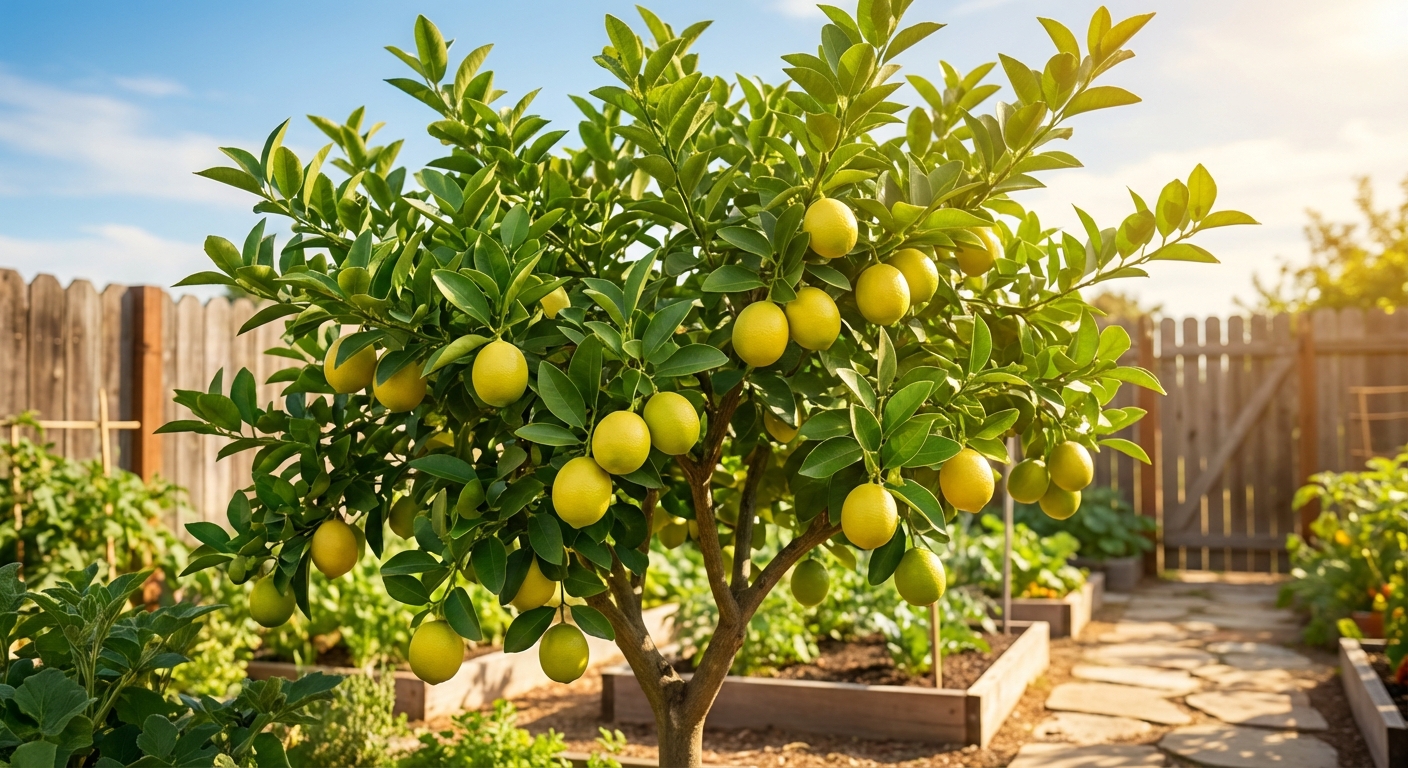
The Thornless Mexican Key lime tree is a compact, evergreen citrus that typically reaches 6-8 feet tall and 4-6 feet wide when mature. This makes it perfect for containers, small yards, or anywhere you want citrus without taking up too much space.
The leaves are small and oval-shaped, about 2-3 inches long, with a deep green color and slightly glossy surface. Unlike its thorny cousins, this variety has smooth branches that make harvesting and pruning a pleasure instead of a painful ordeal.
The tree produces small, fragrant white flowers almost continuously in warm climates. These blooms have an intense, sweet fragrance that attracts beneficial pollinators and fills your garden with perfume on warm evenings.
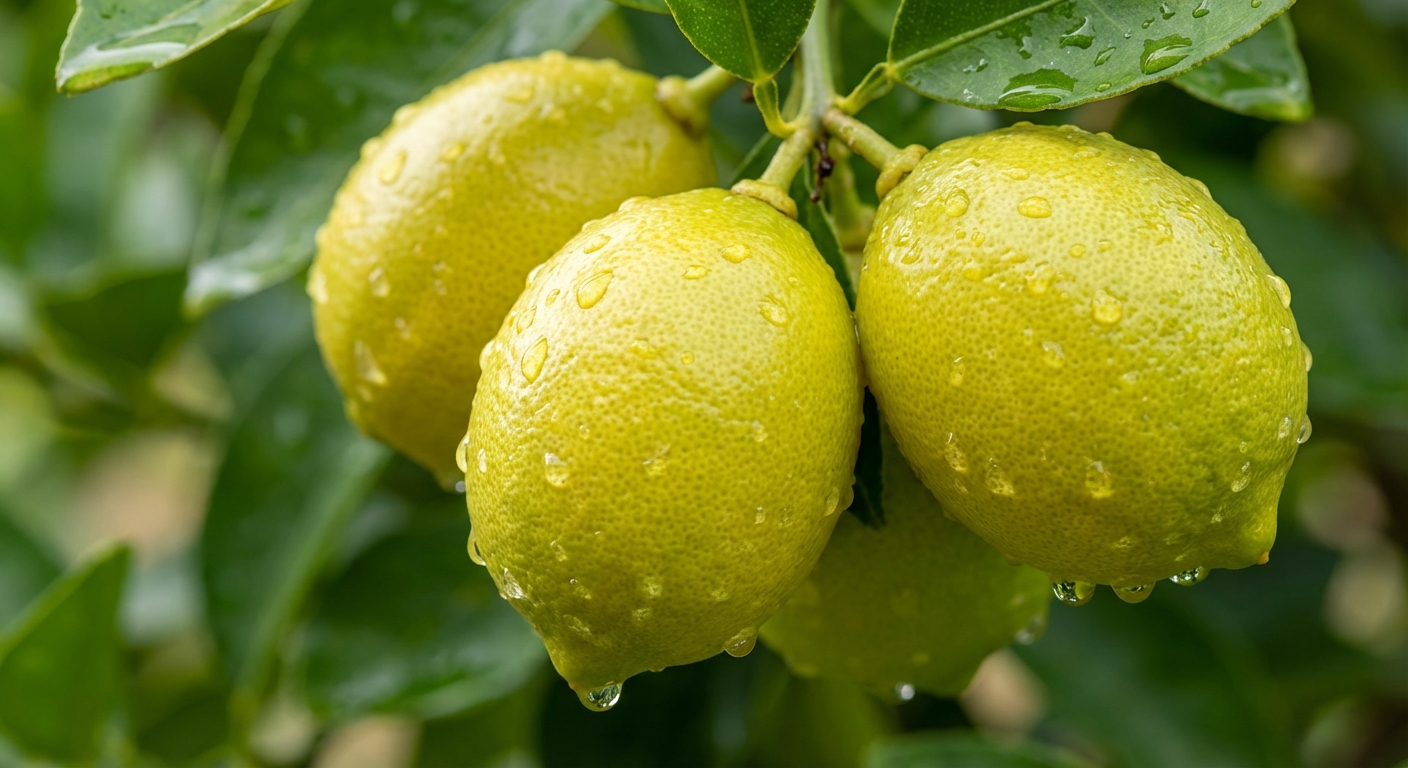
The fruit itself is what makes this tree special. Key limes are much smaller than Persian limes, typically 1-2 inches in diameter. They're nearly round with thin, smooth skin that turns from green to yellow-green when fully ripe. The skin is so thin you can often see the juice vesicles beneath.
| Characteristic | Thornless Mexican Key Lime | Persian Lime |
|---|---|---|
| Fruit Size | 1-2 inches diameter | 2-3 inches diameter |
| Skin Thickness | Very thin | Thick |
| Seeds | Many small seeds | Few or no seeds |
| Flavor Intensity | Very intense, floral | Mild, less complex |
| Tree Size | 6-8 feet tall | 12-20 feet tall |
| Cold Tolerance | 30-32°F brief exposure | 28-30°F brief exposure |
How Do Mexican Key Limes Taste and How Do You Use Them?
The first time you taste a fresh Mexican Key lime, you'll understand why chefs and bartenders seek them out. The flavor is intensely tart with a complex, floral aroma that Persian limes lack. The juice is more acidic, but also more aromatic, with essential oils in the peel that add another layer of citrus complexity.
Key limes have more seeds than Persian limes, but don't let that discourage you. The intense flavor means you need less juice to achieve the same citrus impact. One Key lime often provides enough juice for a cocktail that would require half a Persian lime.
In cooking, Mexican Key limes shine in traditional applications:
- Ceviche: The high acidity "cooks" raw fish perfectly while adding authentic flavor
- Margaritas: Real Key lime juice creates the complex, tart flavor profile that defines a perfect margarita
- Key Lime Pie: The traditional dessert requires authentic Key lime juice for proper flavor and color
- Agua Fresca: Fresh lime water becomes a refreshing beverage when made with aromatic Key limes
- Marinades: The acid tenderizes meat while the aromatic oils infuse deep flavor
- Salsa Verde: Key lime juice brightens tomatillo-based salsas with authentic Mexican flavor
The zest is equally valuable. The thin peel contains concentrated essential oils that add bright citrus notes to baked goods, cocktails, and savory dishes. A little Key lime zest transforms ordinary dishes into something special.
How Do You Successfully Grow Mexican Key Lime Trees?
Growing Mexican Key lime trees successfully comes down to understanding what these tropical natives need to thrive. After helping thousands of home growers succeed with citrus, we've learned that success depends on getting three things right: soil that drains perfectly, consistent moisture without waterlogging, and protection from cold.
This is where US Citrus Nursery's Three Plant Pillars framework becomes essential:
Pillar 1: Mineral-Based Soil - Key limes need soil that never gets waterlogged. Dr. Mani's Magic Super Soil provides the perfect foundation with its blend of sand, perlite, and coco coir. This mineral-based mixture never decomposes or becomes hydrophobic like pine bark potting mix. Your tree's roots get constant access to both water and oxygen.
Pillar 2: Live Microbials - In nature, citrus roots work with beneficial bacteria and fungi to absorb nutrients and resist disease. Plant Super Boost delivers over 2,000 species of beneficial microbes that create a healthy root zone environment. These living microbes protect roots from harmful pathogens and help unlock nutrients from organic fertilizer.
Pillar 3: Complete Organic Fertilizer - Key lime trees are heavy feeders that need all 12 essential nutrients year-round. Crab, Kelp & Amino Acids (7-4-4) provides complete, slow-release nutrition that works with soil microbes. No synthetic salts that burn roots or kill beneficial microbes.
What Climate Conditions Do Key Lime Trees Need?
Mexican Key lime trees are tropical plants that thrive in USDA zones 9-11. They need warm temperatures year-round and cannot tolerate freezing. However, container growing allows gardeners in colder climates to enjoy fresh Key limes by moving trees indoors during winter.
| Climate Factor | Ideal Range | Tolerance Limits |
|---|---|---|
| Temperature (Growing) | 70-85°F | 60-95°F |
| Temperature (Survival) | Above 40°F | Brief exposure to 30-32°F |
| Humidity | 50-70% | 40-80% |
| Sunlight | 6-8 hours direct sun | Minimum 6 hours |
| Annual Rainfall | 40-60 inches | Supplemental watering needed |
How Often Should You Water Key Lime Trees?
Watering Key lime trees correctly means understanding that these trees need consistent moisture but excellent drainage. In our mineral-based Super Soil, overwatering is nearly impossible because excess water drains away immediately while the soil retains just enough moisture for healthy roots.
Follow this watering schedule based on temperature and humidity:
- Below 60°F or indoors: Once per week
- 60-90°F, humid conditions: Twice weekly
- 60-90°F, dry conditions: Three times per week
- Above 90°F, humid: Every other day
- Above 90°F, dry: Daily
Always use the drench method: water slowly until water runs from the drainage holes. This ensures deep root hydration and flushes away any salt accumulation.
What About Container Growing?
Container growing is perfect for Key lime trees, especially the compact thornless variety. Use a container at least 20 gallons for mature trees, with multiple drainage holes. The container should be 2-4 inches wider than the root ball when up-potting.
Container advantages include:
- Complete control over soil quality and drainage
- Ability to move trees to protect from cold or storms
- Easier harvesting and maintenance
- Extended growing range for colder climates
- Better pest and disease management
In containers, Key lime trees typically stay 4-6 feet tall, making them perfect for patios, decks, or small yards.
Why Do Home Growers Fall in Love with Key Lime Trees?
There's something magical about growing your own Key limes that goes beyond just having fresh citrus. Home growers tell us these trees become the centerpiece of their outdoor entertaining and cooking.
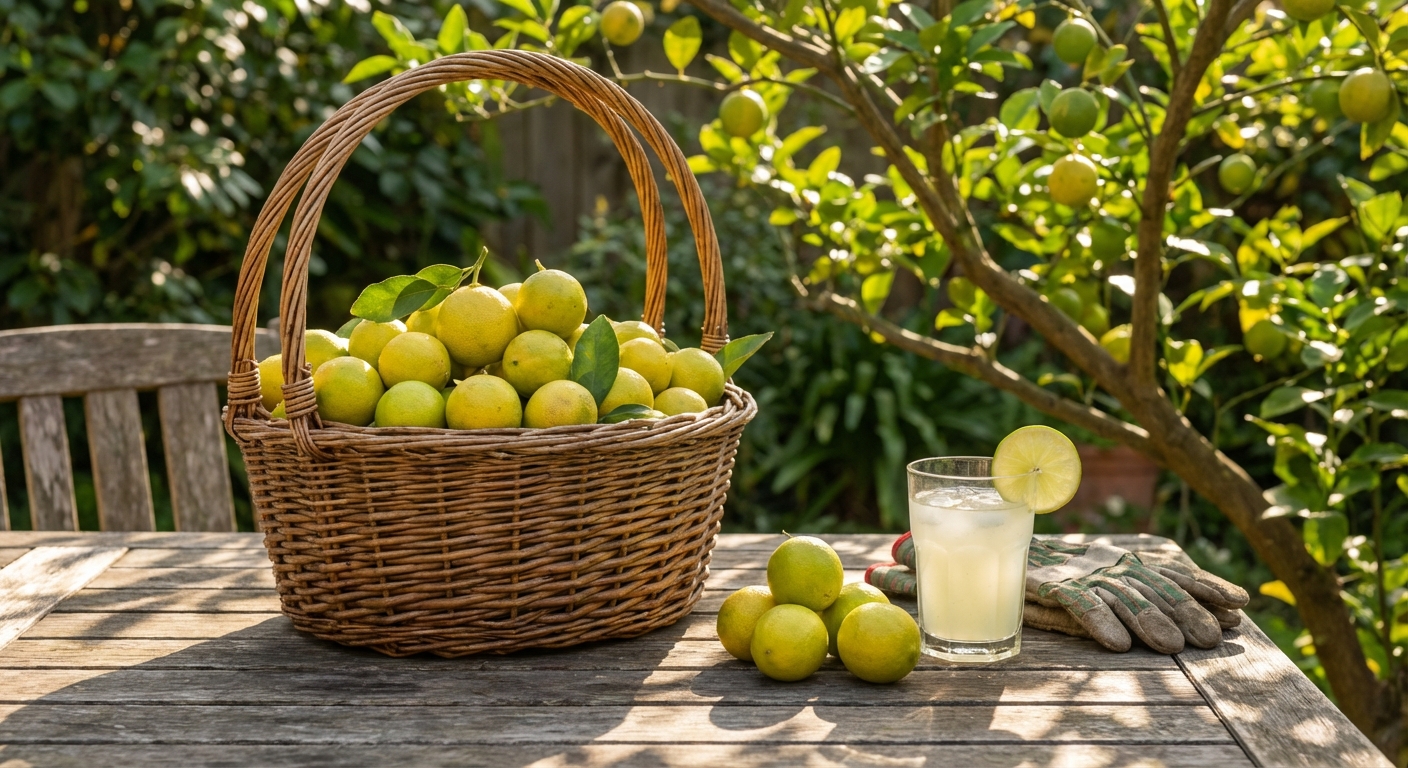
First, there's the constant production. Unlike many fruit trees that give you one big harvest per year, Key lime trees produce fruit almost continuously in warm climates. You'll have fresh limes for your morning water, evening cocktails, and weekend cooking projects.
The compact size makes these trees perfect for small spaces. You don't need a large yard to grow enough limes for your family. One mature tree in a container can produce dozens of limes throughout the year.
The fragrance is intoxicating. When the tree blooms, the sweet citrus perfume fills your outdoor space. When you brush against the leaves, they release aromatic oils that remind you why you love gardening.
But perhaps most importantly, growing Key limes connects you to authentic flavors and traditions. When you make ceviche with limes you picked that morning, or serve margaritas with genuine Key lime juice, you're experiencing food the way it was meant to taste.
What Fascinating Secrets Do Key Lime Trees Hold?
Here are some remarkable facts about Mexican Key lime trees that most people never learn:
The Thornless Mutation: The thornless variety is actually a natural genetic mutation called a bud sport. One branch on a regular Key lime tree suddenly started growing without thorns, and clever propagators preserved this trait through grafting. This same process gave us pink grapefruit and navel oranges.
Self-Pollinating but Social: Key lime trees can produce fruit without cross-pollination, but they produce much heavier crops when multiple citrus varieties are grown nearby. The bees and beneficial insects that visit different citrus flowers improve fruit set across all your trees.
The Seed Surprise: Key limes are polyembryonic, meaning each seed can grow into multiple plants. Most seeds produce one plant from fertilization and one or more genetically identical plants from the mother tree's tissue. This is how citrus varieties stay true to type.
Cold Weather Color Change: Key limes turn yellow when exposed to cool temperatures, even before they're fully ripe. This is why Florida Key limes are often yellow, while the same variety in consistently warm Mexico stays green longer.
The Antibiotic Connection: Key lime juice contains natural compounds that inhibit bacterial growth, which is why ceviche "cooked" in lime juice is safe to eat. Ancient peoples didn't understand the science, but they knew lime juice prevented food poisoning.
Continuous Blooming: In perfect conditions, Key lime trees can have flowers, unripe fruit, and ripe fruit on the tree simultaneously. This makes them one of the most productive citrus varieties for consistent home harvest.
Why Does This Tree Deserve a Place in Your Garden?
If you've ever wondered whether growing your own citrus is worth the effort, the Thornless Mexican Key lime tree makes the answer obvious. This isn't just about having fresh fruit. It's about transforming your cooking, your entertaining, and your connection to authentic flavors.
Think about the last time you paid $0.50 or more for a single lime at the grocery store. Now imagine walking outside and picking a handful of limes that are more flavorful, more aromatic, and fresher than anything you can buy. The tree pays for itself within a couple of years, then provides decades of fresh fruit.
The compact, thornless nature makes this tree perfect for anyone who wants citrus without the hassle. No painful harvests, no massive pruning projects, no overwhelming harvest periods where fruit goes to waste.
But beyond the practical benefits, this tree connects you to centuries of culinary tradition. When you make authentic Key lime pie, perfect ceviche, or traditional margaritas with your own limes, you're experiencing flavors the way they were meant to be enjoyed.
The Thornless Mexican Key lime tree represents everything we love about growing citrus: authentic flavor, continuous harvest, compact size, and the satisfaction of producing something truly special in your own backyard.
Ready to start growing the authentic limes that will transform your cooking? Shop Thornless Mexican Key Lime Trees →
Want to see our complete collection of citrus varieties? Browse our citrus trees collection to discover other authentic varieties that will elevate your home garden and kitchen.


