


New Zealand Lemonade Tree, the Naturally Sweet Citrus You Can Drink Right Off the Tree
Imagine walking into your backyard and picking fruit so naturally sweet you can drink the juice straight from the tree. No added sugar. No puckering. Just pure, refreshing citrus goodness that tastes like nature's own lemonade.
The New Zealand Lemonade Tree makes this dream a reality. This remarkable citrus hybrid produces fruit so mild and sweet that children drink it like juice boxes, and adults marvel at its gentle, pleasant flavor.
But here's what makes this tree truly special: it's not just about the incredible taste. The New Zealand Lemonade Tree represents everything we love about home citrus growing. Compact size perfect for containers. Productive harvests that keep giving. And fruit that connects you to something magical every time you take a sip.

New Zealand Lemonade Tree
Key Takeaways
- New Zealand Lemonade produces naturally sweet fruit that can be consumed fresh without any added sugar
- This hybrid citrus tree stays compact, making it perfect for container growing in any climate
- The tree produces small to medium-sized fruit with minimal seeds and pleasant, mild flavor
- Main harvest occurs in early spring (January-April in California) with smaller summer crops
- Despite unknown parentage, genetic analysis suggests Citrus limettioides classification
- Popular as a home garden tree in New Zealand but lacks commercial production
- Thrives in drier climates where citrus scab disease is less problematic
What Makes the New Zealand Lemonade Tree So Special?
Most citrus makes you pucker. Lemons are sour. Limes are tart. Even sweet oranges have that acidic bite that reminds you you're eating citrus.
But the New Zealand Lemonade Tree breaks all the rules. This sweet lemon hybrid produces fruit so mild and pleasant that you can literally drink it straight. No sugar needed. No wincing. Just smooth, refreshing citrus flavor that goes down easy.
The secret lies in the fruit's unique balance of sugars and acids. While regular lemons pack a punch with high citric acid content, New Zealand Lemonade fruit maintains low acidity while developing natural sweetness. The result? Citrus juice that tastes more like flavored water than traditional lemon juice.
This makes it perfect for anyone who loves the idea of fresh citrus but finds most varieties too intense. Kids especially love it because they can drink it without making faces.
Where Did the New Zealand Lemonade Tree Come From?
The New Zealand Lemonade Tree carries an air of mystery that makes it even more intriguing. Unlike many citrus varieties with well-documented lineages, this hybrid's parentage remains unknown. Even the researchers at the UCR Citrus Variety Collection list its parents as "unknown."
What we do know is fascinating. The tree originated in New Zealand, where it became a beloved home garden variety. Despite its popularity among home growers there, no commercial production ever developed. This kept the New Zealand Lemonade Tree as something of a hidden gem, passed between gardening enthusiasts who treasured its unique qualities.
The variety made its way to California through the Citrus Clonal Protection Program in 2007, arriving as budwood from Nuccio's Nursery in Altadena. This journey from New Zealand backyard gardens to California research collections represents the fascinating way exceptional citrus varieties spread around the world.
Genetically, scientists classify it as Citrus limettioides Tanaka, placing it in the sweet lemon category. But its exact heritage remains one of citrus botany's pleasant mysteries.
How Did This Sweet Citrus Reach American Gardens?
The New Zealand Lemonade Tree's arrival in America tells a story of citrus passion and scientific preservation. In 2007, this special variety crossed the Pacific through the careful work of the Citrus Clonal Protection Program at UC Riverside.
The journey began at Nuccio's Nursery in Altadena, California, a respected source for unique citrus varieties. From there, budwood traveled to UC Riverside's research facilities, where scientists began the careful process of evaluation and propagation.
This wasn't just about adding another citrus to the collection. The Citrus Clonal Protection Program serves as a genetic treasury, preserving valuable citrus varieties for future generations. By bringing the New Zealand Lemonade Tree into their collection, researchers ensured that American gardeners would have access to this remarkable sweet citrus.
Today, the variety is available to home growers through specialized nurseries that understand the value of unique citrus genetics. This represents a complete circle: from New Zealand home gardens, through California research programs, and back to American home gardens where it belongs.
Why Do Families Around the World Treasure This Tree?
The New Zealand Lemonade Tree holds a special place in family gardens because it creates moments that stick with you forever. Picture this: your child runs inside, eyes bright with excitement, carrying a small yellow fruit. Instead of reaching for sugar or honey, they squeeze it directly into their mouth and smile.
That's the magic this tree brings to families. In New Zealand, where the variety first gained popularity, generations of home gardeners have passed down trees through family lines. Grandparents teach grandchildren how to pick the fruit at perfect ripeness. Parents share stories about their first taste of "natural lemonade."
The tree fits perfectly into the rhythm of family life. Its compact size means it doesn't dominate the garden, yet it produces enough fruit to share. The main crop ripens in early spring, providing fresh citrus just when winter stores are running low. Smaller summer crops extend the harvest, giving families fresh fruit throughout the growing season.
Beyond the practical benefits, the New Zealand Lemonade Tree represents something deeper. In our world of processed foods and artificial flavors, it offers authentic taste that connects us to nature's simple pleasures.
What Does the New Zealand Lemonade Tree Look Like?
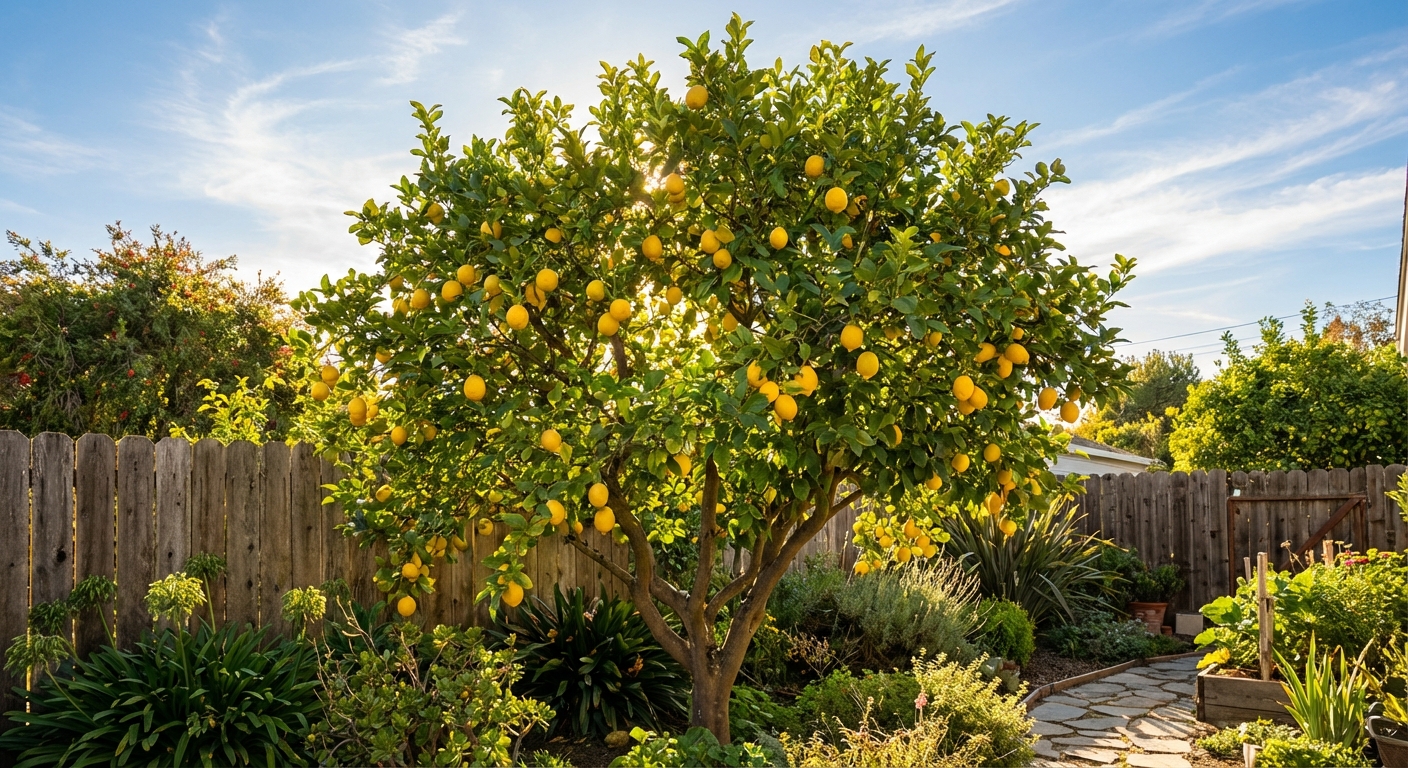
The New Zealand Lemonade Tree presents itself as a well-mannered garden citizen. Unlike some citrus varieties that grow large and sprawling, this tree maintains a naturally compact, semi-dwarf habit that makes it perfect for home growing.
On standard rootstock, mature trees typically reach 8-12 feet in height with a similar spread. The growth pattern tends toward rounded and slightly upright, creating an attractive silhouette that works well as both a fruiting tree and landscape specimen.
The foliage displays the classic citrus appearance: glossy, dark green leaves that catch sunlight beautifully. Leaves are medium-sized and oval-shaped, creating dense coverage that provides good fruit protection while maintaining an attractive appearance year-round.
Like many citrus varieties, the New Zealand Lemonade Tree produces small, fragrant white flowers that appear in clusters. The blooms carry that distinctive sweet citrus scent that fills the air during flowering season, usually in late winter to early spring.
The tree's branching structure tends to be relatively open, which helps with air circulation and light penetration. This natural architecture reduces disease pressure and ensures even fruit ripening throughout the canopy.
| Characteristic | Description |
|---|---|
| Mature Height | 8-12 feet (semi-dwarf) |
| Growth Habit | Rounded, slightly upright |
| Foliage | Glossy, dark green, medium-sized leaves |
| Flowers | Small, white, fragrant clusters |
| Branching | Open structure, good air circulation |
What Makes the Fruit So Special to Eat and Drink?
The fruit of the New Zealand Lemonade Tree delivers an experience unlike any other citrus. When you first see it, you might mistake it for a small lemon. The fruit ranges from small to medium size, typically 2-3 inches in diameter, with the classic bright yellow color that signals ripeness.
But the moment you taste it, you realize you're dealing with something completely different. The flavor is mild, sweet, and incredibly pleasant. There's no sharp acidity that makes you pucker. No bitter aftertaste that lingers. Instead, you get clean, refreshing citrus flavor that goes down smooth.
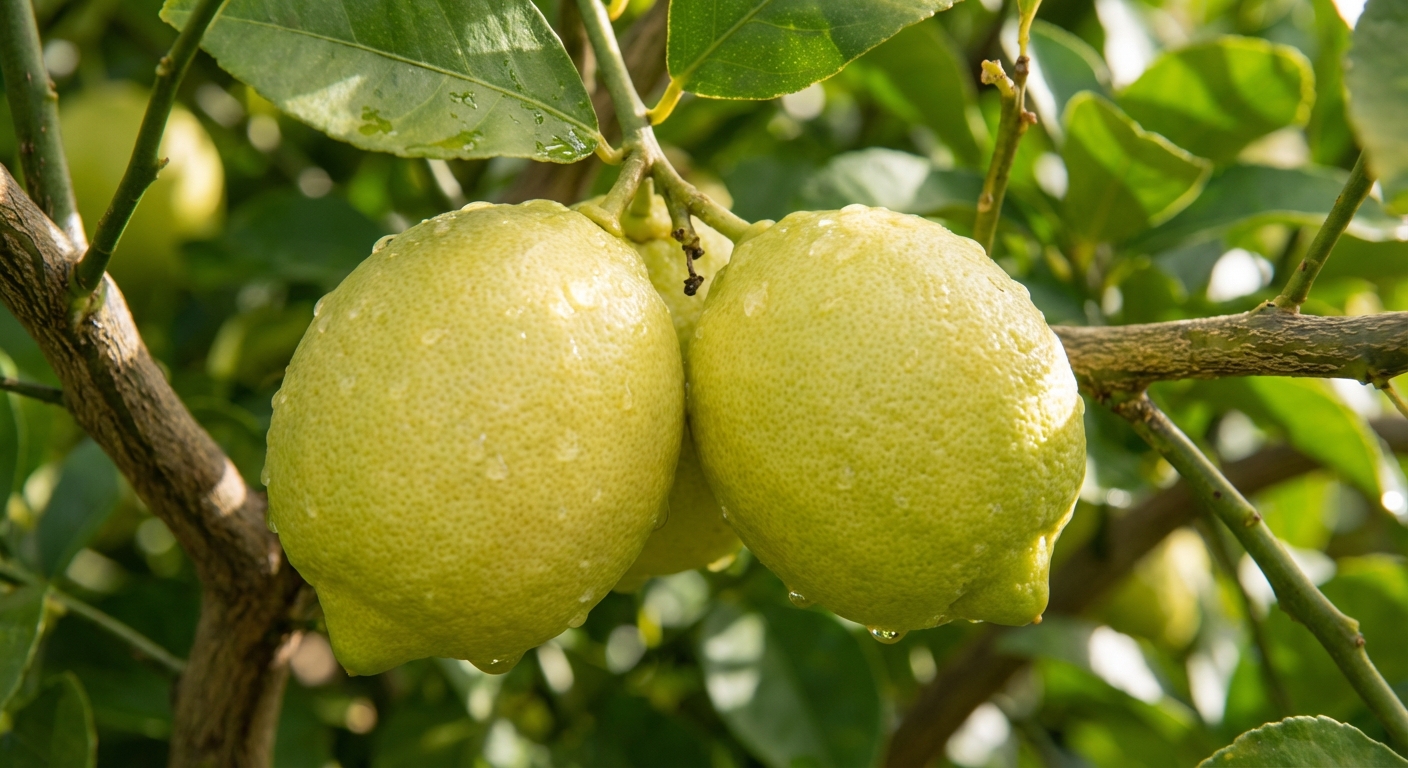
The juice content is excellent for fresh consumption. Unlike some sweet citrus varieties that lack juiciness, New Zealand Lemonade fruit produces plenty of liquid for drinking. The consistency is similar to fresh lemonade, but without any added sugar or sweeteners.
Peeling the fruit reveals another pleasant surprise. While not as easy to peel as a mandarin, the rind comes off readily with a little effort. The segments separate cleanly, and you'll find very few seeds. This makes it practical for fresh eating, not just juicing.
The culinary applications extend far beyond drinking the juice straight. The mild flavor makes it perfect for:
- Fresh fruit salads where lemon would be too tart
- Light salad dressings that need citrus without overwhelming acidity
- Gentle marinades for fish or chicken
- Homemade sodas and flavored waters
- Citrus ice cubes that add flavor without sourness
The zest carries the same mild character as the juice, providing citrus aroma without bitter oils that can overpower dishes.
How Do You Successfully Grow a New Zealand Lemonade Tree?
Growing a thriving New Zealand Lemonade Tree comes down to understanding what this unique citrus needs to flourish. The good news? It's actually quite forgiving once you establish the right foundation.
Climate requirements are similar to other citrus varieties, but the New Zealand Lemonade Tree shows particular adaptability. It thrives in USDA zones 9-11, handling temperatures down to about 25°F for short periods. The tree actually prefers slightly drier conditions than some citrus, making it perfect for Mediterranean climates or areas with controlled irrigation.
This preference for drier conditions brings a significant advantage: reduced susceptibility to citrus scab disease. While the variety can be affected by scab in humid conditions, drier climates virtually eliminate this concern.
Container growing works exceptionally well for New Zealand Lemonade Trees. Their naturally compact size means they adapt beautifully to pot culture, making them perfect for patios, decks, or areas where you need to move trees indoors during winter.
Success with any citrus tree, including the New Zealand Lemonade Tree, depends on establishing what we call the Three Plant Pillars. This is US Citrus Nursery's proven framework that ensures your tree not only survives but thrives for decades.
The Three Plant Pillars for New Zealand Lemonade Success
Pillar 1: Mineral-Based Soil
Your New Zealand Lemonade Tree needs soil that never decomposes and always provides oxygen to the roots. Traditional potting mix suffocates roots as it breaks down. Dr. Mani's Magic Super Soil uses mineral-based ingredients that create permanent drainage and aeration.
Pillar 2: Live Microbials
Healthy roots depend on beneficial bacteria and fungi. Plant Super Boost provides full-spectrum microbes that protect roots, unlock nutrients, and build natural resilience against pests and diseases.
Pillar 3: Complete Organic Fertilizer
Crab, Kelp & Amino Acids (7-4-4) delivers all 12 essential nutrients in slow-release form. Unlike synthetic fertilizers that burn roots with salts, this organic formula works with your soil biology to feed your tree naturally.
| Growing Factor | Requirement | Notes |
|---|---|---|
| Climate Zones | USDA 9-11 | Cold hardy to 25°F briefly |
| Sun Exposure | Full sun (6+ hours) | Some afternoon shade in extreme heat |
| Soil Drainage | Excellent drainage required | Mineral-based soil prevents root rot |
| Watering | Deep, infrequent irrigation | Prefers slightly drier conditions |
| Container Size | 20+ gallon minimum | Semi-dwarf habit suits containers well |
Harvest Timing and Fruit Quality
New Zealand Lemonade Trees typically produce their main crop from January through April in California conditions. This timing provides fresh citrus during late winter and early spring when you need vitamin C most.
Smaller secondary crops often occur during summer months, extending your harvest season. While these summer fruits may be less abundant, they offer the same excellent quality and sweet flavor.
Fruit quality peaks when allowed to fully ripen on the tree. Unlike commercial citrus that's often picked green and artificially ripened, your home-grown New Zealand Lemonade fruit develops full sweetness and minimal acidity when tree-ripened.
Why Do Home Growers Fall in Love With This Tree?
Home growers discover that the New Zealand Lemonade Tree offers something most citrus varieties can't: immediate gratification without the work.
First, there's the size advantage. Many citrus trees grow large and unwieldy, requiring constant pruning and management. The New Zealand Lemonade Tree stays naturally compact, fitting perfectly into home landscapes without overwhelming the space.
Then there's the fruit itself. Most homegrown citrus requires processing before consumption. Lemons need sugar. Limes need dilution. Even sweet oranges can be too acidic for some family members. But New Zealand Lemonade fruit gets consumed immediately. Kids grab it off the tree and drink it like a juice box.
The productivity surprises many growers. Despite its compact size, the tree produces generous crops. A mature tree can easily provide enough fruit for a family's fresh consumption, with plenty left over for sharing with neighbors.
Container growing capability opens up possibilities for gardeners in challenging climates. Northern gardeners can grow this tropical treasure by moving containers indoors during winter. Apartment dwellers with sunny balconies can enjoy fresh citrus year-round.
Perhaps most importantly, the New Zealand Lemonade Tree connects families to something authentic. In our world of artificial flavors and processed foods, squeezing fresh juice directly from your own tree creates moments of pure satisfaction.
What Are the Most Fascinating Facts About This Mysterious Citrus?
The New Zealand Lemonade Tree holds secrets that even citrus scientists find intriguing. Despite extensive genetic research, its exact parentage remains unknown. This makes it one of the few commercial citrus varieties whose origins are completely mysterious.
Here's something that surprises most people: despite being called "New Zealand Lemonade," the tree never achieved commercial production in New Zealand. It remained purely a home garden variety, passed between gardening enthusiasts who recognized its special qualities.
The tree's arrival in California revealed an interesting botanical quirk. Trees propagated at UC Riverside developed small brown to black lesions on the bark. The cause remains unknown, and these lesions don't seem to affect fruit production or tree health significantly. It's just another mystery surrounding this enigmatic variety.
Genetic testing places the New Zealand Lemonade Tree in the Citrus limettioides group, technically making it a "sweet lemon." But its flavor profile differs significantly from other sweet lemons, suggesting unique parentage or possibly a spontaneous mutation.
The ripening pattern offers another interesting characteristic. While the main crop ripens in early spring, the tree often produces smaller summer crops. This extended harvest period is unusual for citrus and adds to the tree's value for home growers.
Perhaps the most fascinating aspect is how the variety survived and spread despite never being commercialized. This represents the power of home gardener networks in preserving unique genetic material that might otherwise disappear.
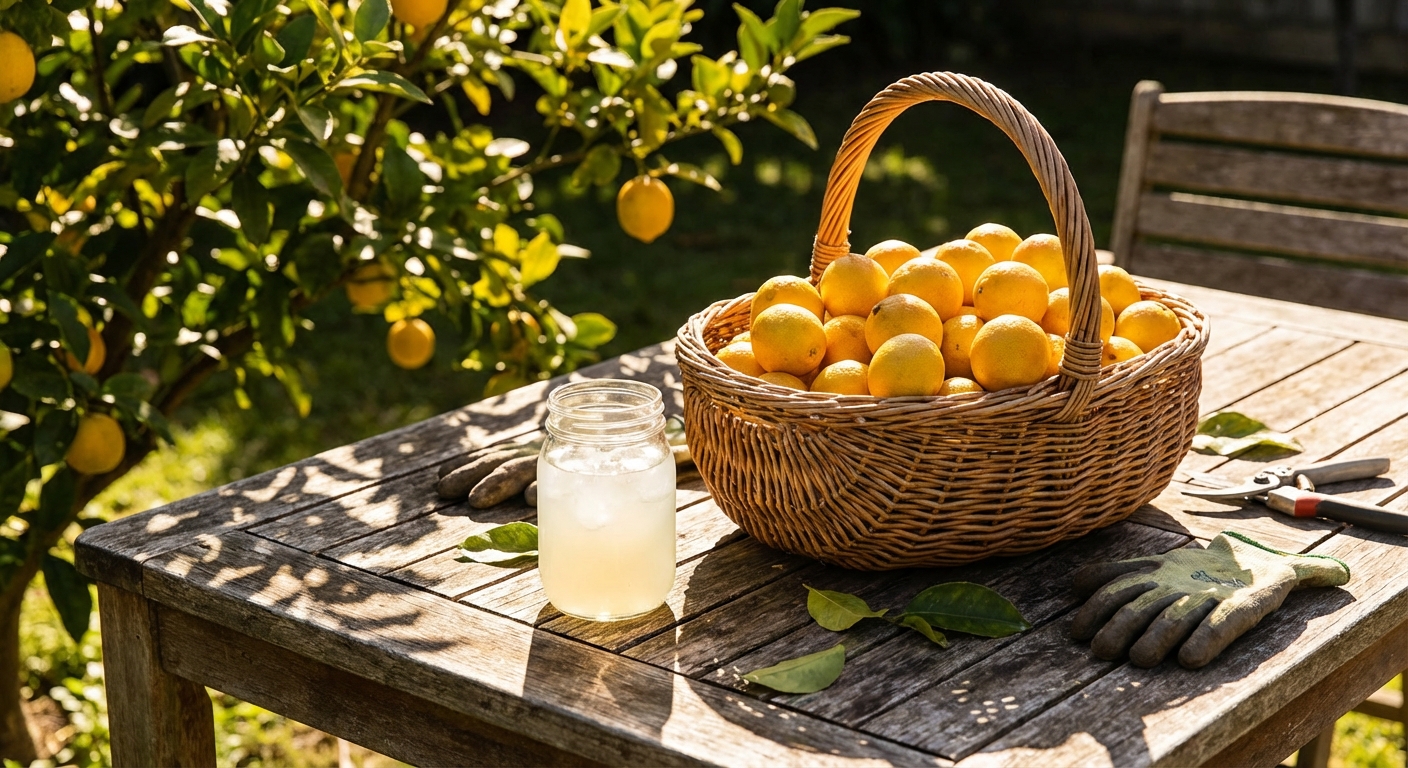
Why This Tree Deserves a Place in Your Backyard
The New Zealand Lemonade Tree represents everything we love about growing our own food: authentic flavor, family moments, and the satisfaction of producing something truly special.
In a world where most citrus comes from commercial orchards using industrial methods, growing your own New Zealand Lemonade Tree connects you to something real. Every glass of fresh juice represents months of care, attention, and anticipation.
The tree fits beautifully into modern life. Its compact size works in small yards. Container growing capability means anyone with a sunny spot can grow it. The low-maintenance nature suits busy families who want homegrown food without complicated care routines.
But beyond the practical benefits, this tree offers something deeper. It creates moments of wonder when children taste naturally sweet citrus for the first time. It provides talking points when neighbors ask about the unusual fruit. It connects your family to the long tradition of home citrus growing.
The New Zealand Lemonade Tree proves that the best things in gardening often come from unexpected places. This mysterious hybrid from the other side of the world can transform your relationship with fresh citrus.
Ready to experience naturally sweet citrus juice straight from your own tree? Our New Zealand Lemonade Trees arrive ready to plant in Dr. Mani's Magic Super Soil, complete with the Three Plant Pillars foundation for lifelong success. Start your journey with this remarkable citrus variety today.
For gardeners interested in exploring other unique citrus varieties, browse our complete collection of citrus trees to discover the perfect additions to your home orchard.
Frequently Asked Questions
1. What is a New Zealand Lemonade Tree?
The New Zealand Lemonade Tree is a unique citrus variety known for producing naturally sweet, mild-flavored fruit that can be eaten fresh or juiced without adding sugar. Its exact parentage is unknown, but genetic analysis places it within the Citrus limettioides group, commonly associated with sweet lemons.
2. Is New Zealand Lemonade fruit actually sweet?
Yes. New Zealand Lemonade fruit is known for its unusually mild, naturally sweet flavor and low acidity compared with traditional lemons. The juice can be consumed fresh without added sugar, making it especially appealing to people who find regular lemons too sour.
3. Where does the New Zealand Lemonade Tree come from?
The New Zealand Lemonade Tree originated in New Zealand, where it became popular as a home garden citrus variety. Its exact origin and parentage remain unknown. The variety was later introduced to California through the Citrus Clonal Protection Program in 2007 from budwood obtained from Nuccio's Nursery in Altadena.
4. Can you drink New Zealand Lemonade fruit juice straight from the tree?
Yes. One of the main attractions of New Zealand Lemonade fruit is that its juice is mild and naturally sweet enough to drink fresh without adding sugar. The flavor is refreshing and citrusy without the sharp acidity normally associated with lemons.
5. When does the New Zealand Lemonade Tree produce fruit?
In California conditions, the main harvest typically occurs from January through April. The tree may also produce smaller crops during summer, giving home growers an extended harvest season compared with many citrus varieties.
6. How big does a New Zealand Lemonade Tree get?
A mature New Zealand Lemonade Tree typically reaches about 8 to 12 feet tall on standard rootstock, with a similar spread. Its naturally compact, rounded growth habit also makes it suitable for container growing and smaller home gardens.
7. Can you grow a New Zealand Lemonade Tree in a container?
Yes. New Zealand Lemonade Trees adapt well to container growing because of their naturally compact growth habit. A container of at least 20 gallons is recommended for a mature tree, provided it has excellent drainage and receives at least six hours of sunlight daily.
8. What climate is best for growing a New Zealand Lemonade Tree?
The New Zealand Lemonade Tree performs best in USDA Zones 9–11 and can tolerate brief temperatures down to approximately 25°F. It prefers full sun and slightly drier conditions, making it particularly well suited to Mediterranean-style climates with controlled irrigation.
9. What can you use New Zealand Lemonade fruit for?
New Zealand Lemonade fruit is especially useful for fresh juice, fruit salads, salad dressings, marinades, homemade beverages, flavored water, and citrus ice cubes. Its mild flavor provides citrus character without the intense acidity of conventional lemons.
10. Why should you grow a New Zealand Lemonade Tree at home?
The New Zealand Lemonade Tree is an excellent choice for home growers who want naturally sweet citrus, compact growth, reliable production, and the ability to grow fruit in containers. Its unusual flavor, mysterious heritage, and extended harvest season make it particularly appealing to gardeners looking for a unique citrus variety.
About the Author
Ron Skaria, MD
Ron Skaria is the son of Dr. Mani. He trained as a medical doctor at Baylor College of Medicine, did his residency at UT Health Science Center - San Antonio and fellowship training at Texas Tech University. He now works full time on the family farm at US Citrus and US Citrus Nursery in Hargill, Texas, building Dr. Mani's Magic alongside his dad. He wrote the Brown Thumb Field Guide to put his father's 48 years of plant science into plain words any gardener can use. His belief is simple. You never had a brown thumb. You just never had the right help.


