


Rio Red Grapefruit Tree, the Texas Legend Dr. Skaria Helped Make State Fruit
You bite into a perfect grapefruit segment, and instead of the usual pale yellow flesh, you're greeted by a stunning ruby red interior that's sweeter and more aromatic than any grapefruit you've ever tasted. That's the magic of the Rio Red grapefruit, a Texas treasure that Dr. Mani Skaria helped establish as the official state fruit of Texas.
This remarkable citrus variety represents one of the greatest success stories in American agriculture. Born from innovative breeding programs in the Rio Grande Valley, the Rio Red grapefruit transformed Texas into a grapefruit powerhouse and gave home growers access to restaurant-quality fruit right from their backyard.
But here's what most people don't know: the Rio Red's incredible flavor and color only develop under specific growing conditions. The deep red pigmentation that makes this grapefruit so special requires intense heat to fully express itself. That's why understanding the right growing approach can mean the difference between pale, ordinary fruit and the vibrant, ruby-red grapefruits that made Texas famous.

Rio Red Grapefruit Tree
Key Takeaways
- Rio Red grapefruit originated from radiation breeding programs in Texas and became the official state fruit in 1993
- The deep red flesh color develops best in hot climates, making it perfect for container growing in sunny locations
- Trees are vigorous growers that can reach 15-20 feet but adapt well to container cultivation with proper care
- Fruit ripens mid to late season (February through June) with exceptional juice content and balanced sweet-tart flavor
- Success depends on mineral-based soil, live microbes, and complete organic fertilization (the Three Plant Pillars)
- Dr. Mani Skaria's research helped establish optimal growing conditions for Rio Red in Texas orchards
- Home growers can achieve commercial-quality fruit with the right soil foundation and care regimen
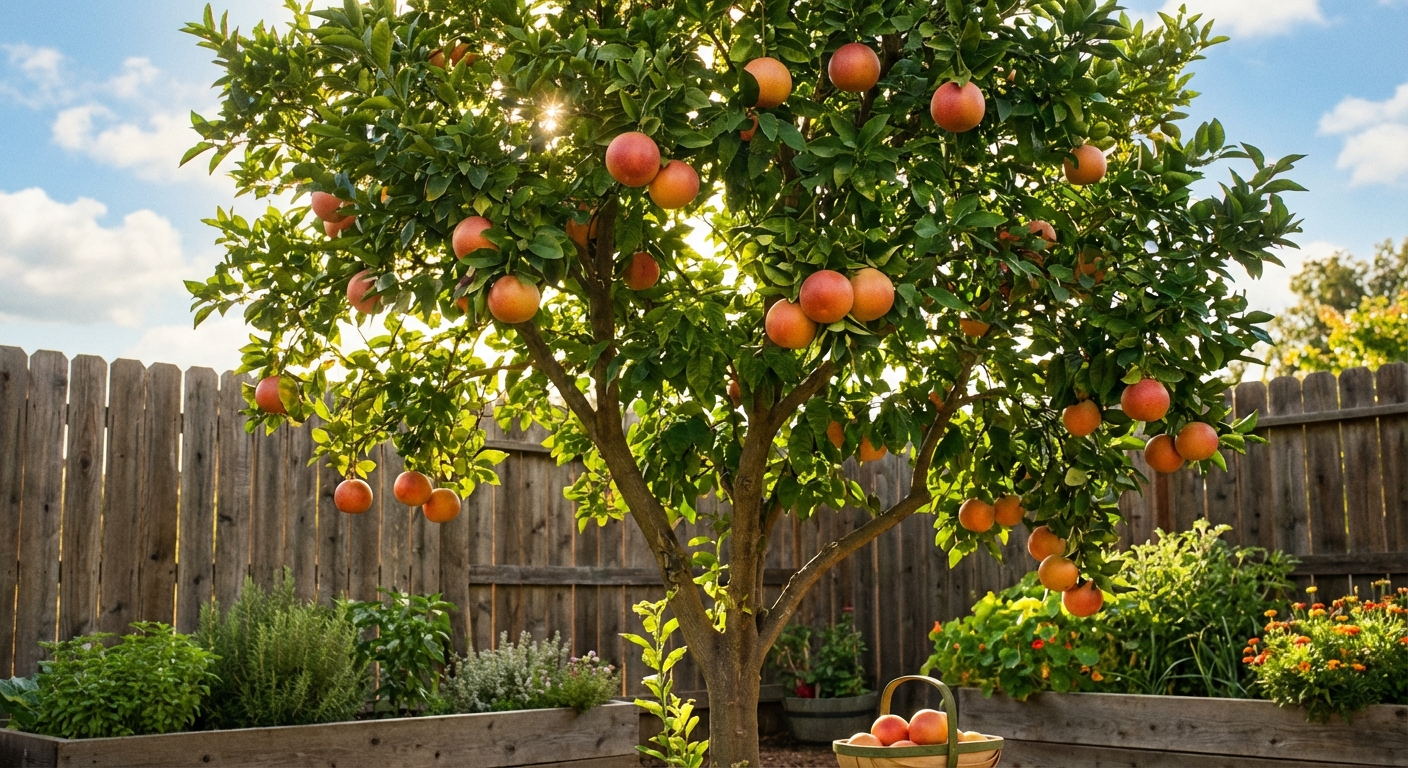
What Makes the Rio Red Grapefruit Tree So Special?
The Rio Red grapefruit tree stands as a testament to American agricultural innovation. Unlike older grapefruit varieties that produce pale, often bitter fruit, the Rio Red delivers consistently sweet, deeply pigmented grapefruits that rival the best citrus in the world.
What sets this variety apart is its unique ability to develop intense red coloration throughout the flesh, not just near the rind. This deep pigmentation comes from high levels of lycopene, the same antioxidant that makes tomatoes red. The result? Grapefruits that are not only beautiful to look at but packed with health benefits.
Dr. Mani Skaria, our founder and world-renowned citrus scientist, spent decades working with Rio Red grapefruits during his time at Texas A&M Kingsville Citrus Center. His research helped establish the optimal growing conditions that allow these trees to produce their signature ruby-red fruit year after year.
How Did the Rio Red Grapefruit Originate and Spread?
The story of Rio Red grapefruit begins in the 1960s with innovative breeding work in Texas. According to the UCR Citrus Variety Collection, this remarkable variety came from the breeding program of R.A. Hensz in Texas, originating as a bud sport of a tree produced from irradiated budwood of a Ruby grapefruit seedling.
This radiation breeding technique was revolutionary for its time. Scientists exposed Ruby grapefruit budwood to controlled radiation, which caused beneficial mutations in the plant's genetic material. From thousands of these irradiated buds, only a few produced superior fruit. The Rio Red was one of these rare successes.
The breakthrough came when researchers noticed that one particular tree produced grapefruits with exceptionally deep red flesh and superior flavor. This single tree became the mother plant for all Rio Red grapefruits grown today. Every Rio Red tree traces its lineage back to that one remarkable specimen discovered in the Texas breeding program.
By the 1970s, commercial growers in the Rio Grande Valley began planting Rio Red orchards. The variety's ability to produce consistently red fruit in the hot Texas climate made it an instant success. Within two decades, Rio Red grapefruits dominated Texas citrus production and earned recognition as the state's signature citrus variety.
How Did Rio Red Grapefruit Arrive in America?
While the Rio Red variety itself was developed in Texas, its genetic foundation comes from earlier grapefruit varieties that arrived in America through fascinating historical pathways. The original grapefruit species (Citrus paradisi) likely originated in the Caribbean, where it evolved as a natural hybrid between pomelo and sweet orange.
Spanish and Portuguese explorers brought early grapefruit varieties to Florida in the 1800s. From Florida, citrus cultivation spread westward to Texas, California, and other suitable climates. By the early 1900s, Texas had established itself as a major grapefruit producer, setting the stage for the breeding innovations that would eventually create the Rio Red.
The Rio Grande Valley of South Texas proved to be ideal grapefruit territory. The combination of subtropical climate, fertile soils, and abundant sunshine created perfect conditions for citrus cultivation. This agricultural foundation made it possible for researchers like R.A. Hensz to conduct the experimental breeding work that produced the Rio Red.
Today, the Rio Red represents the culmination of centuries of citrus cultivation knowledge combined with modern breeding science. It's a uniquely American citrus variety that showcases what's possible when traditional growing wisdom meets innovative research.
What Cultural Significance Do Rio Red Grapefruits Hold?
In 1993, the Texas Legislature officially designated the Rio Red grapefruit as the state fruit, cementing its place in Texas culture and agriculture. This recognition wasn't just ceremonial. It acknowledged the Rio Red's economic importance to Texas and its role in establishing the state as America's grapefruit capital.
For Texas families, Rio Red grapefruits became a symbol of home-grown quality and agricultural pride. Many Texas households have traditions around grapefruit season, from fresh-squeezed juice at breakfast to holiday gift boxes sent to relatives across the country. The deep red color makes Rio Red segments a beautiful addition to fruit salads, especially during winter holidays when the fruit is at peak ripeness.
The variety also holds special significance in the agricultural communities of South Texas. Rio Red orchards provide thousands of jobs and support entire communities in the Rio Grande Valley. The annual grapefruit harvest becomes a community celebration, with local festivals highlighting the fruit that put their region on the map.
Beyond Texas, Rio Red grapefruits gained recognition among chefs and food enthusiasts for their superior flavor and striking appearance. High-end restaurants began featuring Rio Red segments in salads, desserts, and cocktails, appreciating both the visual appeal and the balanced sweet-tart flavor that makes this variety so versatile.
What Are the Botanical Characteristics of Rio Red Grapefruit Trees?
Rio Red grapefruit trees are vigorous growers that can reach impressive sizes under optimal conditions. In commercial orchards, mature trees often reach 15-20 feet in height with equally wide canopies. The trees have a naturally rounded growth habit with dense, dark green foliage that provides excellent fruit protection.
The leaves are typical of grapefruit varieties: large, glossy, and oval-shaped with slightly serrated edges. Young branches may have small thorns, though these become less prominent as the tree matures. The bark is smooth and grayish-brown, developing a slightly furrowed texture on older trunks.
One of the most striking characteristics is the tree's exceptional vigor. Rio Red trees grow quickly when provided with proper nutrition and care, often producing their first significant crop within 3-4 years of planting. This fast growth makes them excellent choices for home growers who want to enjoy homegrown grapefruits relatively quickly.
The flowering period typically occurs in spring, with fragrant white blossoms covering the tree in waves. These flowers are self-fertile, meaning a single tree can produce fruit without requiring a pollinator partner. The blooms attract beneficial insects and fill the air with the classic sweet citrus fragrance that makes growing citrus trees such a sensory pleasure.
| Characteristic | Rio Red Grapefruit Tree | Standard Grapefruit |
|---|---|---|
| Mature Height | 15-20 feet (8-12 feet in containers) | 15-25 feet |
| Canopy Spread | 12-18 feet | 15-20 feet |
| Growth Rate | Fast to moderate | Moderate |
| Leaf Size | Large, glossy, dark green | Medium to large |
| Thorns | Small on young growth, minimal on mature wood | Variable by variety |
| Cold Tolerance | Hardy to 28-30°F | 28-32°F depending on variety |
What Does Rio Red Grapefruit Taste Like and How Is It Used?
The flavor of a perfectly ripe Rio Red grapefruit is nothing short of extraordinary. Unlike the harsh bitterness associated with many grapefruit varieties, Rio Red offers a beautifully balanced sweet-tart profile that makes it appealing even to those who typically avoid grapefruit.
The initial taste is bright and citrusy, followed by a pleasant sweetness that balances the natural acidity. The deep red flesh provides not just visual appeal but also indicates higher levels of beneficial compounds like lycopene and anthocyanins. These antioxidants contribute subtle flavor notes that distinguish Rio Red from paler varieties.
Fresh Rio Red segments are perfect for breakfast, either eaten alone or mixed into yogurt, cereal, or fruit salads. The juice is exceptional, with a rich color and complex flavor that makes it popular for fresh-squeezed breakfast juice or cocktail mixers. Many bartenders specifically seek out Rio Red juice for its beautiful color and balanced flavor profile.
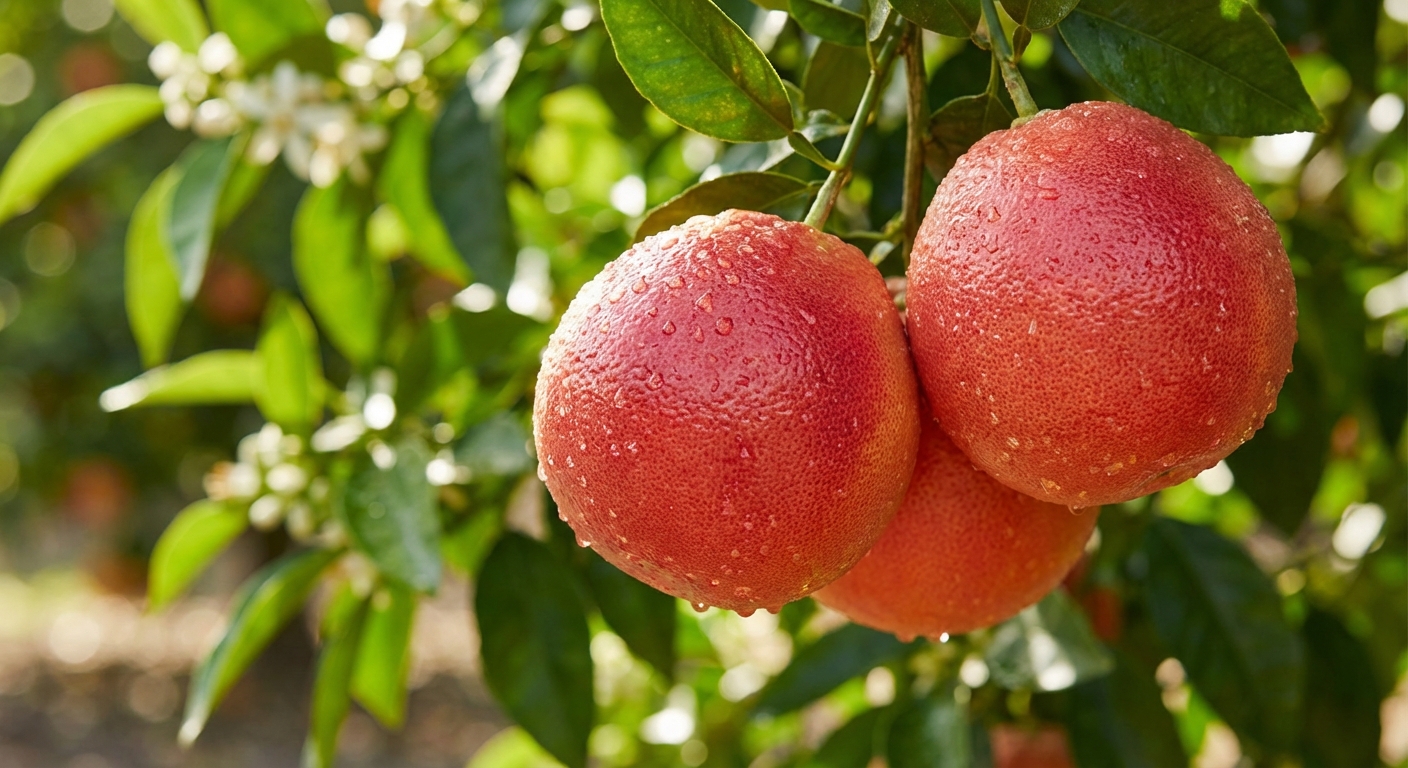
In cooking applications, Rio Red grapefruits shine in both sweet and savory preparations. The segments hold their shape well in fruit tarts and salads, while the juice makes excellent marinades for fish and poultry. The zest provides intense citrus flavor for baking and seasoning blends.
The nutritional profile is impressive: high in vitamin C, folate, and potassium, plus significant levels of lycopene and other antioxidants. A single Rio Red grapefruit provides more than 100% of the daily recommended vitamin C intake, making it both delicious and nutritious.
How Do You Successfully Grow Rio Red Grapefruit Trees?
Growing Rio Red grapefruit trees successfully comes down to understanding what these vigorous trees need to thrive. The key is recreating the hot, sunny conditions of South Texas that allow the fruit to develop its signature deep red color and superior flavor.
Temperature is critical for Rio Red success. These trees need hot summers to develop the intense pigmentation that makes the variety special. In cooler climates, the fruit may remain pale and lack the characteristic red color. Ideal growing conditions include daytime temperatures consistently above 85°F during the growing season.
At US Citrus Nursery, we've learned that success with Rio Red trees depends on establishing what we call the Three Plant Pillars: mineral-based soil that never decomposes, live microbials that protect and nourish roots, and complete organic fertilization that provides all essential nutrients without harmful salts.
The first pillar, mineral-based soil, is especially important for grapefruit trees. These vigorous growers need excellent drainage and consistent oxygen flow to their extensive root systems. Traditional potting mix, which is just decomposing pine bark, suffocates roots as it breaks down. Dr. Mani's Magic Super Soil provides permanent structure that never needs replacing.
The second pillar involves live microbials that create a healthy root zone environment. Plant Super Boost contains over 2,000 species of beneficial bacteria and 400+ fungi species that work together to protect roots from disease and unlock nutrients from the soil.
The third pillar is complete organic fertilization. Rio Red trees are heavy feeders that need consistent nutrition to support their vigorous growth and fruit production. Crab, Kelp & Amino Acids (7-4-4) provides all 12 essential nutrients in slow-release form, feeding the tree and the beneficial microbes simultaneously.
| Growing Condition | Rio Red Requirements | Container Adaptations |
|---|---|---|
| Temperature Range | 60-100°F optimal, 28°F minimum | Move indoors below 32°F |
| Sunlight | 8+ hours direct sun for best color | South-facing location preferred |
| Soil pH | 6.0-6.5 (pre-adjusted in Super Soil) | No pH adjustment needed with Super Soil |
| Water Frequency | When top 2 inches of soil feel dry | More frequent in containers |
| Fertilizer Schedule | Monthly during growing season | 1 oz per inch of trunk diameter |
| Container Size | N/A | Start 20+ gallons, up-pot as needed |
What Watering Schedule Works Best for Rio Red Trees?
Rio Red grapefruit trees need consistent moisture but excellent drainage. The key is understanding that these trees prefer deep, infrequent watering rather than frequent light watering. This encourages deep root development and helps the tree become more drought tolerant.
In mineral-based soil like Super Soil, overwatering becomes nearly impossible because excess water drains immediately. This allows you to water thoroughly each time without worrying about root rot. Always water until you see water running from the drainage holes, ensuring the entire root zone receives moisture.
The frequency depends on temperature, humidity, and container size:
- Below 60°F or indoors: Once per week
- 60-90°F, humid conditions: Twice weekly
- 60-90°F, dry conditions: Three times per week
- Above 90°F, humid: Every other day
- Above 90°F, dry: Daily
How Do You Handle Pest and Disease Management?
Healthy Rio Red trees grown with the Three Plant Pillars approach rarely experience serious pest or disease problems. Strong, well-nourished trees naturally resist many common citrus pests. However, prevention and early intervention remain important.
For pest control, we rely on safe, effective methods that don't harm beneficial insects or soil microbes:
- Diatomaceous Earth (3 oz per gallon) for soft-bodied insects
- Micronized Sulfur (2-3 oz per gallon) for fungal issues and mites
- Castile or Horticultural Soap (2 oz per gallon) for scale and aphids
- Rubbing Alcohol Spray for spot treatment of scale insects
The key is maintaining tree health through proper nutrition and soil biology. Weak, stressed trees attract pests, while vigorous, healthy trees naturally resist most problems.
Why Do Home Growers Love Rio Red Grapefruit Trees?
Home growers consistently choose Rio Red grapefruit trees for several compelling reasons. First, the visual impact is undeniable. When you cut open a homegrown Rio Red grapefruit and reveal that stunning ruby-red interior, it's a moment of pure gardening pride. You've produced something that rivals the best commercial fruit.
The flavor is another major draw. Store-bought grapefruits often lack the complexity and balance that comes from tree-ripened fruit. When you grow your own Rio Red grapefruits, you control the harvest timing, ensuring perfect ripeness and maximum flavor development.
Container growing makes Rio Red accessible to gardeners in cooler climates. While the trees originated in hot South Texas, container cultivation allows gardeners anywhere to enjoy homegrown grapefruits. You can move the trees to protected locations during cold weather and provide the hot summer conditions needed for optimal fruit color.
The productivity is impressive. A mature Rio Red tree can produce 50-100+ grapefruits annually, providing fresh fruit for months. The harvest season extends from February through June, giving you access to fresh citrus when most other fruits are out of season.
There's also the satisfaction of growing something truly special. Rio Red isn't just another grapefruit variety. It's a piece of American agricultural history, a variety that represents innovation and excellence in plant breeding. When you grow Rio Red, you're participating in that legacy.
What Are Some Historical Oddities and Rare Facts About Rio Red?
Here's something most people don't know: the radiation breeding technique that created Rio Red grapefruit was considered cutting-edge science in the 1960s. Researchers used controlled gamma radiation to cause beneficial mutations in plant cells, a process that sounds like science fiction but produced some of agriculture's most important varieties.
The original Rio Red mother tree was discovered almost by accident. Among thousands of irradiated buds, most produced inferior fruit or failed to grow at all. The single tree that became the Rio Red parent stood out not just for its red flesh, but for its exceptional vigor and disease resistance. Every Rio Red tree today is genetically identical to that original discovery.
Another fascinating fact: the deep red color that makes Rio Red famous only develops under specific heat conditions. The same tree can produce pale fruit in cool weather and deep red fruit in hot weather. This temperature sensitivity explains why Texas became the ideal growing region for this variety.
Dr. Mani Skaria's research contributed to understanding exactly what environmental conditions optimize Rio Red color development. His work at the Texas A&M Kingsville Citrus Center helped establish the growing protocols that Texas growers still use today.
The variety name "Rio Red" pays homage to the Rio Grande River, which flows through the heart of Texas grapefruit country. The river's valley provides the hot, humid conditions that allow Rio Red grapefruits to develop their signature characteristics.
Perhaps most remarkably, Rio Red grapefruits were among the first citrus varieties to be propagated using micro-budding techniques. Dr. Skaria pioneered this method, which allows for more precise grafting and faster tree production. This innovation helped Rio Red varieties spread quickly through commercial orchards and eventually to home growers.
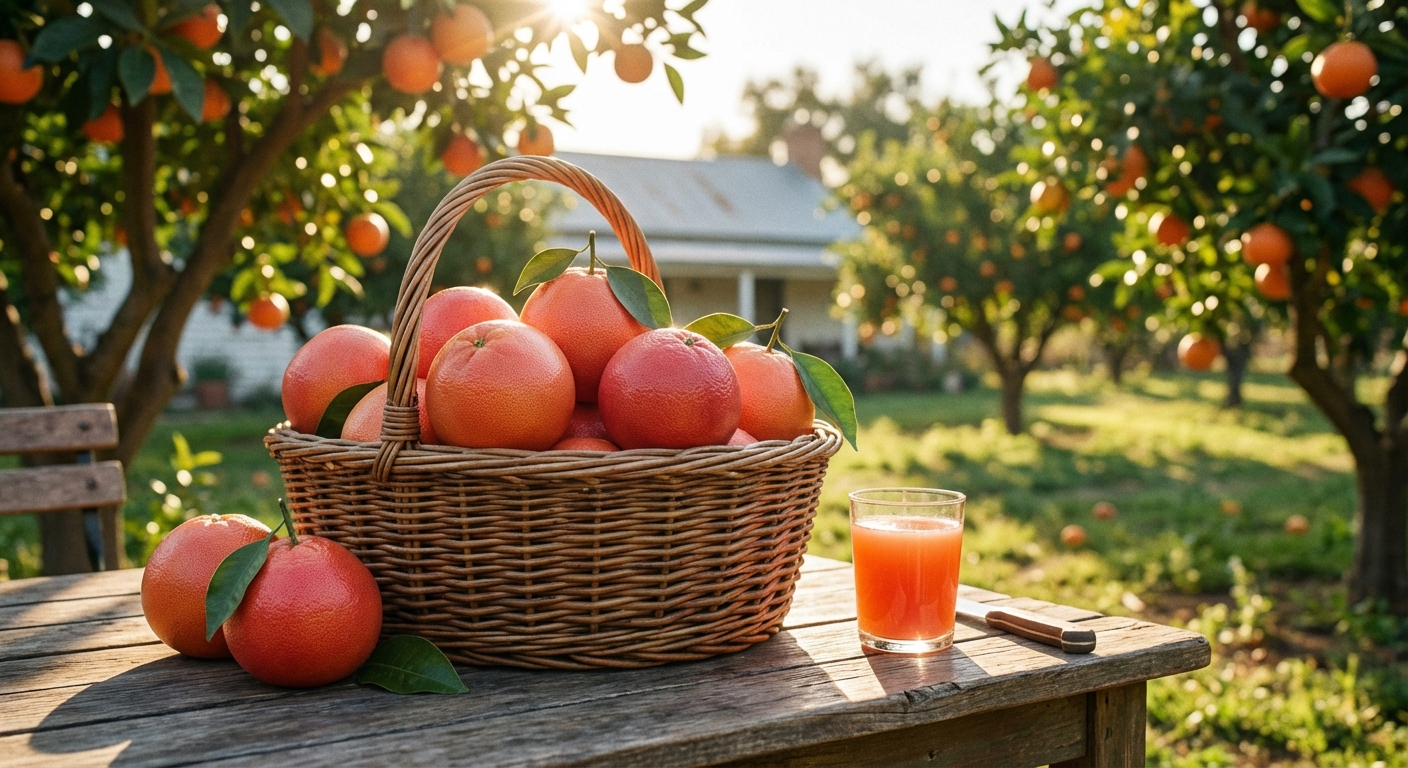
Why Does the Rio Red Grapefruit Tree Deserve a Place in Your Garden?
If you're looking for a citrus tree that combines beauty, productivity, and historical significance, the Rio Red grapefruit tree checks every box. This variety represents the best of American plant breeding innovation, developed right here in Texas through decades of careful research and selection.
The practical benefits are compelling. Rio Red trees are vigorous, productive, and relatively easy to grow when provided with the right foundation. Unlike some finicky citrus varieties, these trees adapt well to container culture and reward good care with abundant harvests of exceptional fruit.
The emotional rewards are equally important. There's something special about growing the official state fruit of Texas, especially when you understand the science and dedication that went into developing this remarkable variety. Every Rio Red grapefruit you harvest connects you to that legacy of innovation.
For families, Rio Red trees provide opportunities to create new traditions around fresh, homegrown citrus. Children love the surprise of cutting open a grapefruit to reveal the beautiful red interior, and adults appreciate having access to premium fruit that often costs $2-3 each in stores.
The investment makes sense too. A single mature Rio Red tree can produce enough grapefruits to pay for itself many times over, while providing decades of harvests when grown with the Three Plant Pillars approach.
Whether you're an experienced gardener or just starting your citrus journey, the Rio Red grapefruit tree offers an opportunity to grow something truly special. With proper care and the right growing foundation, you can enjoy Texas-quality grapefruits right from your own backyard or patio.
Ready to bring this Texas legend to your garden? Shop Rio Red Grapefruit Tree → and discover why this remarkable variety earned its place as the pride of Texas citrus. Each tree comes with everything you need to establish the Three Plant Pillars for long-term success, including detailed care instructions based on Dr. Mani's decades of citrus expertise.
Want to explore more exceptional citrus varieties? Browse Our Complete Citrus Collection and discover the perfect trees for your growing conditions and taste preferences.
Frequently Asked Questions
1. What is a Rio Red grapefruit?
Rio Red grapefruit is a Texas-developed grapefruit variety known for its deep ruby-red flesh, sweet-tart flavor, high juice content, and strong lycopene pigmentation. It originated from a radiation-breeding program in Texas and became the official state fruit of Texas in 1993. The variety performs especially well in hot, sunny climates similar to the Rio Grande Valley.
2. Where did Rio Red grapefruit originate?
Rio Red grapefruit originated in Texas during the 1960s through a breeding program led by R.A. Hensz. It developed from irradiated budwood associated with a Ruby grapefruit seedling and was selected for its unusually deep red flesh, vigor, and fruit quality. The variety was later widely planted throughout the Rio Grande Valley of South Texas.
3. Why is Rio Red grapefruit so red?
The distinctive ruby-red color of Rio Red grapefruit comes primarily from lycopene, a natural pigment and antioxidant. The intensity of the red color is strongly influenced by growing conditions, particularly high temperatures and abundant sunlight. Hot Texas growing conditions help Rio Red develop the deep pigmentation for which the variety is known.
4. Is Rio Red grapefruit sweeter than regular grapefruit?
Yes, Rio Red grapefruit is known for its balanced sweet-tart flavor and generally milder bitterness than many older grapefruit varieties. Its juicy flesh combines bright citrus acidity with noticeable sweetness, making it suitable for fresh eating, juicing, salads, desserts, and cocktails.
5. When does Rio Red grapefruit ripen?
Rio Red grapefruit typically ripens from February through June, with the exact harvest period depending on climate and growing conditions. In warm regions such as South Texas, fruit develops its characteristic color and flavor particularly well during the main harvest season.
6. Can you grow a Rio Red grapefruit tree in a container?
Yes. Rio Red grapefruit trees can be grown in large containers, making them an option for gardeners with patios, limited yard space, or climates where winter protection is necessary. The article recommends starting with a container of at least 20 gallons and moving to a larger container as the tree grows.
7. What climate is best for growing Rio Red grapefruit trees?
Rio Red grapefruit trees perform best in warm, sunny climates with hot summers. The article identifies an optimal range of approximately 60–100°F, with at least 8 hours of direct sunlight preferred for strong fruit color. Cold temperatures around 28°F or below can damage the tree, so protection is important during freezes.
8. How often should you water a Rio Red grapefruit tree?
Watering frequency depends on temperature, humidity, and whether the tree is grown in the ground or a container. A useful guideline is to water when the top 2 inches of soil feel dry. During hot, dry conditions, container-grown trees may need watering as frequently as daily, while trees in cooler conditions may need water about once a week.
9. How big does a Rio Red grapefruit tree get?
A mature Rio Red grapefruit tree can reach approximately 15–20 feet tall in favorable outdoor conditions, with a broad canopy. When grown in containers, the tree can be maintained at a more manageable size, typically around 8–12 feet, depending on the container, pruning, root growth, and growing conditions.
10. How do you grow a healthy Rio Red grapefruit tree?
Successful Rio Red grapefruit cultivation requires excellent drainage, adequate sunlight, consistent moisture, and regular nutrition. The article recommends the Three Plant Pillars approach: mineral-based soil, live microbial support, and complete organic fertilization. Providing these conditions helps support vigorous growth, fruit production, and the intense red coloration associated with Rio Red grapefruit.
About the Author
Ron Skaria, MD
Ron Skaria is the son of Dr. Mani. He trained as a medical doctor at Baylor College of Medicine, did his residency at UT Health Science Center - San Antonio and fellowship training at Texas Tech University. He now works full time on the family farm at US Citrus and US Citrus Nursery in Hargill, Texas, building Dr. Mani's Magic alongside his dad. He wrote the Brown Thumb Field Guide to put his father's 48 years of plant science into plain words any gardener can use. His belief is simple. You never had a brown thumb. You just never had the right help.


