


Marrs Sweet Orange Tree, the Texas Original Discovered Just South of Donna
It's 1927 in South Texas, and a citrus grower named O.F. Marrs is walking through his grove just south of Donna. Among his navel orange trees, something catches his eye. One branch is producing fruit that looks different. Sweeter. Earlier ripening. What he discovered that day would become one of Texas's most beloved citrus varieties.
The Marrs Sweet Orange isn't just another citrus tree. It's a piece of American agricultural history that happened by accident and became a Texas treasure. This tree gives you the earliest sweet oranges of the season, often ready by November when other varieties are still months away from harvest.
After growing over 250,000 citrus trees at our South Texas nursery, we've learned what makes certain varieties special. The Marrs Orange stands out for one simple reason: it delivers sweet, juicy fruit when you need it most, right at the start of citrus season.

Organic Fertilizer | Crab, Kelp & Amino Acids (7‑4‑4) | Long-Lasting, Burn-Free Boost | Slow-Release Power for Steady Plant Growth
Key Takeaways
- Marrs Orange originated as a natural limb sport discovered in 1927 in Donna, Texas
- Ripens earliest of all sweet oranges, often ready by November
- Produces medium-large, sweet fruit with low acidity and few seeds
- Compact tree size makes it perfect for container growing and small spaces
- Bears fruit in clusters and starts producing at a young age
- Thrives in hot, humid climates where other citrus struggles
- Holds fruit well on the tree without quality loss
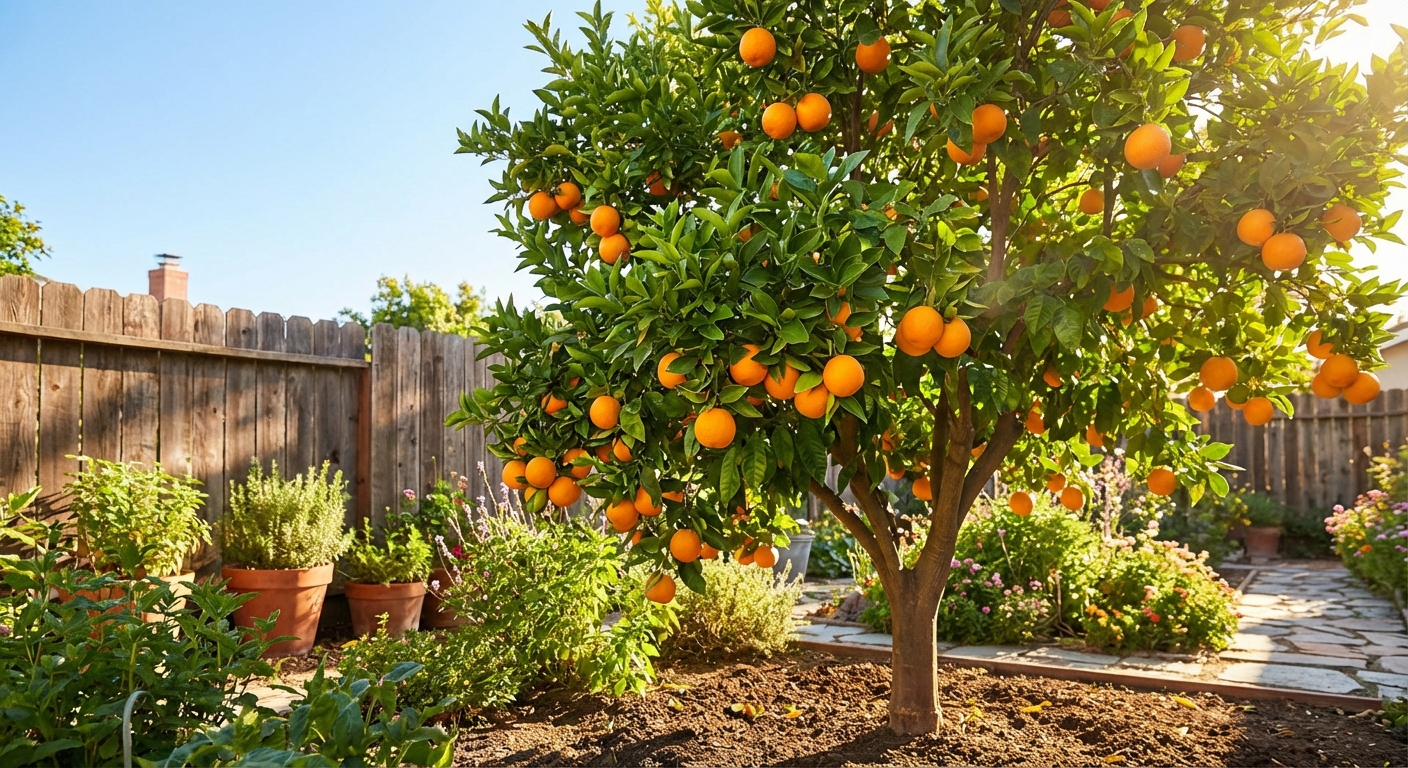
What Makes the Marrs Orange Special?
The Marrs Orange earned its reputation as "the Texas original" for good reason. Unlike imported varieties that struggle in Texas heat and humidity, this tree was born and bred in South Texas conditions. It adapted to the Rio Grande Valley climate naturally, making it one of the most reliable citrus varieties for hot, humid regions.
What sets the Marrs apart is its timing. While other sweet oranges won't be ready until January or February, your Marrs tree will be loaded with ripe, sweet fruit by Thanksgiving. This early ripening makes it incredibly valuable for home growers who want fresh citrus throughout the winter months.
The fruit itself tells the story. Medium to large oranges with smooth, finely pitted skin. The flesh is well-colored, incredibly juicy, and naturally sweet with low acidity. Unlike navel oranges that can be tart early in the season, Marrs oranges are sweet from the moment they reach legal maturity.
Where Did the Marrs Orange Come From?
The Marrs Orange has one of the most interesting origin stories in citrus history. In 1927, O.F. Marrs was tending his citrus grove just south of Donna, Texas, in the heart of the Rio Grande Valley. His trees were navel oranges that had originally come from California, but something unusual was happening.
One branch on one of his navel orange trees was producing fruit that looked and tasted completely different. The oranges were rounder, sweeter, and ripening much earlier than the navels around them. This phenomenon is called a "limb sport" - a natural genetic mutation that occurs spontaneously on a single branch.
Marrs recognized he had something special. He began propagating budwood from that unique branch, and by the 1940s, commercial nurseries were offering Marrs Orange trees to Texas growers. According to the UCR Citrus Variety Collection, the variety wasn't available for commercial planting until 1940, but once it was released, it quickly became popular throughout Texas.
The timing couldn't have been better. Texas citrus growers needed varieties that could handle the intense heat, humidity, and occasional freezes of the Gulf Coast climate. The Marrs Orange, having originated in these exact conditions, was perfectly adapted to thrive where California varieties struggled.
How Did Marrs Oranges Spread Across America?
From its humble beginning on a single branch in South Texas, the Marrs Orange began its journey across the American citrus belt. The variety caught the attention of agricultural researchers who recognized its potential for extending the fresh orange season.
By the 1950s and 1960s, experimental plantings were established in California, Florida, and Arizona. The University of California received budwood in 1962 and began studying the variety's performance in different climates. What they found was remarkable: the Marrs Orange maintained its early ripening characteristics regardless of where it was grown.
However, it was in Texas where the Marrs truly found its home. The variety became a cornerstone of the Texas citrus industry, particularly valued by commercial growers who needed early-season fruit to capture premium prices in the fresh fruit market.
Today, you'll find Marrs Orange trees growing from backyard gardens in Houston to commercial groves in the Rio Grande Valley. The variety has also gained popularity among container citrus growers nationwide who appreciate its compact size and early fruit production.
Why Do People Love Growing Marrs Orange Trees?
The Marrs Orange holds a special place in American citrus culture, particularly in Texas where it's considered the state's signature orange variety. Unlike imported varieties that represent distant places, the Marrs Orange is authentically American - born from the ingenuity and observation of a Texas farmer.
In South Texas, the Marrs Orange has become part of holiday traditions. Families look forward to the first ripe oranges appearing just in time for Thanksgiving dinner. The sweet, low-acid fruit is perfect for children and elderly family members who find other oranges too tart.
Commercial growers appreciate the Marrs for different reasons. The early ripening means they can get premium prices for the first fresh oranges of the season. The fruit holds well on the tree, allowing for extended harvest periods without quality loss. And the compact tree size means more trees per acre, increasing overall productivity.
For home gardeners, the Marrs Orange represents the perfect balance of reliability and reward. The trees are known for their precocious bearing, often producing fruit within 2-3 years of planting. The tendency to bear fruit in clusters creates impressive displays that make neighbors stop and stare.
What Does a Marrs Orange Tree Look Like?
The Marrs Orange tree has a distinctive appearance that sets it apart from other citrus varieties. These trees tend to be smaller and more compact than typical sweet orange trees, a characteristic that likely developed from their tendency to bear heavy crops at a young age.
The canopy is dense and well-rounded, with dark green leaves that have the classic citrus appearance. The branches are moderately thorny, though not as heavily armed as some citrus varieties. During flowering season, the trees are covered in fragrant white blossoms that fill the air with the classic citrus perfume.
What really makes Marrs trees stand out is their fruiting habit. The oranges tend to grow in clusters, creating impressive displays of colorful fruit hanging in groups throughout the canopy. This clustering tendency is unusual among sweet oranges and makes the trees particularly ornamental during harvest season.
The compact size makes Marrs Orange trees ideal for container growing. In pots, they rarely exceed 6-8 feet in height, making them perfect for patios, decks, and small yards. Even in the ground, mature trees typically stay under 12-15 feet, much smaller than standard orange varieties that can reach 20-25 feet.
| Tree Characteristic | Marrs Orange | Standard Sweet Orange |
|---|---|---|
| Mature Height (Container) | 6-8 feet | 8-12 feet |
| Mature Height (Ground) | 12-15 feet | 20-25 feet |
| Canopy Shape | Compact, rounded | Open, spreading |
| Thorniness | Moderate | Variable |
| Fruiting Habit | Clusters | Individual |
| Bearing Age | 2-3 years | 3-5 years |
What Do Marrs Oranges Taste Like?
The first bite of a ripe Marrs Orange tells you everything you need to know about why this variety became so popular. The flavor is intensely sweet with very low acidity, making it one of the mildest oranges you'll ever taste. Children love them because they lack the tartness that makes other oranges pucker-inducing.
The texture is excellent, with tender, juicy flesh that practically melts in your mouth. The fruit is moderately seeded, but the seeds are typically few and easy to remove. The juice content is high, making these oranges excellent for fresh juice, though commercial processors sometimes find the low acidity a drawback for juice blends.
What makes Marrs oranges special in the kitchen is their versatility. The sweet, mild flavor works beautifully in both sweet and savory applications. The juice makes excellent marinades for pork and chicken, where the natural sugars help create beautiful caramelization. The zest adds bright citrus flavor without overwhelming acidity.
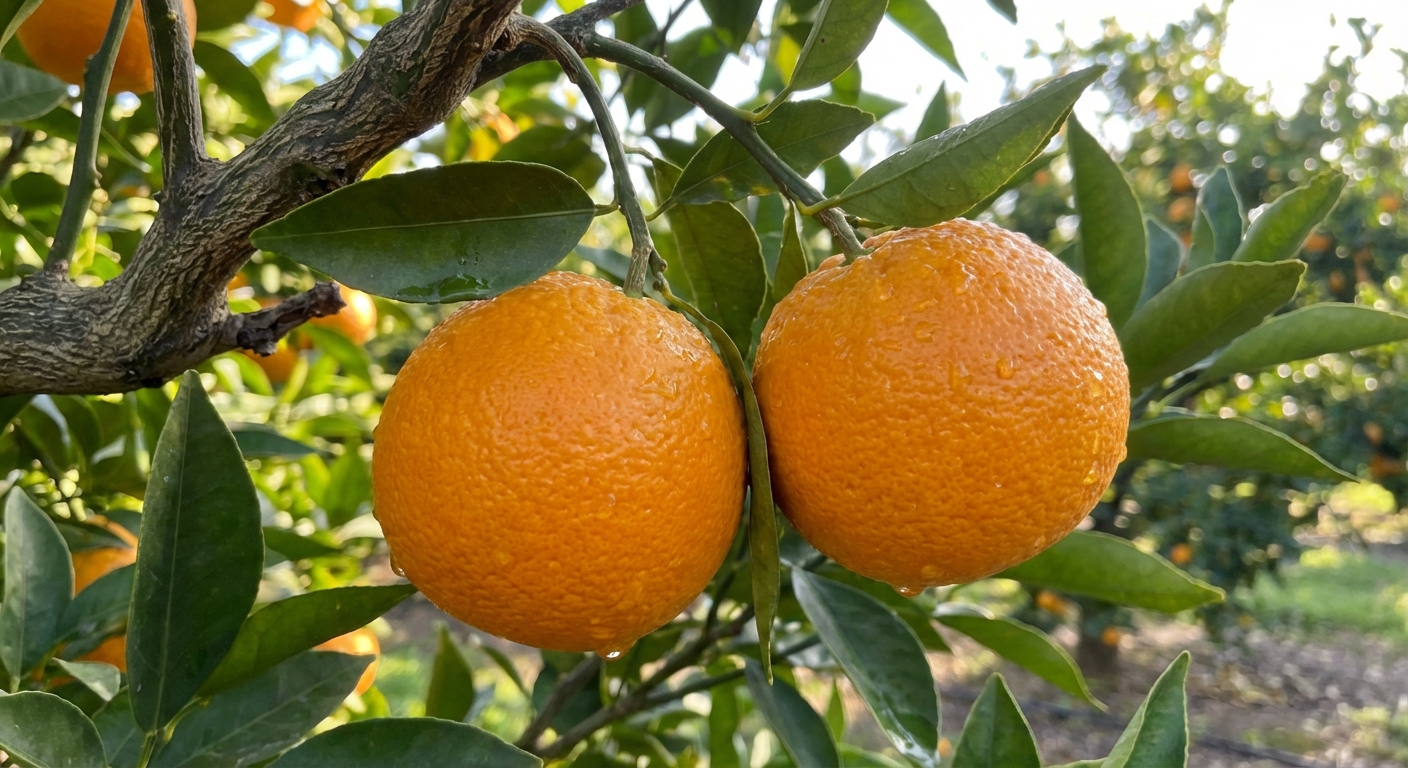
For fresh eating, Marrs oranges are hard to beat. They peel easily, separate into neat segments, and have enough juice to be satisfying without being messy. The low acidity means they won't cause heartburn or stomach upset in sensitive individuals.
In desserts, Marrs oranges shine. The sweet juice reduces beautifully into syrups and glazes. The segments hold their shape well in fruit salads and tarts. And the mild flavor plays well with other ingredients without overpowering delicate flavors.
How Do You Grow Marrs Orange Trees Successfully?
Growing healthy Marrs Orange trees comes down to understanding what these Texas natives need to thrive. Having grown thousands of these trees at our South Texas nursery, we've learned that success starts with getting the fundamentals right.
The most critical factor is soil. Marrs Orange trees, like all citrus, need perfect drainage combined with consistent moisture retention. This is where most home growers go wrong. They plant their trees in regular potting mix, which is actually pine bark sawdust that decomposes and suffocates the roots.
At US Citrus Nursery, we use our proprietary Three Plant Pillars system that ensures your Marrs Orange tree has everything it needs:
Pillar 1: Mineral-Based Soil - Dr. Mani's Magic Super Soil provides permanent drainage and aeration that never decomposes. Unlike potting mix that turns into muck within 6 months, this mineral-based blend of sand, perlite, and coco coir creates the perfect root environment for decades.
Pillar 2: Live Microbials - Plant Super Boost delivers full-spectrum bacteria and fungi that protect roots and unlock nutrients naturally. These aren't dead powder microbes from factory vats, but live, stabilized microbes harvested from natural compost.
Pillar 3: Complete Organic Fertilizer - Crab, Kelp & Amino Acids (7-4-4) provides all 12 essential nutrients without the salt damage of synthetic fertilizers. This slow-release formula works with your soil microbes to feed your tree steadily throughout the growing season.
What Climate Do Marrs Orange Trees Need?
Marrs Orange trees are remarkably adaptable, but they perform best in warm, humid climates similar to their native South Texas environment. They're more heat and humidity tolerant than most citrus varieties, making them excellent choices for the Gulf Coast, Florida, Southern California, and similar climates.
These trees can handle temperatures down to about 25°F for short periods, though they'll need protection in areas that regularly freeze. In cooler climates, container growing allows you to move trees indoors or into protected areas during winter.
The beauty of Marrs Orange trees is their adaptability to container culture. In pots, they can thrive anywhere you can provide bright sunlight and protection from hard freezes. Many successful growers in Zone 8 and even Zone 7 keep their trees in containers and move them to unheated garages or greenhouses during the coldest months.
| Climate Factor | Optimal Range | Container Growing |
|---|---|---|
| Temperature Range | 60-90°F | Can be moved for protection |
| Minimum Winter Temp | 25°F (brief) | Move indoors below 25°F |
| Humidity | 40-70% | Supplement with humidity trays |
| Sunlight | 8+ hours direct sun | South-facing location ideal |
| USDA Zones | 9-11 (outdoors) | 7-11 (with protection) |
How Often Should You Water Marrs Orange Trees?
Watering is where many citrus growers struggle, but it doesn't have to be complicated. The key is understanding that healthy roots need oxygen just as much as they need water. When you water correctly in mineral-based soil, overwatering becomes nearly impossible.
Check the soil moisture by sticking your finger 2 inches deep into the soil. When it feels dry at that depth, it's time to water. Then water thoroughly using the drench method: pour water slowly until it runs out the drainage holes. This ensures the entire root zone gets moisture while excess water drains away.
In mineral-based Super Soil, this typically means watering 2-3 times per week during hot weather, and once per week during cooler periods. The exact frequency depends on your climate, pot size, and tree size, but the finger test never lies.
When Do Marrs Oranges Ripen?
The early ripening of Marrs oranges is their claim to fame. In most growing regions, the fruit begins reaching maturity in November, making them the earliest sweet oranges of the season. This is 2-3 months earlier than most other orange varieties.
The low acidity means Marrs oranges reach "legal maturity" (the sugar-to-acid ratio required for commercial sale) very early. However, for the best eating quality, it's worth leaving the fruit on the tree a bit longer to develop fuller flavor and higher juice content.
One of the best features of Marrs oranges is how well they hold on the tree. Unlike some varieties that must be picked immediately upon ripening, Marrs oranges can hang on the tree for weeks or even months without losing quality. This extended harvest window makes them perfect for home growers who want to pick fruit as needed.
Why Do Home Growers Love Marrs Orange Trees?
Talk to any home grower with a Marrs Orange tree, and you'll hear the same story. These trees deliver exactly what backyard citrus growers want: reliable production, great-tasting fruit, and the satisfaction of growing something truly special.
The early ripening is a huge advantage for home growers. While your neighbors are still waiting months for their oranges to ripen, you're already enjoying fresh fruit from your own tree. There's something deeply satisfying about harvesting ripe oranges while other citrus trees are still green.
The compact size makes Marrs Orange trees perfect for smaller properties and container growing. You don't need a massive yard to grow your own oranges. A sunny patio or deck is plenty of space for a container-grown Marrs tree that will produce dozens of oranges each year.
Parents especially appreciate the sweet, mild flavor that kids love. No more fights about oranges being "too sour." Marrs oranges are naturally sweet and gentle, making them perfect for lunch boxes, after-school snacks, and fresh juice that children actually enjoy drinking.
The clustering fruit habit creates incredible visual impact. When your tree is loaded with clusters of bright oranges, it becomes a conversation piece that makes your garden memorable. Neighbors stop to ask about "that beautiful orange tree" loaded with fruit.
What Are Some Interesting Facts About Marrs Orange Trees?
The Marrs Orange has some fascinating quirks that make it unique among citrus varieties. The clustering fruit habit is extremely rare among sweet oranges. Most orange varieties produce individual fruits scattered throughout the canopy, but Marrs oranges grow in tight clusters that can contain 3-6 fruits each.
This clustering tendency likely contributed to the compact tree size. Trees that bear heavy crops at a young age tend to stay smaller, putting their energy into fruit production rather than vegetative growth. It's nature's way of balancing resources.
The variety's low acidity, while great for eating, initially created problems for commercial processors. Orange juice blends require certain acid levels for flavor balance and preservation. Marrs juice was so mild that it had to be blended with more acidic varieties to meet commercial standards.
Interestingly, the Marrs Orange maintains its early ripening characteristics regardless of climate. Trees grown in California, Florida, and Arizona all ripen their fruit earlier than local orange varieties, suggesting this trait is genetically fixed rather than environmentally influenced.
The original Marrs tree that O.F. Marrs discovered in 1927 was never properly documented or preserved. All modern Marrs Orange trees trace their lineage to budwood taken from that single branch, making every Marrs tree in existence a genetic clone of that original sport.
Despite being one of Texas's most important citrus varieties, the Marrs Orange never achieved the commercial success of varieties like Valencia or Navel oranges. Its low acidity, while perfect for fresh eating, limited its use in processing, keeping it primarily as a specialty variety for early-season fresh fruit markets.
Why This Tree Deserves a Place in Your Garden
The Marrs Sweet Orange represents something special in the world of citrus. It's not just another variety from a distant country or a laboratory creation. It's an authentic piece of American agricultural heritage that happened naturally and proved its worth through decades of reliable performance.
When you plant a Marrs Orange tree, you're connecting with a story that began nearly a century ago in South Texas. You're growing the same variety that has brought joy to thousands of families through early-season fruit that tastes like sunshine and sweetness.
But beyond the history and heritage, the Marrs Orange simply makes practical sense for home growers. The compact size fits any space. The early ripening extends your fresh citrus season. The sweet, mild flavor pleases every palate. And the reliable production means you can count on homegrown oranges year after year.
Whether you're just starting your citrus growing journey or you're an experienced grower looking for something special, the Marrs Orange delivers everything you want in a backyard citrus tree. It's proven, it's productive, and it's perfectly suited to container growing.
Ready to add this Texas original to your citrus collection? Our Marrs Orange trees are grown using the same Three Plant Pillars system we use for our own nursery trees. Each tree arrives in mineral-based Super Soil with live microbes and complete organic nutrition already in place. Browse our complete citrus collection to find the perfect varieties for your growing space and climate.
Frequently Asked Questions
1. What is a Marrs Sweet Orange?
The Marrs Sweet Orange is an early-ripening sweet orange variety that originated in Donna, Texas, in 1927 as a natural limb sport mutation found on a navel orange tree by O.F. Marrs. It is known for its sweet, low-acid fruit, compact growth, and ability to produce oranges earlier than many other sweet orange varieties.
2. When do Marrs oranges ripen?
Marrs oranges typically begin ripening in November, making them one of the earliest sweet oranges of the citrus season. The fruit can remain on the tree for weeks or months after reaching maturity, giving home growers an extended harvest window.
3. What do Marrs oranges taste like?
Marrs oranges have a very sweet, mild flavor with low acidity. Their flesh is tender and juicy, making them particularly appealing for fresh eating and fresh-squeezed juice. The low acidity also makes Marrs oranges a good choice for people who prefer sweeter, less tart citrus.
4. How big does a Marrs Orange tree get?
A Marrs Orange tree typically reaches 12–15 feet tall when grown in the ground. When grown in a container and properly pruned, it can generally be maintained around 6–8 feet tall, making it suitable for patios, decks, and smaller gardens.
5. Can Marrs Orange trees be grown in containers?
Yes. Marrs Orange trees are well suited to container growing because of their naturally compact growth habit. A large container with excellent drainage, adequate sunlight, consistent moisture, and regular nutrition can support a productive tree. Container growing also allows gardeners in colder regions to move the tree indoors or into a protected area during freezing weather.
6. How cold hardy is a Marrs Orange tree?
Marrs Orange trees can tolerate brief exposure to temperatures around 25°F, but prolonged freezing temperatures can damage the tree. They perform best in USDA Zones 9–11 when grown outdoors. In colder areas, container growing provides an option for winter protection.
7. How much sunlight does a Marrs Orange tree need?
A Marrs Orange tree grows best with at least 8 hours of direct sunlight per day. Choose a bright, sunny location protected from strong winds. Container-grown trees should ideally be placed in a south-facing location or another area that receives abundant direct sunlight.
8. How often should you water a Marrs Orange tree?
Water a Marrs Orange tree when the top 2 inches of soil feel dry. During hot weather, container-grown trees may need watering about 2–3 times per week, while watering frequency can drop to approximately once a week during cooler periods. Always water thoroughly and ensure excess water can drain freely.
9. Why is the Marrs Orange considered an early-season orange?
The Marrs Orange is considered an early-season orange because its fruit can reach maturity as early as November, often several months before many other sweet orange varieties. Its naturally low acidity allows the fruit to reach an acceptable sugar-to-acid ratio earlier in the season.
10. Where did the Marrs Sweet Orange originate?
The Marrs Sweet Orange originated in Donna, Texas, in the Rio Grande Valley, in 1927. O.F. Marrs discovered a branch on a navel orange tree producing fruit with different characteristics, including earlier ripening and sweeter flavor. This natural mutation, known as a limb sport, was propagated through budwood and eventually became the Marrs Orange variety grown today.
About the Author
Ron Skaria, MD
Ron Skaria is the son of Dr. Mani. He trained as a medical doctor at Baylor College of Medicine, did his residency at UT Health Science Center - San Antonio and fellowship training at Texas Tech University. He now works full time on the family farm at US Citrus and US Citrus Nursery in Hargill, Texas, building Dr. Mani's Magic alongside his dad. He wrote the Brown Thumb Field Guide to put his father's 48 years of plant science into plain words any gardener can use. His belief is simple. You never had a brown thumb. You just never had the right help.


