


Nagami Kumquat Tree, the Sweet-Peel Tart-Burst Citrus from Ancient China
You bite into a bright orange fruit no bigger than a large grape, and instead of peeling it first, you eat the whole thing. The sweet, aromatic peel gives way to tart, juicy flesh that makes your mouth pucker with delight. This is the Nagami kumquat experience, and it's unlike any other citrus fruit you've ever tasted.
The Nagami kumquat tree has been captivating gardeners and food lovers for over a thousand years. This remarkable citrus variety produces bite-sized fruits that you eat whole, skin and all. The sweet peel balances the tart interior perfectly, creating a flavor explosion that's both familiar and completely unique.
But here's what makes the Nagami kumquat truly special for home growers: it's one of the hardiest citrus trees you can grow. While other citrus varieties struggle in cooler climates, the Nagami kumquat laughs at frost and keeps producing fruit even when temperatures drop. This tree brings the exotic taste of ancient China to your backyard, no matter where you live.

Nagami Kumquat Tree
Key Takeaways
- Nagami kumquat is the most popular and widely grown kumquat variety worldwide
- You eat the entire fruit whole - the sweet peel balances the tart flesh perfectly
- Exceptionally cold-hardy, surviving temperatures that kill other citrus trees
- Produces oval fruits year-round, with peak harvest in late winter
- Small to medium tree size makes it perfect for containers and small spaces
- Rich history dating back over 1,000 years in China and Japan
- Easy to grow with proper soil, microbes, and organic nutrition
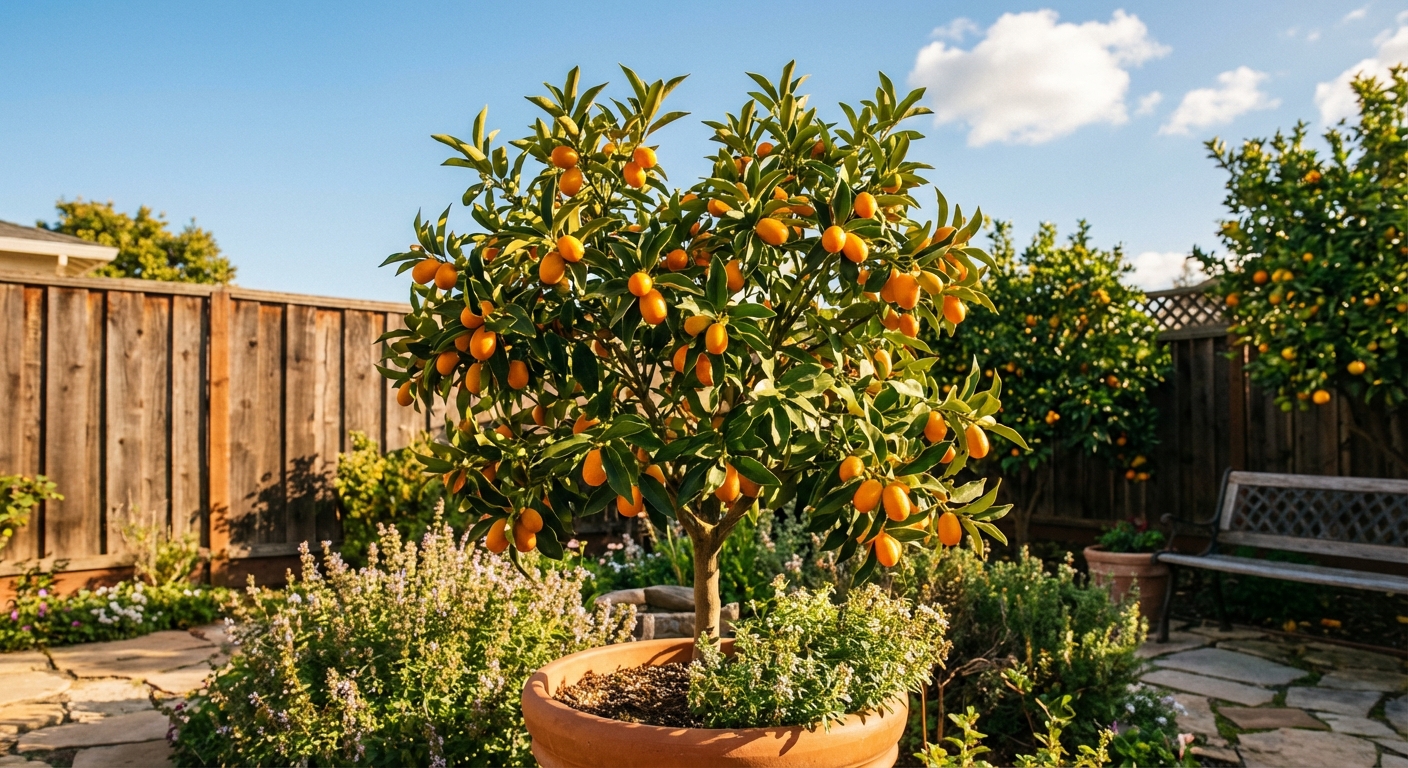
What Makes the Nagami Kumquat Tree Special?
The Nagami kumquat stands apart from every other citrus variety in your garden. While oranges, lemons, and grapefruits require peeling, the Nagami is meant to be eaten whole. The thin, sweet peel contains aromatic oils that burst with flavor, while the tart flesh provides the perfect acidic balance.
This unique eating experience comes from centuries of careful cultivation in China and Japan. Ancient growers selected trees that produced fruits with the thinnest, sweetest peels and the most balanced tart flesh. The result is a fruit that delivers complex flavors in every bite.
The tree itself is equally remarkable. Most citrus varieties are tender and require protection from cold, but the Nagami kumquat becomes semi-dormant in winter, allowing it to survive temperatures that would kill other citrus trees. This cold tolerance makes it possible to grow fresh citrus in climates where other varieties simply won't survive.
Where Did the Nagami Kumquat Tree Come From?
The story of the Nagami kumquat begins over 1,000 years ago in the mountains of southern China. Wild kumquat trees grew naturally in the cool, mountainous regions where other citrus couldn't survive. Local farmers noticed these hardy little trees and began cultivating them for their unique fruits.
The name "kumquat" comes from the Cantonese words "gam gwat," meaning "golden orange." But the Nagami variety gets its name from Japan, where "naga" means "long" and "mi" means "fruit," referring to the oval shape that distinguishes it from round kumquat varieties.
Chinese traders carried kumquat trees along the Silk Road, introducing them to new regions. By the Song Dynasty (960-1279 AD), kumquats were prized throughout China for their keeping qualities and medicinal properties. The trees could survive long journeys and harsh conditions, making them valuable for both food and trade.
According to the UCR Citrus Variety Collection, the Nagami kumquat is scientifically known as Fortunella margarita and represents the most commonly grown kumquat variety worldwide. The detailed records from UC Riverside show this variety has been carefully preserved and studied since budwood was received from Mr. Hale's ranch in Santa Barbara in 1912.
The journey from China to Japan happened gradually through maritime trade. Japanese growers embraced the kumquat and developed their own cultivation techniques. They called it "kinkan," meaning "golden citrus," and incorporated it into traditional medicine and cuisine.
How Did Nagami Kumquats Reach America?
The Nagami kumquat's arrival in America reads like an adventure story. In 1846, a plant collector named Robert Fortune smuggled kumquat seeds out of China, hidden among tea plants. This was during a time when China strictly controlled the export of valuable plants.
Fortune's kumquats first reached England, where they created a sensation in Victorian conservatories. From there, seeds and cuttings made their way to America's growing citrus industry. California growers were immediately intrigued by reports of a citrus tree that could survive cold weather.
The first commercial Nagami kumquat plantings in America appeared in Florida and California in the 1880s. These early orchards proved that kumquats could thrive in American soil and climate. The trees' hardiness impressed growers who had struggled with freeze damage to other citrus varieties.
By 1912, when budwood was collected for the University of California's citrus collection, Nagami kumquats were already established in American gardens. Mr. Hale's ranch in Santa Barbara became the source for what would become one of America's most important kumquat preservation efforts.
The Great Freeze of 1894-1895 in Florida devastated citrus groves, but kumquat trees survived where oranges and grapefruits died. This event convinced many growers to plant kumquats as insurance against future freeze damage. The Nagami variety's exceptional cold tolerance made it the top choice for American orchards.
Why Do People Love Nagami Kumquats?
The Nagami kumquat holds a special place in cultures around the world. In China, kumquats symbolize good luck and prosperity. The golden color represents wealth, and the abundant fruit suggests fertility and success. Chinese New Year celebrations always feature bowls of fresh kumquats, and giving kumquat trees as gifts brings good fortune to the recipient.
Japanese culture embraces kumquats for their health benefits. Traditional medicine uses kumquat peel to treat colds and digestive problems. The high vitamin C content and aromatic oils make kumquats a popular remedy during winter months. Japanese gardens often feature kumquat trees both for their beauty and their practical benefits.
In American tradition, kumquats represent the exotic and the achievable. They offer the thrill of growing something unusual while remaining practical for home gardeners. Many families have kumquat trees that have been passed down through generations, creating lasting memories and traditions.
The unique eating experience creates instant conversation. When you serve fresh kumquats to guests, you get to share the surprise and delight of eating citrus whole. Children especially love the novelty of biting into the sweet peel and discovering the tart interior.
Holiday traditions have embraced kumquats for their festive appearance and long keeping quality. The bright orange fruits look beautiful in winter arrangements, and they stay fresh on the tree for months. Many families make kumquat preserves and candied kumquats as holiday gifts.
What Does a Nagami Kumquat Tree Look Like?
The Nagami kumquat tree has a distinctive appearance that sets it apart from other citrus varieties. These trees stay small to medium in size, typically reaching 8-12 feet tall when mature. The compact size makes them perfect for containers and small gardens where space is limited.
The tree has a dense, somewhat fine texture with small, dark green leaves. The leaves are smaller than most citrus varieties, giving the tree an elegant, refined appearance. New growth appears as bright green shoots that gradually darken as they mature.
The branching pattern is dense and twiggy, creating a full, rounded canopy. Young trees may have small thorns, but these usually disappear as the tree matures. The bark is smooth and grayish-brown, becoming slightly rougher with age.
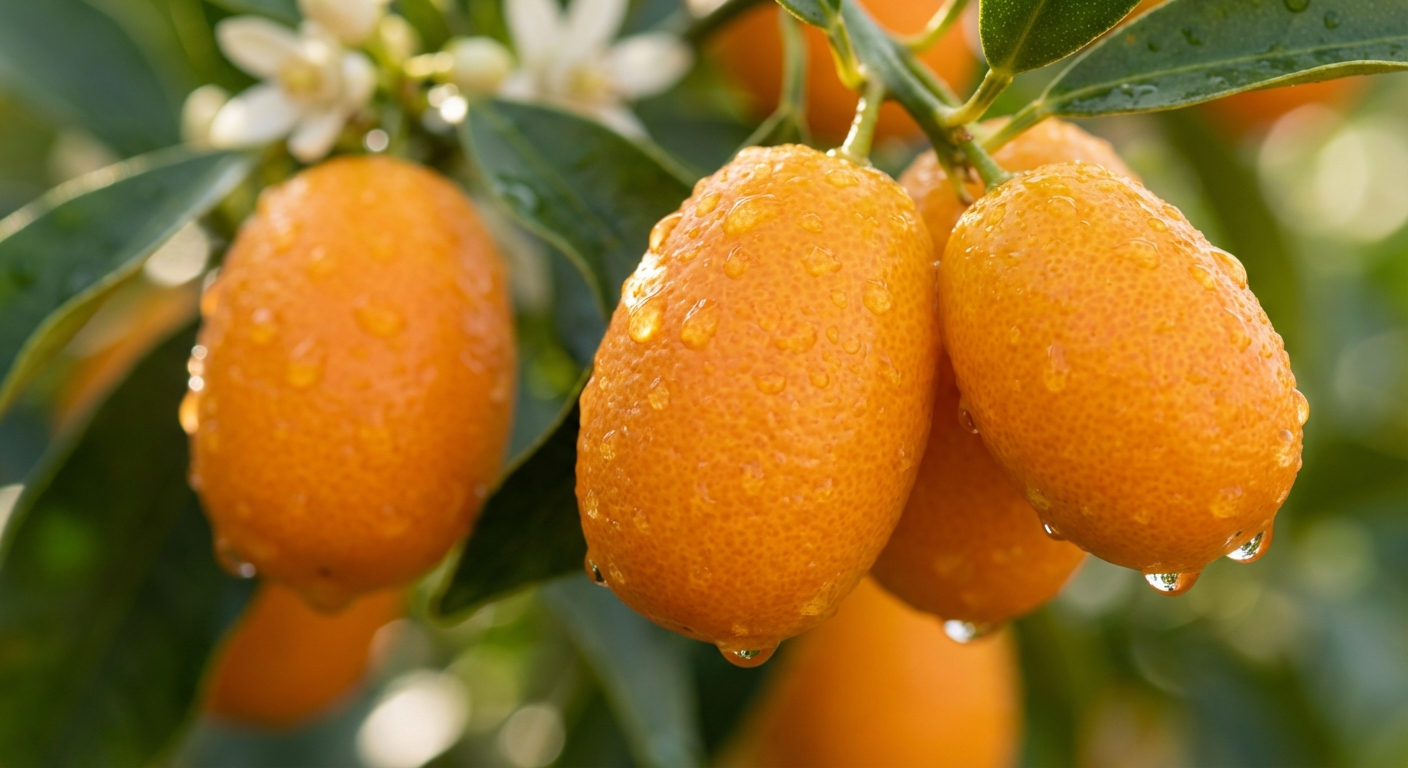
Nagami kumquat flowers are small, white, and incredibly fragrant. They appear in clusters along the branches during summer months (July to August in most climates). The flowers are perfect, containing both male and female parts, so a single tree can produce fruit without needing another tree for pollination.
The root system is surprisingly vigorous for such a small tree. In proper, mineral-based soil, Nagami kumquat roots spread wide and deep, creating a strong foundation that helps the tree survive drought and cold weather.
| Characteristic | Nagami Kumquat | Typical Orange Tree |
|---|---|---|
| Mature Height | 8-12 feet | 15-25 feet |
| Leaf Size | Small, fine texture | Large, broad |
| Cold Tolerance | Down to 20°F | Down to 28°F |
| Flowering Season | July-August | March-June |
| Fruit Harvest | Year-round, peak winter | Winter-Spring |
What Do Nagami Kumquats Taste Like?
Describing the taste of a Nagami kumquat is like trying to explain a symphony to someone who has never heard music. The experience starts the moment you bite through the thin, sweet peel. Your teeth release a burst of aromatic oils that smell like orange blossoms mixed with spice.
The peel itself tastes sweet with hints of orange and subtle floral notes. The texture is tender but with enough substance to provide a satisfying bite. As you chew, the oils coat your mouth with complex flavors that change and develop.
Then comes the tart surprise. The flesh inside is acidic and juicy, providing a sharp contrast to the sweet peel. This isn't the gentle tartness of a grapefruit, but a bright, clean acidity that makes your mouth water for more. The combination creates a perfect balance that's both refreshing and satisfying.
Each fruit contains 5-6 small seeds that add a slight bitter note if you bite them. Most people either swallow the seeds whole or spit them out. The seeds are edible but don't add much to the flavor experience.
The typical Nagami fruit measures about 1.25 inches long and 0.75 inches wide, making it perfect for popping whole into your mouth. The size means you can enjoy several fruits in one sitting without feeling overwhelmed.
In cooking, Nagami kumquats bring bright acidity and aromatic oils to both sweet and savory dishes. The peel provides natural pectin for jams and preserves, while the juice adds tartness to marinades and dressings. Candied kumquats become translucent jewels that add elegance to desserts.
Many people describe their first Nagami kumquat experience as surprising and delightful. The combination of sweet and tart, the unusual eating method, and the complex flavors create a memorable impression that keeps people coming back for more.
How Do You Grow Nagami Kumquat Trees?
Growing a healthy Nagami kumquat tree comes down to understanding what your tree's roots really need. After growing over 250,000 citrus trees at our nursery in South Texas, we've learned that successful kumquat growing depends on establishing the right foundation from the start.
The secret lies in US Citrus Nursery's Three Plant Pillars, a system we developed specifically for citrus success. These three pillars work together to create the perfect environment for your Nagami kumquat to thrive for decades.
What Climate Do Nagami Kumquats Need?
The Nagami kumquat's exceptional cold tolerance makes it the most adaptable citrus variety for American gardens. These trees can survive temperatures down to 20°F, which opens up growing possibilities in areas where other citrus varieties would freeze.
The tree's natural tendency to become semi-dormant during winter months helps it survive cold weather. As temperatures drop, the tree slows its growth and hardens off, preparing for winter conditions. This dormancy period actually improves the tree's cold resistance.
In warmer climates (zones 9-11), Nagami kumquats can grow outdoors year-round. They prefer areas with mild winters and warm summers, but they adapt well to various conditions. The trees actually benefit from some winter chill, which improves flowering and fruit set.
For colder regions, container growing makes Nagami kumquats possible anywhere. You can keep the tree outdoors during warm months and move it to protection when temperatures threaten to drop below 25°F. A sunny garage, greenhouse, or enclosed porch provides perfect winter shelter.
Humidity levels matter less for kumquats than for other citrus varieties. These trees tolerate both humid and dry conditions, though they prefer moderate humidity around 50-60%. Good air circulation helps prevent fungal problems regardless of humidity levels.
| Climate Factor | Optimal Range | Tolerance Range |
|---|---|---|
| Temperature (Growing) | 70-85°F | 60-100°F |
| Temperature (Minimum) | Above 25°F | Down to 20°F |
| Humidity | 50-60% | 30-80% |
| Sunlight | 8+ hours direct | 6+ hours direct |
| Growing Zones | 9b-11 | 8b-11 (with protection) |
What Soil Do Nagami Kumquats Need?
Here's where most people get it wrong. Big Box stores sell you potting mix made from pine bark sawdust, telling you it's "perfect for citrus." But that bark-based potting mix is suffocating your tree's roots as it decomposes. Within six months, it's consuming the oxygen your roots desperately need to survive.
The first pillar of successful kumquat growing is mineral-based soil that never decomposes. Dr. Mani's Magic Super Soil provides the permanent, well-draining foundation your Nagami kumquat needs. This soil contains one-third sand or sandy loam, one-third perlite or rice hulls, and one-third coco coir or peat moss, plus essential amendments like biochar, sulfur for pH control, and volcanic ash.
Why does this matter? Your tree's roots need oxygen more than water. When organic matter decomposes, it consumes oxygen that roots need to function. Mineral-based soil provides permanent aeration, ensuring your roots stay healthy for decades.
The soil is pre-adjusted to pH 6.0, which is perfect for kumquat nutrient uptake. You never need to test or adjust pH because it's already optimized for citrus success. The sulfur in the blend maintains the proper acidity level naturally.
Drainage is critical for kumquat trees. In mineral-based soil, overwatering becomes nearly impossible because excess water drains immediately. Your tree gets the moisture it needs without the root rot that kills so many citrus trees in regular potting mix.
What About Live Microbes and Nutrition?
The second pillar is live microbials that create a thriving ecosystem around your tree's roots. Dr. Mani's Magic Plant Super Boost contains over 2,000 species of beneficial bacteria and 400-500 species of fungi, all harvested from natural compost and stabilized with our proprietary method.
These microbes work like nature's invisible workforce. They protect your roots from harmful pathogens, break down organic matter into available nutrients, and form partnerships with your tree that help it absorb water and minerals more efficiently.
The third pillar provides complete organic nutrition without the salt damage that synthetic fertilizers cause. Dr. Mani's Magic Crab, Kelp & Amino Acids (7-4-4) delivers all 12 essential nutrients your kumquat needs, plus calcium and magnesium for strong cell walls and healthy growth.
This isn't just NPK. The formula includes trace elements like zinc, which kumquats especially need. Zinc deficiency causes small leaves and reduced growth, problems that many growers mistake for other issues. The complete nutrition prevents these deficiencies before they start.
How Do You Water Nagami Kumquats?
Watering becomes simple when your tree is planted in the right soil. Check the top two inches of soil with your finger. When it feels dry to the touch, it's time to water. In mineral-based soil, this happens much less frequently than in bark-based potting mix.
Use the drench method every time. Water slowly until water runs from the bottom drainage holes. This ensures the entire root zone gets moisture without creating soggy conditions that promote root rot.
Watering frequency depends on temperature, humidity, and season. In winter, your semi-dormant kumquat needs less water. In summer, especially during hot, dry periods, you may need to water more frequently. The soil will tell you when it's time.
Why Do Home Growers Love Nagami Kumquat Trees?
Home gardeners choose Nagami kumquat trees for reasons that go far beyond the unique fruit. These trees offer a perfect combination of beauty, productivity, and manageable size that fits into any garden plan.
The compact size means you can grow fresh citrus even in small spaces. A Nagami kumquat tree in a container can produce dozens of fruits while taking up no more room than a large shrub. This makes it possible to have fresh citrus on a patio, balcony, or small backyard.
The year-round fruiting habit provides continuous harvest. Unlike seasonal fruits that ripen all at once, kumquats mature gradually, giving you fresh fruit whenever you want it. The fruits hold well on the tree, so you can pick them as needed rather than dealing with a sudden abundance.
Children love the novelty of eating whole citrus fruits. Watching a child experience their first kumquat creates lasting memories. The surprise and delight of the sweet peel followed by tart flesh makes kumquats a perfect introduction to unusual foods.
The exceptional cold tolerance extends the growing range far beyond other citrus varieties. Many people who thought they could never grow citrus discover that kumquats thrive in their climate. This opens up possibilities for fresh, homegrown citrus in unexpected places.
Garden visitors always notice kumquat trees. The unusual fruits spark conversations and give you opportunities to share fresh samples. Many friendships have started over a shared kumquat experience in someone's garden.
The trees require less maintenance than other citrus varieties. Their natural hardiness means fewer pest problems, less frequent watering, and greater tolerance for less-than-perfect conditions. This makes them ideal for busy gardeners or those new to citrus growing.
What Are Some Amazing Facts About Nagami Kumquats?
The Nagami kumquat tree holds some fascinating secrets that most people never discover. These little-known facts make the tree even more interesting and show why it has survived and thrived for over 1,000 years.
The name "Fortunella" honors Robert Fortune, the plant collector who smuggled kumquats out of China. But here's the twist: Fortune never intended to steal kumquats. He was after tea plants and discovered kumquats by accident when Chinese traders included them as "bonus plants" in his shipment.
During World War II, kumquat trees in American victory gardens provided vitamin C when other citrus was unavailable. The fruits' keeping quality and the trees' productivity made them valuable for home food security. Many victory garden kumquat trees still produce fruit today, now over 80 years old.
The Nagami kumquat tree can live and produce fruit for over 100 years. Some trees in China are documented to be over 200 years old and still bearing fruit. This longevity makes them true heirloom plants that can be passed down through generations.
Kumquat peel contains more vitamin C than the flesh. When you eat the whole fruit, you're getting maximum nutrition. The peel also contains flavonoids and essential oils that have antimicrobial properties, which is why traditional medicine uses kumquats to treat colds.
The tree's flowers are among the most fragrant of all citrus varieties. A single tree in bloom can perfume an entire garden with its sweet, intense fragrance. The scent is strongest in the evening, designed to attract night-flying pollinators.
Nagami kumquats were once more expensive than gold in Victorian England. The exotic fruits sold for outrageous prices in London markets, making them a luxury item for the wealthy. This high value drove the development of greenhouse cultivation techniques still used today.
The tree's wood is extremely hard and dense, making it valuable for crafting small tools and decorative items. In Asia, kumquat wood is prized for making chopsticks and small bowls because it doesn't impart flavor to food.
Bees prefer kumquat flowers over almost any other citrus variety. The high nectar content and extended blooming period make kumquat trees excellent choices for supporting local bee populations. The resulting honey has a distinctive floral flavor that's highly prized.
Why This Tree Deserves a Place in Your Garden
The Nagami kumquat tree offers something no other citrus variety can match: the perfect combination of exotic appeal and practical growing requirements. This is your chance to grow something truly special without the complexity that usually comes with unusual plants.
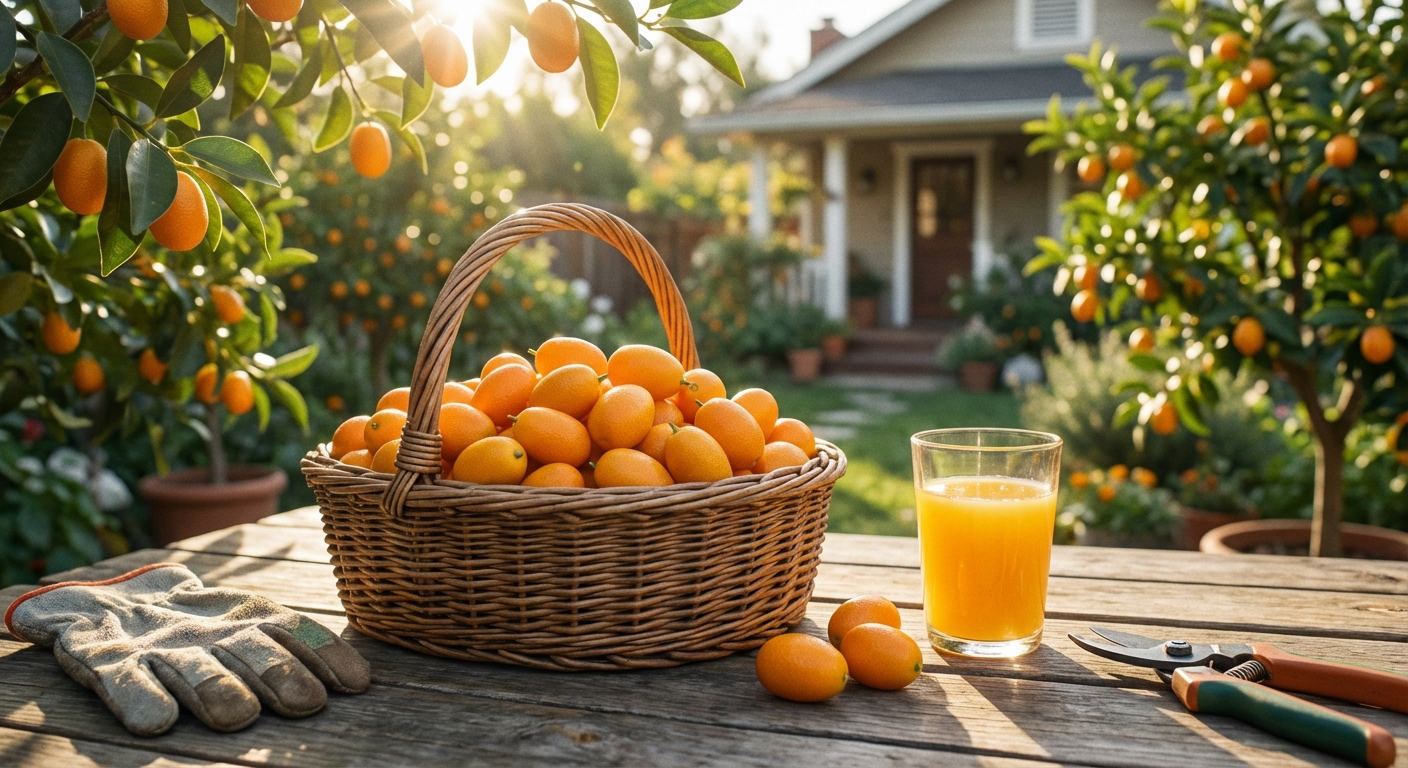
Think about the conversations you'll have when guests see those bright orange fruits hanging on your tree. Picture the delight on children's faces when they discover they can eat citrus whole, skin and all. Imagine the satisfaction of harvesting fresh fruit from your own tree throughout the winter months when other gardens lie dormant.
The Nagami kumquat connects you to over 1,000 years of cultivation history. When you bite into a fresh kumquat from your tree, you're experiencing the same flavors that delighted Chinese emperors and Japanese monks centuries ago. This tree carries that heritage into your modern garden.
For gardeners who have struggled with other citrus varieties, the Nagami kumquat offers new hope. Its exceptional cold tolerance and forgiving nature mean success is within reach, even if you've had failures before. This tree proves that growing citrus doesn't have to be difficult when you choose the right variety.
The compact size fits any garden plan. Whether you're working with a small balcony or managing a large landscape, the Nagami kumquat tree scales to your space while delivering full-sized satisfaction. Container growing means you can take your tree with you if you move, preserving years of growth and memories.
When you establish the Three Plant Pillars with mineral-based soil, live microbes, and complete organic nutrition, your Nagami kumquat tree becomes nearly bulletproof. You're not just buying a plant, you're investing in decades of fresh fruit production and garden beauty.
Ready to bring the sweet-peel, tart-burst experience to your garden? Shop Nagami Kumquat Tree → and start growing your own piece of citrus history. With our complete Three Plant Pillars system, you'll have everything needed to ensure your tree thrives for generations to come.
Want to explore more unique citrus varieties? Browse Our Citrus Collection and discover the perfect trees for your garden's next chapter.
Frequently Asked Questions
1. What is a Nagami kumquat tree?
A Nagami kumquat tree is a compact, cold-hardy citrus tree that produces small, oval orange fruits meant to be eaten whole, including the peel. The sweet, aromatic skin balances the tart, juicy flesh, giving Nagami kumquats their distinctive sweet-and-sour flavor. The trees typically grow 8–12 feet tall and are well suited to gardens, patios, and containers.
2. Can you eat Nagami kumquats with the skin on?
Yes, Nagami kumquats are specifically meant to be eaten whole, including the skin. The thin peel is naturally sweet and contains aromatic oils, while the inside is tart and juicy. Eating both together creates the characteristic sweet-peel and sour-flesh flavor that makes Nagami kumquats different from most other citrus fruits.
3. How cold hardy is a Nagami kumquat tree?
Nagami kumquat trees are among the most cold-hardy citrus varieties. Established trees can tolerate temperatures down to approximately 20°F, although protection is recommended when temperatures approach or fall below the tree's tolerance range. Their ability to become semi-dormant during winter helps them withstand cold better than many lemons, oranges, and other tender citrus varieties.
4. Can Nagami kumquat trees be grown in containers?
Yes. Nagami kumquat trees are excellent container citrus because they remain relatively small, typically reaching 8–12 feet when mature. A container-grown tree can produce fruit while taking up relatively little space, making it suitable for patios, balconies, and small gardens. In colder regions, containers also allow the tree to be moved indoors or into sheltered areas during severe freezes.
5. When do Nagami kumquat trees produce fruit?
Nagami kumquat trees can produce fruit for an extended period, with peak harvest generally occurring during late winter. The fruits can remain on the tree for an extended time, allowing gardeners to harvest them as needed rather than picking the entire crop at once. Flowering commonly occurs during summer, around July and August in many climates.
6. What does a Nagami kumquat taste like?
A Nagami kumquat has a distinctive sweet-and-tart flavor. The peel is thin, sweet, and highly aromatic, with orange and subtle floral notes, while the interior flesh is sharply acidic and juicy. Eating the entire fruit together creates a balanced combination of sweetness, acidity, and citrus aroma.
7. What growing conditions does a Nagami kumquat tree need?
Nagami kumquat trees grow best with full sun, excellent drainage, and consistent but controlled watering. The blog recommends approximately 8 or more hours of direct sunlight, a slightly acidic soil environment around pH 6.0–6.5, and well-draining soil. A mineral-based growing medium, beneficial soil microbes, and complete organic nutrition can help establish a healthy root system.
8. How often should you water a Nagami kumquat tree?
Water a Nagami kumquat tree when the top approximately 2 inches of soil feels dry. When watering, thoroughly drench the root zone until water drains from the container's drainage holes or through the surrounding soil. Watering needs increase during hot, dry weather and decrease during winter when the tree becomes less active.
9. Where can Nagami kumquat trees be grown?
Nagami kumquat trees are particularly suitable for mild climates and can be grown outdoors year-round in many USDA Zones 9b–11. They can also be grown in colder regions, especially in containers that can be moved into a garage, greenhouse, enclosed porch, or other protected location during severe cold. Their cold tolerance makes them one of the more adaptable citrus options for gardeners in cooler areas.
10. Why should you grow a Nagami kumquat tree at home?
A Nagami kumquat tree combines cold hardiness, compact growth, attractive fruit, and a unique whole-fruit eating experience. It can fit into small gardens and containers while producing bright orange fruit that can be eaten fresh or used for jams, preserves, desserts, marinades, dressings, and candied kumquats. Its ability to tolerate colder conditions than many citrus varieties also makes it an appealing choice for gardeners who have struggled to grow lemons or oranges.
About the Author
Ron Skaria, MD
Ron Skaria is the son of Dr. Mani. He trained as a medical doctor at Baylor College of Medicine, did his residency at UT Health Science Center - San Antonio and fellowship training at Texas Tech University. He now works full time on the family farm at US Citrus and US Citrus Nursery in Hargill, Texas, building Dr. Mani's Magic alongside his dad. He wrote the Brown Thumb Field Guide to put his father's 48 years of plant science into plain words any gardener can use. His belief is simple. You never had a brown thumb. You just never had the right help.


