


Palestine Sweet Lime Tree: Ancient Middle Eastern Citrus Guide
Walk into any Middle Eastern market, and you'll find stacks of pale green citrus fruits that look like limes but taste nothing like them. These are Palestine sweet limes, and they represent one of the most misunderstood citrus fruits in America.
While most citrus lovers chase the sharp tang of lemons or the bright acidity of regular limes, the Palestine sweet lime offers something completely different. This ancient fruit delivers gentle sweetness with almost no acidity. For thousands of years, people across India, Egypt, and the Middle East have treasured this unique citrus for its refreshing taste and believed medicinal properties.
But here's what makes this tree special for American home growers: it thrives in containers, produces abundant fruit, and offers flavors you simply can't buy at any grocery store. Growing your own Palestine sweet lime connects you to ancient traditions while giving you access to a truly unique citrus experience.

Meyer Lemon Tree
Key Takeaways
- Palestine sweet lime has zero acidity, offering pure sweetness unlike any other citrus fruit
- This ancient variety has been prized for medicinal uses in treating fevers and liver complaints for over 2,000 years
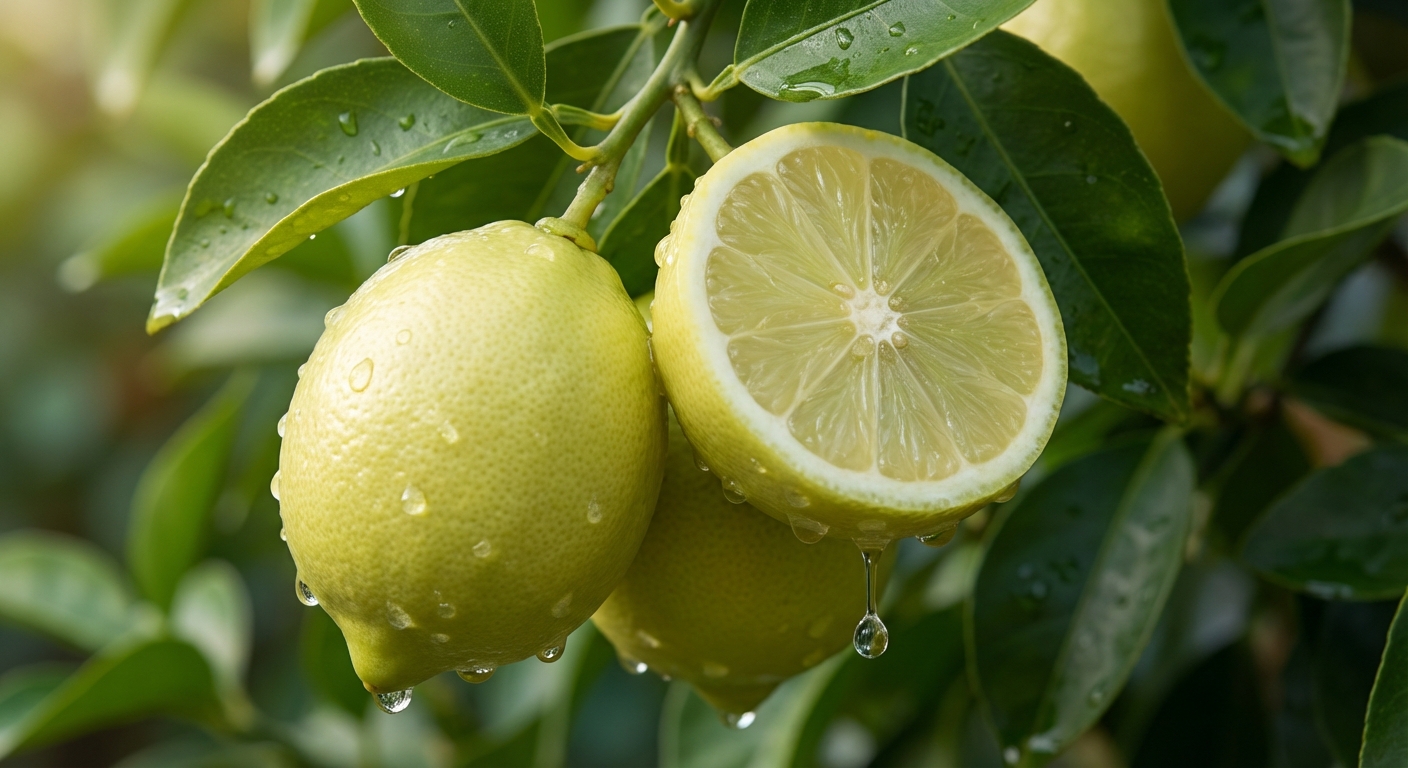
- The tree produces medium-sized fruit with thin, smooth skin and tender, juicy pale yellow flesh
- Climate dramatically affects fruit characteristics, with desert-grown fruit differing significantly from coastal varieties
- Multiple regional names exist including mitha nimbu (India), lim n helou (Egypt), and succari (Middle East)
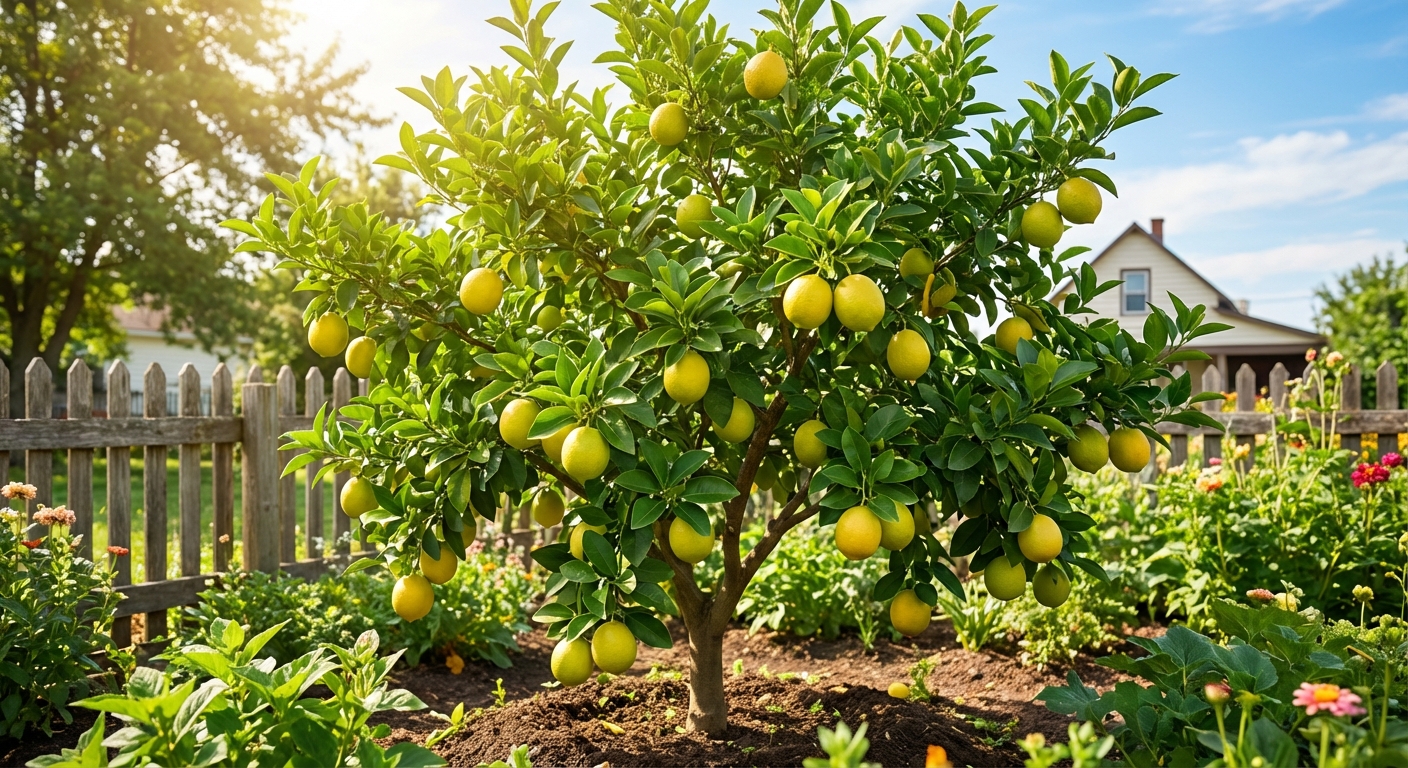
- The tree grows medium to large with an irregular spreading form and distinctive cupped leaves
- Palestine sweet lime serves dual purposes as both a fruit tree and rootstock for other citrus varieties
What Makes Palestine Sweet Lime So Special?
The Palestine sweet lime stands apart from every other citrus fruit you know. While lemons make you pucker and regular limes add sharp tartness to drinks, this remarkable fruit contains virtually no acid. Instead, it offers pure, gentle sweetness with a slightly bitter aftertaste that many find addictive.
Think of it as nature's sports drink. The high water content, natural sugars, and mineral content make Palestine sweet lime the perfect thirst quencher in hot climates. This explains why it became so popular across the Middle East, North Africa, and the Indian subcontinent.
The fruit's appearance changes dramatically based on growing conditions. In desert climates, Palestine sweet limes grow larger with thicker, more textured skin. In coastal areas, they stay smaller with smooth, thin rinds. This adaptability made the variety valuable across diverse growing regions.
Where Did Palestine Sweet Lime Come From Originally?
The Palestine sweet lime originated in northeastern India, where wild forms still grow in the hills of Assam. Ancient Sanskrit texts mention sweet citrus fruits that match this variety's description, suggesting cultivation dates back at least 2,000 years.
From India, traders carried Palestine sweet lime seeds and cuttings west along the Silk Road. The fruit found perfect growing conditions in the fertile river valleys of modern-day Iraq, Syria, and Palestine. Each region developed its own local varieties, leading to the confusing array of names we see today.
Egyptian farmers embraced the variety around 1,000 years ago, calling it lim n helou (sweet lime) or succari (sugary). The fruit became associated with healing and was often prescribed by traditional healers for various ailments. Persian merchants spread cultivation further west into North Africa.
According to the UCR Citrus Variety Collection, the specific Palestine sweet lime variety grown in America today arrived as budwood from W.T. Swingle's USDA collection in 1924. This makes our domestic trees nearly 100 years old, with genetics tracing back to the original Middle Eastern stock.
How Did Palestine Sweet Lime Reach the Americas?
Palestine sweet lime reached the Americas through two main pathways. Spanish colonizers brought various citrus varieties to the Caribbean and Mexico starting in the 1500s. Some of these early introductions likely included sweet lime varieties from Spanish territories in North Africa.
The more documented introduction came through USDA plant exploration programs in the early 1900s. Agricultural researchers like Walter T. Swingle traveled throughout the Middle East and India, collecting citrus varieties for American growers. Swingle's 1924 collection included the Palestine sweet lime that still grows in California research orchards today.
Commercial cultivation never took off in the United States because American consumers didn't understand the fruit. Marketing teams couldn't explain why someone would want a "lime" with no tartness. The variety remained confined to research collections and specialty growers.
Today, Palestine sweet lime trees grow primarily in home gardens and small specialty orchards. Mexican and Middle Eastern immigrant communities have kept the tradition alive, growing trees for personal use and sharing fruit with friends and family.
What Cultural Role Does Palestine Sweet Lime Play?
In India, Palestine sweet lime (mitha nimbu) holds deep cultural significance beyond just food. Traditional Ayurvedic medicine considers the fruit cooling and purifying, perfect for balancing the body's internal heat. Mothers give sweet lime juice to children with fevers, believing it helps reduce body temperature naturally.
Egyptian culture associates Palestine sweet lime with hospitality and healing. Guests are often welcomed with fresh sweet lime juice mixed with mint. The fruit appears in traditional remedies for digestive issues and liver problems, though modern science hasn't validated these uses.
During Ramadan, many Muslim families break their fast with Palestine sweet lime juice. The natural sugars provide quick energy after a day of fasting, while the high water content helps with rehydration. The fruit's gentle flavor doesn't shock the stomach after hours without food.
In Mexican communities, Palestine sweet lime (lima dulce) often appears at family gatherings and celebrations. Children especially love the fruit because it offers citrus flavor without the sourness they typically avoid.
| Region | Local Name | Cultural Use |
|---|---|---|
| India | Mitha nimbu | Fever treatment, cooling drink |
| Egypt | Lim n helou | Hospitality drink, liver remedy |
| Palestine/Syria | Succari | Digestive aid, children's medicine |
| Mexico | Lima dulce | Family celebrations, children's snack |
What Does a Palestine Sweet Lime Tree Look Like?
Palestine sweet lime trees have a distinctive appearance that sets them apart from other citrus varieties. The tree grows medium to large, typically reaching 15-20 feet tall in ideal conditions. However, container growing keeps them much more manageable at 6-8 feet.
The growth habit is irregular and spreading, giving mature trees an almost wild appearance. Thick, thorny branches extend in various directions, creating dense foliage coverage. This irregular form actually provides excellent fruit protection and creates natural windbreaks.
The leaves are the tree's most distinctive feature. They're pale green, medium-sized, and long-oval with blunt points. But here's what makes them unique: the leaves cup or roll along their length, creating a distinctive curled appearance. The petioles (leaf stems) have wing margins rather than full wings like most limes.
Flowers appear pure white and medium to large in size. They emerge from bright green new growth shoots, creating a beautiful contrast. The blooming period produces an intense, distinctive fragrance that's different from other citrus flowers.
The thorns deserve special mention. Palestine sweet lime trees produce substantial thorns, especially on younger wood. These aren't the small prickles of some citrus varieties but serious defensive spikes that can reach 2-3 inches long. This makes harvesting interesting but also provides excellent protection against pests.
What Do Palestine Sweet Limes Taste Like and How Are They Used?
Palestine sweet limes offer a completely unique citrus experience. The flesh is pale yellow, extremely tender, and very juicy. When you bite into a ripe fruit, juice literally runs down your chin. The texture is softer than regular limes but firmer than oranges.
The flavor is the real surprise. Instead of the sharp acidity you expect from citrus, Palestine sweet limes taste mildly sweet with virtually no tartness. There's a slight bitter aftertaste that adds complexity without being unpleasant. Think of it as drinking lightly sweetened water with a hint of citrus oil.
This unique flavor profile makes Palestine sweet limes incredibly versatile in the kitchen. In India, they're juiced fresh and served over ice as a cooling drink. The juice mixes beautifully with mint, creating a natural mojito without alcohol. Some people add a pinch of salt and black pepper for a traditional Indian preparation.
Middle Eastern cooks use Palestine sweet lime juice in marinades for lamb and chicken. The natural sugars help create beautiful browning while the fruit acids tenderize meat gently. The juice also appears in traditional rice dishes and grain salads.
Mexican families often eat Palestine sweet limes fresh, like oranges. Children love them because they provide citrus flavor without the sourness. The fruit also works well in agua fresca, blended with water and a touch of sugar.
The zest adds aromatic complexity to baked goods and savory dishes. Because the rind is thin and the oil glands are prominent, a little Palestine sweet lime zest goes a long way. The aroma is distinctly different from regular lime zest, with floral notes and less sharp citrus punch.
How Do You Grow Palestine Sweet Lime Trees Successfully?
Growing Palestine sweet lime trees successfully comes down to understanding what they need to thrive. Like all citrus, they demand excellent drainage, consistent nutrition, and protection from cold temperatures. But this variety has some specific requirements that separate it from other citrus trees.
First, understand that Palestine sweet lime trees are remarkably sensitive to climate conditions. The same tree will produce dramatically different fruit in different environments. Desert conditions create larger, thicker-skinned fruit with more intense flavor. Coastal conditions produce smaller, thinner-skinned fruit with milder taste.
Temperature management is critical. Palestine sweet lime trees handle heat better than most citrus varieties, making them excellent choices for hot summer regions. However, they're more cold-sensitive than lemons or grapefruits. Protect trees when temperatures drop below 28°F.
Container growing works exceptionally well for Palestine sweet lime trees. Their irregular growth habit actually benefits from the root restriction containers provide. Use containers at least 20 gallons for mature trees, with excellent drainage holes.
This is where US Citrus Nursery's Three Plant Pillars become essential for success. Your Palestine sweet lime tree needs all three pillars working together:
Pillar 1: Mineral-Based Soil - Palestine sweet lime trees demand perfect drainage. Dr. Mani's Magic Super Soil provides the permanent, mineral-based foundation these trees need. Unlike decomposing potting mix that suffocates roots, Super Soil maintains consistent aeration for decades. The pre-adjusted pH of 6.0 optimizes nutrient uptake for citrus varieties.
Pillar 2: Live Microbials - The root zone needs active microbial life to process nutrients and protect against disease. Plant Super Boost delivers over 2,000 bacterial species and 400-500 fungal species, including mycorrhizae that expand nutrient absorption. Apply 2 ounces per gallon monthly to maintain healthy soil biology.
Pillar 3: Complete Organic Fertilizer - Crab, Kelp & Amino Acids (7-4-4) provides all 12 essential nutrients Palestine sweet lime trees need. The slow-release organic formula works with soil microbes rather than against them. Apply 1 ounce per inch of trunk diameter monthly during the growing season.
| Growing Factor | Palestine Sweet Lime Needs | Common Mistakes |
|---|---|---|
| Soil | Mineral-based, permanent drainage | Using decomposing potting mix |
| Water | Deep, infrequent when top 2" dry | Frequent shallow watering |
| Temperature | Protect below 28°F | Assuming cold hardiness like lemons |
| Fertilizer | Complete organic nutrition | High-nitrogen synthetic feeds |
| Pruning | Light shaping, preserve natural form | Heavy pruning that reduces fruit |
Watering requires attention to your specific climate conditions. Use the soil touch test: water deeply when the top 2 inches feel dry. In mineral-based Super Soil, overwatering is nearly impossible because excess water drains immediately. In hot, dry climates, this might mean daily watering. In cool, humid conditions, twice weekly may be sufficient.
Pruning should be minimal with Palestine sweet lime trees. Their irregular growth habit is natural and actually beneficial for fruit production. Remove only dead, damaged, or crossing branches. Clean your tools with rubbing alcohol between cuts to prevent disease transmission.
Why Do Home Growers Fall in Love with Palestine Sweet Lime Trees?
Home growers develop deep affection for Palestine sweet lime trees for reasons that go beyond just the fruit. These trees offer a gardening experience that's both exotic and manageable, producing something truly special that you can't buy anywhere.
The uniqueness factor drives much of the enthusiasm. When friends and neighbors taste Palestine sweet limes from your tree, they're experiencing something completely new. Most Americans have never encountered a citrus fruit with no acidity. It becomes a conversation starter and a source of garden pride.
Production levels impress home growers. Mature Palestine sweet lime trees can produce 50-100 pounds of fruit annually, even in containers. The fruit stores well on the tree for several weeks after ripening, extending the harvest window. This means fresh juice and fruit for months, not just a brief harvest period.
The medicinal tradition adds another layer of satisfaction. Whether or not the health claims have scientific backing, growing your own "healing" citrus connects you to thousands of years of human tradition. Many growers report feeling good about offering fresh Palestine sweet lime juice to family members with colds or upset stomachs.
Container cultivation works beautifully with Palestine sweet lime trees. Their irregular growth habit creates interesting visual appeal in large pots. The trees adapt well to container restrictions, producing full-sized fruit even when root-bound. This makes them perfect for patios, decks, and small spaces.
The thorniness that might seem like a disadvantage actually provides benefits. Those substantial thorns protect fruit from birds and animals better than most citrus varieties. Many growers report higher fruit survival rates compared to their Meyer lemon trees or other smooth-barked varieties.
What Are Some Fascinating Facts About Palestine Sweet Lime?
Palestine sweet lime trees hide some remarkable secrets that even experienced citrus growers don't know. These historical oddities and rare facts make the variety even more interesting for home cultivation.
The naming confusion runs deeper than most people realize. What Americans call "Palestine sweet lime" isn't necessarily from Palestine at all. Research suggests our domestic variety might actually be "Mitha-kaghzi" from India, misidentified during early USDA collections. The true Palestine sweet lime might be a different variety entirely.
Climate creates such dramatic fruit differences that early botanists thought they were documenting separate species. Desert-grown Palestine sweet limes can be three times larger than coastal varieties, with completely different skin texture and color. The same tree moved between climates will produce noticeably different fruit within one season.
The acid form discovery in Assam revealed something remarkable about citrus genetics. The "soh synteng" variety is genetically identical to Palestine sweet lime except for acidity levels and slight color variations. This suggests the sweet characteristic is controlled by just a few genes, making breeding work potentially very targeted.
Palestine sweet lime trees serve double duty as rootstock for other citrus varieties. Their vigorous root system and disease resistance make them excellent foundations for grafting more delicate varieties. Some commercial growers use Palestine sweet lime roots to improve cold tolerance in their orchards.
The polyembryonic seeds create interesting propagation opportunities. Most seeds contain multiple embryos, with at least one being a genetic clone of the parent tree. This means you can grow true-to-type Palestine sweet lime trees from seed, unlike most citrus varieties that require grafting.
Traditional medicine systems across three continents independently developed similar uses for Palestine sweet lime. Indian Ayurveda, Middle Eastern Unani medicine, and North African folk traditions all prescribe the fruit for fever reduction and liver support. This convergent cultural evolution suggests the fruit might indeed have bioactive compounds worth studying.
The distinctive leaf cupping serves a practical purpose in hot climates. The rolled leaf edges reduce surface area exposed to direct sunlight, helping the tree conserve water during extreme heat. This adaptation explains why the variety thrives in desert conditions where other citrus struggles.
Why Does Palestine Sweet Lime Deserve a Place in Your Garden?
Palestine sweet lime trees offer home growers something genuinely special: access to an ancient fruit variety with unique characteristics you simply cannot buy commercially. While grocery stores stock the same predictable citrus options, your garden can produce something that connects you to thousands of years of cultivation tradition.
The practical benefits make a compelling case for growing Palestine sweet lime. The trees adapt beautifully to container cultivation, making them perfect for patios, decks, and small spaces. Their heat tolerance exceeds most citrus varieties, while their irregular growth habit creates interesting visual appeal without requiring intensive pruning.
Consider the culinary possibilities. Palestine sweet lime juice creates refreshing drinks without added sugars or artificial flavors. The unique flavor profile works in both sweet and savory applications, from marinades to desserts. You're not just growing fruit; you're cultivating ingredients for recipes your neighbors have never tasted.
The conversation value alone justifies growing Palestine sweet lime. When friends taste fruit from your tree, they experience something completely new. That moment of surprise when they expect tartness but taste gentle sweetness creates memorable garden experiences that bond people to your growing efforts.
From a gardening perspective, Palestine sweet lime trees reward careful attention with abundant production. Mature trees can yield 50-100 pounds annually, providing months of fresh fruit. The natural thorniness protects your harvest better than most citrus varieties, ensuring more fruit reaches your table instead of feeding wildlife.
Most importantly, growing Palestine sweet lime connects you to global citrus diversity. While commercial agriculture narrows variety selections for shipping and shelf life, home growers can preserve and enjoy varieties selected for flavor, uniqueness, and cultural significance.
Your Palestine sweet lime tree becomes part of a living seed bank, maintaining genetic diversity for future generations. Every tree grown from traditional varieties helps ensure these ancient fruits don't disappear from cultivation entirely.
Ready to experience this gentle, sweet citrus variety for yourself? Browse our citrus tree collection to find the perfect Palestine sweet lime tree for your garden. With proper care using the Three Plant Pillars approach, your tree will reward you with decades of unique, flavorful fruit that tells the story of ancient cultivation traditions adapted for modern home growing.
Frequently Asked Questions
1. What is Palestine sweet lime?
Palestine sweet lime is a unique citrus variety known for its naturally sweet, low-acid juice. Unlike regular limes and lemons, it has virtually no acidity, giving the fruit a mild, refreshing flavor with a slightly bitter aftertaste. The fruit has pale yellow, tender, juicy flesh and thin, smooth skin.
2. Does Palestine sweet lime taste sweet or sour?
Palestine sweet lime tastes primarily sweet rather than sour. It contains very little acidity compared with regular limes, so it does not have the sharp, tart flavor typically associated with citrus. The juice is mildly sweet and refreshing, with a subtle bitter finish.
3. What are Palestine sweet limes used for?
Palestine sweet limes can be eaten fresh or juiced for refreshing drinks. Their juice is commonly used with mint, in agua fresca, marinades, rice dishes, grain salads, and other recipes. The zest can also add floral citrus flavor to baked goods and savory dishes.
4. Where did Palestine sweet lime originate?
Palestine sweet lime is described in the provided source as originating in northeastern India, where wild forms are associated with the hills of Assam. From India, the variety spread westward through trade routes into the Middle East, North Africa, and other citrus-growing regions.
5. What is Palestine sweet lime called in different countries?
Palestine sweet lime has several regional names. In India, it is known as mitha nimbu; in Egypt, it is called lim n helou or sweet lime; in parts of the Middle East it is associated with succari; and in Mexico, it may be called lima dulce. These different names contribute to confusion surrounding the variety.
6. How big does a Palestine sweet lime tree get?
A Palestine sweet lime tree can reach approximately 15–20 feet tall when grown in the ground under favorable conditions. When grown in a container, it can generally be maintained at around 6–8 feet, making it suitable for patios, decks, and smaller gardens.
7. Can Palestine sweet lime trees grow in containers?
Yes, Palestine sweet lime trees can be grown successfully in containers. A mature tree should have a large container with excellent drainage, with a 20-gallon container or larger recommended in the source. Container growing also makes it easier to protect the tree from cold weather.
8. How cold hardy is a Palestine sweet lime tree?
Palestine sweet lime is relatively sensitive to cold compared with some other citrus varieties. The provided growing guide recommends protecting the tree when temperatures fall below approximately 28°F. Container-grown trees can be moved to a sheltered location during cold weather.
9. How do you care for a Palestine sweet lime tree?
Palestine sweet lime trees need excellent drainage, adequate sunlight, consistent watering, and complete nutrition. Water deeply when the top 2 inches of soil become dry, avoid keeping the roots constantly wet, and protect the tree from temperatures below about 28°F. The source also recommends mineral-based soil, beneficial microbes, and complete organic nutrition as its Three Plant Pillars approach.
10. How much fruit does a Palestine sweet lime tree produce?
According to the provided source, a mature Palestine sweet lime tree can produce approximately 50–100 pounds of fruit annually, including when grown under suitable container conditions. The fruit can remain on the tree for several weeks after ripening, which can extend the harvest window.
About the Author
Ron Skaria, MD
Ron Skaria is the son of Dr. Mani. He trained as a medical doctor at Baylor College of Medicine, did his residency at UT Health Science Center - San Antonio and fellowship training at Texas Tech University. He now works full time on the family farm at US Citrus and US Citrus Nursery in Hargill, Texas, building Dr. Mani's Magic alongside his dad. He wrote the Brown Thumb Field Guide to put his father's 48 years of plant science into plain words any gardener can use. His belief is simple. You never had a brown thumb. You just never had the right help.


