


Calamondin Tree: Filipino Citrus for Drinks, Sauces & Flavor
You walk into a Filipino home, and the air carries the bright, tangy scent of fresh calamansi juice being squeezed over grilled fish. Or maybe you're at a bustling street market in Manila, watching vendors slice these tiny orange gems to flavor everything from pancit to pork adobo. This is the calamondin tree's legacy. A small citrus that packs more flavor punch per square inch than fruits ten times its size.
The calamondin isn't just another citrus tree. It's a cultural icon, a culinary powerhouse, and surprisingly, one of the most forgiving citrus trees you can grow at home. Whether you call it calamansi, calamonding, or simply "that amazing little Filipino lime," this tree has been quietly winning over home growers across America.
After caring for over 250,000 citrus trees at our South Texas nursery, we've watched countless gardeners fall in love with this exceptional variety. Here's why the calamondin deserves serious consideration for your backyard or container garden.

Calamondin Tree
Key Takeaways
- Calamondin is a natural hybrid between mandarin and kumquat, combining the best traits of both parents
- The tree produces fruit year-round, giving you constant harvests of intensely flavorful citrus
- More cold-hardy than most citrus varieties, surviving temperatures down to the mid-20s°F
- Exceptionally productive in containers, making it perfect for patios and small spaces
- The entire fruit is edible, including the sweet, thin skin
- Essential ingredient in Filipino cuisine, from beverages to marinades and sauces
- Thrives with US Citrus Nursery's Three Plant Pillars approach for maximum health and production
What Makes the Calamondin So Special?
The calamondin tree stands out in the citrus world for one simple reason: it gives you more flavor per fruit than almost any other citrus. These marble-sized fruits pack an incredible punch of sweet-tart intensity that transforms everything they touch.
But here's what most people don't realize. Unlike regular limes or lemons where you squeeze out the juice and throw away the peel, you eat the entire calamondin. The thin, sweet skin balances the tart flesh perfectly. Pop one in your mouth like a tiny orange, and you get this amazing burst of contrasting flavors that wakes up your taste buds.
This unique eating experience comes from the tree's hybrid nature. The UCR Citrus Variety Collection confirms what citrus scientists have long suspected: the calamondin is a natural cross between a sour mandarin and a kumquat. This gives it the mandarin's juiciness and the kumquat's edible skin.
Where Did the Calamondin Come From?
The calamondin's story begins in ancient China, probably over a thousand years ago. Like many great things in life, this citrus hybrid happened by accident. Somewhere in southern China, a mandarin tree and a kumquat tree grew close enough for cross-pollination to occur naturally.
The resulting seedling produced something new. Fruits that looked like tiny mandarins but behaved like kumquats. Chinese farmers noticed these special trees and began propagating them. They called it "szukai-kat" in southern China and Taiwan.
From China, the calamondin spread throughout Southeast Asia. It found its way to Java (where it became "djerook kastoori"), India ("hazara"), and Japan ("shikikitsu"). But nowhere did it find a more welcoming home than the Philippines.
How the Calamondin Became the Philippines' National Citrus
When Portuguese and Spanish traders brought the calamondin to the Philippine Islands in the 16th century, something magical happened. The tree adapted so perfectly to the tropical climate and Filipino soil that it became completely naturalized.
Filipino farmers embraced this citrus with enthusiasm. The tree produced fruit year-round in their climate. It grew well in poor soils. It survived typhoons better than other citrus varieties. Most importantly, its intense flavor perfectly complemented Filipino cooking styles.
The Filipinos gave it new names: "calamansi" and "calamonding." They developed hundreds of ways to use it. Fresh juice became the go-to beverage. Sliced calamansi became the standard condiment for grilled meats and fish. The juice became essential in marinades, particularly for pork and chicken dishes.
Today, the Philippines produces more calamondin fruit than any other country. It's so deeply embedded in Filipino culture that many Filipinos consider it their national citrus, more important than any imported lemon or lime.
The Calamondin Arrives in America
The calamondin's journey to America began in 1935 when the USDA received a seedling through Walter Swingle, one of America's pioneering citrus researchers. This single tree, grown at the University of California Riverside, became the parent of most calamondin trees in the United States.
Initially, American citrus growers didn't know what to do with this tiny fruit. The commercial citrus industry focused on large, juice-heavy varieties like oranges and grapefruits. The calamondin seemed too small to matter commercially.
But something interesting happened in the 1960s and 70s. As Filipino immigration to America increased, demand for familiar foods grew. Filipino-Americans began seeking out calamondin trees for their home gardens. They wanted that authentic taste of home.
American nurseries noticed this demand and began growing calamondin primarily as an ornamental plant. The tree's year-round flowering, constant fruit production, and attractive appearance made it popular for patios and indoor growing.
Cultural Significance and Culinary Traditions
In Filipino households, the calamondin isn't just a fruit. It's a cultural connector, a taste of heritage, and a daily cooking essential rolled into one small package.
Every Filipino kitchen has a bowl of fresh calamansi on the counter. These fruits get squeezed over everything: grilled bangus (milkfish), pork sisig, beef kare-kare, and countless noodle dishes. The bright acidity cuts through rich, fatty foods and adds that signature Filipino flavor profile.
But the real magic happens in Filipino beverages. Fresh calamansi juice, mixed with water and a touch of sugar, creates a drink that's simultaneously refreshing and energizing. It's like lemonade's more sophisticated cousin. Many Filipino families have secret recipes passed down through generations, each with slight variations in sweetness and preparation.
The fruit also plays a role in Filipino celebrations. During Christmas season, calamansi appears in traditional fruit displays. At New Year celebrations, the round fruits symbolize prosperity and good fortune. Filipino-Americans often plant calamondin trees specifically to maintain these cultural connections.
| Filipino Dish | How Calamansi is Used | Flavor Contribution |
|---|---|---|
| Pork Adobo | Squeezed fresh over finished dish | Brightens rich, dark sauce |
| Grilled Fish (Inihaw) | Juice mixed with soy sauce as dipping sauce | Cuts through oily, smoky flavors |
| Pancit (Noodles) | Wedges served alongside for squeezing | Adds bright acidity to starchy dish |
| Lechon (Roast Pig) | Key ingredient in liver sauce | Balances rich, fatty meat |
What Does a Calamondin Tree Look Like?
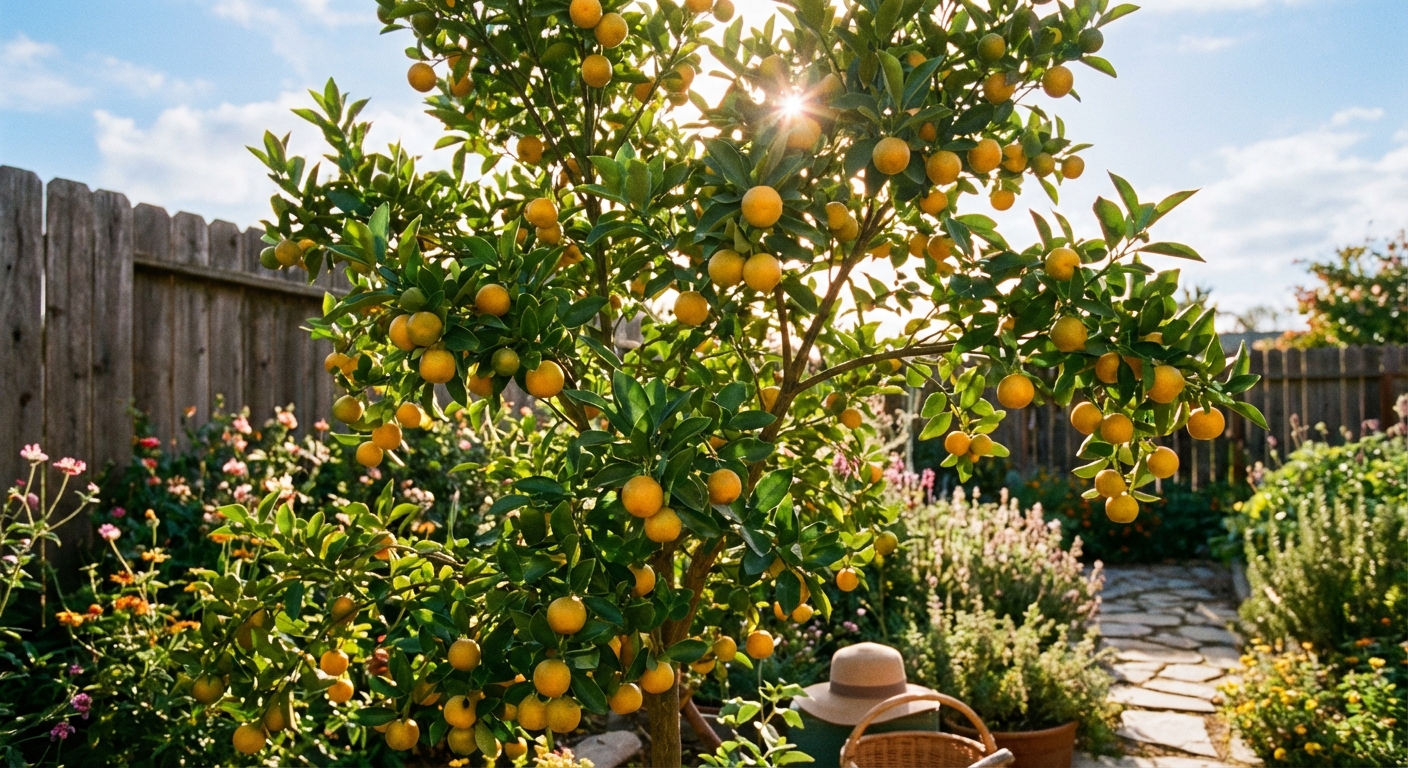
The calamondin tree has a distinctive appearance that sets it apart from other citrus varieties. These trees grow in an upright, columnar fashion, reaching 8-10 feet tall when planted in the ground, but staying much smaller in containers (typically 4-6 feet).
The leaves are the first thing you'll notice. They're small, oval-shaped, and densely packed on the branches. This creates a fine, delicate texture that makes the tree look almost like a large bonsai. The leaves have that characteristic citrus shine and release a pleasant, slightly spicy aroma when crushed.
Unlike many citrus trees, calamondins are nearly thornless. You might find an occasional small thorn, but nothing like the vicious spikes on a Persian lime tree or the defensive armor of a grapefruit tree. This makes harvesting much more pleasant.
The flowers appear continuously throughout the growing season. They're small, white, and intensely fragrant. Because the tree flowers and fruits simultaneously, you'll often see white blossoms next to green developing fruits next to ripe orange fruits all on the same branch.
The Fruit: Small Size, Enormous Flavor
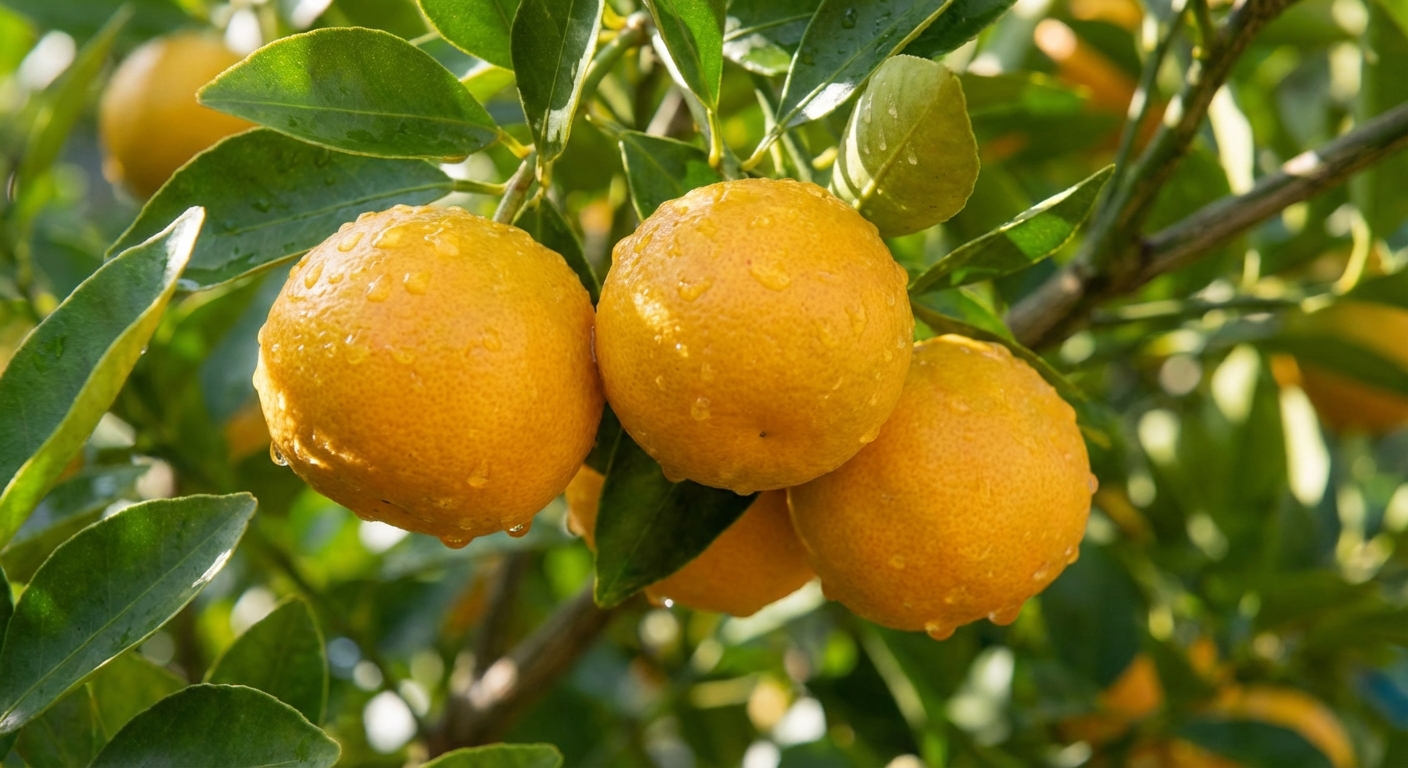
Calamondin fruits are tiny compared to most citrus. They typically measure 1-1.5 inches in diameter, about the size of a large marble or small ping-pong ball. But don't let the size fool you. These fruits deliver more flavor intensity per ounce than almost any other citrus.
When ripe, the fruits turn a beautiful orange color. The skin is very thin, smooth, and slightly glossy. Unlike thick-skinned citrus, you can easily pierce calamondin skin with your fingernail. This thin skin is completely edible and actually sweet, providing a perfect contrast to the tart flesh inside.
Cut open a calamondin, and you'll find 8-9 segments surrounding a small, semi-hollow core. The flesh is orange-colored, extremely juicy, and intensely acidic. The flavor combines the tartness of a lime with subtle orange undertones and a unique aromatic quality that's hard to describe but impossible to forget.
Each fruit contains just a few small seeds. These seeds are polyembryonic, meaning each seed can produce multiple seedlings. This is why calamondin trees grown from seed often come true to type, unlike many other citrus varieties.
Here's what makes calamondin special in the kitchen: you use the whole fruit. Slice it thin and eat it like an orange (the sweet skin balances the tart flesh). Squeeze it like a lime for juice (you get surprising amounts from such small fruits). Or muddle the whole fruit in drinks for complex flavor layers.
| Calamondin vs Other Citrus | Size (inches) | Skin Thickness | Edible Skin? | Juice Content | Flavor Profile |
|---|---|---|---|---|---|
| Calamondin | 1-1.5 | Very thin | Yes, sweet | High for size | Tart with orange notes |
| Key Lime | 1-2 | Thin | No, bitter | Moderate | Intensely tart, floral |
| Meyer Lemon | 2-3 | Medium | No, bitter | High | Sweet-tart, aromatic |
| Kumquat | 0.75-1.5 | Thick | Yes, very sweet | Low | Sweet skin, tart center |
How to Grow Calamondin Trees Successfully
Growing a healthy, productive calamondin tree comes down to understanding what this hybrid citrus really needs. After growing thousands of these trees at our nursery, we've learned that success depends on getting three fundamental things right.
The secret lies in what we call the Three Plant Pillars. This isn't just generic gardening advice. This is US Citrus Nursery's proven system for growing citrus that actually thrives instead of just surviving.
Pillar 1: Mineral-Based Soil
Calamondins need soil that never suffocates their roots. That potting mix from the big box store? It's just pine bark sawdust that decomposes and consumes the oxygen your tree's roots desperately need. Within six months, it becomes a soggy mess that leads to root rot.
Dr. Mani's Magic Super Soil provides the permanent, mineral-based foundation your calamondin needs. Made with sand, perlite, and coco coir plus essential amendments like biochar and volcanic ash, this soil never decomposes. Your tree gets consistent aeration and drainage for years, not months.
Pillar 2: Live Microbials
In nature, citrus trees partner with billions of beneficial bacteria and fungi. These microbes protect roots, unlock nutrients, and create the healthy soil ecosystem your tree evolved to depend on. Most commercial products are dead powder that doesn't work or liquid concentrates that go stink within 24 hours.
Plant Super Boost delivers over 2,000 species of live bacteria and 400-500 species of beneficial fungi, harvested from natural compost and stabilized with our proprietary method. Apply 2 oz per gallon monthly to keep your calamondin's root zone thriving.
Pillar 3: Complete Organic Fertilizer
Calamondins produce fruit year-round, which means they need consistent, complete nutrition. Synthetic fertilizers create salt buildup that burns roots and kills beneficial microbes. Those blue crystals might show quick results, but they're destroying your soil biology.
Crab, Kelp & Amino Acids (7-4-4) provides all 12 essential nutrients in slow-release organic form. The crab shells supply calcium for strong cell walls. Cold-processed kelp delivers trace minerals. Amino acids from feather meal and tankage provide readily available nitrogen that won't burn roots.
Climate Requirements and Cold Tolerance
Calamondins are among the most cold-hardy citrus varieties you can grow. These trees can survive temperatures down to 25°F for short periods, and they'll bounce back from brief freezes that would kill a lemon or lime tree.
This cold tolerance makes calamondins perfect for growing in marginal citrus climates. In USDA zones 9-11, you can grow them in the ground year-round. In zones 7-8, you can grow them outdoors with winter protection or move containers indoors during cold snaps.
The tree actually benefits from some cool weather. Temperatures between 60-85°F trigger the heaviest flowering and fruit set. Hot summer weather above 95°F can slow growth, but the tree recovers quickly when temperatures moderate.
Container Growing Success
Calamondins excel in containers, often producing more fruit per square foot than ground-planted trees. Start with a container at least 20 gallons (24 inches wide and deep) for a mature tree. Smaller containers work for young trees, but plan to up-pot as the tree grows.
Drainage is critical. Make sure your container has multiple drainage holes in the bottom. Never use saucers or drip trays that hold standing water. Healthy roots need oxygen, and waterlogged soil kills citrus trees faster than drought.
With mineral-based soil, overwatering becomes nearly impossible. The soil drains immediately, allowing air to reach roots while maintaining consistent moisture. This is why Meyer lemon trees and other citrus varieties thrive in our Super Soil system.
Watering Schedule for Maximum Production
Proper watering keeps your calamondin producing fruit continuously. The key is watering deeply but infrequently, allowing the top 2 inches of soil to dry between waterings.
Use this schedule based on your local conditions:
| Temperature Range | Humidity Level | Watering Frequency | Special Notes |
|---|---|---|---|
| Below 60°F | Any | Once per week | Reduce frequency in winter |
| 60-90°F | High humidity | Twice weekly | Monitor soil moisture daily |
| 60-90°F | Low humidity | Three times weekly | Check for wind exposure |
| Above 90°F | High humidity | Every other day | Provide afternoon shade |
| Above 90°F | Low humidity | Daily | Watch for heat stress |
Pruning and Maintenance
Calamondins need minimal pruning compared to other citrus varieties. Their naturally compact growth habit means you're mainly removing dead, damaged, or crossing branches.
Prune lightly and frequently rather than heavy annual pruning. Remove no more than one-third of the canopy at any one time. The best time for major pruning is late winter or early spring, just before new growth begins.
Always use clean, sharp pruning shears disinfected with rubbing alcohol between cuts. This prevents spreading diseases between branches or trees.
Why Home Growers Love Calamondin Trees
Ask any gardener who grows calamondins, and they'll tell you the same thing: this tree gives back more than you put into it. Here's why home growers become obsessed with these productive little trees.
Year-Round Fruit Production
While your neighbor's orange tree produces once a year, your calamondin keeps delivering. New flowers appear every few weeks, creating a continuous cycle of fruit development. You'll have ripe fruit to harvest almost every month of the year.
Incredible Productivity
A mature calamondin tree can produce 100-200 fruits annually, even in a container. That might not sound like much until you realize how much flavor each fruit delivers. A single tree provides enough fruit for daily cooking and plenty to share with neighbors.
Perfect for Small Spaces
Calamondin trees stay naturally compact, making them ideal for patios, balconies, and small yards. You get the satisfaction of growing your own citrus without needing a large garden or orchard space.
Beginner-Friendly
This is probably the most forgiving citrus variety for new growers. Calamondins tolerate more mistakes than finicky varieties like Eureka lemons. They bounce back from drought, handle temperature fluctuations, and keep producing even when care isn't perfect.
Ornamental Beauty
Even when you're not harvesting fruit, the tree provides year-round beauty. The dense, dark green foliage creates an attractive backdrop for the bright orange fruits and white flowers. Many growers use calamondins as landscape focal points.
Cultural Connection
For Filipino-Americans and Southeast Asian families, growing calamondins maintains a connection to heritage foods and traditions. Nothing beats having fresh calamansi for authentic home cooking.
Historical Oddities and Fascinating Facts
The calamondin's journey through history is filled with interesting twists and surprising connections that most people never learn.
The Name Game
This single citrus variety has more names than almost any other fruit. In addition to calamondin and calamansi, it's called szukai-kat in Taiwan, shikikitsu in Japan, djerook kastoori in Java, hazara in India, and at least a dozen other regional names. Each culture that adopted this fruit gave it a name that reflected local language and usage patterns.
The Botanical Mystery
For decades, botanists couldn't agree on the calamondin's scientific classification. Some considered it a true species (Citrus madurensis). Others called it a hybrid (x Citrofortunella microcarpa). The confusion came from its unusual combination of mandarin and kumquat traits, which didn't fit neatly into existing citrus categories.
The Variegated Wonder
There's a rare variegated form of calamondin called 'Peters' that produces marbled leaves and faintly striped fruit. This mutation occurred spontaneously in California and became popular among collectors who wanted something even more ornamental than the standard variety.
The Four Season Citrus
In 1951, Dr. Hu noted that the Chinese name "Chi Chieh" means "four seasons," referring to the tree's ability to flower and fruit continuously throughout the year. This continuous production cycle was unusual enough that ancient Chinese gardeners gave it a special name.
The Rootstock Secret
Calamondin trees make excellent rootstock for kumquat varieties when grown as ornamental container plants. The vigorous root system and cold tolerance of calamondin improve the performance of grafted kumquats in challenging growing conditions.
The Economic Paradox
Despite being incredibly productive and flavorful, calamondins have little commercial importance in the United States. The fruits are too small and perishable for large-scale distribution, but perfect for home gardens. This creates an interesting situation where the fruit is extremely valuable to home growers but unmarketable to commercial operations.
Growing Calamondin vs Other Citrus Varieties
If you're trying to decide between calamondin and other citrus varieties, understanding the key differences helps you make the right choice for your situation.
Calamondin vs Key Lime
Both produce small, intensely flavored fruits, but calamondins are much more cold-tolerant and productive in containers. Key limes need more heat and humidity to thrive, making calamondins better for marginal climates.
Calamondin vs Meyer Lemon
Meyer lemons produce larger fruits with milder flavor, while calamondins give you intense flavor in smaller packages. Calamondins fruit more consistently year-round, while Meyer lemons have more distinct seasons of heavy production.
Calamondin vs Kumquat
Both have edible skins, but kumquats are sweeter overall while calamondins are more tart and juicy. Calamondins are better for cooking applications, while kumquats are perfect for eating fresh.
The choice often comes down to your intended use. If you want authentic Filipino flavors for cooking, calamondin is irreplaceable. If you want larger fruits for juicing, consider Meyer lemons. If you want something unique that handles cold weather, calamondin wins.
Common Growing Problems and Solutions
Even though calamondins are relatively forgiving, certain problems can reduce fruit production or tree health. Here's how to identify and solve the most common issues.
Yellowing Leaves
This usually indicates either overwatering in poor-draining soil or nutrient deficiency. Check your soil drainage first. If water sits on the surface after watering, you need better soil. If drainage is good, increase your fertilizer application and ensure you're providing complete nutrition with Crab, Kelp & Amino Acids.
Dropping Fruit
Some fruit drop is normal, especially in young trees. Excessive dropping usually means inconsistent watering, heat stress, or inadequate nutrition. Maintain consistent soil moisture and provide afternoon shade during extreme heat.
Pest Issues
Calamondins can attract aphids, scale insects, and citrus leafminer. For aphids and scale, spray with Castile soap solution (2 oz per gallon of water). For leafminer, use diatomaceous earth (3 oz per gallon) or spot-treat with rubbing alcohol.
Slow Growth
This often indicates missing elements from the Three Plant Pillars system. Trees in decomposing potting mix struggle with poor aeration. Trees without beneficial microbes can't access nutrients efficiently. Trees with incomplete fertilization can't maintain vigorous growth while producing fruit continuously.
The Future of Calamondin in American Gardens
As more Americans discover the incredible flavor and growing ease of calamondins, we're seeing increased interest from home gardeners across the country. The tree's cold tolerance makes it viable in more areas than traditional citrus varieties.
Filipino-American communities continue driving demand, but now mainstream gardeners are discovering what they've been missing. Food bloggers and celebrity chefs have started featuring calamansi in recipes, introducing wider audiences to this unique flavor.
The trend toward container gardening and small-space growing also favors calamondins. These trees deliver maximum flavor production in minimum space, perfect for urban and suburban gardeners who want homegrown citrus without large yards.
Why This Tree Deserves a Place in Your Garden
After everything we've covered, you might be wondering: is a calamondin tree right for my situation?
If you want a citrus tree that produces unique, intensely flavorful fruit year-round, the answer is yes. If you have limited space but want maximum production, absolutely. If you're tired of buying expensive specialty citrus at the store, this tree pays for itself quickly.
But here's the real reason to grow a calamondin: it connects you to something bigger than just gardening. This tree carries centuries of cultural heritage, culinary tradition, and botanical history. When you squeeze fresh calamansi juice over your dinner, you're participating in a tradition that spans continents and generations.
The calamondin isn't just another fruit tree. It's a conversation starter, a cultural bridge, and a reliable producer of extraordinary flavor. In a world of bland, mass-produced fruit, growing your own calamondins gives you access to authentic taste that money can't buy in stores.
Most importantly, calamondins prove that you don't need a huge yard or perfect climate to grow amazing citrus. With the right foundation (mineral-based soil, live microbes, and complete organic nutrition), these trees thrive in containers and produce fruit that will transform your cooking.
Ready to experience the unique flavor of homegrown calamansi? Browse our citrus collection and discover why thousands of gardeners have made the calamondin their go-to citrus variety.
Our calamondin trees arrive healthy and ready to produce, grown in Dr. Mani's Magic Super Soil with the complete Three Plant Pillars system. You're not just buying a tree – you're investing in years of extraordinary harvests and authentic flavor experiences.
Frequently Asked Questions
1. What is a calamondin tree?
A calamondin tree is a small citrus tree that produces marble-sized, intensely tart orange fruits. Also known as calamansi or calamonding, calamondin is a natural hybrid between a sour mandarin and a kumquat. The tree is valued for its year-round fruit production, edible skin, cold tolerance, and suitability for container growing.
2. Is calamondin the same as calamansi?
Yes. Calamondin and calamansi refer to the same citrus fruit and tree, although the names vary by region. "Calamansi" is the name commonly used in the Philippines, while "calamondin" is widely used in the United States. Other regional names include calamonding, szukai-kat, djerook kastoori, hazara, and shikikitsu.
3. What does calamondin fruit taste like?
Calamondin fruit has an intensely tart, acidic flavor with subtle orange notes. The flesh is much more acidic than a typical orange or mandarin, while the thin skin is naturally sweet. Eating the whole fruit creates a balance between sweet skin and sour, juicy flesh, making calamondin particularly useful for cooking, drinks, sauces, marinades, and preserves.
4. Can you eat calamondin fruit and its skin?
Yes. The entire calamondin fruit is edible, including its thin, sweet skin. Unlike lemons and limes, whose peels are usually discarded, calamondin has a soft, edible rind that balances the highly acidic flesh. You can eat the fruit whole, slice it into dishes, squeeze its juice, or muddle it into beverages.
5. What is calamondin used for?
Calamondin is widely used for juice, marinades, sauces, beverages, garnishes, preserves, and Filipino cooking. In Filipino cuisine, calamansi juice is commonly squeezed over grilled fish, pork, noodles, and other savory dishes. Its strong acidity helps cut through rich and fatty foods while adding a bright citrus flavor.
6. Does a calamondin tree produce fruit all year?
Yes. One of the most notable characteristics of calamondin trees is their ability to flower and produce fruit throughout the year. A single tree can simultaneously have white flowers, developing green fruit, and ripe orange fruit. This continuous fruiting makes calamondin especially attractive for home gardeners and container growers.
7. How cold hardy is a calamondin tree?
A calamondin tree can survive temperatures down to approximately 25°F for short periods, making it more cold-tolerant than many traditional citrus varieties. It generally performs well outdoors in USDA Zones 9–11. In colder areas, container-grown trees can be moved indoors or protected during freezing weather.
8. Can you grow a calamondin tree in a container?
Yes. Calamondin trees are excellent container citrus trees because they naturally remain relatively compact and can produce substantial fruit in limited space. A mature container tree can typically reach around 4–6 feet, depending on growing conditions and pruning. Use a container with excellent drainage and provide approximately 6–8 hours of direct sunlight daily.
9. How big does a calamondin tree get?
A calamondin tree typically reaches about 8–10 feet tall when planted in the ground. Container-grown trees generally remain smaller, commonly around 4–6 feet. Their compact growth habit, dense foliage, nearly thornless branches, and continuous flowers and fruit make them suitable for patios, small gardens, and landscape plantings.
10. How do you grow a healthy calamondin tree?
To grow a healthy calamondin tree, provide well-draining soil, adequate sunlight, consistent watering, and complete nutrition. The blog's Three Plant Pillars approach emphasizes mineral-based soil, beneficial live microbes, and complete organic fertilizer. Give the tree 6–8 hours of direct sunlight, allow the top 2 inches of soil to dry between waterings, and protect it from prolonged freezing temperatures.
About the Author
Ron Skaria, MD
Ron Skaria is the son of Dr. Mani. He trained as a medical doctor at Baylor College of Medicine, did his residency at UT Health Science Center - San Antonio and fellowship training at Texas Tech University. He now works full time on the family farm at US Citrus and US Citrus Nursery in Hargill, Texas, building Dr. Mani's Magic alongside his dad. He wrote the Brown Thumb Field Guide to put his father's 48 years of plant science into plain words any gardener can use. His belief is simple. You never had a brown thumb. You just never had the right help.


