


Meiwa Kumquat Tree: Sweet Round Japanese Kumquat for Snacking
Imagine biting into a small, round citrus fruit where the peel is actually the sweetest part. That's the magic of the Meiwa kumquat. This remarkable Japanese treasure transforms everything you thought you knew about citrus eating.
Most people struggle with sour, bitter citrus peels. But the Meiwa kumquat flips this completely upside down. Its thick, candy-sweet rind wraps around a tart center, creating the perfect balance of sweet and tangy in every bite.
After growing over 250,000 citrus trees at our South Texas nursery, we've discovered that the Meiwa kumquat stands apart from every other citrus variety. It's not just another small citrus fruit. It's nature's perfectly designed snack food, ready to eat straight from the tree.

Plant Super Boost | High Performance Soil Life Activator | Bio-Active Root Zone Energizer
Key Takeaways
- Meiwa kumquats have the sweetest, thickest rind of all kumquat varieties, making them perfect for fresh eating
- These round, orange fruits grow up to 1.5 inches in diameter and ripen year-round in ideal conditions
- Originally from Japan and China, Meiwa kumquats are considered a natural hybrid between oval and round kumquat species
- The trees are cold-hardy to about 20°F and semi-dormant in winter, making them suitable for container growing
- Meiwa kumquats require specific rootstock choices and are particularly susceptible to zinc deficiency
- These trees bloom from May to September and produce fruit that matures in late winter
- Many fruits are completely seedless, with those that do have seeds containing only a few
What Makes the Meiwa Kumquat So Special?
The Meiwa kumquat breaks all the rules of citrus. While most citrus fruits have bitter, inedible peels, the Meiwa's rind is thick, sweet, and absolutely delicious. The flesh inside provides a perfect tart contrast that makes your taste buds dance.
This isn't your typical backyard citrus tree. The Meiwa produces fruit that's ready to eat the moment you pick it. No peeling, no preparation, no mess. Just pure citrus perfection in a bite-sized package.
What sets Meiwa apart from other kumquats? The incredible thickness of that sweet rind. While Nagami kumquats have thin, somewhat bitter peels, Meiwa kumquats develop rinds so thick and sweet they taste almost like candy.
Where Did the Meiwa Kumquat Come From?
The story of the Meiwa kumquat begins in the misty mountains of Japan, where it was known by several names: Ninpo, Meiwa, or Neiha kinkan. These different names reflect the tree's journey across different regions and dialects of Japan.
But Japan wasn't the Meiwa's only home. Historical records show this variety was widely grown in Chekiang Province of China, where local farmers prized it for its exceptional sweetness and eating quality. The Chinese understood what made this kumquat special long before it reached Western gardens.
The scientific journey of the Meiwa began when renowned botanist W.T. Swingle received specimens in 1924. Initially classified as its own species, Fortunella crassifolia, Swingle later concluded this variety was actually a natural hybrid between oval and round kumquat species. This hybrid origin explains the Meiwa's unique combination of size, sweetness, and round shape.
According to the UCR Citrus Variety Collection, the Meiwa kumquat specimens we study today can trace their lineage directly back to those original 1924 introductions from Swingle's collection.
How Did Meiwa Kumquats Reach American Gardens?
The Meiwa's arrival in America represents one of citrus history's most important introductions. In 1924, the USDA received live Meiwa trees directly from W.T. Swingle's collection, marking the beginning of this variety's American journey.
Unlike many citrus varieties that arrived through commercial importation, the Meiwa came through scientific channels. This careful introduction ensured the trees maintained their unique characteristics and genetic integrity.
Early American citrus researchers immediately recognized the Meiwa's potential. Here was a kumquat that could be eaten fresh, unlike the more common Nagami variety that was primarily used for preserves and cooking. This eating quality made the Meiwa perfect for American backyard gardens.
The variety slowly spread from research institutions to specialty nurseries, though it never achieved the widespread commercial cultivation of Nagami kumquats. This limited distribution actually worked in the Meiwa's favor, keeping it as a prized variety for serious citrus enthusiasts.
Why Do People Treasure Meiwa Kumquats?
In Japan, the Meiwa kumquat holds special cultural significance beyond its incredible taste. The round, golden fruits symbolize prosperity and good fortune, making them popular gifts during New Year celebrations and other important occasions.
Japanese families often keep Meiwa kumquat trees in their gardens specifically for fresh eating. Children learn to appreciate the unique experience of eating the sweet peel along with the tart flesh, creating lasting memories around this special fruit.
The Meiwa's cultural importance extends into Japanese cuisine, where the fruits are used in traditional preserves, teas, and even sake infusions. The thick, sweet rind makes exceptional candied kumquats that are prized as delicacies.
In China's Chekiang Province, Meiwa kumquats became an important local crop. Farmers developed specific growing techniques to maximize the thickness and sweetness of the rind, knowledge that was passed down through generations.
American gardeners who discover Meiwa kumquats often become passionate advocates. There's something magical about being able to walk into your garden and pick a perfectly sweet snack directly from the tree. No other citrus variety offers this immediate gratification.
What Does a Meiwa Kumquat Tree Look Like?
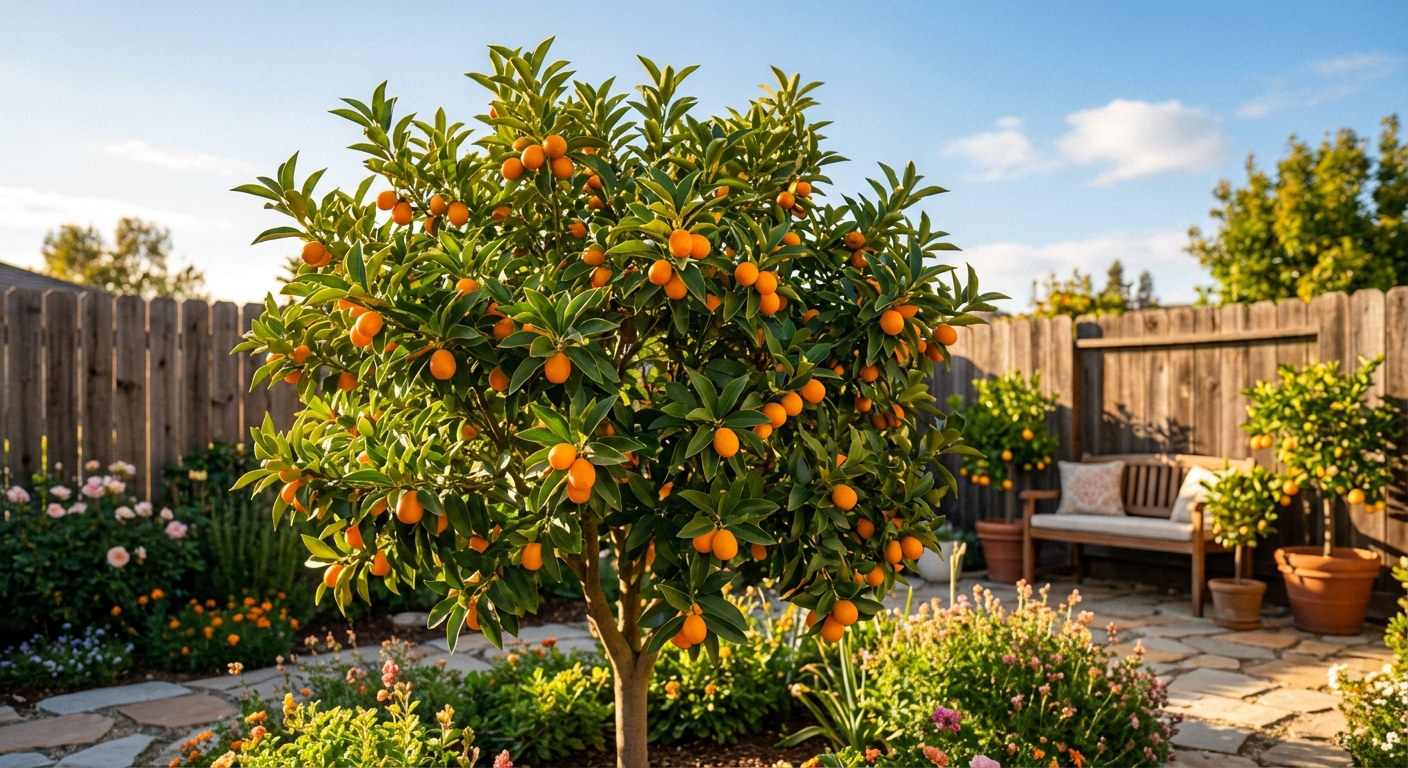
The Meiwa kumquat tree shares many characteristics with its cousin, the Nagami kumquat, but careful observation reveals important differences. These compact evergreen trees typically reach 8 to 12 feet tall when grown in ideal conditions, though container cultivation keeps them smaller and more manageable.
The leaves are small, oval, and glossy green with a distinctive citrus fragrance when crushed. During winter months, the tree enters semi-dormancy, which actually helps it withstand temperatures as low as 20°F. This cold tolerance makes Meiwa kumquats suitable for USDA zones 9-11, with container growing extending the range further north.
Unlike many citrus trees, Meiwa kumquats may have small thorns, though they're generally less thorny than other kumquat varieties. The branching pattern creates a naturally rounded, dense canopy that's both attractive and productive.
The root system of Meiwa kumquats has specific requirements that set them apart from other citrus. These trees cannot be successfully budded onto all the same rootstocks that work well for Nagami kumquats. Trifoliate orange rootstock provides the best compatibility and performance for Meiwa trees.
| Characteristic | Meiwa Kumquat | Nagami Kumquat |
|---|---|---|
| Tree Height | 8-12 feet | 8-15 feet |
| Cold Tolerance | 20°F (slightly less hardy) | 15°F |
| Preferred Rootstock | Trifoliate orange | Multiple options |
| Flowering Season | May to September | April to September |
| Fruit Maturity | Late winter | Winter to early spring |
What Do Meiwa Kumquats Taste Like?
Here's where the Meiwa kumquat becomes truly extraordinary. The eating experience starts with that remarkably thick, sweet rind. It's not just "not bitter" like some citrus peels. It's genuinely sweet, almost candy-like, with a pleasant citrus oil burst that fills your mouth with flavor.
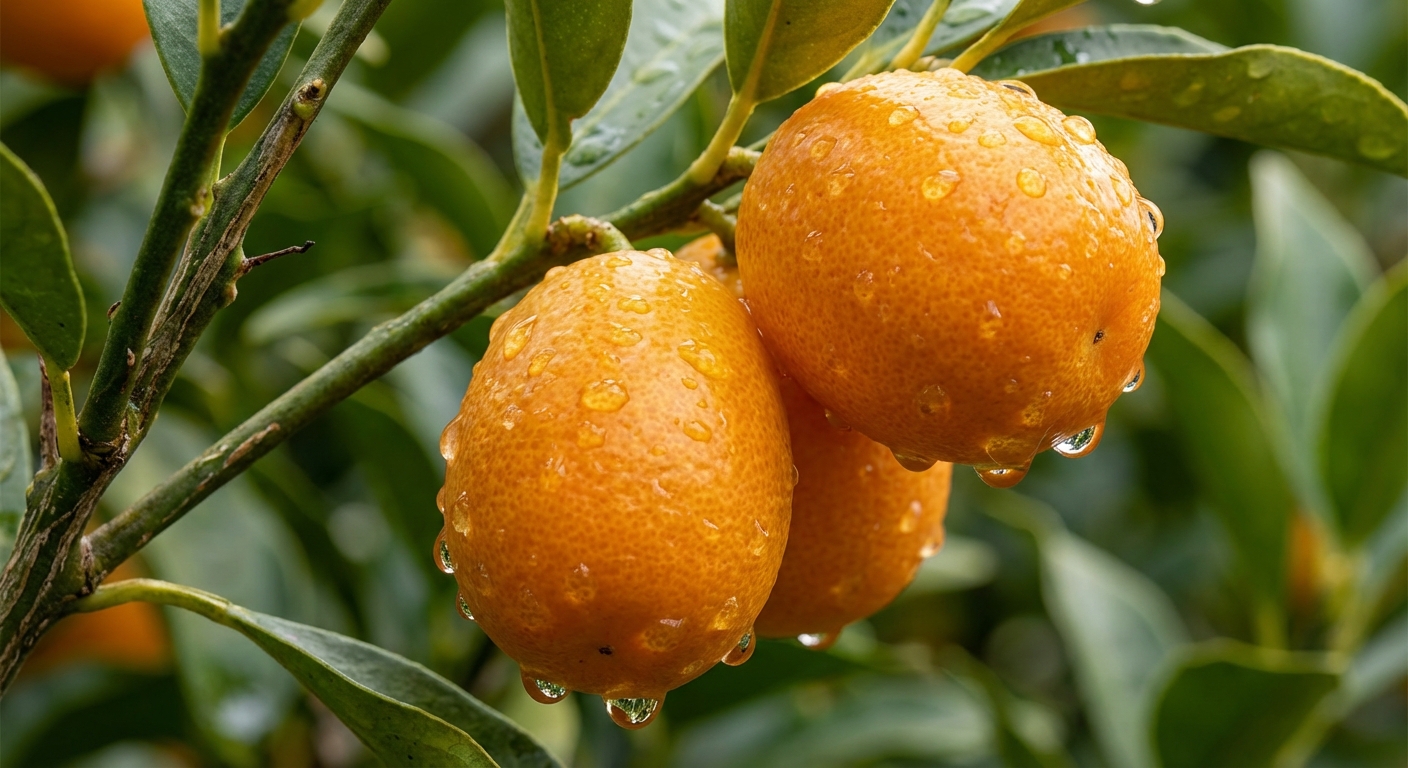
The flesh inside provides the perfect counterpoint. Light orange in color, it's acidic and tart, creating a sweet-sour balance that's absolutely addictive. This contrast between sweet peel and tart flesh is what makes Meiwa kumquats so perfect for fresh eating.
Size matters with Meiwa kumquats. These fruits grow up to 1.5 inches in diameter, making them substantially larger than most other kumquat varieties. The extra size means more of that delicious sweet rind and a more satisfying eating experience.
The internal structure typically shows seven segments, more than most other kumquat varieties. Many fruits are completely seedless, and those that do contain seeds usually have only a few. This low seed count makes them even more enjoyable for fresh eating.
In the kitchen, Meiwa kumquats shine in applications where their sweet rind can be featured. They make exceptional marmalades, where the thick peel provides body and sweetness without the bitter notes common in other citrus preserves. The whole fruits can be candied, pickled, or used fresh in salads and desserts.
How Do You Grow Meiwa Kumquat Trees Successfully?
Growing healthy Meiwa kumquat trees starts with understanding their specific needs. These trees are more particular about their growing conditions than some other citrus varieties, but the reward of fresh, sweet kumquats makes the extra attention worthwhile.
The foundation of successful Meiwa growing lies in US Citrus Nursery's Three Plant Pillars. First, these trees need mineral-based soil that never decomposes and provides constant root aeration. Traditional potting mix will suffocate the roots as it breaks down, leading to root rot and tree decline.
Second, live microbials are essential for nutrient uptake and root protection. Meiwa kumquats are particularly susceptible to zinc deficiency, which shows up as small leaves and shortened internodes. Healthy soil microbes help the tree access zinc and other trace nutrients more effectively.
Third, complete organic fertilization provides all 12 essential nutrients without the salt damage that synthetic fertilizers cause. Meiwa trees need consistent, gentle feeding throughout their growing season.
Container growing works exceptionally well for Meiwa kumquats, especially in areas where winter temperatures drop below 20°F. Use containers at least 20 gallons for mature trees, with excellent drainage holes.
| Growing Factor | Optimal Conditions | Container Modifications |
|---|---|---|
| Soil Type | Well-draining, mineral-based | Dr. Mani's Super Soil recommended |
| Sunlight | 6-8 hours direct sun | Move containers to maximize sun exposure |
| Temperature Range | 75-85°F growing, 20°F minimum | Move indoors or protect when below 25°F |
| Humidity | 40-60% relative humidity | Use humidity trays in dry conditions |
| Watering | Deep, infrequent watering | Check soil moisture at 2-inch depth |
Watering Meiwa kumquats requires attention to both frequency and technique. In mineral-based soil like Dr. Mani's Super Soil, overwatering becomes nearly impossible because excess water drains immediately. Water when the top 2 inches of soil feel dry to the touch, then water deeply until water runs from the drainage holes.
Zinc deficiency is the most common nutritional problem with Meiwa kumquats. Watch for small, yellowing leaves and shortened growth between leaf nodes. Plant Super Boost contains the full spectrum of microbes that help trees access zinc and other trace nutrients more effectively.
Why Do Home Gardeners Fall in Love with Meiwa Trees?
There's something deeply satisfying about walking into your garden and picking a perfect snack directly from your tree. Meiwa kumquats deliver this experience like no other citrus variety. You don't need to peel them, prepare them, or cook them. They're ready to eat the moment they turn orange.
Families with children especially love Meiwa trees because kids naturally gravitate toward the sweet-tart combination. It's often the first citrus that children willingly eat, creating positive associations with homegrown fruit that last a lifetime.
The year-round fruiting potential means there's almost always something to harvest. While peak season produces the heaviest crops, Meiwa trees in ideal conditions can produce ripe fruit throughout most of the year.
Container growing makes Meiwa kumquats accessible to gardeners in cold climates. You can enjoy fresh citrus even in areas where outdoor citrus growing is impossible. Rolling the containers to a protected area or indoors during cold snaps extends the growing range significantly.
The ornamental value adds another layer of appeal. The small, glossy leaves create an attractive evergreen backdrop, while the bright orange fruits provide colorful accents. Even when not fruiting, Meiwa trees make beautiful landscape specimens.
What Are Some Fascinating Meiwa Kumquat Facts?
The Meiwa's hybrid nature creates some interesting genetic quirks. While most kumquat varieties produce consistent fruit characteristics, Meiwa trees occasionally produce fruits with slightly different shapes or sizes, reflecting their mixed parentage.
In Japan, there exists a rare variegated form of Meiwa kumquat with striped fruits. These ornamental varieties are highly prized by collectors but remain extremely rare outside of specialized Japanese collections.
The name "Meiwa" itself has interesting linguistic roots. In Japanese, it can mean "bright harmony" or "enlightened peace," perhaps reflecting the perfect balance of sweet and tart flavors in the fruit.
Meiwa kumquats were among the first citrus varieties to be studied using early genetic analysis techniques. Researchers in the 1960s used Meiwa trees to understand how natural hybridization occurs in citrus, laying groundwork for modern citrus breeding programs.
The thick rind that makes Meiwa kumquats so delicious also makes them excellent for long-term storage. Properly harvested Meiwa kumquats can be stored at room temperature for several weeks without significant quality loss, much longer than most citrus varieties.
Commercial growers in Asia have developed specific pruning techniques to maximize rind thickness in Meiwa kumquats. These methods involve strategic branch removal to concentrate the tree's energy into fewer, higher-quality fruits.
Why Does the Meiwa Kumquat Deserve a Place in Your Garden?
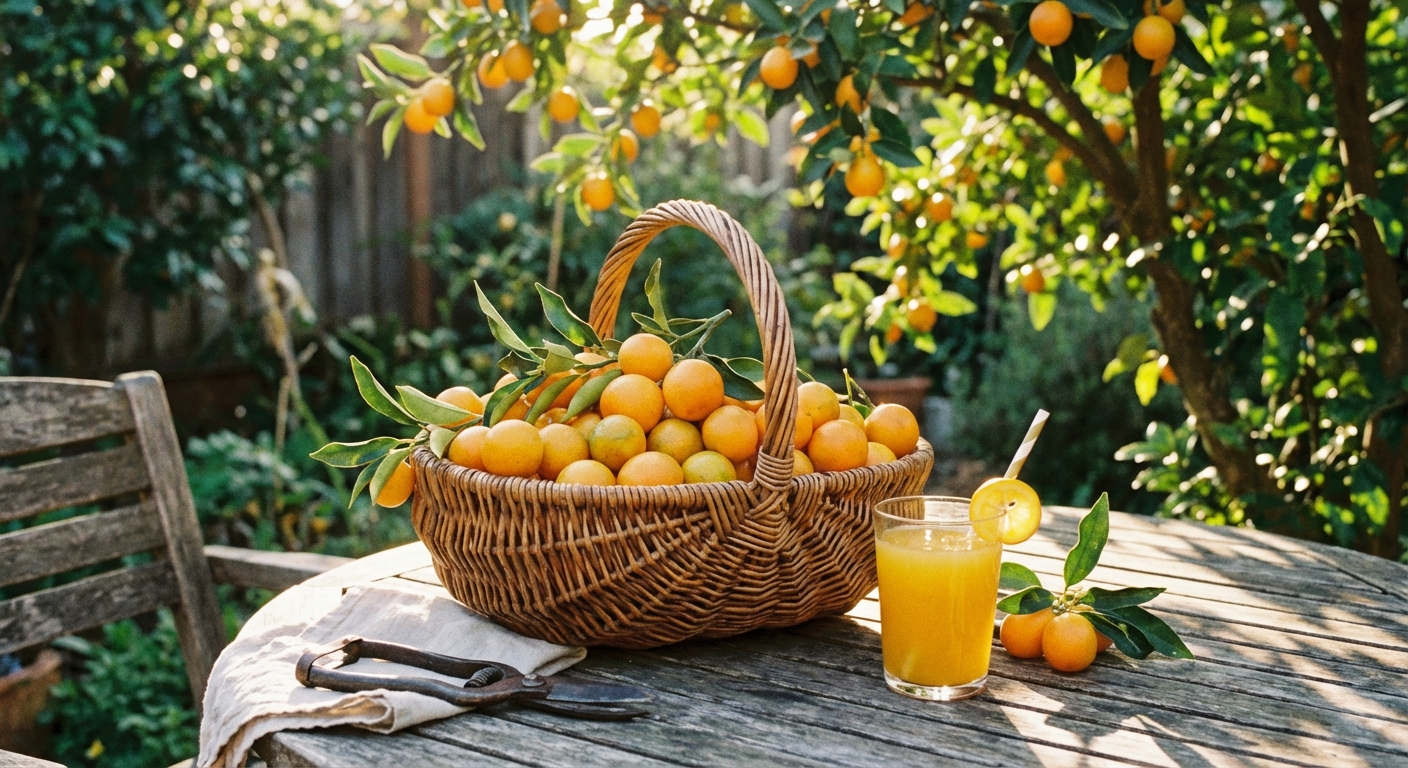
The Meiwa kumquat represents something special in the world of homegrown citrus. It's not just another fruit tree. It's your personal snack factory, producing bite-sized treats that rival any store-bought candy.
Think about the satisfaction of serving guests fresh kumquats from your own tree. The surprise on their faces when they discover how sweet and delicious the peel is. The conversations that start when people experience this unique fruit for the first time.
For families, a Meiwa tree becomes a source of healthy snacks that kids actually want to eat. No more battles over fruit consumption when the tree produces naturally sweet treats that children find irresistible.
The compact size makes Meiwa trees perfect for small spaces, patios, and container gardens. You don't need acres of land to enjoy fresh citrus. A single tree in a large container can produce hundreds of fruits per year.
From a practical standpoint, Meiwa kumquats store well, travel well, and require no preparation. They're the perfect grab-and-go snack, lunch box addition, or hiking trail companion.
Ready to experience the sweet satisfaction of homegrown Meiwa kumquats? Our citrus tree collection includes carefully selected varieties that thrive in home gardens. Each tree arrives healthy and ready to establish in your garden with the right foundation of mineral-based soil, live microbes, and complete organic nutrition.
The Three Plant Pillars system ensures your Meiwa kumquat tree gets the permanent foundation it needs for years of healthy fruit production. No more wondering why your citrus trees struggle. No more disappointing harvests from trees planted in decomposing potting mix.
Your journey to fresh, homegrown Meiwa kumquats starts with giving your tree the foundation it deserves. Because when you get the basics right, everything else falls into place.
Frequently Asked Questions
1. What is a Meiwa kumquat?
A Meiwa kumquat is a round, orange kumquat variety known for its exceptionally thick, sweet rind and tart interior. Unlike many citrus fruits, the entire Meiwa kumquat can be eaten fresh, including the peel. The trees typically grow 8–12 feet tall and are well suited to gardens and containers.
2. Can you eat Meiwa kumquats with the peel?
Yes. The peel is actually one of the main reasons Meiwa kumquats are prized. Its thick rind is naturally sweet and almost candy-like, while the flesh inside is tart and acidic. Eating the whole fruit creates a balanced sweet-and-sour flavor without needing to peel or prepare it.
3. What does a Meiwa kumquat taste like?
Meiwa kumquats have a distinctive sweet-and-tart flavor. The thick outer rind is sweet, aromatic, and citrusy, while the inner flesh provides a sharp acidic contrast. This combination makes Meiwa one of the most popular kumquat varieties for fresh eating.
4. How cold hardy is a Meiwa kumquat tree?
A Meiwa kumquat tree can tolerate temperatures down to approximately 20°F when established. Its ability to enter a semi-dormant state during winter helps it handle cold better than many other citrus varieties. In colder climates, growing Meiwa kumquats in containers allows the tree to be moved to a protected location during freezing weather.
5. Can Meiwa kumquat trees be grown in containers?
Yes. Meiwa kumquat trees are well suited to container growing because they remain relatively compact, generally reaching 8–12 feet when grown under favorable conditions. A container of at least 20 gallons is recommended for a mature tree, with excellent drainage and sufficient sunlight.
6. When do Meiwa kumquat trees produce fruit?
Meiwa kumquat trees can have extended fruit production under ideal growing conditions, with the main crop generally maturing in late winter. The trees typically bloom from May through September, depending on growing conditions. Warm climates can support longer periods of flowering and fruit production.
7. Where can Meiwa kumquat trees grow?
Meiwa kumquat trees are suited to warm climates and are described in the provided content as appropriate for USDA Zones 9–11. Gardeners in colder areas can grow them in containers and move the trees into a protected location when temperatures approach freezing. They perform best with 6–8 hours of direct sunlight and well-draining soil.
8. What soil does a Meiwa kumquat tree need?
Meiwa kumquat trees need well-draining soil that maintains good root aeration. The provided growing system recommends a mineral-based soil foundation designed to provide permanent drainage and prevent the root-zone problems associated with decomposing potting mixes. A soil pH around 6.0–6.5 is appropriate for citrus growing.
9. Why do Meiwa kumquat trees develop zinc deficiency?
Meiwa kumquat trees are particularly susceptible to zinc deficiency. Symptoms can include small leaves and shortened growth between leaf nodes. Maintaining complete nutrition and healthy soil biology can help the tree access trace nutrients such as zinc. The provided Three Plant Pillars approach emphasizes mineral-based soil, beneficial microbes, and complete organic nutrition to support healthy growth.
10. What is the difference between Meiwa and Nagami kumquats?
The main difference is the fruit and eating experience. Meiwa kumquats are rounder and have a thicker, sweeter rind, making them especially desirable for eating fresh. Nagami kumquats are typically oval and have a thinner rind with a more pronounced tart flavor. Meiwa trees are also described as having slightly different rootstock requirements and a somewhat lower cold tolerance than Nagami kumquats.
About the Author
Ron Skaria, MD
Ron Skaria is the son of Dr. Mani. He trained as a medical doctor at Baylor College of Medicine, did his residency at UT Health Science Center - San Antonio and fellowship training at Texas Tech University. He now works full time on the family farm at US Citrus and US Citrus Nursery in Hargill, Texas, building Dr. Mani's Magic alongside his dad. He wrote the Brown Thumb Field Guide to put his father's 48 years of plant science into plain words any gardener can use. His belief is simple. You never had a brown thumb. You just never had the right help.


