


Yuzu Tree: Japan's Legendary Aromatic Citrus That Chefs Treat Like Gold
Walk into any high-end restaurant today and you'll hear chefs talking about yuzu like it's liquid gold. This isn't just trendy food talk. Yuzu has been treasured in Asia for over 1,000 years, and now Western chefs pay premium prices for a single fruit that weighs less than two ounces.
But here's what most people don't know: you can grow this legendary citrus tree right in your own backyard or container garden. The yuzu tree isn't just another citrus variety. It's one of the most cold-hardy citrus trees you can grow, surviving temperatures that would kill a lemon tree. And the aromatic oils in its bumpy, golf ball-sized fruits are so potent that a single yuzu can perfume an entire dish.
After growing over 250,000 citrus trees at our South Texas nursery, we've learned that yuzu trees thrive when you give them what they need: proper soil, live microbes, and complete nutrition. Let me share everything we've discovered about this remarkable tree and why it deserves a place in your garden.

Organic Fertilizer | Crab, Kelp & Amino Acids (7‑4‑4) | Long-Lasting, Burn-Free Boost | Slow-Release Power for Steady Plant Growth
Key Takeaways
- Yuzu trees are incredibly cold-hardy, surviving temperatures down to 10°F when other citrus would die
- The fruit is harvested green in September-October for maximum aromatic oil content
- A hybrid between Ichang papeda and Satsuma mandarin, yuzu combines hardiness with intense fragrance
- Chefs prize yuzu for its complex citrus flavor that's part lemon, part lime, part grapefruit
- The tree produces small, bumpy fruits weighing about 1.8 ounces with incredibly thick, oil-rich rinds
- Yuzu trees need mineral-based soil, live microbes, and organic fertilizer to reach their full potential
- Frank Meyer discovered yuzu growing wild in China at 4,000 feet elevation in 1914
What Makes Yuzu So Special in Asian Cuisine?
Yuzu isn't just another citrus fruit. It's the backbone of East Asian cooking. In Japan, yuzu season is celebrated like harvest festivals in other cultures. The fruit's intensely aromatic rind contains oils so complex that perfumers and aromatherapists study its molecular structure.
The magic happens in the rind. While most citrus fruits are valued for their juice, yuzu's treasure lies in its bumpy, thick skin. The essential oils packed into that pebbly exterior create a scent that's instantly recognizable yet impossible to duplicate with other citrus.
Japanese chefs use yuzu in ponzu sauce, a tangy condiment that's become essential in modern cooking. Korean cooks make yuzu-cha, a hot tea that soothes winter colds. Chinese cuisine incorporates yuzu into everything from candy to medicinal preparations.
But here's what makes yuzu truly remarkable: it's not just one flavor. Taste yuzu and you'll detect notes of lemon, lime, grapefruit, and something entirely unique. This complexity comes from its hybrid nature and the harsh mountain conditions where it evolved.
Ancient Origins: How Yuzu Conquered Asia
The yuzu story begins in the mountains of China over a thousand years ago. According to the UCR Citrus Variety Collection, yuzu is believed to be a natural hybrid between Ichang papeda and Satsuma mandarin. This unusual parentage gave yuzu its incredible cold tolerance and intense aromatic oils.
Historical records suggest yuzu originated in the upper reaches of the Yangtze River in China, where winter temperatures regularly drop below freezing. This harsh mountain environment created a citrus unlike any other. While regular citrus trees would die in such conditions, yuzu thrived.
From China, yuzu traveled to Korea, where it became deeply embedded in traditional medicine and cuisine. Korean texts from centuries ago describe yuzu as a warming food, perfect for surviving harsh winters.
The journey to Japan happened during the Tang Dynasty, approximately 1,000 years ago. Japanese monks and traders brought yuzu seeds across the sea, where the fruit found its true calling in Japanese cuisine.
What's fascinating is how yuzu adapted to each region. In Korea, it became a medicinal tea. In Japan, it became a culinary essential. In China, it remained closer to its wild roots, growing in mountain gardens and ancient dwelling sites.
The Great Plant Explorer: Frank Meyer's Discovery
The yuzu story took an unexpected turn in 1914 when Frank Meyer, a plant explorer for the USDA, was trekking through the mountains of Gansu Province, China. Among palms, loquats, and bamboo, he found something extraordinary: citrus trees thriving at 4,000 feet elevation in temperatures that dropped to 10°F.
Meyer initially called his discovery the "Kansu orange," not knowing he'd found yuzu. He estimated that no other cultivated citrus could survive in such harsh conditions. This was citrus evolved for survival, not comfort.
Meyer collected seeds and shipped them back to the United States, writing detailed notes about the collection site along the Yangtze River in Hubei Province. These seeds arrived at the USDA just months before Meyer's untimely death during another collecting expedition.
In 1922, citrus expert Tanaka examined Meyer's "Kansu orange" and realized it was identical to yuzu specimens that Japanese immigrants had already brought to America years earlier. The mystery was solved: yuzu had been quietly growing in Japanese-American gardens long before Meyer's official "discovery."
Today, Meyer's original collection remains one of the most important yuzu specimens in American citrus research, preserved in the University of California's citrus collection.
Cultural Significance: More Than Just Food
In Japan, yuzu represents the changing seasons. When yuzu fruits begin to turn from green to yellow in October, it signals the approach of winter. This seasonal significance goes far beyond cooking.
The Japanese practice of yuzu-yu involves floating whole yuzu fruits in hot baths during the winter solstice. The aromatic oils released by the warm water are believed to ward off colds and bring good fortune for the coming year.
Korean families prepare yuzu-cha (citron tea) as soon as the first yuzu fruits ripen. This thick, honey-like preserve made from yuzu rind and pulp becomes the family's winter medicine, stirred into hot water whenever someone feels a cold coming on.
Chinese traditional medicine values yuzu for its "warming" properties. Unlike cooling citrus like oranges and grapefruits, yuzu is considered a yang food that helps balance the body during cold months.
Even the tree itself carries cultural meaning. In Japan, yuzu trees planted near homes are believed to bring prosperity and protection. The thorny branches ward off evil spirits, while the fragrant fruits attract good fortune.
What Does a Yuzu Tree Look Like?
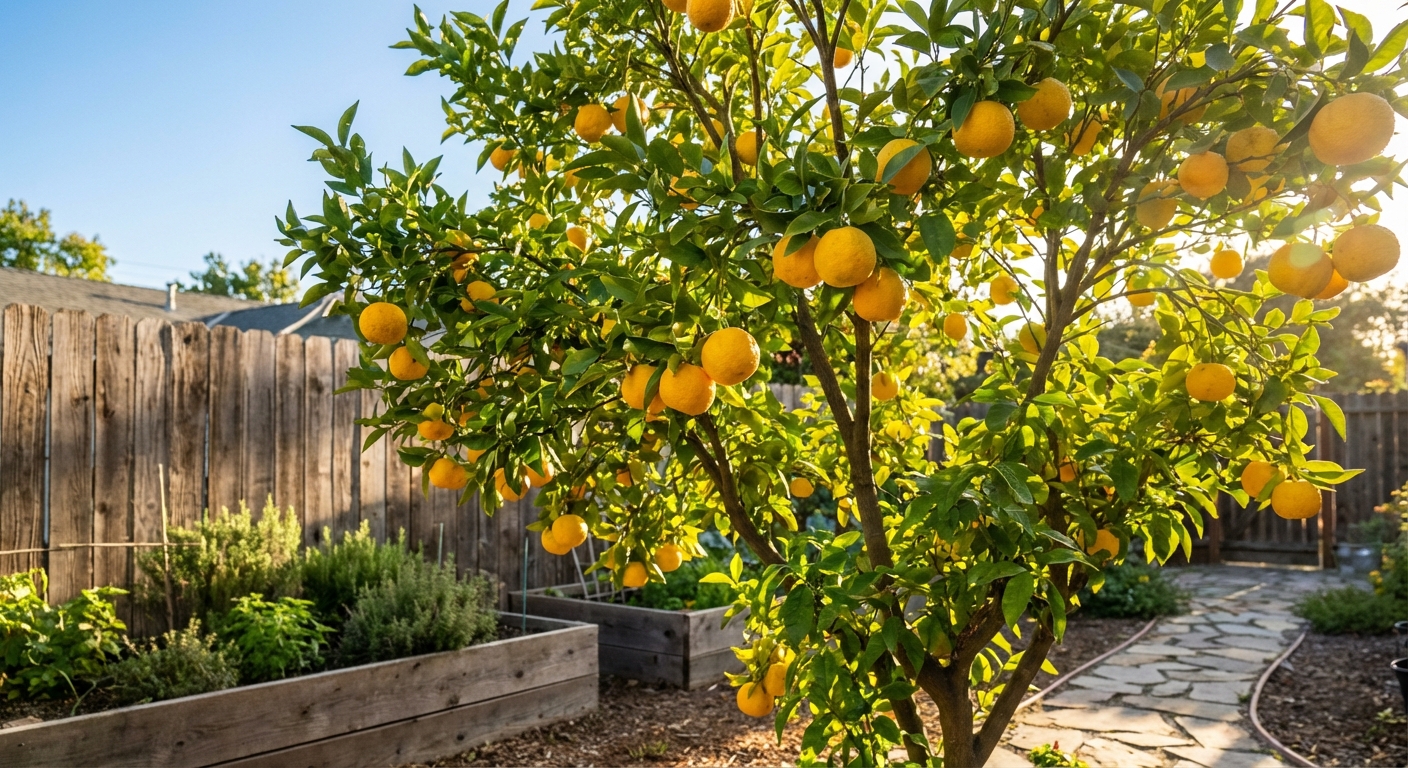
Yuzu trees are smaller than most citrus, typically reaching 8-12 feet tall when mature. But don't let the compact size fool you. These trees are built for survival, not just beauty.
The most striking feature is the thorns. Yuzu trees are armed with sharp, curved thorns that can reach 2 inches long. These aren't decorative. They're weapons, evolved to protect the tree from hungry animals in its mountain homeland.
The leaves are distinctive too. They're compound leaves with a unique shape: each leaf has a large terminal leaflet and smaller side leaflets. This compound structure is unusual in citrus and comes from yuzu's papeda heritage.
Yuzu bark is smooth and grayish-brown, often with a slight green tinge on younger branches. The overall growth habit is upright but spreading, creating a rounded canopy that's dense with foliage.
The flowers appear in early spring and are pure white with a intense fragrance. Unlike some citrus that bloom sporadically, yuzu tends to have one main flowering period, followed by fruit development through summer.
| Characteristic | Description |
|---|---|
| Height | 8-12 feet at maturity |
| Spread | 6-10 feet wide |
| Thorns | Sharp, curved, up to 2 inches long |
| Leaves | Compound, trifoliate structure |
| Flowers | White, very fragrant, spring blooming |
| Cold tolerance | Survives to 10°F |
The Fruit: Small But Mighty
Yuzu fruits look like golf balls with attitude. They're small, weighing only about 1.8 ounces, but packed with more aromatic power than fruits ten times their size.
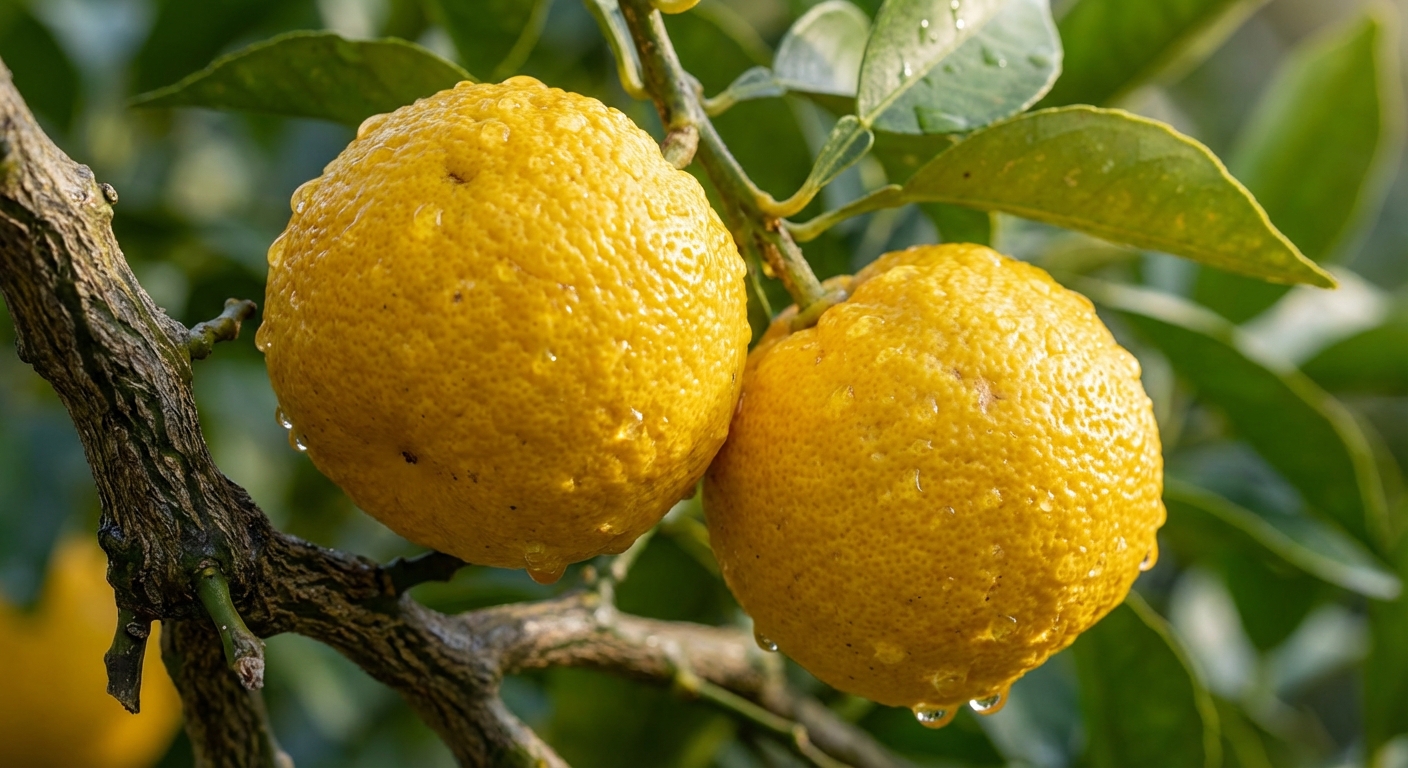
The skin is the star. It's thick, bumpy, and loaded with oil glands that release that distinctive yuzu fragrance at the slightest touch. The texture is pebbly and rough, almost like a tiny basketball.
Color changes tell the harvest story. Yuzu fruits start dark green and are typically harvested at this stage for maximum oil content. As they ripen, they turn yellow-green, then golden yellow. Most chefs prefer the green stage when the oils are most concentrated.
Inside, you'll find segments filled with very tart juice and lots of seeds. The juice is intensely sour, more acidic than lemons. But it's not just sour. There's a complexity that includes floral notes, pine-like undertones, and a lingering warmth.
The seeds are large and numerous, which makes sense for a fruit that evolved in the wild. Each fruit might contain 10-15 seeds, all capable of growing into new trees.
Here's what makes yuzu special: you use every part. The rind gets zested into dishes, the juice becomes ponzu sauce, and even the seeds can be saved for growing new trees.
How Do You Grow a Yuzu Tree Successfully?
Growing yuzu successfully comes down to understanding what this mountain citrus needs. After caring for thousands of citrus trees, we've learned that yuzu trees thrive when you give them the Three Plant Pillars: mineral-based soil, live microbes, and complete organic nutrition.
The first pillar is proper soil. Yuzu trees need excellent drainage because their roots evolved in rocky mountain soil. Regular potting mix will suffocate the roots as it decomposes. That's why we use Dr. Mani's Magic Super Soil, a mineral-based blend that never decomposes and provides permanent aeration.
The second pillar is live microbes. In nature, yuzu trees partner with soil bacteria and fungi that help them extract nutrients and fight off disease. Plant Super Boost delivers over 2,000 species of beneficial bacteria and 400 species of fungi, recreating the natural soil ecosystem your yuzu needs.
The third pillar is complete organic nutrition. Yuzu trees need all 12 essential nutrients, delivered slowly without synthetic salts that can burn roots. Our Crab, Kelp & Amino Acids (7-4-4) provides everything your tree needs, including calcium and magnesium that are crucial for fruit development.
Temperature is where yuzu really shines. Unlike tender citrus that need protection at 32°F, yuzu trees can handle 10°F once established. This makes them perfect for gardeners in borderline citrus zones.
Container growing works beautifully for yuzu. Start with at least a 20-gallon container and plan to upsize as the tree grows. The compact size means you can grow yuzu in smaller spaces than other citrus.
| Growing Condition | Requirement |
|---|---|
| Soil | Mineral-based, excellent drainage |
| pH | 6.0-6.5 (slightly acidic) |
| Water | Deep, infrequent watering |
| Temperature | Hardy to 10°F |
| Sun | 6-8 hours direct sunlight |
| Container Size | Minimum 20 gallons |
Why Home Growers Fall in Love with Yuzu Trees
There's something magical about growing your own yuzu. Maybe it's the incredible fragrance that fills your garden when the fruits ripen. Maybe it's the pride of growing something that chefs pay premium prices for in restaurants.
Home growers love yuzu because it's practically bulletproof once established. While other citrus trees sulk through cold snaps, yuzu trees keep growing. We've had customers report their yuzu trees surviving unexpected freezes that killed nearby lemon and orange trees.
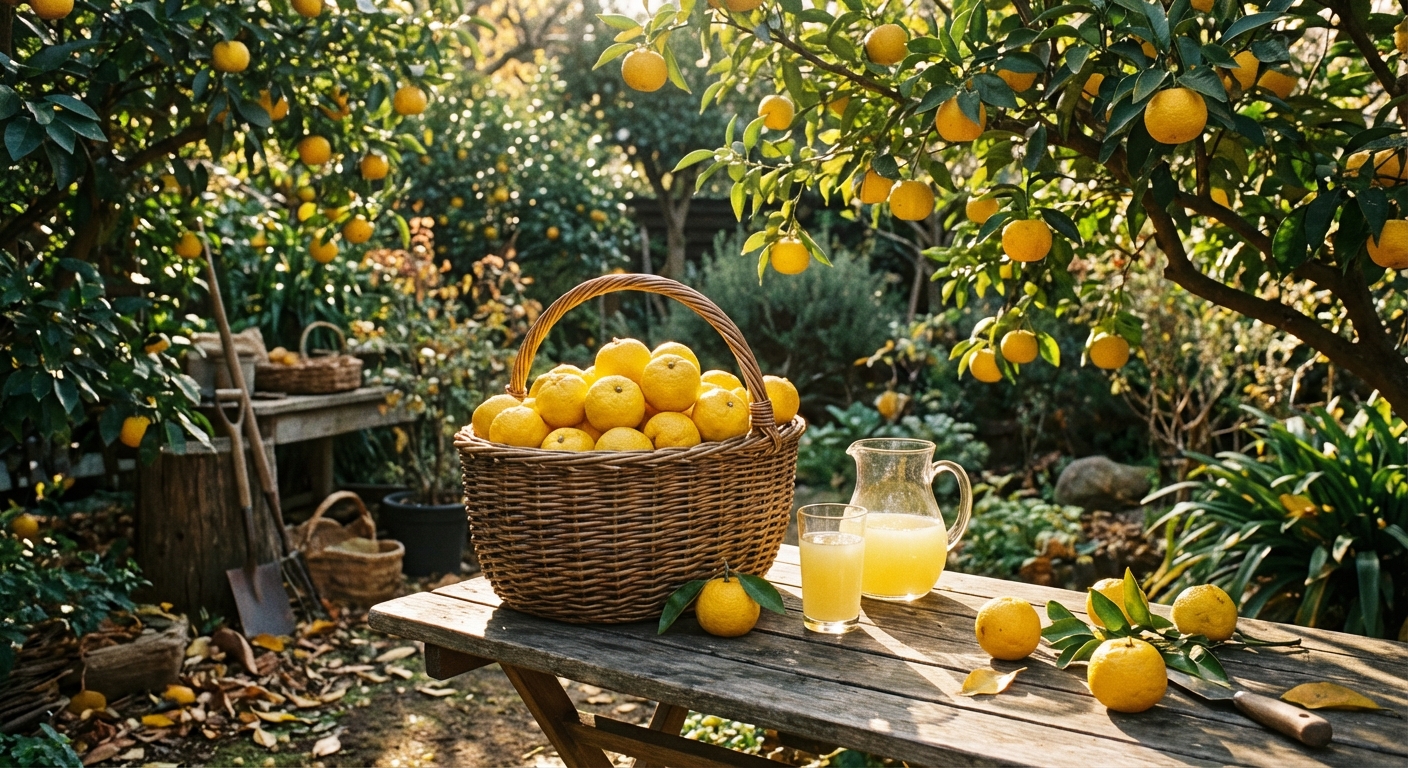
The harvest is an experience. When yuzu fruits are ready in September and October, you'll smell them before you see them. The aromatic oils are so potent that a few fruits can perfume an entire room.
Kitchen creativity explodes with homegrown yuzu. You'll find yourself adding yuzu zest to everything from salad dressings to desserts. The juice makes incredible cocktails. And there's something deeply satisfying about making your own ponzu sauce from fruits you grew yourself.
Kids are fascinated by yuzu trees. The thorns make them feel like growing a dragon. The strange, bumpy fruits look like something from another planet. And the intense fragrance creates lasting memories.
For serious gardeners, yuzu represents mastery. Successfully growing this ancient, cold-hardy citrus proves you understand what plants really need. It's a badge of honor in the citrus growing community.
Historical Oddities and Rare Facts About Yuzu
Here's something that will amaze your friends: some yuzu trees in Japan are over 300 years old and still producing fruit. These ancient specimens are treated like living treasures, carefully tended by families for generations.
Frank Meyer's original yuzu discovery was almost lost forever. His field notes were scattered after his death, and for decades, botanists couldn't figure out exactly where he'd found the "Kansu orange." It wasn't until the 1970s that researchers pieced together the location from his fragmentary records.
The most expensive yuzu on record sold for over $200 per pound in Tokyo's Tsukiji fish market. These weren't ordinary yuzu. They were perfect specimens from ancient trees, each fruit individually wrapped and presented like jewelry.
Yuzu trees have a secret weapon against pests: their thorns contain the same compounds as the fruit's aromatic oils. This means the thorns themselves repel insects and animals, creating a natural defense system.
During World War II, Japanese families treasured their yuzu trees because the fruit provided vitamin C when other sources were scarce. Many family yuzu trees alive today were planted during or just after the war as insurance against nutritional deficiency.
Modern DNA analysis has revealed that yuzu's papeda parent contributes more than just cold hardiness. It also provides unique terpenes that create yuzu's distinctive "green" aromatic notes, compounds found nowhere else in the citrus world.
The yuzu genome contains over 35,000 genes, making it one of the most complex citrus genetically. This complexity explains why yuzu's flavor profile is so nuanced and why attempts to create synthetic yuzu flavoring always fall short.
Why This Tree Deserves a Place in Your Garden
If you're serious about growing something truly special, yuzu deserves your consideration. This isn't just another citrus tree. It's a living connection to a thousand years of Asian culinary tradition, wrapped in a package that can survive your local climate better than almost any other citrus.
Think about what yuzu offers: incredible cold hardiness, intense aromatic fruits that chefs treasure, and the satisfaction of growing something most people have never heard of. When you serve dishes flavored with your homegrown yuzu, you're sharing something genuinely rare and special.
The investment pays dividends for decades. Yuzu trees are long-lived and become more productive with age. Your initial planting becomes a family treasure, providing unique harvests year after year.
For container gardeners, yuzu solves the space problem. Its compact size means you can grow restaurant-quality citrus even in small spaces. And unlike tender citrus that need winter protection, established yuzu trees can handle whatever weather throws at them.
Ready to add this legendary citrus to your garden? Our Yuzu Ichandrin Trees are grafted for immediate productivity and grown using the Three Plant Pillars system that ensures healthy root development from day one. Each tree comes with Dr. Mani's complete care instructions, so you'll know exactly how to help your yuzu thrive.
Plus, when you establish your yuzu tree with our complete Three Plant Pillars system including Super Soil, Plant Super Boost, and Crab, Kelp & Amino Acids, you're giving it the foundation for decades of productive growth. This isn't just buying a tree. It's investing in years of unique harvests that will make your kitchen the envy of any chef.
Want to explore more unique citrus varieties? Browse our complete citrus tree collection to discover other rare and remarkable trees that will transform your garden into something extraordinary.


